What Is the Best Metal Stud Furring Wall in China?
Choosing the best Metal Stud Furring Wall in China requires more than comparing prices, thicknesses, or surface finishes. The right system must respond to the building’s climate, fire strategy, acoustic target, and installation conditions. A wall installed beside a humid coastal site needs different corrosion protection than one used in a dry inland warehouse. Small details matter, including stud spacing, screw selection, track alignment, and the quality of board joints.
Robert Grupe, former technical director of the Steel Framing Alliance, once observed, “Steel framing is a precision product; installation quality determines performance.” His statement remains highly relevant to Chinese construction projects. A well-designed Metal Stud Furring Wall can create a straight backing surface, improve service coordination, and reduce unnecessary structural weight. However, product performance depends on the complete assembly, not one attractive component. That point is sometimes overlooked.
Reliable selection should include factory quality control, material traceability, tested fire and acoustic data, and clear technical support. Buyers should request galvanized coating information, dimensional tolerances, load guidance, and installation drawings. A serious manufacturer should explain limitations, not only advantages. This is where experience becomes visible.
There is no universal winner.
The best system may be the one that fits local labor skills, project deadlines, and maintenance expectations. Even experienced teams can make mistakes when drawings are vague or site conditions change. Therefore, this guide examines Chinese Metal Stud Furring Wall options through practical performance, verified specifications, and real installation concerns. Some conclusions may need refinement, because construction results are shaped by both the product and the people installing it.
Metal Stud Furring Walls: Definition, Structure, and Main Applications
What Is the Best Metal Stud Furring Wall in China?
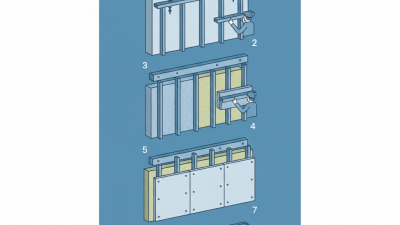
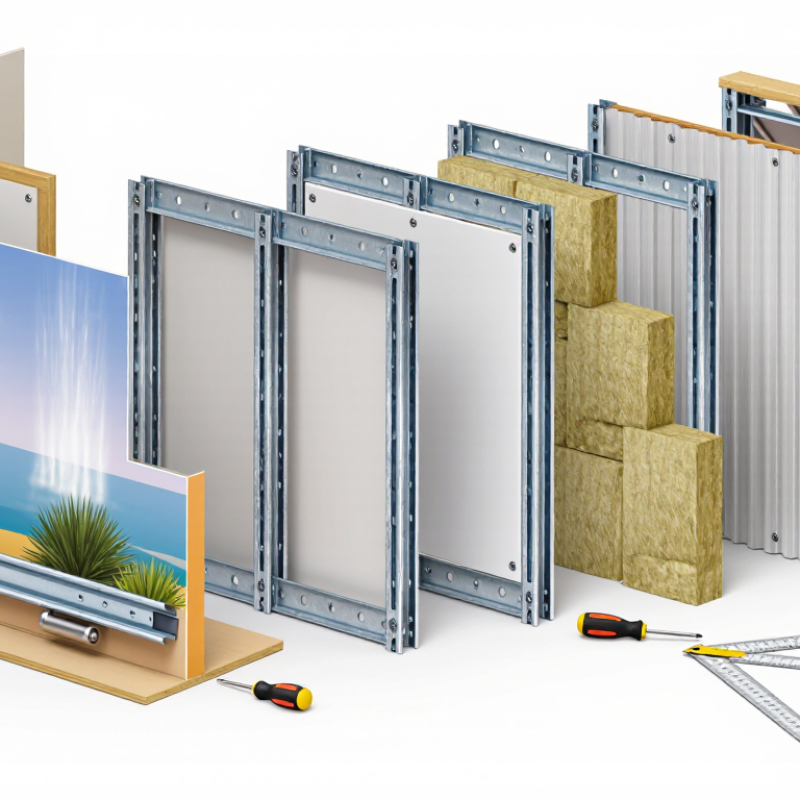
A metal stud furring wall is a non-load-bearing lining system. It creates a secondary frame beside an existing wall. The frame normally uses galvanized steel studs, tracks, insulation, and gypsum boards. Service cables and pipes can pass through the cavity. It is not decorative.
In China, the best system depends on humidity, height, fire rating, acoustic targets, and substrate quality. Interior renovation often uses furring walls for offices, hotels, hospitals, and apartment upgrades. The design should follow relevant requirements, including GB/T 11981 for light steel keels. ASTM C645 and ASTM C754 also provide useful technical references for nonstructural framing. Stud spacing, screw length, joint treatment, and corrosion protection need site verification.
Energy performance now matters more. The 2023 UNEP Global Status Report for Buildings and Construction states that buildings and construction consumed 34% of global energy in 2022. The sector also produced 37% of global energy and process-related carbon emissions. A properly fitted insulation layer can reduce heat transfer through the renovated wall. However, metal framing can create thermal bridges. That detail is frequently underestimated. The World Steel Association’s World Steel in Figures 2024 also highlights steel’s established recycling value, supporting material recovery after demolition. Still, recycled content alone does not guarantee a durable wall. Poor anchoring, moisture, or uneven floors can ruin an otherwise sound system. Experience shows that the “best” Chinese metal stud wall is the one matched carefully to the building, climate, and installer’s workmanship.
Key Materials and Performance Standards for Chinese Furring Wall Systems
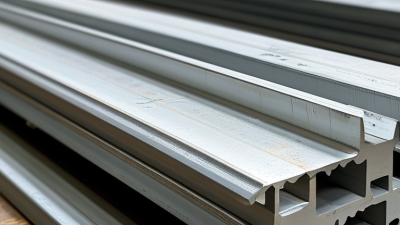
A reliable metal stud furring wall in China starts with properly selected materials. Galvanized steel studs and tracks form the main frame. Their coating must resist rust in humid rooms and coastal areas. Check steel thickness, yield strength, section accuracy, and zinc coating through supplier documents and site sampling. Thin metal may reduce cost, but it can twist during board installation.
Gypsum board, cement board, or calcium silicate board should match the room’s risks. Moisture-resistant boards suit kitchens and bathrooms. Fire-rated boards support walls designed under current Chinese fire protection requirements. Insulation placed between studs improves sound control and thermal comfort. Use compatible screws, anchors, joint tape, and sealants. Small gaps around pipes can weaken performance.
Performance depends on more than materials. The wall should meet the project’s requirements for fire resistance, acoustic insulation, impact strength, deflection, and corrosion protection. Relevant GB standards, approved drawings, and tested wall assemblies should guide selection. Independent laboratory reports are useful, but installation quality still matters. On site, poor track fixing or uneven stud spacing causes visible cracks later. This is often overlooked.
A practical inspection checks plumbness, screw spacing, board joints, cavity insulation, and service penetrations. Metal movement deserves attention. Thermal changes and building settlement can stress rigid finishes. Movement joints may be necessary in long partitions. No system performs perfectly in every building. Designers should review local humidity, floor height, loading, and maintenance needs before final approval.
How to Compare Metal Stud Furring Wall Manufacturers in China
What Is the Best Metal Stud Furring Wall in China?
Comparing metal stud furring wall manufacturers requires more than checking price. China produced approximately 1.005 billion tonnes of crude steel in 2024, according to the World Steel Association. Large output does not guarantee consistent stud quality. Ask for steel grade, thickness tolerance, zinc coating, and mill certificates. A practical audit should examine roll-forming accuracy, weld quality, packaging, and batch traceability. Small errors matter. A twisted track can create visible wall movement.
Independent testing deserves more attention. Request reports for load capacity, corrosion resistance, fire performance, and acoustic insulation. Check whether testing follows relevant standards, such as ASTM C645, ASTM C754, EN 14195, or applicable Chinese standards. ISO 9001 shows process control, but it does not prove product performance. That distinction is often missed. The World Steel Association also links steel production with significant global emissions, so manufacturers should disclose recycled content, energy data, and environmental documentation when available.
Compare suppliers using delivered cost, not factory price. Include tooling charges, minimum order quantity, export packing, replacement policy, and lead time. Review at least three production batches, if possible. One sample can look perfect. It can also hide inconsistency. Ask for recent inspection records and photographs from actual production lines. A technical sales answer is useful, but an engineer’s signed specification is stronger. The best comparison combines measurable performance, transparent evidence, and a factory visit when project risk is high.
Installation Process and Quality Control for Metal Stud Furring Walls
A reliable metal stud furring wall begins with accurate setting-out. Mark the finished wall line, ceiling level, and service openings before fixing tracks. China’s 2023 China Building Energy Consumption Annual Development Report states that building operations used about 21.7% of national energy in 2022. Tight joints and correct insulation therefore matter beyond appearance.
Install galvanized tracks with approved anchors, keeping fastener spacing consistent with the design documents. Insert studs vertically, normally at 400 or 600 millimetre centres, then check plumb with a laser. Do not force distorted studs into position. It creates stress later. Leave planned movement gaps around columns, slabs, doors, and dissimilar materials.
Quality control should include material certificates, coating inspection, screw verification, and photographic records before board closure. The contractor should measure stud spacing, cavity depth, deflection head details, and service penetrations. GB 50210-2018 provides China’s acceptance framework for architectural decoration work, while project specifications must control fire, acoustic, and moisture performance.
On active sites, I have seen inspections focus too heavily on visible boards. That is a mistake. A neat surface can hide missing noggings or crushed insulation. One practical improvement is a hold point before closing each wall zone. Supervisors should sample completed bays, not only the first installation. The process is still imperfect, especially where several trades share a narrow ceiling void.