Top 10 Benefits of Using Metal Studs in Wall Construction?
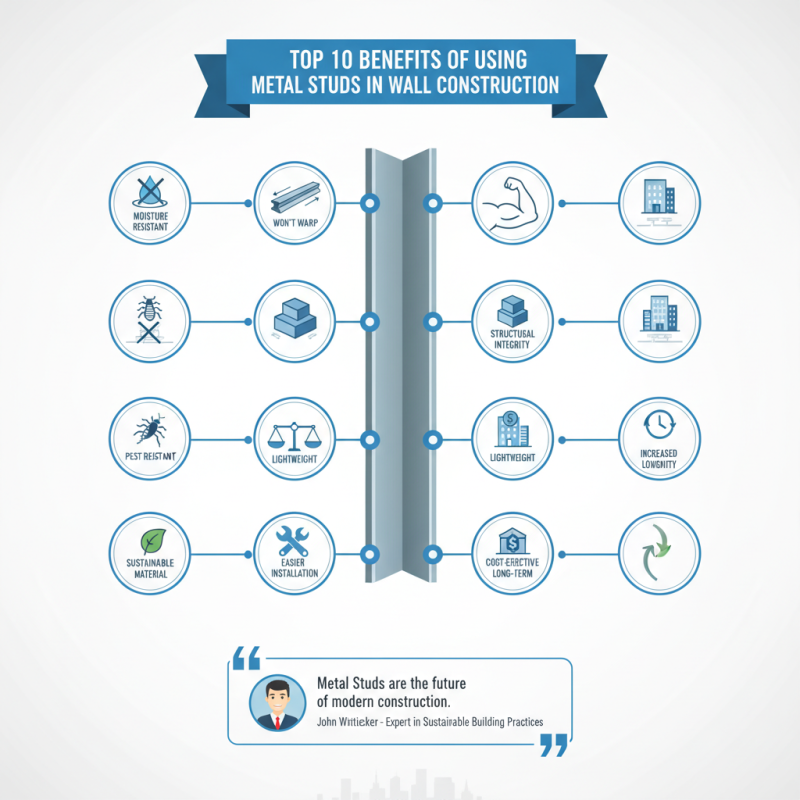
The construction industry continually seeks advancements that improve efficiency and quality. Metal studs in wall construction offer notable advantages. “Metal Studs are the future of modern construction,” states John Whitaker, a leading expert in sustainable building practices. His insight emphasizes the growing shift towards using metal studs for enhanced durability and structural integrity.
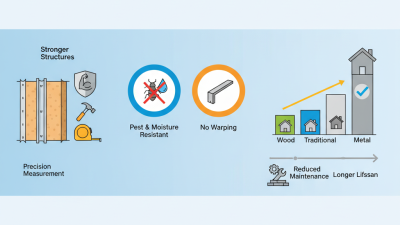
Metal studs in wall systems outshine traditional wood framing. They resist moisture, pests, and warping, making them ideal for various environments. Construction professionals appreciate their lightweight nature, which simplifies transportation and installation. However, one must consider the initial cost and specific applications where metal studs excel.
Incorporating metal studs might not be suitable for every project, but experts agree they bring substantial benefits. The longevity and strength of metal studs demonstrate their worth, particularly in commercial settings. As discussions continue on innovative materials, the benefits of metal studs in wall construction remain a critical topic for industry professionals.
Benefits of Lightweight and Durability of Metal Studs in Construction
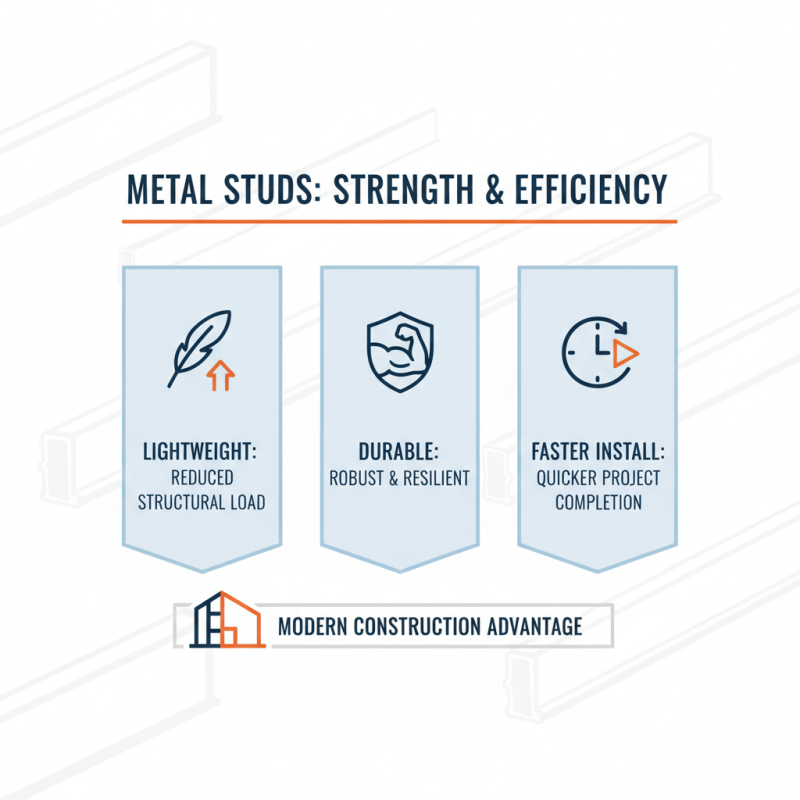
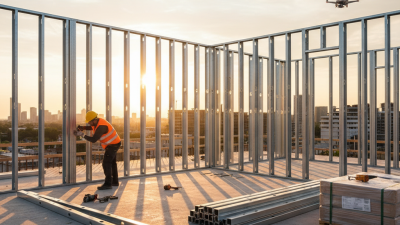
Metal studs offer significant advantages in wall construction, particularly in terms of lightweight and durability. Builders appreciate this material for its strength without the excess weight of traditional wood. Metal studs reduce the overall load on structures, making them easier to handle and install. This can lead to faster project completion.
In addition, metal studs resist warping, rotting, and pests. Unlike wood, they don’t absorb moisture, which helps maintain structural integrity over time. This long-lasting nature can lead to reduced maintenance costs. However, some contractors may find metal studs more challenging to work with initially. Installation requires different tools and techniques, which may necessitate additional training.
Emphasizing lightweight design, metal studs facilitate creative architectural solutions. They can be used in various building types, from residential to commercial structures. Still, it’s essential to weigh these benefits against the initial investment in training and specialized equipment. Balancing proficiency with sustainability may require ongoing evaluation in project planning.
Enhanced Resistance to Moisture and Pests in Metal Stud Applications
Metal studs have gained popularity in wall construction due to their enhanced resistance to moisture and pests. According to a report by the Construction Specifications Institute, metal framing is four times more resistant to moisture compared to wood. This quality is crucial in regions prone to high humidity and heavy rainfall. Unlike wood, metal studs do not absorb water, minimizing the risk of mold and mildew.
In addition, metal studs are impervious to pests like termites. A study published in the Journal of Building Research highlights that property owners using metal framing faced significantly lower pest-related damages. This factor can lead to substantial long-term savings in maintenance costs. Buildings with metal studs often report fewer structural integrity issues over time, boosting their overall lifespan.
However, it is worth noting that the initial cost of metal studs can be higher than traditional wood. Some builders may hesitate due to limited experience with metal. The installation process can also require specific tools and skills. As construction practices evolve, the benefits of using metal studs continue to outweigh these concerns. Through proper training and education, teams can maximize the potential of metal studs in construction.
Cost-Effectiveness of Metal Studs in Long-Term Construction Projects
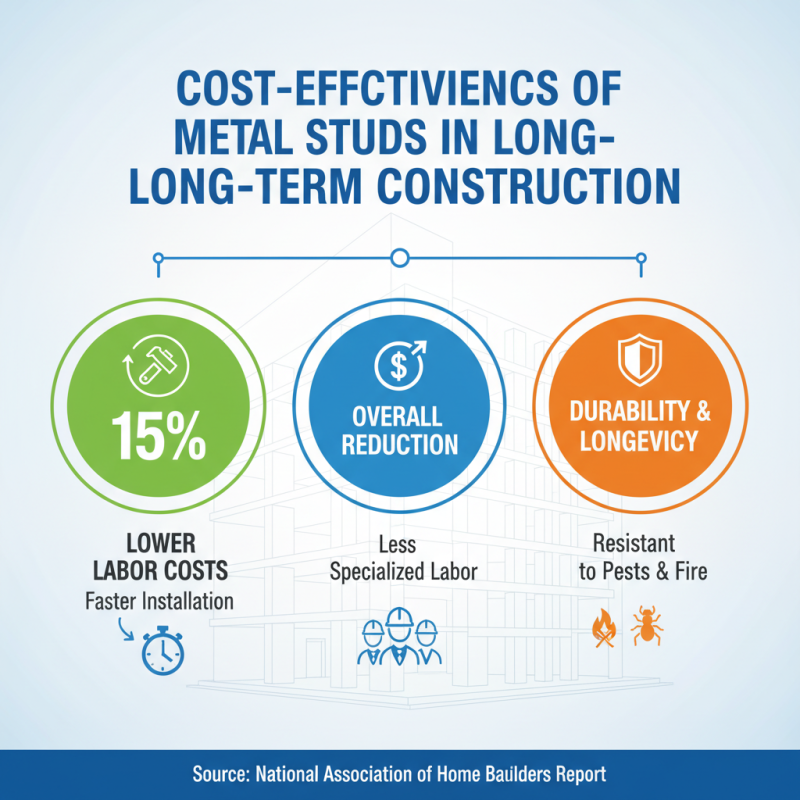
When considering wall construction, the cost-effectiveness of metal studs is a significant factor. Metal studs typically reduce overall construction costs. A report by the National Association of Home Builders indicates that using metal studs can lower labor expenses by around 15%. This reduction comes from faster installation times and less need for specialized labor.
Durability is another important aspect of metal studs. They are resistant to pests, mold, and warping. Over time, this resistance results in lower maintenance costs. A study by the Steel Stud Manufacturers Association shows that metal studs can last up to 50 years. This longevity contributes to substantial savings in long-term construction projects, making metal studs a wise investment.
An important point to consider is the initial cost of materials. While metal studs may have a higher upfront price compared to wood, their total lifecycle cost proves beneficial. Projects that utilize metal studs often experience fewer repairs and replacements. However, not all projects may benefit equally. Evaluating the specific needs of a project is crucial. Cost analysis should include factors like local labor rates and project duration for a more accurate estimate.
Improved Fire Safety Standards with Metal Stud Wall Systems
Metal studs are increasingly popular in wall construction. They enhance fire safety standards significantly. Unlike wood, metal does not burn. This can be crucial in commercial buildings and homes alike. Metal stud wall systems can withstand higher temperatures. They help slow down the spread of fire. This property can save lives and protect property.
Tip: Consider the insulation properties of your metal studs. They can improve your building's thermal performance. This makes your structure more energy-efficient. Be mindful of how insulation materials interact with metal. Some combinations may affect fire safety.
These systems are durable and resistant to mold and pests. However, they can rust if not properly treated. Regular inspections are recommended to maintain their integrity. Using proper coatings can prevent moisture issues. Fire-rated drywall should be used in conjunction to maximize safety features.
Flexibility in Design and Easier Installation of Metal Studs in Buildings
Metal studs have transformed wall construction, offering significant advantages in design flexibility and installation efficiency. They are lighter than traditional wood studs, reducing structural load. According to the American Iron and Steel Institute, metal studs can weigh up to 30% less than their wooden counterparts. This weight reduction simplifies transport and handling, streamlining the installation process on site.
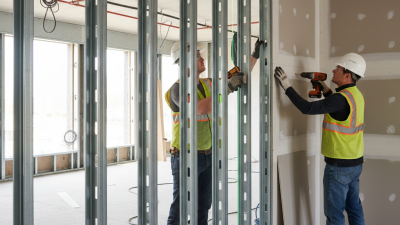
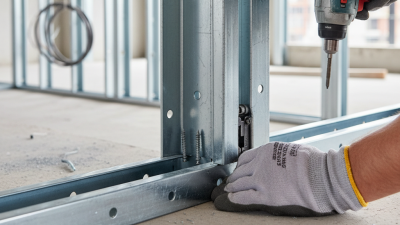
Installation becomes easier because metal studs can be cut and adjusted swiftly. Specialized tools allow for precise cuts without generating sawdust. A study by the Building and Construction Authority indicated that projects using metal studs can experience up to 50% faster completion times compared to wood framing. This efficiency can be especially beneficial in commercial environments where timelines are critical.
While the benefits are compelling, challenges exist. Metal studs can conduct heat and cold, which may increase energy costs if not insulated properly. Additionally, some contractors might lack the experience necessary for optimal installation. Ensuring a well-trained workforce is vital for maximizing the advantages of metal studs. In some cases, projects might encounter unexpected costs related to tooling and material adaptations, requiring careful budget management.
Top 10 Benefits of Using Metal Studs in Wall Construction