Best Cable Tray Solutions from China for Global Buyers?
The demand for efficient and reliable cable management solutions is growing. Cable trays play a vital role in organizing and supporting electrical cables in various settings. As more global buyers seek quality products, China stands out in providing diverse options.
China's cable tray manufacturers offer a range of solutions tailored to meet international standards. Buyers can choose from different materials, styles, and designs. These options help ensure that projects run smoothly and safely. However, with such variety, selecting the right cable tray can be overwhelming.
Many manufacturers promise durability and strength, but buyer experiences vary. It's essential to evaluate suppliers carefully. Ensure that each product meets your specific requirements. Trusting a supplier is crucial but challenging. Do thorough research to avoid potential setbacks. When aiming for the best cable tray solutions, informed choices lead to overall success.
Overview of Cable Tray Solutions Available in China
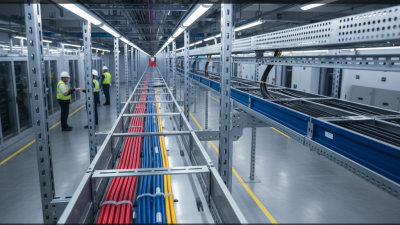
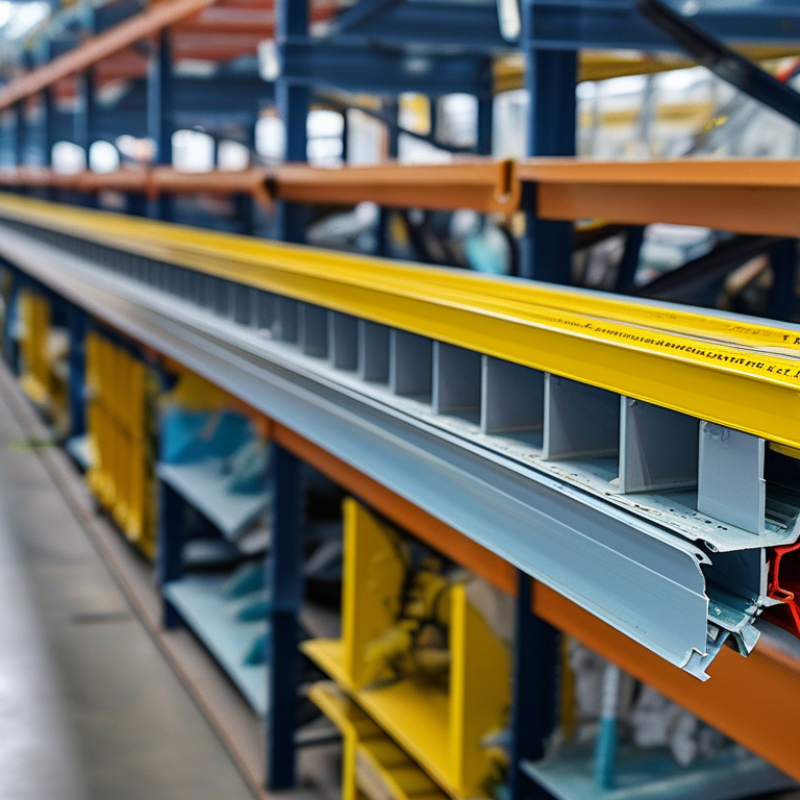
When considering cable tray solutions in China, buyers encounter a diverse range of options. These trays play a crucial role in organizing and securing electrical cables. Varieties include perforated trays, ladder trays, and solid-bottom trays. Each type has its own advantages. For example, perforated trays offer ventilation, while ladder trays provide easy cable access.
Chinese manufacturers focus on quality and innovation. They incorporate various materials, like steel and aluminum, to meet international standards. Buyers should assess the corrosion resistance of materials used. Different coatings enhance durability, especially in challenging environments.
However, not all products meet the same quality standards. Some manufacturers may prioritize cost over quality, leading to potential issues. It's essential to conduct research and request certifications before making a purchase. Understanding local regulations can also guide buyers in selecting the right solutions. Balancing cost with quality is often a tough challenge.
Best Cable Tray Solutions from China
Types of Cable Trays: A Comprehensive Guide for Buyers
When considering cable tray solutions, understanding the various types is essential for global buyers. Cable trays are conduits that support and safeguard electrical wiring, ensuring organized installations. Different types serve specific functions. There are ladder, solid bottom, and ventilated types. Each type has distinct benefits. For example, ladder trays are ideal for heavy cables. Solid bottom trays are better for smaller wires. Ventilated trays help with heat reduction.
Buyers must assess their specific needs. Not all solutions fit every situation. Look for options that adapt to your project requirements. Consider weight, size, and environmental factors when making selections. Remember, durability and reliability can vary.
Tips: Always request samples for material evaluation. This helps to ensure quality. Also, seek expert input from installation teams. Their experience can guide your decisions effectively. Understanding the unique characteristics of each tray type can avert costly mistakes.
Key Manufacturers of Cable Trays in China and Their Offerings
China has emerged as a key player in the global cable tray market. Many manufacturers offer a diverse range of solutions tailored to various industries. These cable trays often come in numerous materials, including steel, aluminum, and plastic, enhancing their versatility. Each type serves specific applications, ensuring users find the right fit for their needs.
The expertise of Chinese manufacturers is evident in their innovation and design. Many companies focus on custom solutions, allowing for unique specifications. This customization caters to various sectors like construction, telecommunications, and energy. Quality control is a priority, with manufacturers adopting stringent measures to ensure durability and safety. However, not all manufacturers meet the same standards, so due diligence is essential for global buyers.
Navigating the market can be overwhelming. Some buyers may find it hard to evaluate quality among numerous options. Researching and seeking expert advice can help mitigate risks. Engaging with reliable sources can also lead to discoveries of emerging manufacturers that offer competitive pricing and high-quality products. Making informed choices is crucial in this dynamic landscape.
Quality Standards and Certifications for Cable Trays from China
When considering cable tray solutions from China, quality standards play a critical role. The production of cable trays must adhere to international guidelines, ensuring safety and reliability. One of the key certifications is ISO 9001, which ensures a focus on quality management systems. Manufacturers should have documented procedures and practices to maintain this standard.
Another important aspect is the use of materials. The best cable trays come from manufacturers who use high-quality steel or aluminum that can withstand harsh conditions. Products often need to meet UL or CE certifications depending on the target market. These certifications indicate that the trays can endure electrical and thermal stresses. However, it's essential for buyers to verify the authenticity of these certifications to avoid subpar products.
While many manufacturers claim compliance, not all maintain rigorous testing protocols. Buyers should request certification documents and test reports for their peace of mind. Evaluating a supplier’s history and reviews can also provide insight into their reliability. Ensuring that the chosen manufacturer maintains high-quality standards is vital for long-term performance in various installations.
Logistics and Export Considerations for Global Buyers of Cable Trays
When sourcing cable trays from China, understanding logistics is crucial. Buyers should familiarize themselves with shipping regulations. After all, every country has its unique rules. Customs procedures can cause delays, so plan ahead. Shipping costs can fluctuate based on distance and weight. A clear budget helps manage expectations.
Export considerations are equally important. Selecting a reliable shipping partner makes a difference. Some companies offer integrated services, simplifying the process. Ensure that all documentation is in order. Incomplete paperwork can lead to headaches. Pay attention to packaging standards too. Proper packaging protects goods during transit.
Communication plays a vital role in this process. Maintain a strong relationship with your supplier. Misunderstandings can cause costly mistakes. Regular updates are essential for managing timelines. It's important to stay informed about potential risks. Political climate and trade policies can impact logistics. Due diligence in these areas can prevent disruptions.