Why Choose Perforated Cable Tray for Your Electrical Wiring Needs?
In the field of electrical installations, the choice of cable management systems is crucial. Leading expert, David Anderson, a seasoned engineer with over 20 years of experience, emphasizes the importance of effective solutions. He states, "Perforated Cable Tray offers unmatched flexibility and support for wiring setups."
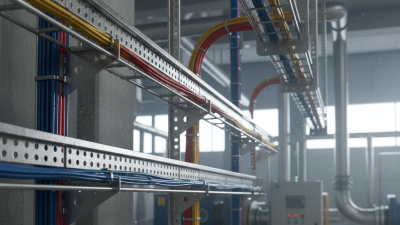
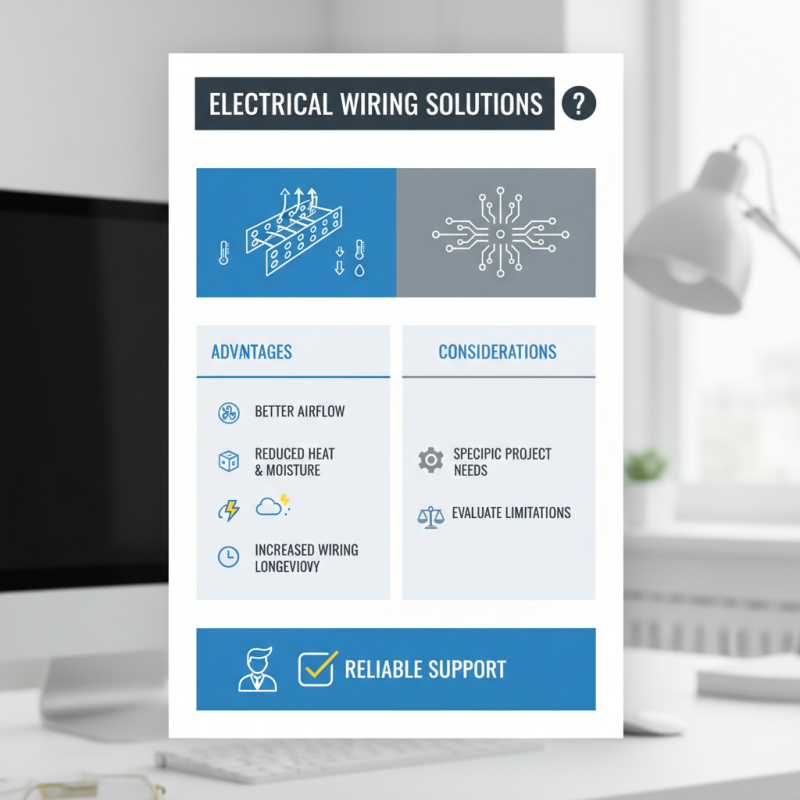
Perforated Cable Tray stands out for various reasons. Its design allows for better airflow, reducing heat buildup. This minimizes risks associated with overheating and enhances the longevity of wiring systems. Additionally, the perforations facilitate drainage and prevent moisture accumulation.
However, not all installations benefit equally from Perforated Cable Tray. Some projects might require specific configurations that challenge this system's versatility. Contractors must evaluate their unique needs to truly harness the advantages of this cable management solution. It’s essential to weigh the benefits against potential limitations. In doing so, the value of perforated trays becomes clearer, providing reliable support in diverse electrical environments.
Benefits of Using Perforated Cable Tray in Electrical Installations
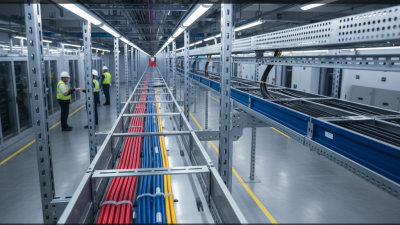
Perforated cable trays are essential for modern electrical installations. They offer numerous advantages that contribute to a well-organized wiring system. First, the perforated design allows for proper ventilation, reducing heat buildup. This is vital for safety and reliability. Improved airflow means lower chances of overheating, which can lead to equipment failure.
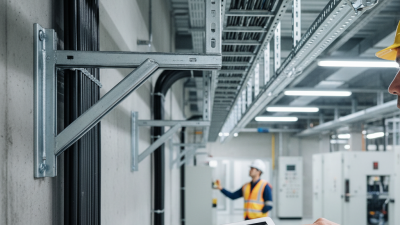
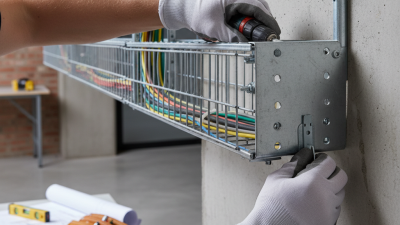
Another key benefit is ease of installation. The lightweight structure simplifies the setup process. Installers can navigate tight spaces easily. Also, the available holes facilitate cable ties and other securing methods. This enhances cable management significantly. It can prevent cable damage and reduce maintenance costs.
Tip: When working with perforated trays, ensure that you plan your layout carefully. This helps in maximizing space and preventing overcrowding.
Choosing the right tray is crucial. Not all projects require the same specifications. The installation environment should guide your choice. For instance, extra consideration is needed for outdoor installations. Weather conditions can impact the durability of the entire setup.
Tip: Regularly inspect your tray systems for wear and tear. Early detection can avoid costly repairs down the line.
Industry Standards and Compliance for Perforated Cable Tray Systems
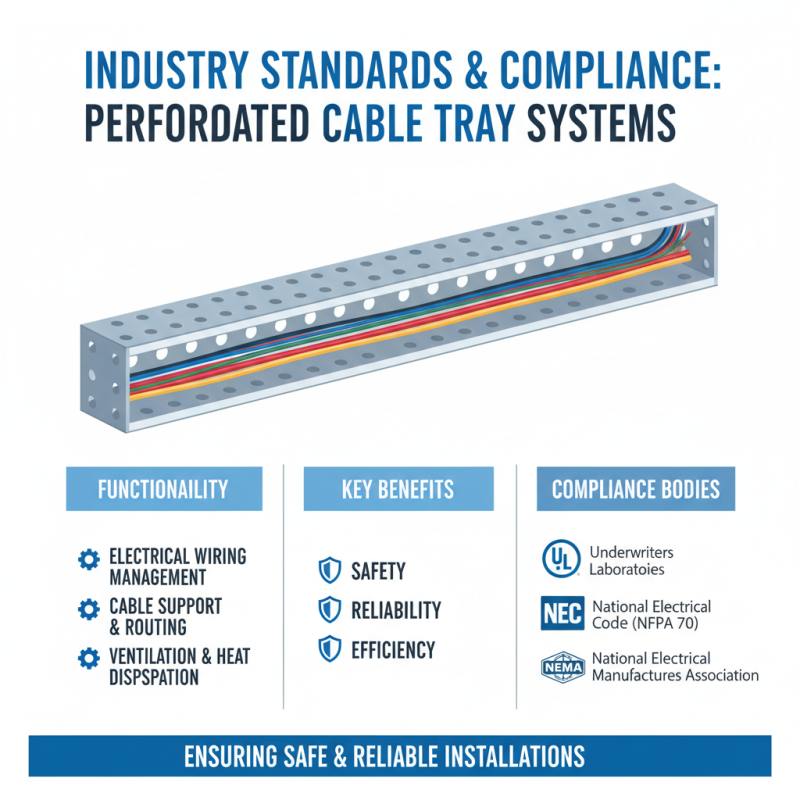
When it comes to electrical wiring, choosing the right materials is critical. Perforated cable trays stand out not only for their functionality but also for their compliance with industry standards. These standards ensure that installations are safe and reliable. They include regulations from various organizations that focus on electrical safety and efficiency.
Using perforated cable trays can enhance air circulation, thus reducing the risk of overheating. This feature is essential in maintaining the performance of electrical systems. Many installations also benefit from the flexibility that perforated trays provide. They can accommodate various cable sizes and types, making future upgrades easier. However, adhering to these industry standards requires regular inspections and some expertise. An installation that does not meet compliance can lead to safety hazards.
While perforated cable trays offer many advantages, not every installation goes perfectly. Correct setup is key. Miscalculations can lead to insufficient support for cables. Regular maintenance checks are necessary to ensure long-term reliability. It's a process of constant improvement. Understanding these nuances can lead to better electrical solutions.
Comparative Analysis: Perforated vs. Solid Cable Trays in Wiring
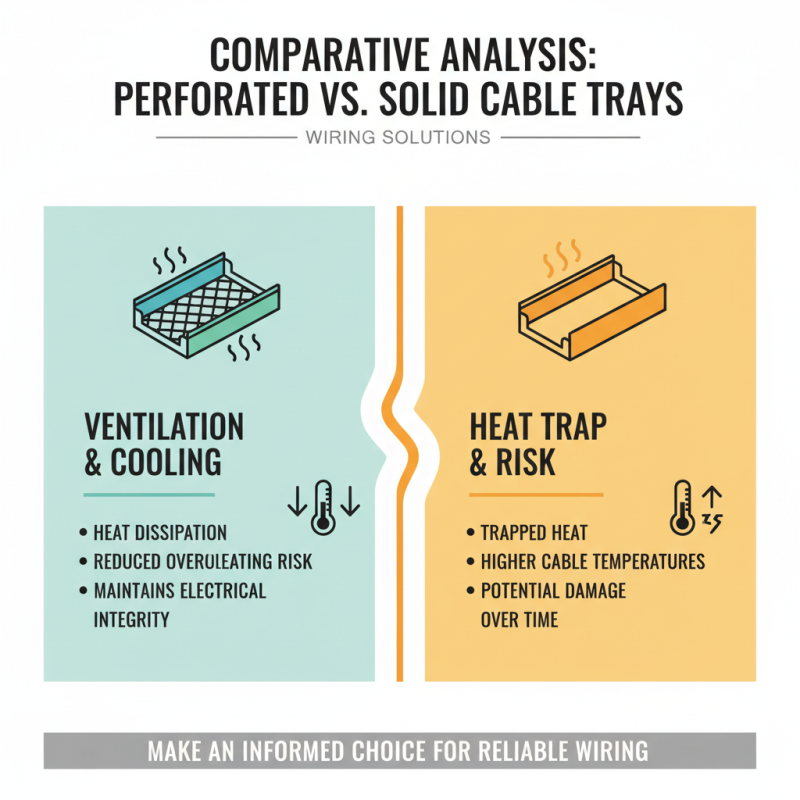
When considering cable trays for electrical wiring, knowing the differences can aid in making an informed choice. Perforated cable trays offer ventilation, allowing heat dissipation from cables. This feature reduces the risk of overheating, which is crucial for maintaining electrical integrity. In contrast, solid cable trays may trap heat, exposing cables to higher temperatures. This leads to potential damage over time.
The installation of perforated trays can be simpler due to their lightweight design. This translates to fewer structural reinforcements needed, potentially lowering overall costs. However, the holes in perforated trays can lead to dust and debris accumulation. Regular maintenance must be factored into the workload. Solid trays might require more effort to install but can provide robust protection against dust and moisture.
Furthermore, the choice depends on the environment where the trays will be installed. Perforated trays excel in open and ventilated areas. Solid trays work better in environments with high exposure to contaminants. Both options have distinct advantages and disadvantages. Understanding the specific needs of a project is essential for making the right choice.
Cost Efficiency and Installation Time of Perforated Cable Trays
When considering electrical wiring solutions, perforated cable trays stand out for their cost efficiency. A report from the National Electrical Manufacturers Association indicates that the use of perforated trays can reduce installation costs by up to 30%. This reduction is largely attributed to easier handling and faster installation times. Workers can quickly lay and secure the trays, which leads to less labor hours overall.
Installation time is a crucial factor. Traditional cable management systems can take longer due to their complexity. Data suggests that using perforated trays can cut installation time by nearly 25%. This efficiency allows projects to meet tight deadlines. The lightweight design of perforated trays also translates to a reduced need for heavy machinery during installation.
Tips for optimizing your installation process include planning your layout meticulously. Utilize the tray's perforations to allow for heat dissipation, which can improve system longevity. Additionally, consider prefabrication options for your trays to further speed up the installation. Small adjustments can lead to significant time savings. Reflecting on these strategies will enhance both cost and time efficiency in your wiring projects.
Enhancing Airflow and Heat Dissipation with Perforated Designs
Perforated cable trays offer distinct advantages in enhancing airflow and heat dissipation for electrical wiring systems. The perforated designs allow air to circulate freely around the cables. This circulation is crucial for preventing overheating and ensuring longevity for electrical components. When cables are tightly packed in non-ventilated trays, heat builds up quickly, which can lead to failures.
The benefit of improved airflow is particularly valuable in environments where managing heat is essential. Facilities like data centers generate significant heat from multiple electronic devices. By utilizing perforated cable trays, businesses can effectively manage this heat, keeping the equipment cool. Moreover, the installation of these trays can often be simpler as they create less resistance when coupled with existing cooling systems.
While perforated cable trays provide many benefits, they do pose some challenges. Installation may require more planning to ensure the correct placement for optimal airflow. Dust and debris can accumulate in the perforations over time, necessitating regular maintenance. Inadequate attention to these factors could negate the advantages of improved airflow. Overall, a thoughtful approach to their deployment is essential for maximizing their potential.
Benefits of Perforated Cable Trays