Leave Your Message
Buying an Frp Cable Tray for an international project involves more than comparing prices. Buyers must examine resin quality, structural design, load capacity, fire performance, and installation conditions. A tray that works beside a dry indoor switchboard may fail near salt spray, chemical fumes, or constant sunlight. The details matter.
“Corrosion resistance begins with the right material selection, not with attractive product claims,” says Dr. Elena Marquez, a composite systems engineer with over 20 years of industrial project experience. Her observation reflects a common purchasing mistake: treating every fiberglass-reinforced plastic tray as technically identical. They are not. Resin type, glass-fiber content, surface finish, support spacing, and manufacturing control can change service life significantly.
This guide presents seven practical buying tips for global buyers. It considers technical documents, dimensional accuracy, certification evidence, packaging, delivery coordination, and supplier communication. It also explains what to verify before approving a quotation. Ask for test reports. Check the load table. Confirm the installation environment.
Do not guess.
A dependable supplier should explain limitations clearly, including temperature restrictions, cover requirements, joint design, and expected maintenance. Vague promises are not engineering evidence. However, buyers should also reflect on their own specifications. Some requirements may be copied from older projects without matching current cable weight or site conditions. That oversight can lead to unnecessary costs, or worse, an undersized system.
The strongest decision combines documented performance, practical site experience, and honest technical dialogue. Price still matters. It simply should not lead the conversation.
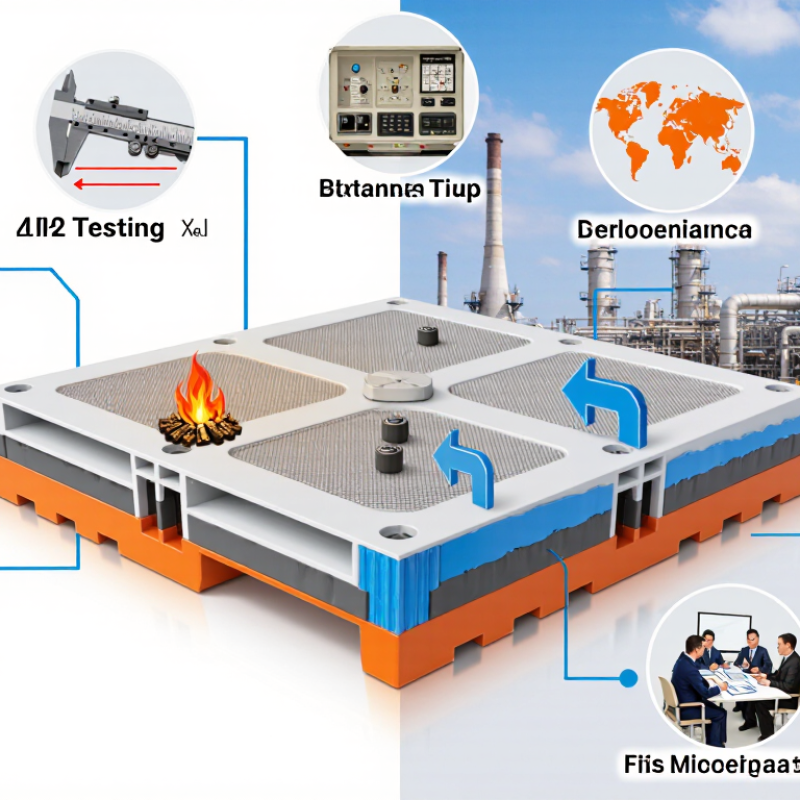
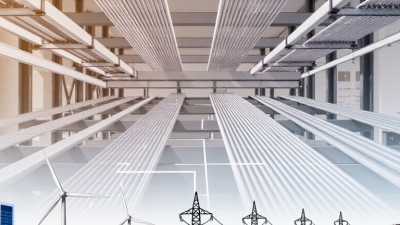
Global buyers should treat FRP cable trays as application-specific systems, not simple plastic substitutes. The International Energy Agency’s Electricity 2024 report expects global electricity demand to grow by about 4% annually through 2026. More power infrastructure means more cable routes, especially in renewable energy, transport, and industrial facilities.
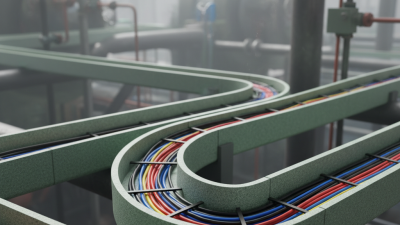
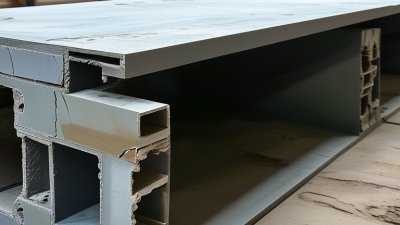
FRP trays typically include ladder, perforated, solid-bottom, and channel designs. Ladder trays suit heavy power cables because airflow reduces heat buildup. Perforated trays support control and instrumentation cables with moderate protection. Solid-bottom trays help shield small cables from falling dust and chemical drips. Channel trays fit compact routes, but they offer less ventilation. In corrosive areas, resin selection matters. Vinyl ester usually performs better than standard polyester in aggressive chemical environments. That detail is easy to overlook.
Corrosion remains expensive. The NACE IMPACT study estimated the global annual cost of corrosion at approximately US$2.5 trillion, or 3.4% of global GDP. FRP can reduce maintenance exposure, but buyers should verify load ratings, span distances, fire performance, UV resistance, and temperature limits. IEC 61537 and NEMA VE 1 provide useful testing and installation references. Do not select by width alone. A tray filled today may become crowded after one expansion cycle. Field experience also shows that poorly supported joints can fail before the tray body. The choice is not always obvious. Ask for test evidence, inspect resin consistency, and compare the actual environment with the supplier’s published data.
| Buying Tip | Tray Type or Design | Common Applications | What to Check |
|---|---|---|---|
| 1. Match the tray type to the cable route. | Ladder tray | Power and control cable runs where ventilation and access for cable installation are important. | Confirm cable arrangement, rung spacing, support locations, and whether the route needs a cover. Check that the proposed design suits the cable manufacturer’s installation guidance. |
| 2. Consider cable protection and environmental exposure. | Solid-bottom or covered tray | Routes where cables need added protection from falling debris, sunlight, or direct exposure to the surrounding environment. | Assess heat dissipation, drainage, ventilation, and access requirements. A cover can reduce direct exposure but may affect ventilation and should be considered in the cable ampacity design. |
| 3. Select the resin system for the service environment. | FRP trays made with polyester, vinyl ester, or other specified resin systems | Corrosive industrial facilities, wastewater treatment areas, coastal sites, and chemical-processing environments, depending on the resin and exposure. | Request chemical-resistance information for the actual chemicals, concentrations, temperatures, and exposure conditions. Do not assume all FRP resin systems have the same corrosion resistance. |
| 4. Verify structural capacity for the actual support span. | Ladder, channel, or trough tray in the required width and side-rail depth | Industrial plants, infrastructure projects, and utility routes with different cable loads and support arrangements. | Compare load ratings at the specified support span and consider cable weight, concentrated loads, installation loads, and any relevant environmental loads. Use the supplier’s load tables and project design criteria. |
| 5. Check temperature, sunlight, and fire requirements. | FRP tray with documented environmental and fire-performance characteristics | Outdoor installations, rooftops, tunnels, and facilities with project-specific fire or smoke requirements. | Confirm the documented service-temperature range and suitability for UV exposure. Review fire-test reports and applicable project or local requirements; fire performance varies by product and test method. |
| 6. Plan fittings and installation details before ordering. | Tray system with compatible bends, tees, reducers, covers, connectors, and supports | Routes with changes in direction, elevation, width, or access requirements. | Confirm dimensions, connection methods, fastener materials, bonding or grounding provisions where required, and compatibility among system components. Include a route layout in the quotation request. |
| 7. Confirm standards, documentation, and delivery requirements. | Any specified FRP tray type and configuration | International projects with local codes, project specifications, inspection requirements, or staged deliveries. | Identify the governing standards and acceptance criteria for the project. Request technical drawings, test documentation, installation instructions, packaging details, and confirmation of dimensions and quantities before purchase. |