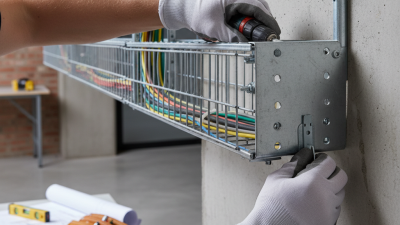
2026 How to Choose the Right Wire Mesh Cable Tray for Your Project?
Selecting the right Wire Mesh Cable Tray is crucial for any project. A well-designed cable tray system enhances safety and organization. According to the Global Cable Tray Market Report, the wire mesh segment is projected to grow substantially over the next few years. By 2026, it is expected to account for a significant portion of the market share.
Understanding your project’s specific requirements is vital. Consider factors such as load capacity, environmental conditions, and installation ease. Wire Mesh Cable Trays offer versatile solutions, yet they must align with project needs. High-quality trays ensure durability but may come at a higher cost. This reflects the need for a balance between expenditure and long-term performance.
Issues can arise if the wrong tray is chosen. A poorly selected cable tray may lead to safety hazards or increased maintenance costs. Assessing the manufacturer’s reputation is important. Established brands often provide more reliable products. Examining industry reviews offers additional assurance. Investing time in understanding various options can prevent costly mistakes and ensure successful project outcomes.

How Wire Mesh Cable Trays Improve Electrical Safety and Management
Wire mesh cable trays are crucial for electrical safety and organization. They provide effective management of cables, reducing the risk of electrical hazards. A well-designed tray keeps cables in place and prevents damage. This arrangement minimizes the chances of short circuits and overheating.
When selecting a wire mesh cable tray, consider the material. Galvanized steel is popular for its durability. It can withstand harsh environments. However, sometimes, corrosion can be an issue if not maintained properly. Regular inspections help identify any wear and tear. Be aware that environmental factors affect the longevity of wire trays.
The size of the cable tray is also vital. A tray that is too small can lead to overcrowding. This can restrict airflow and cause overheating, which is unsafe. Conversely, an oversized tray may waste resources and space. Striking the right balance is essential for optimal performance. Continuous evaluation of your setup may uncover areas for improvement.
Key Factors in Selecting Wire Mesh Cable Trays for Industrial Applications
Choosing the right wire mesh cable tray is crucial for any industrial project. It impacts both
safety and efficiency. There are several key factors to consider in this process.
Material selection is essential.
Steel wire mesh offers strength and durability. However,
aluminum can also be a lightweight alternative. Weighing the pros and cons of these materials is vital.
Consider the environment where the trays will be used.
Corrosive chemicals or extreme temperatures can affect longevity.
Another factor is the tray size. The dimensions must accommodate the cables without overcrowding.
Too much tension can lead to damage over time. Inspect the spacing between the mesh. Proper spacing allows for airflow and cooling.
Reflect on the layout of your facility, as it impacts installation and maintenance.
These details can be overlooked but are significant for a successful installation.
Understanding Load-Bearing Capacities of Wire Mesh Cable Trays
When selecting a wire mesh cable tray, understanding the load-bearing capacities is crucial. These trays support electrical cables, and their strength directly impacts safety and performance. According to the Cable Tray Manufacturer’s Association, many wire mesh cable trays have load ratings that range from 300 to 1,500 pounds per linear foot, depending on their design and material.
Consider your project’s specific needs. If a tray will support numerous heavy cables, it needs to be robust. Ensure the wire mesh is made from high-quality steel or aluminum. Galvanized options resist corrosion better. Reviews show that well-constructed trays do not sag under load, but poorly designed options can. Inadequate support can lead to cable damage, which may cause project delays.
Regularly revisiting load requirements is essential. Factors like environmental conditions and cable types may change over time. A deeper understanding of these variables can require specialists’ input. Engineers often recommend factoring in a margin beyond the estimated load, typically around 20%. This approach helps ensure longevity and safety in installation. Proper selection of wire mesh trays is not just about standards; it's about harmonizing quality and project specifics.
Load-Bearing Capacities of Wire Mesh Cable Trays
Assessing Environmental Conditions for Optimal Wire Mesh Cable Tray Use
When choosing the right wire mesh cable tray, understanding environmental conditions is crucial.
Different settings pose unique challenges that affect durability and performance. For example, wet environments can lead to corrosion.
Similarly, dusty or polluted areas can accumulate debris that clogs the tray. Conduct thorough assessments of your project's specific needs. This will guide you in selecting an appropriate wire mesh type.
Temperature fluctuations can also impact your choice. Extreme heat or cold may cause material expansion or contraction, affecting tray integrity.
If your project is near a chemical facility, consider chemical resistance as a pivotal factor. Take a closer look at local weather patterns as well.
Moisture levels can drastically influence the wire mesh's lifespan.
It's essential to remember that the optimal choice is not always the most elaborate.
Simplistic designs often outperform in less demanding conditions.
Always question whether the selected tray truly meets your environmental challenges. Practical field testing can provide insights that specifications alone cannot deliver.
If there's doubt, revisiting your options is a wise approach.
Comparing Cost and Performance of Wire Mesh vs. Other Cable Tray Types
When selecting cable trays, understanding cost and performance is vital. Wire mesh cable trays offer a lightweight, flexible option. They provide excellent ventilation, which reduces heat buildup. This is crucial for maintaining the longevity of electrical cables. Wire mesh trays are often less expensive than solid options, which adds to their appeal for budget-conscious projects.
On the other hand, solid cable trays provide robust support and protection. They prevent debris accumulation and are more suitable in harsh environments. However, their higher weight and cost can be limiting factors. You might find that the increased initial investment pays off in durability. Balancing these factors is an essential consideration for any project.
Ultimately, the choice depends on specific project requirements. If costs are your primary concern, wire mesh may be the way to go. However, if safety and environmental factors are critical, solid trays could be justified. Keep in mind that future needs may change, requiring a reevaluation of your initial decision. The ideal selection often involves growth—both in technology and project scope.
2026 How to Choose the Right Wire Mesh Cable Tray for Your Project? - Comparing Cost and Performance of Wire Mesh vs. Other Cable Tray Types
| Cable Tray Type |
Material |
Cost per Foot |
Load Capacity |
Installation Ease |
Application Suitability |
| Wire Mesh |
Steel |
$3.00 |
200 lbs |
Easy |
Data Centers, Industrial |
| Ladder Tray |
Aluminum |
$4.50 |
300 lbs |
Moderate |
Heavy Equipment, Power Plants |
| Solid Bottom Tray |
Fiberglass |
$5.00 |
250 lbs |
Difficult |
Corrosive Environments |
| Cable Basket |
Steel |
$4.00 |
150 lbs |
Easy |
Commercial Buildings |