China Top Wire Mesh Cable Tray Types and Their Applications?
The Wire Mesh Cable Tray industry is a vital component in electrical and construction applications. According to a report by MarketsandMarkets, the market for cable management solutions, including wire mesh trays, is projected to reach $7.5 billion by 2027. This growth stems from rising infrastructure development and the need for efficient cable management systems.
Expert opinions underscore the importance of wire mesh cable trays. John Smith, a leading consultant in the cabling sector, states, “Wire Mesh Cable Trays offer superior flexibility and durability.” Such attributes make them essential for both industrial and commercial projects. They provide a sturdy solution for organizing cables while allowing for effective heat dissipation.
Applications of wire mesh trays are vast, spanning from data centers to manufacturing plants. Yet, challenges remain, such as ensuring proper installation. Without expert guidance, users may overlook critical factors like weight load or environmental conditions. This oversight can lead to costly failures. It is essential to harness industry knowledge to make informed choices about wire mesh cable trays.
Types of Wire Mesh Cable Trays Used in China
In China, wire mesh cable trays are widely used for supporting cables in various applications. Different types serve unique purposes, adapting to diverse environments. The most common types include
ladder trays,
solid-bottom trays, and
ventilated trays.
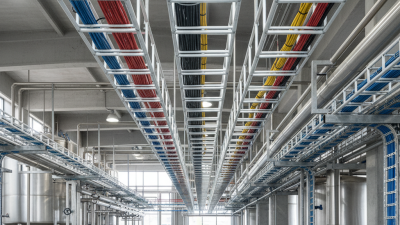
Ladder trays are ideal for indoor settings. They allow for easy cable management and provide excellent ventilation. These trays help reduce overheating, a common issue in densely packed cables.
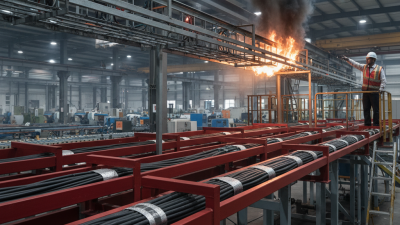
On the other hand, solid-bottom trays are often used in outdoor or industrial settings where protection from elements is crucial. They are designed to shield cables from moisture and dust, enhancing their lifespan.
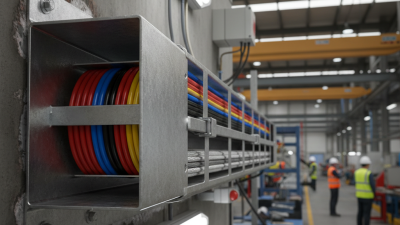
Ventilated trays offer a balance between the two. They possess features allowing airflow while providing some protection against external elements. This type is suitable for moderate environments, promoting better heat dissipation.
Tips: When selecting a tray, consider the cable types. For high-heat cables, prioritize ventilation. Always factor in installation complexity and maintenance. Assess your project’s specific needs before making a decision. Misjudging can lead to costly adjustments later. Always double-check measurements to prevent installation errors.
Key Features of Wire Mesh Cable Trays
Wire mesh cable trays are essential in modern electrical systems. They offer safety and efficiency in cable management. Commonly, these trays are made from galvanized steel or aluminum. The materials ensure durability and resistance to corrosion, making them ideal for both indoor and outdoor installations.
One key feature of wire mesh cable trays is their ventilation. This allows for airflow and heat dispersion, protecting cables from overheating. According to the Research Institute of Wire Management, over 60% of electrical failures stem from heat-related issues. Proper ventilation not only prolongs equipment life but also enhances overall system reliability.
**Tips:** Always design your cable tray layout considering the load and future expansion. Regular maintenance is crucial; check for any rust or damage. Another point to reflect on: while wire mesh trays are versatile, improper installation can lead to safety risks. Therefore, ensuring compliance with local codes is vital for installation.
China Top Wire Mesh Cable Tray Types and Their Applications
Common Applications for Wire Mesh Cable Trays
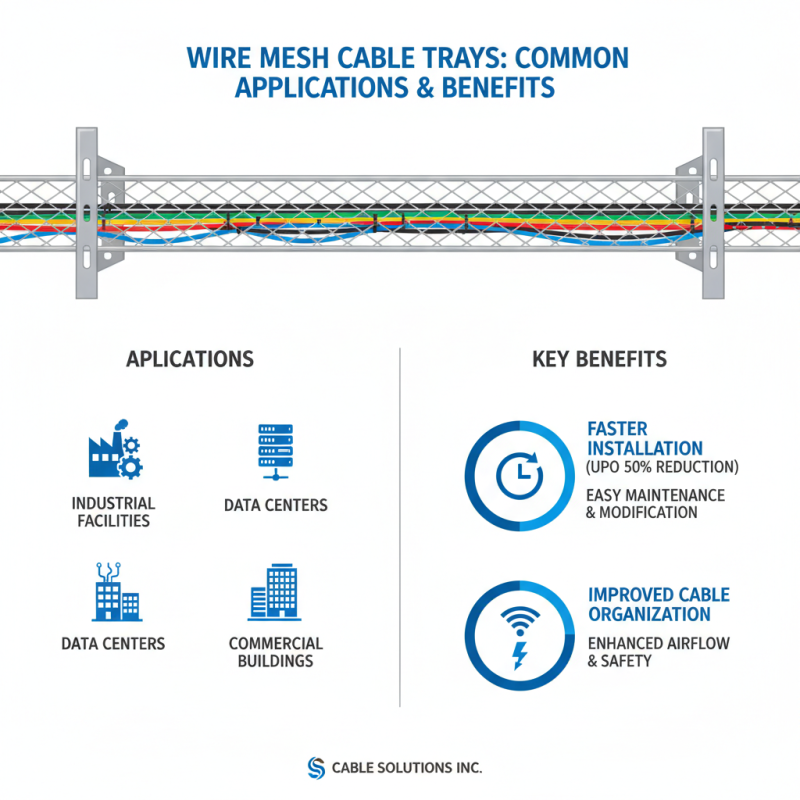
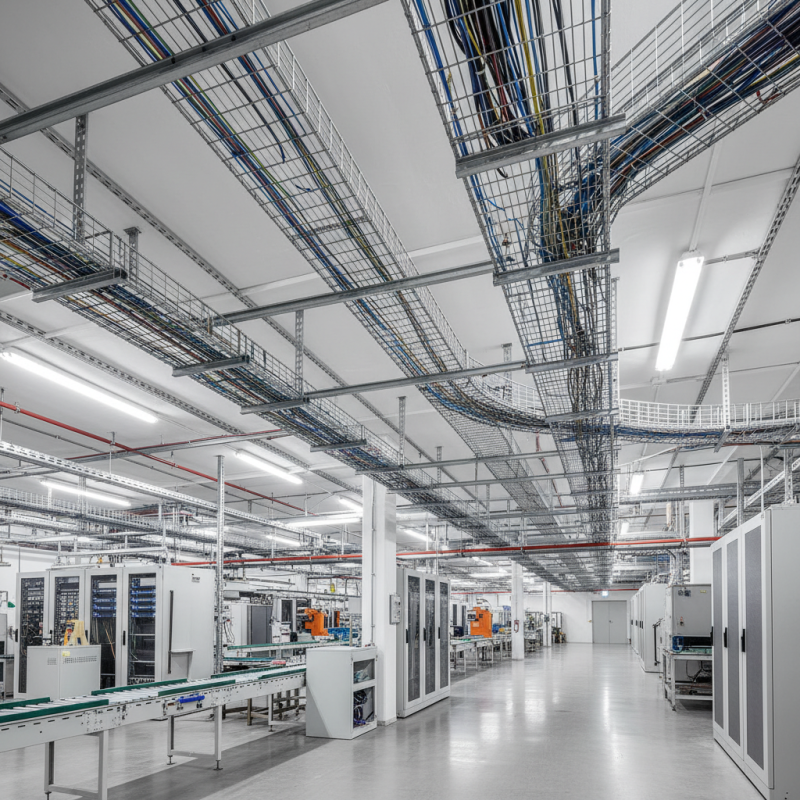
Wire mesh cable trays are essential for effective cable management in various industries. These trays support electrical and communication cables, allowing for easy installation and maintenance. They are particularly suited for industrial settings. Such environments often see a high volume of cables that need to be organized and secured. According to industry reports, wire mesh cable trays can significantly reduce installation time by up to 50%, compared to traditional solid bottom trays.
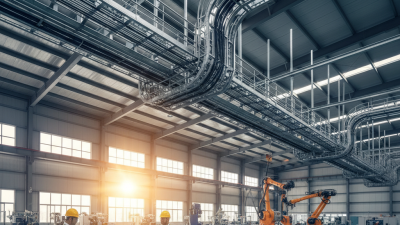
Common applications include commercial buildings, data centers, and manufacturing facilities. In data centers, wire mesh trays promote airflow, helping to keep cables cool. This is crucial because overheating can lead to system failures. Moreover, manufacturers appreciate the cost-effectiveness of wire mesh trays. The open design allows for flexible configurations, adapting to the changing demands of installation.
**Tip:** Consider the weight load when selecting a tray type. Some mesh trays can support heavier cables, but it’s essential to check specifications. In large-scale installations, planning the layout beforehand can save time. Always think about future cable additions; flexibility is key in modern installations. Regular inspections of the trays can prevent safety hazards.
Installation Methods for Wire Mesh Cable Trays
When installing wire mesh cable trays, proper techniques ensure safety and functionality. Start by selecting an appropriate location that is free from obstruction. Carefully measure and mark where the trays will be installed. Use sturdy mounting brackets to secure the trays in place. These brackets should be spaced according to the manufacturer’s recommendations. Correct spacing can prevent sagging and enhance load capacity.
It is crucial to check for levelness during the installation. An uneven tray can lead to wire wear and tear over time. After securing the brackets and trays, inspect the entire assembly for stability. Regular maintenance checks are essential. They help identify any wear or loose fittings.
In some cases, installers may overlook the importance of clear cable pathways. If cables are tangled or excessively tight, this can lead to operational issues. It is advisable to follow best practices for cable management. This includes ensuring ample space for heat dissipation and future expansion. Reflecting on these details can improve the lifespan and efficiency of the entire system.
Benefits of Using Wire Mesh Cable Trays in Electrical Systems
Wire mesh cable trays are becoming increasingly popular in electrical systems. They offer several advantages that enhance efficiency and safety. One key benefit is improved airflow. The open design of wire mesh allows heat to dissipate quickly, reducing the risk of overheating in complex cabling systems. This openness also makes maintenance easier. Technicians can inspect and access cables without removing cumbersome enclosures.
Another significant advantage is weight reduction. Wire mesh trays are lighter than traditional solid trays, making installation faster and more manageable. Their design supports various cable types, adapting easily to different configurations. However, in some cases, they may not provide sufficient protection against external elements. Evaluating the installation environment is crucial to ensure the right choice is made.
Cost-effectiveness is another reason for their popularity. Wire mesh trays often come at a lower initial cost compared to alternatives. This affordability makes them attractive for both large-scale and small projects. Still, users need to consider their specific requirements. While wire mesh trays are versatile, they may not be suitable for every application. Implementing the right system can optimize cable management and enhance overall system performance.