Top 10 Benefits of Using Stainless Cable Tray in China Industry?
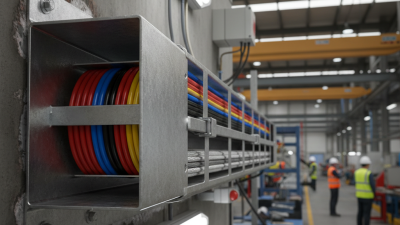
In the rapidly growing industrial landscape of China, the demand for robust infrastructure solutions has never been higher. Stainless Cable Tray systems are gaining traction due to their durability and resistance to various environmental factors. According to industry reports, the market for cable management systems, including stainless options, is projected to grow at a CAGR of over 8% in the next five years.
Investing in Stainless Cable Tray offers multiple advantages. These trays are lightweight, yet incredibly strong, making them ideal for heavy-duty applications. Additionally, their corrosion resistance ensures longevity, reducing replacement costs. In sectors such as petrochemicals and construction, where safety is paramount, stainless trays provide peace of mind. However, the initial investment can be higher than traditional materials.
It's essential to weigh these factors carefully. The choice of material impacts not only the budget but also the overall safety and efficiency of operations. By understanding both the benefits and potential drawbacks, industries can make informed decisions about their infrastructure needs. Embracing Stainless Cable Tray can enhance productivity while aligning with sustainability goals for the future.
Advantages of Stainless Cable Tray in Industrial Applications
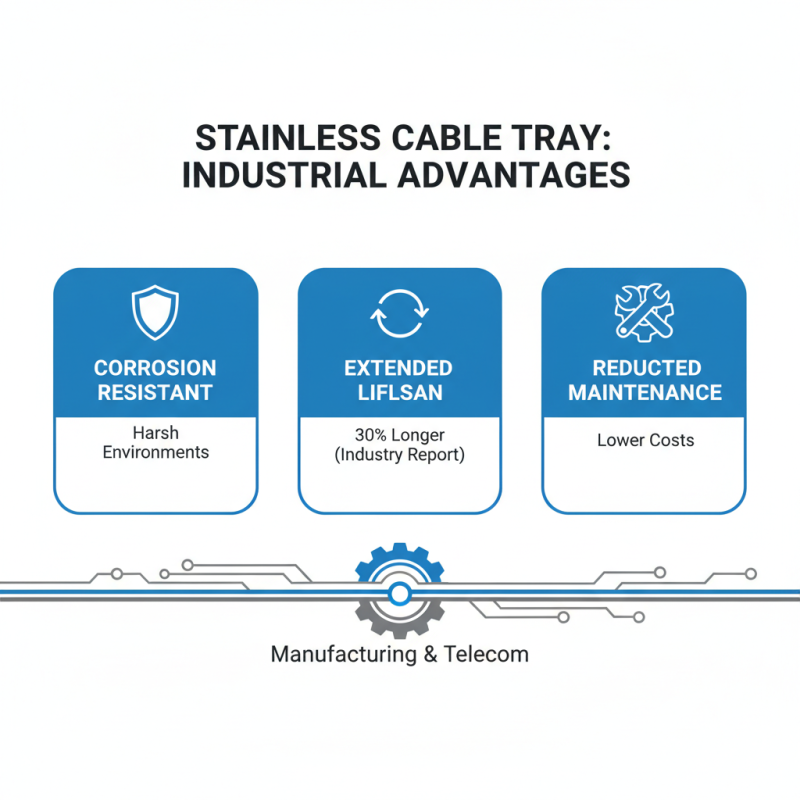
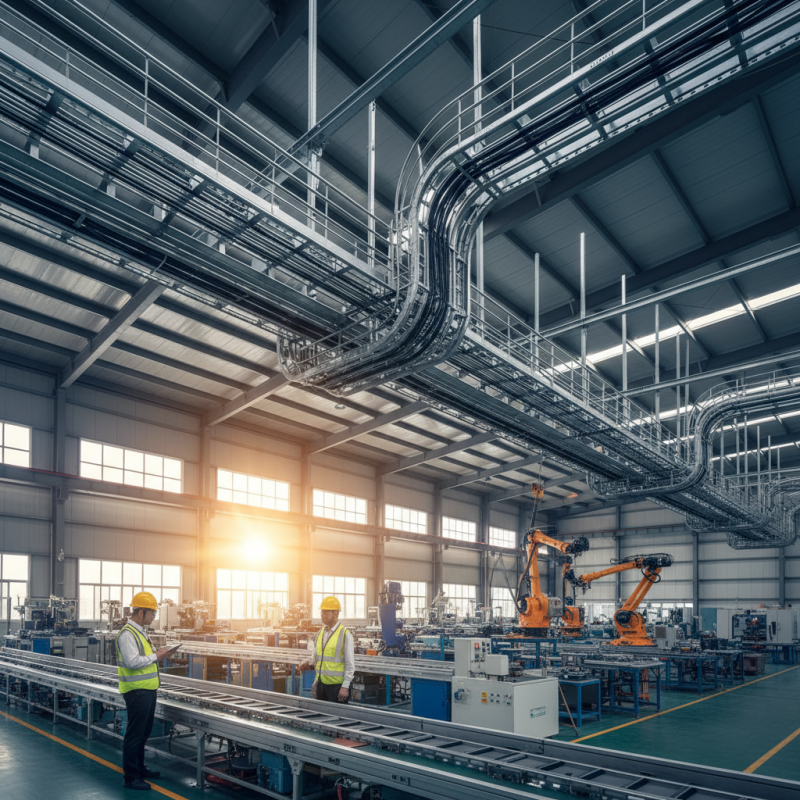
Stainless cable trays offer significant advantages in industrial applications, especially in sectors such as manufacturing and telecommunications. One key benefit is their resistance to corrosion. Industries often face harsh environments where humidity and chemical exposure are common. Stainless steel cable trays can withstand these conditions, leading to longer service life and reduced maintenance costs. According to a recent industry report, the use of stainless steel materials increases lifespan by 30% compared to traditional options.
Moreover, the ability to support heavier loads is crucial in many settings. Stainless cable trays can accommodate larger volumes of cables without compromising safety or reliability. This is critical in facilities that require frequent upgrades or expansions. A study indicated that stainless steel trays can handle up to 25% more weight than standard varieties, making them a sound investment for growing industries.
In addition, stainless cable trays provide improved hygienic properties, especially in food processing and pharmaceutical sectors. They can be cleaned easily and do not harbor bacteria, which is essential for maintaining compliance with health regulations. However, businesses need to consider the initial cost of installation, as stainless options can be pricier upfront. Balancing these costs with long-term benefits requires careful assessment and planning.
Corrosion Resistance: A Key Factor in Durability
Corrosion resistance is a vital quality in the durability of stainless cable trays. In China's industrial landscape, various environments expose these trays to moisture, chemicals, and pollutants. Therefore, using stainless steel becomes essential to prevent degradation. The ability of stainless steel to resist rust and corrosion ensures longevity. This trait helps reduce maintenance costs and increases system reliability over time.
Many industries encounter challenges like humidity and harsh chemicals. These conditions can quickly deteriorate inferior materials, leading to costly repairs. Stainless cable trays, by contrast, maintain their integrity even in adverse situations. This durability is not just about longevity; it reflects the operational efficiency of facilities. When equipment functions without interruptions, productivity flourishes.
However, choosing the right stainless steel grade is critical. Not all stainless steel offers the same level of corrosion resistance. Understanding the specific needs of the environment is crucial. Companies may overlook this aspect, leading to poor material choices. It's important to conduct thorough evaluations to ensure the best fit for each unique application.
Cost-Effectiveness Over the Lifecycle of Cable Trays
When considering cable trays for industrial applications, stainless steel options stand out. Their cost-effectiveness is significant over the product's lifecycle. Initial investments may seem higher than other materials. However, the durability of stainless steel reduces long-term expenses. This includes savings on maintenance and replacement costs.
Stainless cable trays resist corrosion and environmental damage. This means less frequent replacements, which translates to lower costs later. Industries often overlook the importance of long-term savings. Choosing a material solely based on initial price can lead to higher expenses over time. Stainless steel, while pricier upfront, can offer substantial profit margins in the long run.
In some cases, companies may hesitate to adopt stainless trays due to perceived complexity. However, the ease of installation and flexibility often counterbalance this. Additionally, the recyclable nature of stainless steel contributes to sustainability efforts. Investing in this material can yield overall economic and environmental benefits. Regular assessments of material choices can refine practices and enhance profitability.
Top 10 Benefits of Using Stainless Cable Tray in China Industry
Enhanced Safety Features of Stainless Steel Cable Trays
Stainless steel cable trays provide enhanced safety features that benefit various industries in China. These trays are non-combustible and resistant to corrosion, which helps in preventing electrical hazards. According to recent industry reports, the use of stainless steel in cable management systems can reduce fire incidents by up to 30%. This significant reduction contributes to a safer work environment.
In addition, stainless steel trays have smooth edges and durable designs, minimizing the risk of injury during installation and maintenance. The National Fire Protection Association (NFPA) suggests that over 50% of electrical accidents stem from poor cable management. By using stainless trays, companies can create an organized layout that reduces the chance of accidents.
Furthermore, stainless steel offers a longer lifespan compared to alternatives, which translates to lower replacement costs and enhanced reliability over time.
However, it is essential to consider the initial investment in stainless steel cable trays. While they may be pricier upfront, their long-term benefits often outweigh these costs. Proper training in installation and maintenance remains critical. Though many advantages exist, industry managers must regularly assess their systems to ensure optimal performance and safety.
Environmental Impact and Sustainability of Using Stainless Steel
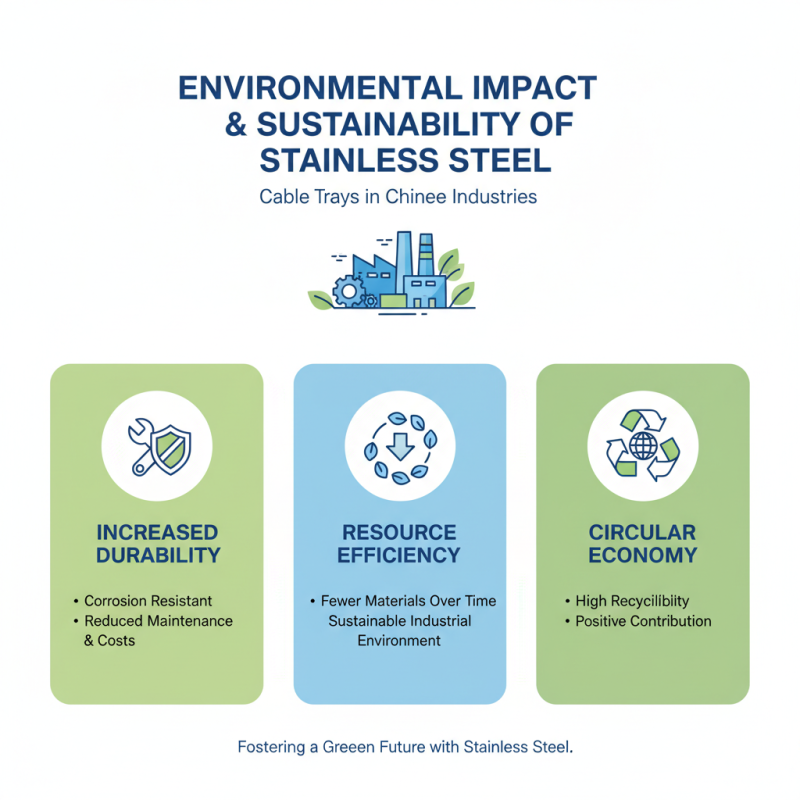
Stainless steel cable trays are gaining traction in various industries across China. Their durability and resistance to corrosion significantly reduce maintenance efforts and costs. This leads to fewer resources used over time, fostering a more sustainable industrial environment. Moreover, stainless steel's recyclability contributes positively to circular economies.
When considering environmental impact, stainless steel's longevity directly ties to reduced waste. It can last for decades without replacement, offering a robust solution for industrial applications. However, the production process does raise concerns. Energy consumption during manufacturing can be significant, prompting industries to seek ways to minimize this impact.
Tips: Choose manufacturers committed to sustainability. Evaluate their recycling programs and energy sources. Explore options to integrate stainless steel in renewable energy projects, enhancing overall energy efficiency. Always consider the lifecycle assessment to understand the full environmental footprint. By making informed choices, industries can significantly contribute to a greener future.