How to Choose the Right Molded Cable Tray for Your Project?
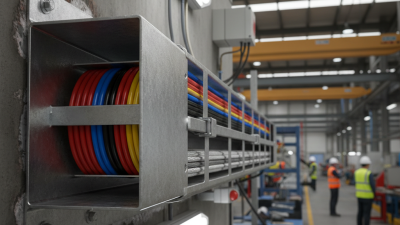
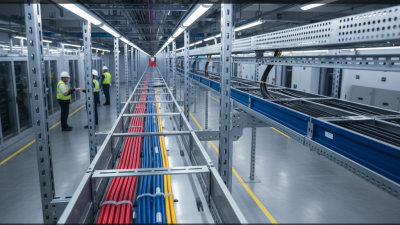
Choosing the right Molded Cable Tray for your project can significantly impact efficiency and safety. These trays, designed to support and protect cables, come in various materials and configurations. Understanding your project's specific needs is crucial for selecting the ideal option.
Molded Cable Tray systems provide a reliable solution for cable management. They help prevent damage to wires and minimize hazards. However, choosing the wrong tray can lead to costly project delays and safety concerns. It's essential to assess factors like load capacity, environmental conditions, and installation space. Exploring these factors helps you make informed decisions.
Often, projects face unique challenges that might not align with standard choices. Custom solutions may enhance functionality but can also lead to overspending if not carefully considered. Reflecting on your project requirements is vital in achieving the best outcome and ensuring a successful installation.
Understanding the Purpose and Benefits of Molded Cable Trays
Molded cable trays serve a crucial role in organizing and protecting electrical cables. They simplify installations and offer long-lasting durability. These trays are often crafted from materials like PVC or fiberglass, making them resistant to corrosion. This characteristic is essential in various environments, especially those with moisture or chemicals.
The benefits of using molded cable trays extend beyond protection. They can significantly reduce installation time and labor costs. Their lightweight design makes handling easier, and they often feature a modular setup, promoting flexibility during installation. However, one must consider the specific environment and load requirements before making a choice. Not all trays fit every project.
There are different styles of molded cable trays, including ladder, solid bottom, and ventilated types. Each serves a unique purpose. It’s important to reflect on the project’s demands, as choosing the wrong type can lead to performance issues down the line. Evaluating factors like cable size and weight capacity ensures the selected tray meets project needs and safety standards. Taking the time to research can save headaches and unnecessary expenses later.
Identifying the Key Factors for Selection of Molded Cable Trays
Choosing the right molded cable tray can significantly impact your project's efficiency. When selecting a tray, consider factors like material, design, and installation environment. Different materials, such as plastic or metal, can offer varying levels of durability and resistance to corrosion. For instance, metal trays are strong but may rust over time if exposed to moisture.
Another crucial factor is load capacity. Ensure the tray can support the weight of the cables without bending or warping. Overloading a tray isn't ideal, as it can lead to cable damage or even failures in electrical connections. Think about the types of cables you will be using. Some trays are better suited for power cables, while others are designed for data cables.
Additionally, the installation process matters. Evaluate the labor involved and the tools needed. A complicated installation may delay your project or increase costs unexpectedly. It’s also worth considering future scalability. If project demands change, will your chosen tray adapt to new needs? Reflecting on these aspects will lead to a more informed decision, ultimately benefiting the long-term performance of your system.
How to Choose the Right Molded Cable Tray for Your Project? - Identifying the Key Factors for Selection of Molded Cable Trays
| Factor |
Importance |
Material |
Load Capacity |
Environmental Conditions |
| Type of Installation |
High |
FRP |
Up to 600 lbs |
Indoor/Outdoor |
| Cable Type |
Medium |
PVC |
Up to 400 lbs |
Indoor |
| Bend Radius |
Medium |
Metal |
Up to 800 lbs |
Harsh Environments |
| Accessibility |
High |
Composite |
Up to 500 lbs |
Moderate |
| Cost |
Medium |
Galvanized Steel |
Up to 1000 lbs |
Indoor/Outdoor |
Evaluating Material Options for Molded Cable Trays
When selecting molded cable trays, material choice is crucial. Different materials offer unique benefits that can impact your project. For example, fiberglass-reinforced plastic (FRP) provides excellent corrosion resistance. It’s ideal for environments with moisture or chemicals. On the other hand, polyvinyl chloride (PVC) is lightweight and easy to handle. It is also resistant to flame and impact, making it suitable for various installations.
Consider the environmental conditions your trays will face. Metal trays may be strong but can corrode over time if exposed to water. In contrast, non-metal options like FRP or PVC are often more durable in harsh settings. Cost is also a factor; less expensive options might save money upfront but may not last as long.
Reflect on how much load the trays will carry. Overloading can lead to safety hazards and damage. Assess your project's specific needs. Gathering insights from experienced professionals can be helpful. Their expertise often reveals overlooked factors, leading to better material choices. Ultimately, choosing the right material requires careful evaluation and reflection, considering both immediate needs and long-term performance.
Comparing Different Designs and Configurations of Molded Cable Trays
When selecting molded cable trays, understanding the design and configuration options is crucial. Classic styles include ladder, channel, and solid bottom trays. Each design offers unique benefits tailored to specific project needs. For example, ladder trays provide ample ventilation, which is essential for heat dissipation. On the other hand, solid bottom trays may offer better protection against dust and moisture. Evaluate your project's environmental factors to make an informed choice.
Material is another important aspect. Molded cable trays can be made from fiberglass, polymer, or metal, each presenting advantages. Fiberglass trays resist corrosion and are lightweight, making them ideal for harsh environments. Metal trays, while sturdy, may require additional coatings for corrosion prevention. Consider the long-term performance and maintenance needs of each material.
Tips: Assess the load capacity of the trays. Check if they meet your specifications. Ensure installation access is convenient for future maintenance. Don't overlook the importance of proper grounding and bonding to ensure safety. Reflect on how the selected configuration can adapt to future changes in your infrastructure. This proactive thinking may save time and resources down the line.
Assessing Compliance with Industry Standards and Regulations
When selecting a molded cable tray, it is critical to consider industry standards and regulations. Compliance ensures safety and functionality in electrical installations.
Begin by familiarizing yourself with the National Electrical Code (NEC) and other relevant local guidelines. These documents outline standards for load-bearing capacity, fire resistance, and installation practices.
Evaluating compliance is not just about meeting existing regulations; it's also about future-proofing your project. As technology evolves, so do the requirements.
Manufacturers may claim adherence to standards, but verifying this through certifications can build confidence in your choice. Requests for documentation during the selection process may not seem essential but can prevent costly adjustments later.
Balance functionality with aesthetics. While a compliant tray is crucial, consider its visual impact on your environment.
This factor can influence user perception and acceptance. Keep in mind that even with the best standards in place, unforeseen issues can arise. Reflect on past projects to identify potential pitfalls. Every detail matters, and a careful choice can make a significant difference in overall project success.