What is a Cable Tray Bracket and How to Choose the Right One?
When it comes to electrical installations, the Cable Tray Bracket plays a vital role. These brackets support cable trays, ensuring safe and organized installation. Choosing the right bracket is crucial for maintaining the efficiency and reliability of electrical systems. Using the wrong type can lead to serious safety hazards.
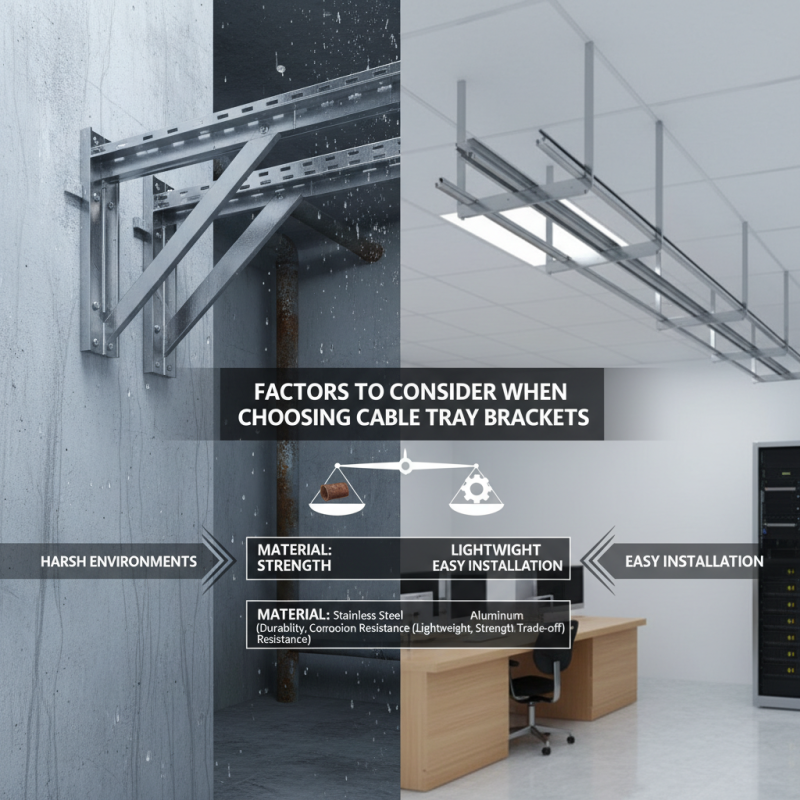
Selecting a Cable Tray Bracket requires careful consideration. Factors like material, size, and load capacity must align with your project's specific needs. Common materials include steel and aluminum, each offering unique benefits. A robust bracket can prevent sagging and cable damage over time, promoting overall system longevity.
However, not all installations are the same. Sometimes, the available options can be overwhelming, leading to potential errors in selection. Evaluating your project's requirements thoroughly is essential. The right choice not only supports cables but also instills confidence in safety and performance. Remember, reflection on past choices can guide better decisions today.
What is a Cable Tray Bracket?
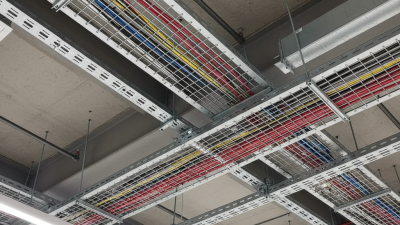
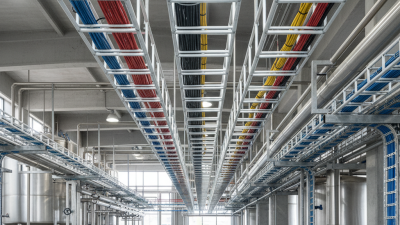
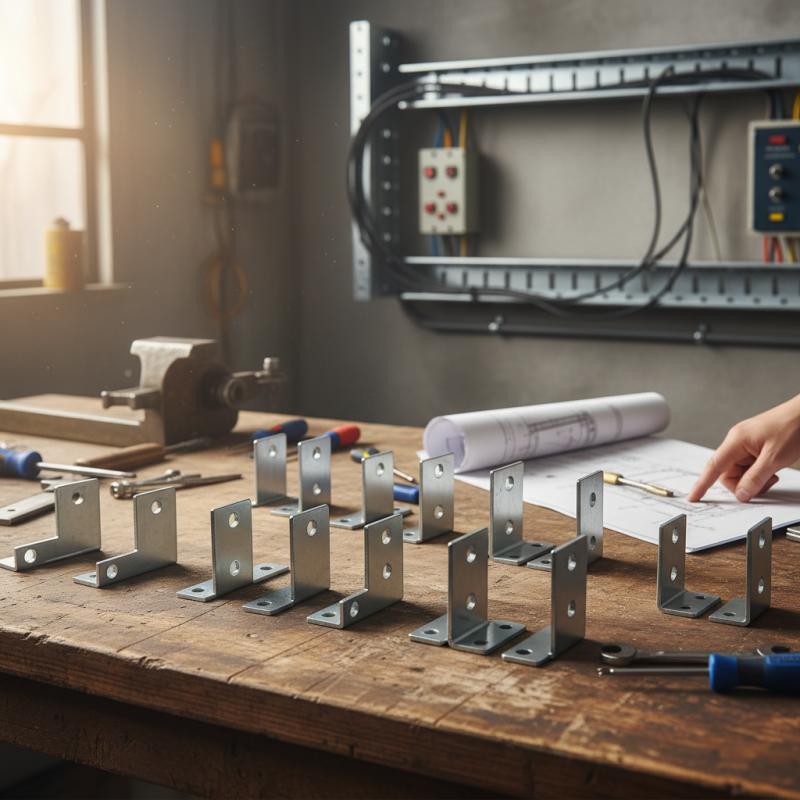
A cable tray bracket is a critical component in electrical installations. It supports cable trays and ensures they remain securely attached to walls or ceilings. These brackets help organize cables, reduce clutter, and improve safety. Made from sturdy materials, they can withstand significant weight. The right bracket offers stability and prevents damage to cables.
When selecting a cable tray bracket, consider the load it needs to bear. The dimensions of the tray and the weight of the cables matter. Look for features like adjustable installation options. This flexibility can enhance the bracket's usability in different settings. Installation methods also vary, and understanding them can aid in choosing the right type for your project.
Installation can be tricky if proper measurements aren't taken. Misalignment may lead to future problems. It's crucial to assess space requirements before installation. Some brackets might not fit well in confined spaces. Regular inspection of brackets ensures they remain secure and effective. A well-chosen bracket contributes to a safer wiring system.
Types of Cable Tray Brackets and Their Applications
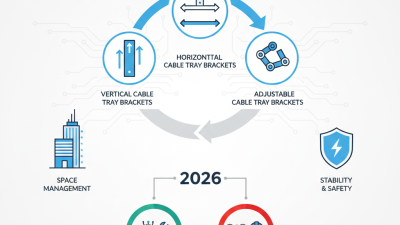
Cable tray brackets play a crucial role in supporting cable management systems. These brackets come in various types, each designed for specific applications. Common types include support brackets, corner brackets, and nesting brackets, tailored to optimize space and enhance safety in electrical installations.
Support brackets are widely used for their straightforward design. They can hold significant weight and provide stable support in horizontal installations. Corner brackets, on the other hand, efficiently manage changes in direction. They are essential for guiding cables around obstacles. Nesting brackets maximize space utilization by allowing multiple trays to be placed in a confined area.
Choosing the right bracket involves multiple considerations. Pay attention to the weight capacity. According to industry data, about 30% of cable management failures stem from improper bracket selection. Ensure the bracket material matches the environment—galvanized steel is ideal for corrosive areas.
Tips: Always check load ratings. Test each bracket's strength before installation. Ensure proper spacing for weight distribution. This can prevent unforeseen issues later. An effective cable tray system will contribute to both safety and efficiency in your project.
Installation Tips for Cable Tray Brackets
When installing cable tray brackets, attention to detail is crucial for both safety and efficiency. Proper alignment and spacing are vital to avoid cable strain. In fact, studies show that improper installation can lead to a 20% increase in maintenance costs. According to a 2021 industry report, 75% of electrical faults are linked to poor cable management. Ensuring brackets are securely anchored is essential.
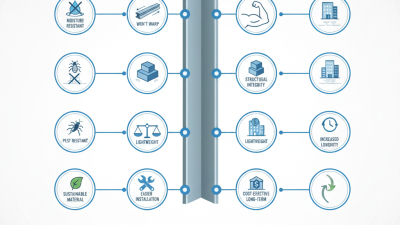
Choosing the right size is also important. Brackets should match the cable tray's dimensions and load capacity. An analysis of data from multiple electrical installations revealed that mismatched brackets can lead to premature failure. Choosing materials like galvanized steel or aluminum enhances durability. These options resist corrosion, adding to the system’s longevity.
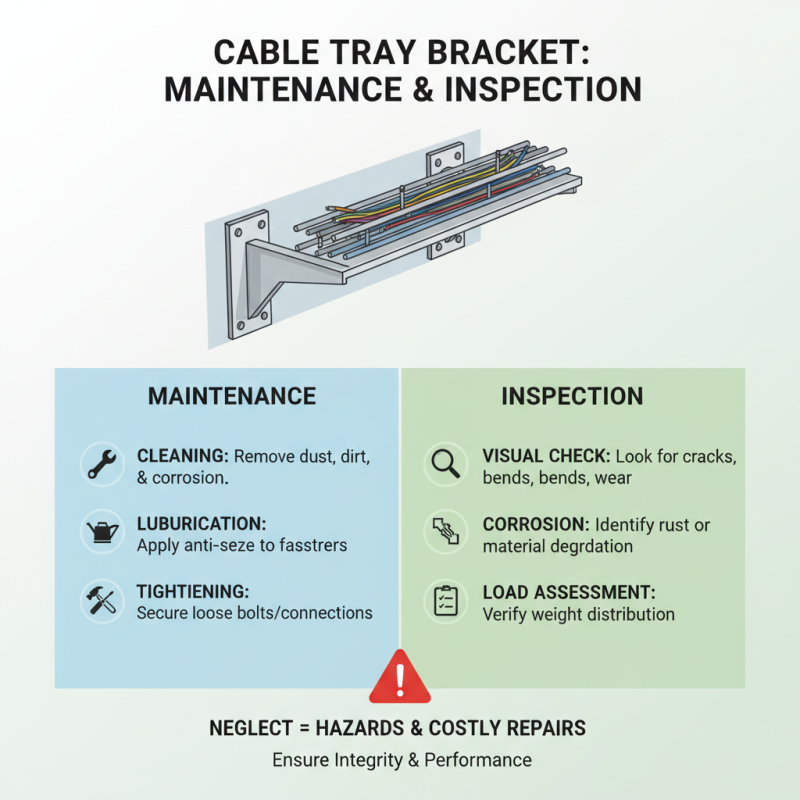
Lastly, consideration of environmental factors is necessary. For example, areas with high humidity may require additional protection. Regular inspections and maintenance can catch issues early. An overlooked crack or bent bracket can lead to expensive repairs later on. Even a small oversight in the planning stage can have lasting effects on the entire installation.