





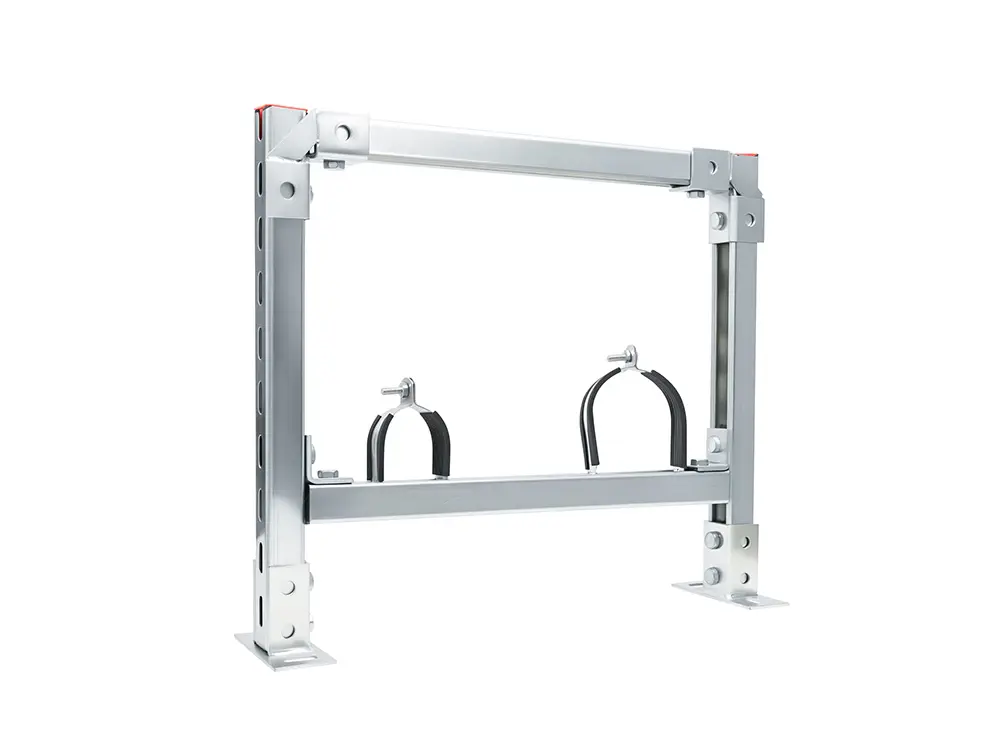
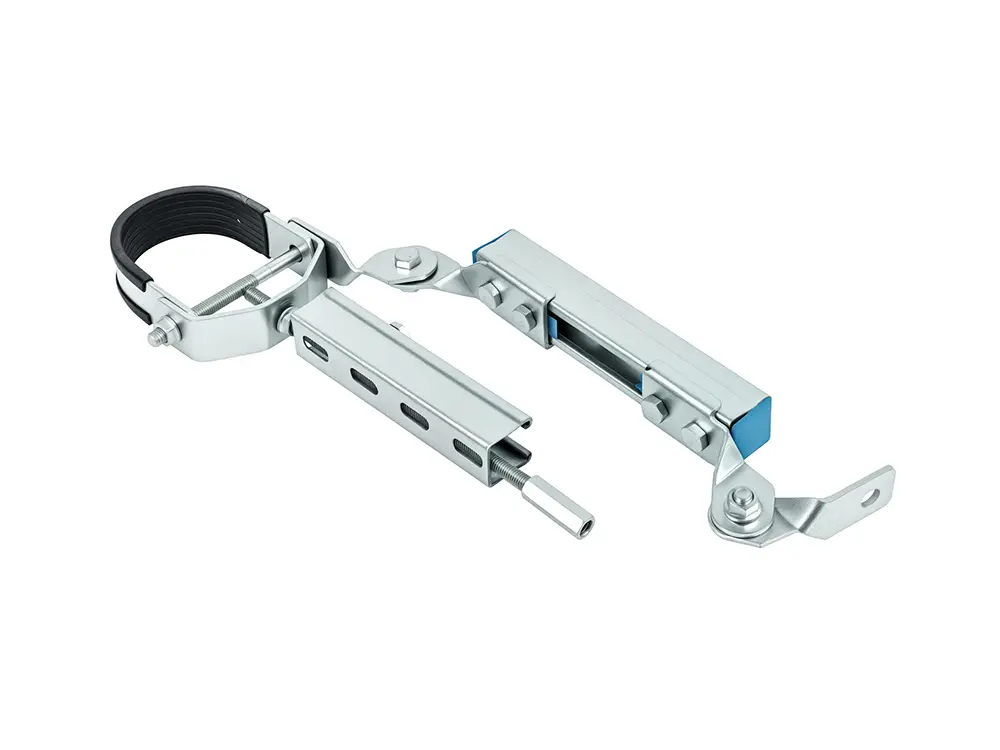
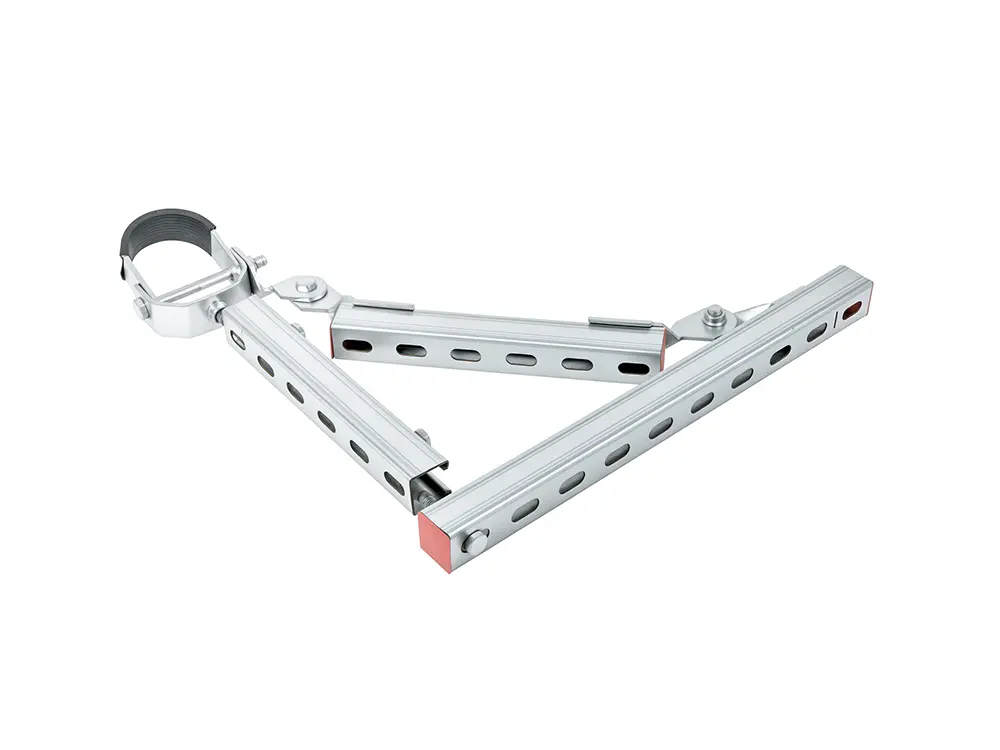
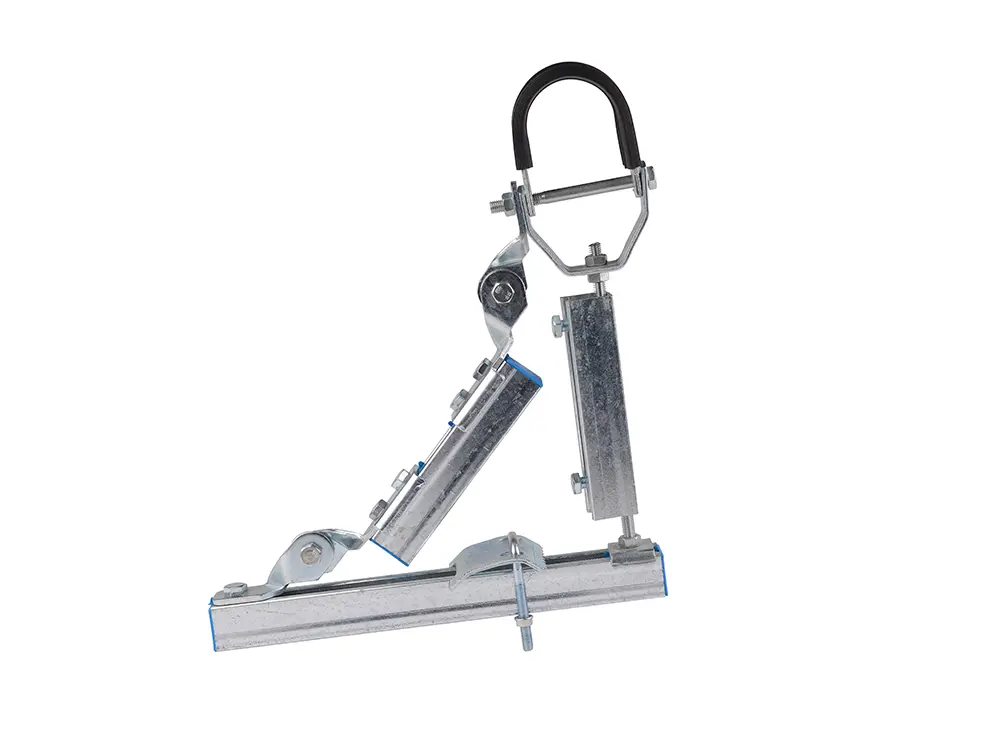
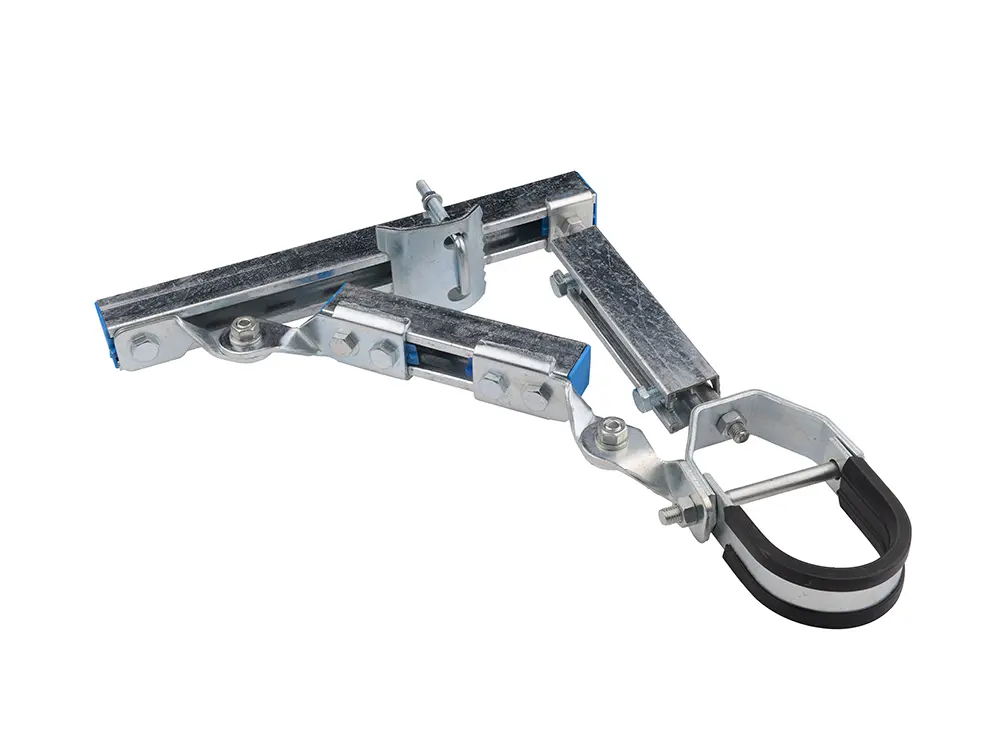
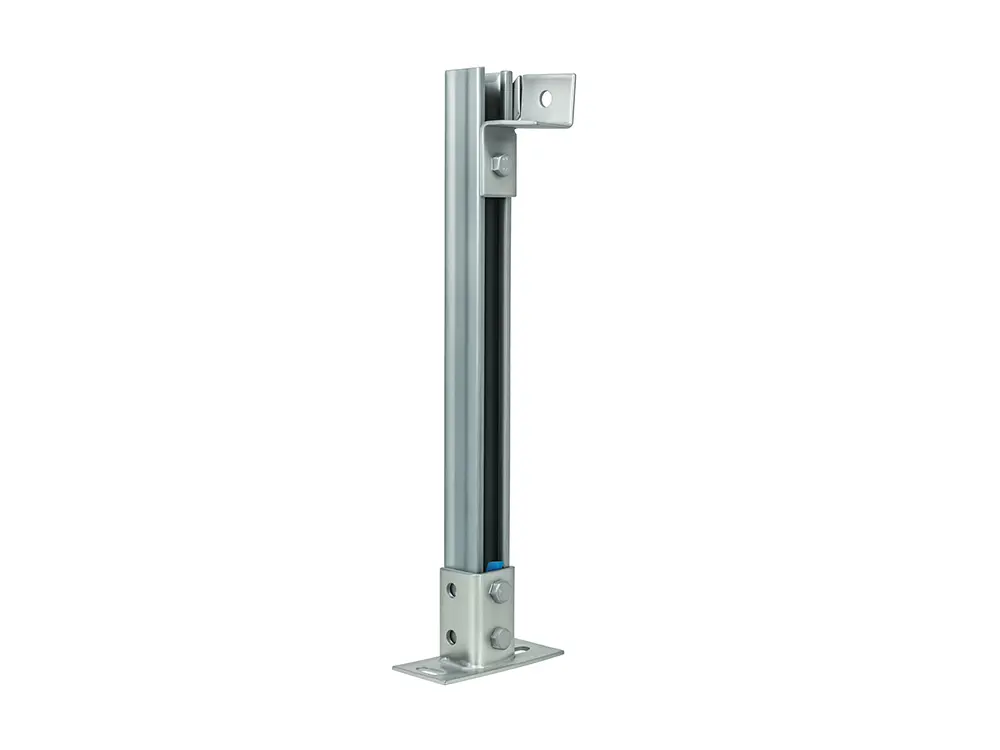
Seismic Resistant Bracket acesssories
Parameter
| Brand | Qiongkai |
| Model tag | CC |
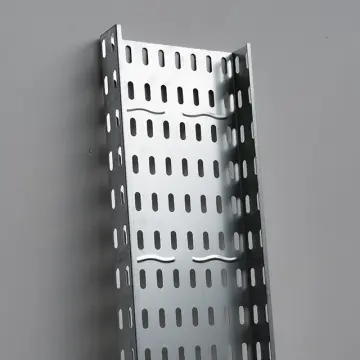
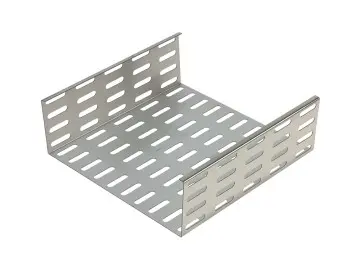
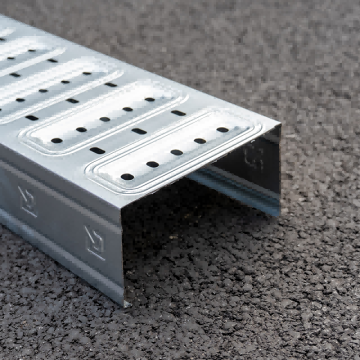
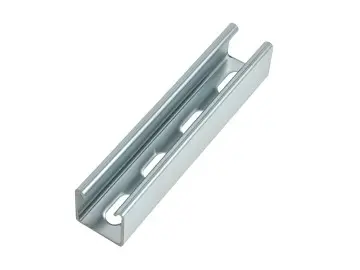
| Product name | C-shaped steel |
| Material | steel/alloy/stainless |
| Origin | Shanghai |
| Perforated design | Customizable |
| Surface treatment | Galvanized/HDG/Powder coated |
| color | Silver/Black/powder coated design |
| Finish | Raw/HDG/Powder coated |
| Thickness | 0.8-2.5mm |
| Width | 41mm |
| Height | 21mm/41mm/52mm/62mm/82mm |
| Length | 3m-9m |
| yield strength | 391Mpa |
| tensile strength | 484Mpa |
| Certificates | CE/ISO |
| ODM | √ |
| OEM | √ |
Shipping and Delivery Info
| MOQ | 50 |
| Insurance | Customizable |
| Loading Port | Shanghai, Tianjin |
| Selling Units | Meters/Pieces |
| Single Gross Weight | 1.6KG |
| Production Capacity | 10000-40000meters depend on product |
| payment terms | T/T,L/C,western union |
| Price Terms | EXW,FOB,CIF,CFR |
| Delivery Time | 25 |
| After-sales | Online technical support |
| Free Sample | √ |
Material and Composition
Seismic-resistant brackets are made from materials selected for their strength, flexibility, and corrosion resistance. The primary materials used in the composition of seismic-resistant brackets include:
Steel: Most seismic brackets are made of high-strength steel or stainless steel, which provides excellent resistance to bending, shear, and tensile forces. Steel’s inherent durability and strength make it ideal for withstanding the forces generated during an earthquake.
Galvanized Coatings: To improve corrosion resistance, many seismic brackets undergo galvanization, either through hot-dip or electro-galvanizing processes. The galvanized layer prevents rust and degradation, especially in harsh environmental conditions like damp basements, industrial plants, or outdoor installations.
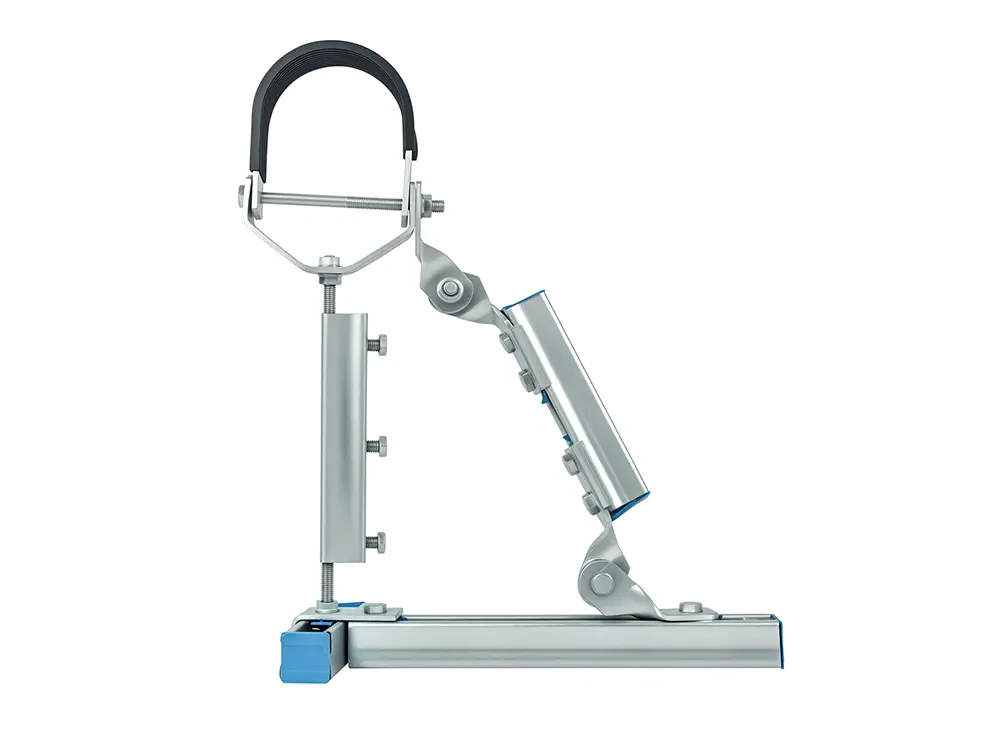
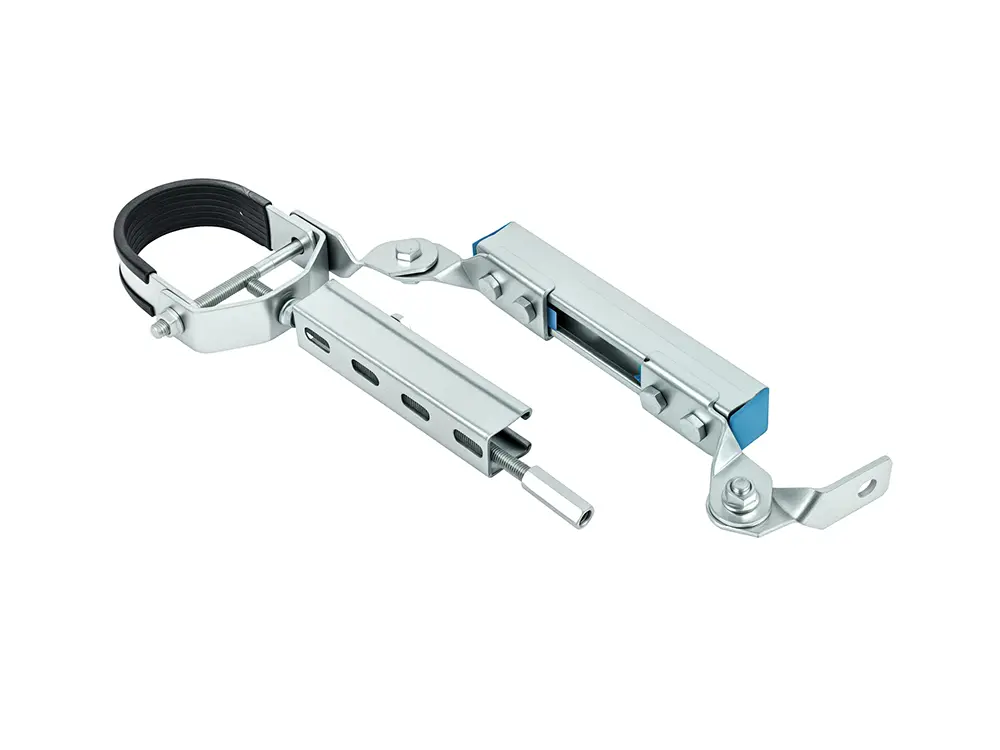
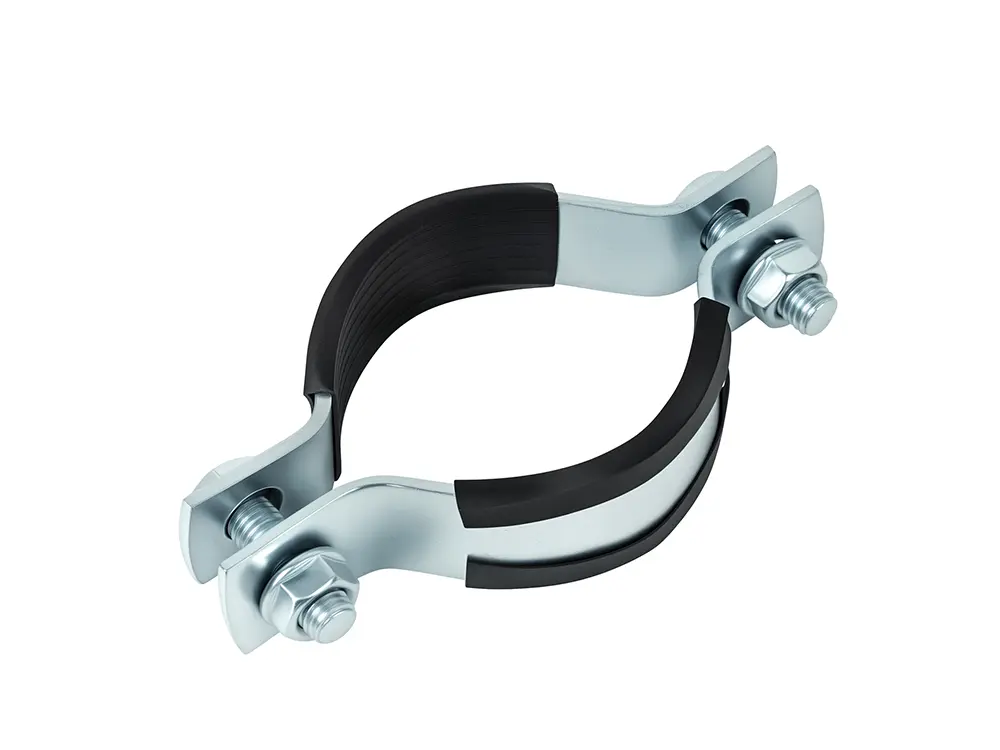
Other Components: In some cases, seismic brackets may include additional materials such as rubber or elastomeric pads for vibration isolation and shock absorption. These materials help further dampen the seismic forces, providing an additional layer of protection for sensitive systems.
Characteristics
The key characteristics that make seismic-resistant brackets suitable for their intended purpose include:
Strength and Durability: Seismic-resistant brackets are engineered from high-strength materials such as steel, ensuring they can withstand significant seismic forces. Their robust design ensures that they will not fail under the intense dynamic pressures generated during an earthquake.
Vibration Dampening: Many seismic brackets incorporate vibration isolation features, such as rubber or elastomeric pads, to absorb and reduce the transmission of seismic energy. This dampening action prevents damage to the systems being supported and minimizes the impact of the earthquake on the building structure.
Corrosion Resistance: Galvanized or made of stainless steel, seismic-resistant brackets are highly resistant to corrosion. This is essential in ensuring their long-term performance, particularly in environments exposed to moisture, chemicals, or other corrosive agents.
Flexibility: Seismic brackets are designed to allow for thermal expansion and contraction without compromising the structural integrity of the system. This flexibility ensures that pipes and cables, for example, can expand and contract naturally without being restricted by the bracket, preventing damage or failure.
Easy Installation: Seismic brackets are often designed with pre-drilled holes or adjustable features that simplify the installation process. This ease of installation reduces labor costs and construction time, contributing to the efficiency of the overall project.
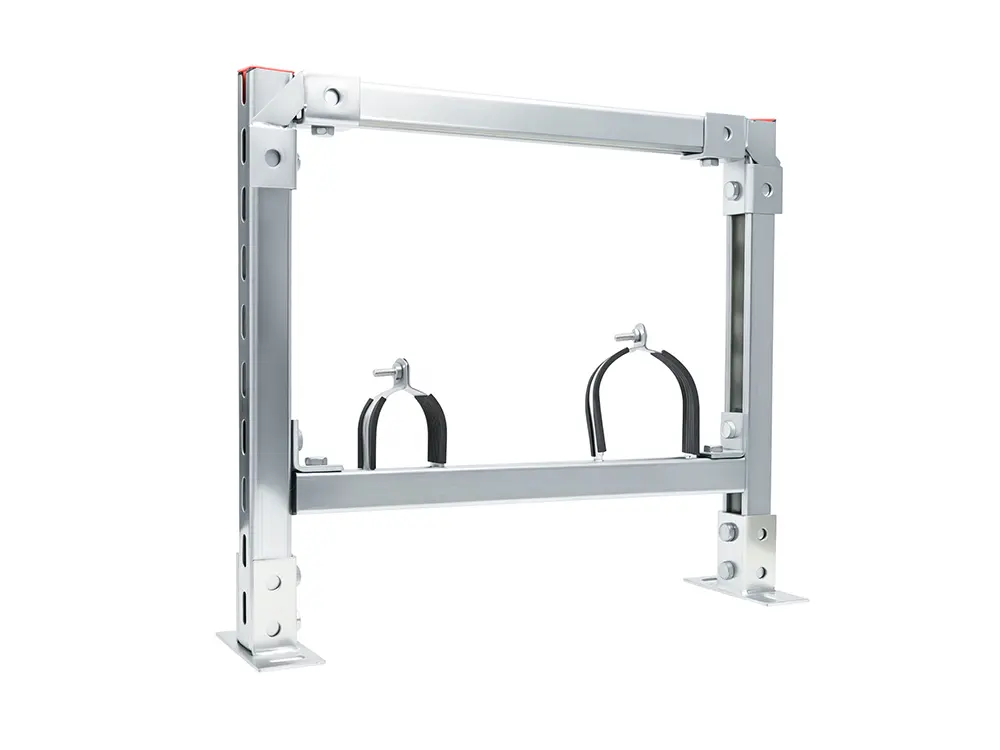
Application Scenarios
Seismic-resistant brackets are used in a variety of applications, particularly in buildings and infrastructure projects in regions prone to seismic activity. Some key application fields include:
Construction: Seismic-resistant brackets are crucial in buildings, both residential and commercial, to protect essential services such as plumbing, HVAC systems, electrical cables, and fire suppression systems. These brackets ensure that these systems remain intact during an earthquake, minimizing the risk of system failures or secondary damage.
Industrial Plants: In industrial facilities, seismic-resistant brackets support critical infrastructure such as pipes, valves, tanks, and electrical equipment. These facilities often contain hazardous materials or sensitive equipment that must be protected during seismic events to prevent operational disruption or environmental harm.
Power and Utilities: Seismic-resistant brackets are widely used in power plants, substations, and utility installations to secure electrical cables, conduits, and control systems. These systems must remain operational even during a seismic event, and the brackets help protect these installations from earthquake-induced displacement.
Transportation Infrastructure: Seismic brackets are also used in transportation projects, such as bridges and tunnels, to secure essential infrastructure like communication cables, signal systems, and pipelines. Ensuring the stability of these systems during an earthquake is critical to maintaining the safety and functionality of transportation networks.
Production Process
The production process of seismic resistant brackets involves several key stages to ensure that the final product meets stringent quality standards and performance requirements:
Material Selection: High-strength steel or stainless steel is selected based on the project's specific requirements. Galvanization is often applied to enhance corrosion resistance.
Cutting and Forming: The raw steel is cut and formed into the required shape and size using advanced machinery. This includes cold-forming processes or bending operations that shape the steel into brackets with the desired dimensions.
Welding and Assembly: In some cases, seismic brackets may need to be welded or assembled from multiple parts. This step ensures that all components are securely joined to provide maximum strength and durability.
Surface Treatment: The galvanized layer is applied using hot-dip or electro-galvanizing methods to protect the brackets from corrosion. This treatment increases the brackets' lifespan, ensuring they remain functional even in harsh environmental conditions.
Inspection and Testing: Each seismic-resistant bracket undergoes rigorous quality control inspections to ensure it meets the necessary performance standards. Testing for strength, load-bearing capacity, and vibration dampening is conducted to ensure the brackets will perform as expected in seismic conditions.
Packaging and Delivery: After passing inspection, the brackets are packaged according to specifications and prepared for delivery. The packaging ensures that the brackets are protected during transport and remain in good condition until they reach the installation site.