







Will stainless steel cable trays rust?
As stainless steel continues to be a popular choice for Cable Trays due to its corrosion resistance and durability, selecting the right material can still be a challenge for many consumers. With a wide variety of grades and alloys available in the market, understanding the differences and their implications on performance is crucial. Shanghai Qiongkai Industry Co., Ltd., a leading provider of metal building materials, has compiled a comprehensive guide to help consumers make the right choice when purchasing stainless steel cable trays and accessories.
Key Stainless Steel Grades for Cable Trays
Stainless steel is typically classified into three major categories: 200 series, 300 series, and 400 series. The 300 series, which includes popular grades like 304, 304L, and 316, is the most widely used and produced type in the industry. These grades offer varying levels of corrosion resistance and are suited for different environments. For example, 304 stainless steel is commonly used in cable trays due to its high chromium (18-20%) and nickel (8-10%) content, providing strong resistance to rust and general corrosion. In contrast, the 316 grade offers even better corrosion resistance, especially in harsh, saltwater environments, due to the addition of molybdenum.
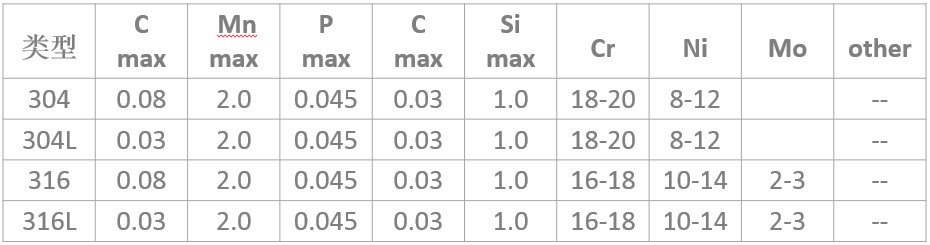
Table 1 : Chromium and nickel content of stainless steel.
The Impact of Material Composition
The composition of stainless steel significantly influences its performance. The higher the chromium and nickel content, the better the material's resistance to corrosion. For example, 304 stainless steel typically performs well in most indoor environments. However, in coastal or humid areas, where exposure to moisture and salt is higher, 316 stainless steel is a better option. Qiongkai recommends selecting the right material based on the environment in which the cable tray will be installed to ensure long-lasting durability.
Environmental Conditions and Their Effect on Stainless Steel
While stainless steel is known for its ability to resist rust, its performance can be influenced by external factors such as climate and humidity. In dry, well-ventilated areas, even lower grades of stainless steel, like 304, tend to perform adequately. However, in environments with high humidity, continuous rain, or exposure to acid or alkali, even the best-quality stainless steel, such as 304, can show signs of corrosion. For these conditions, opting for 316 stainless steel, with enhanced resistance to such corrosive factors, may be necessary.
How to Identify Quality Stainless Steel
Qiongkai also emphasizes the importance of quality control when selecting stainless steel cable trays. There are several ways to assess the quality of stainless steel before purchasing:
Magnetic Test: The material should not be magnetic. If it attracts a magnet, it may be a ferritic steel, like 430, which lacks the corrosion resistance of austenitic steels like 304 or 316.
Chemical Reagents: Apply a special nickel qualitative reagent on stainless steel. When power is on, if it turns light white or yellow, the steel may contain no nickel. If it turns light rose red and fades to dark yellow, it contains about 1%-2% nickel. If it remains rose red, the steel contains more than 4% nickel, with the intensity of the red indicating a higher nickel content.
Spectrum: Spectroscopy can qualitatively distinguish the types of elements in steel and the approximate level of their content using a desktop spectrometer or a spectrum gun.
Spark Test: Grinding the steel and observing the spark pattern can help identify the alloy's composition. High manganese content in 200 series steel produces a distinct spark pattern.
Surface Finish: The appearance of the stainless steel surface can also be indicative of its grade. For instance, 300 series stainless steel typically has a smooth, shiny surface, while 400 series steel may appear more matte.
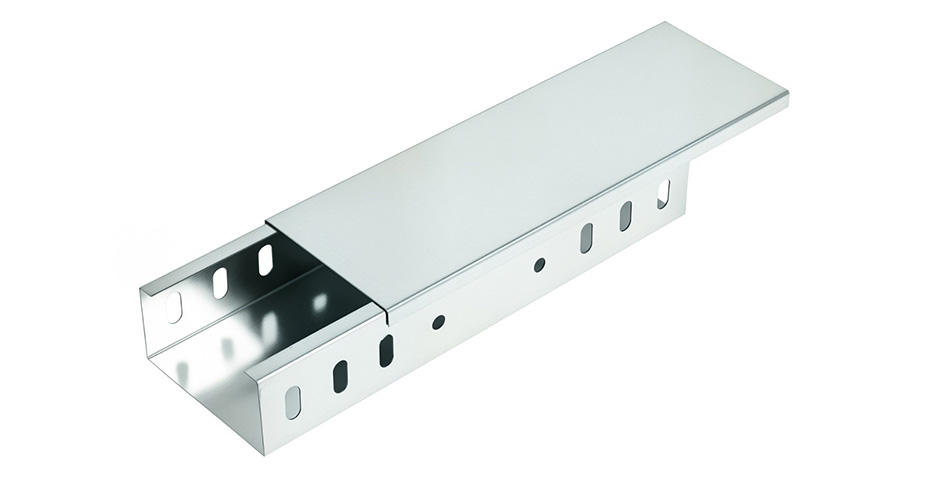
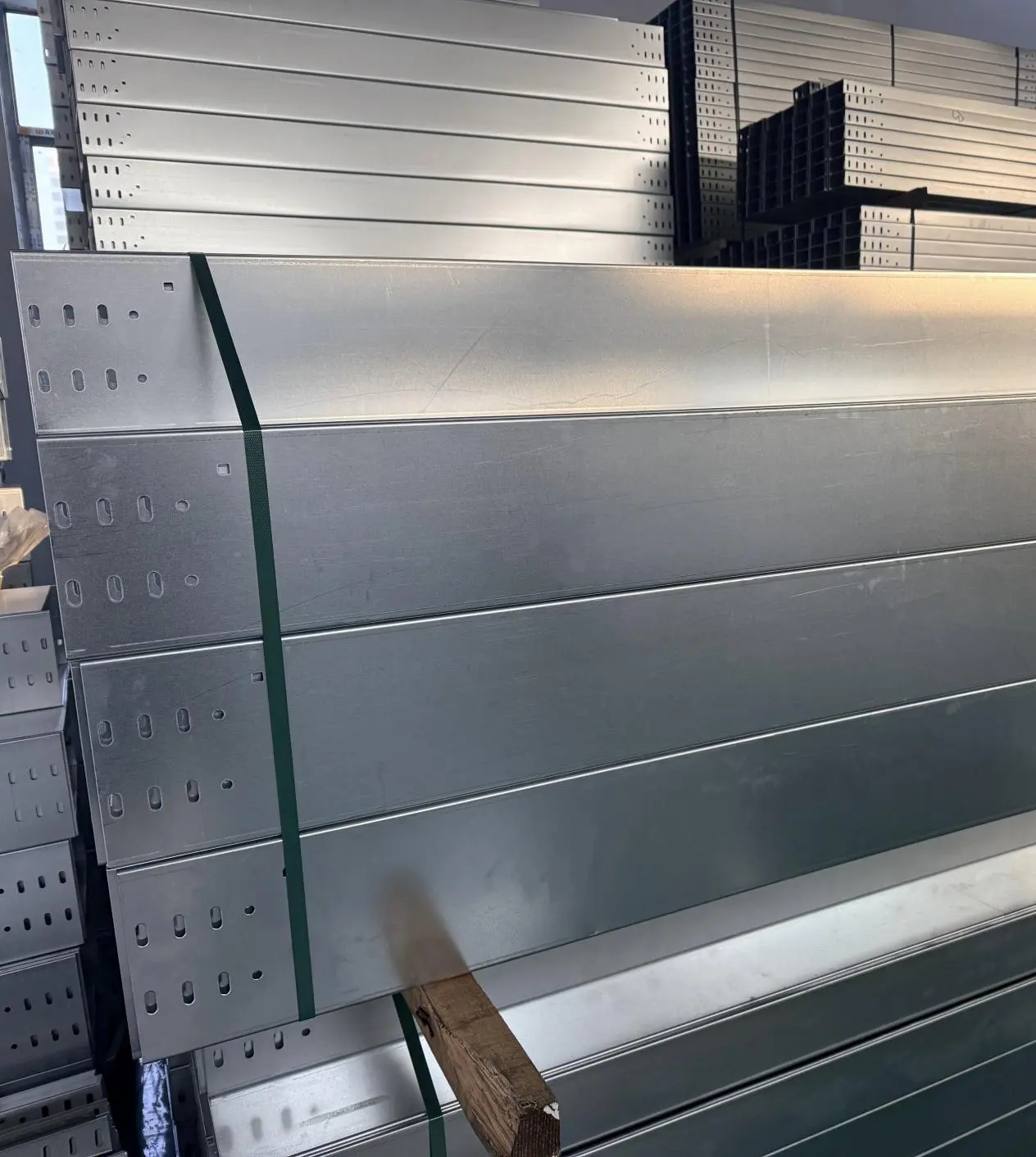
Image 1 : A common through cable tray made of Stainless Steel with perfortable design.
Conclusion
Choosing the right stainless steel for cable trays is essential to ensure long-term performance, especially in environments with high humidity or corrosive elements. Qiongkai's expert guide helps consumers understand the differences between various grades of stainless steel, allowing them to make informed decisions that will enhance the durability and longevity of their cable management systems. With a wide range of stainless steel options, including 304 and 316 grades, Qiongkai remains committed to providing high-quality, durable solutions for industries across the globe.