





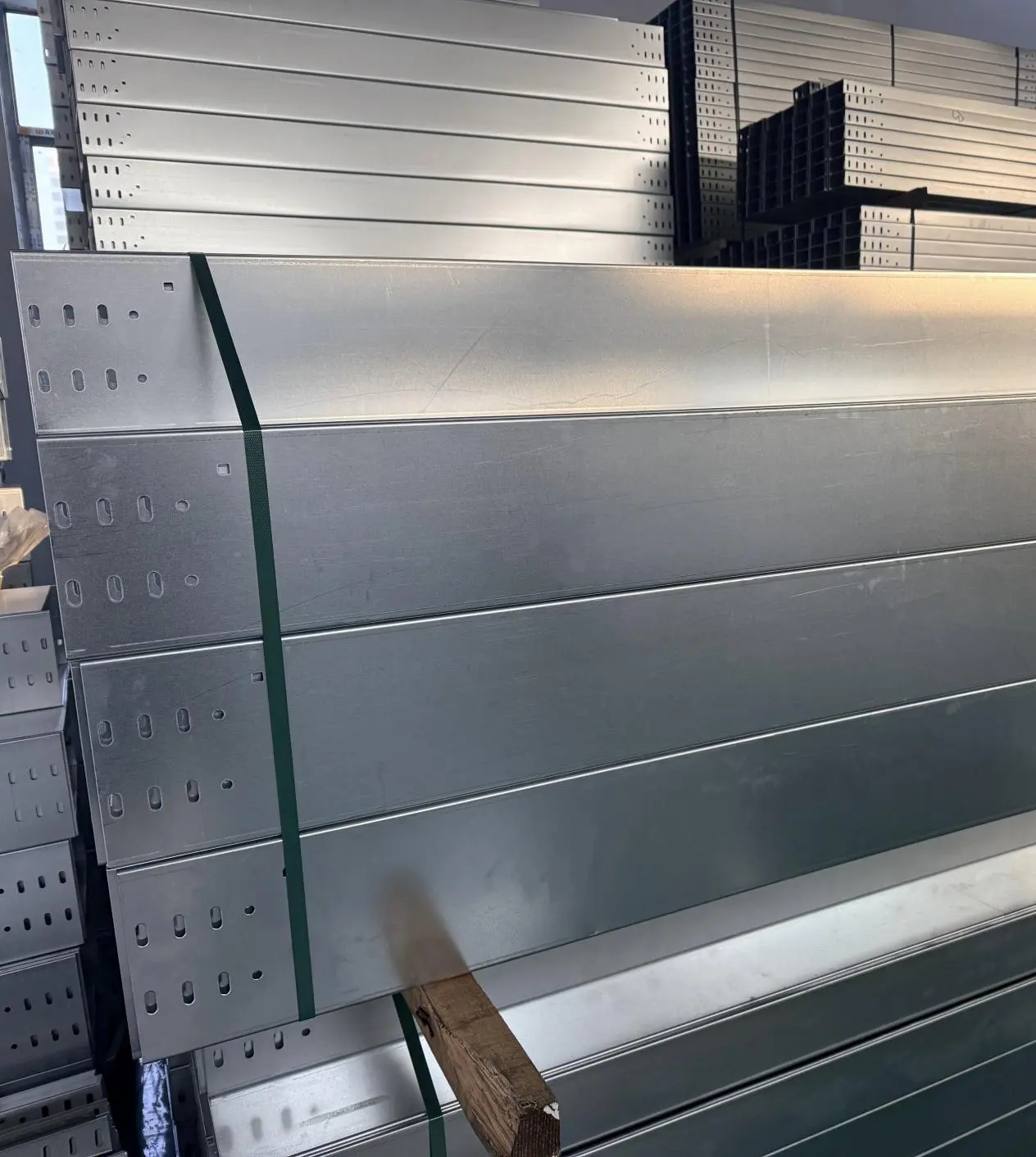

Why Perforated Cable Trays Dominate Modern Underground Parking Lots
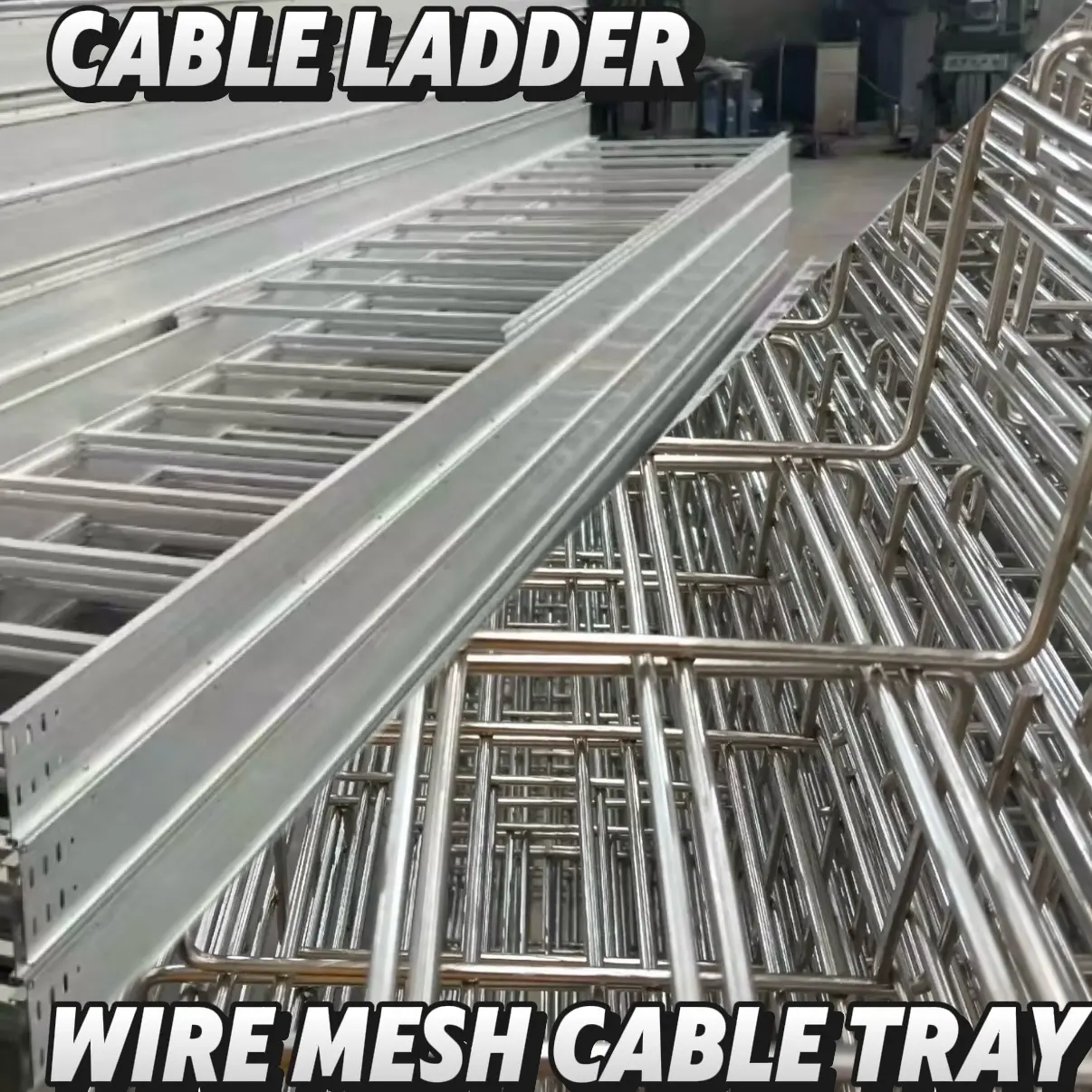
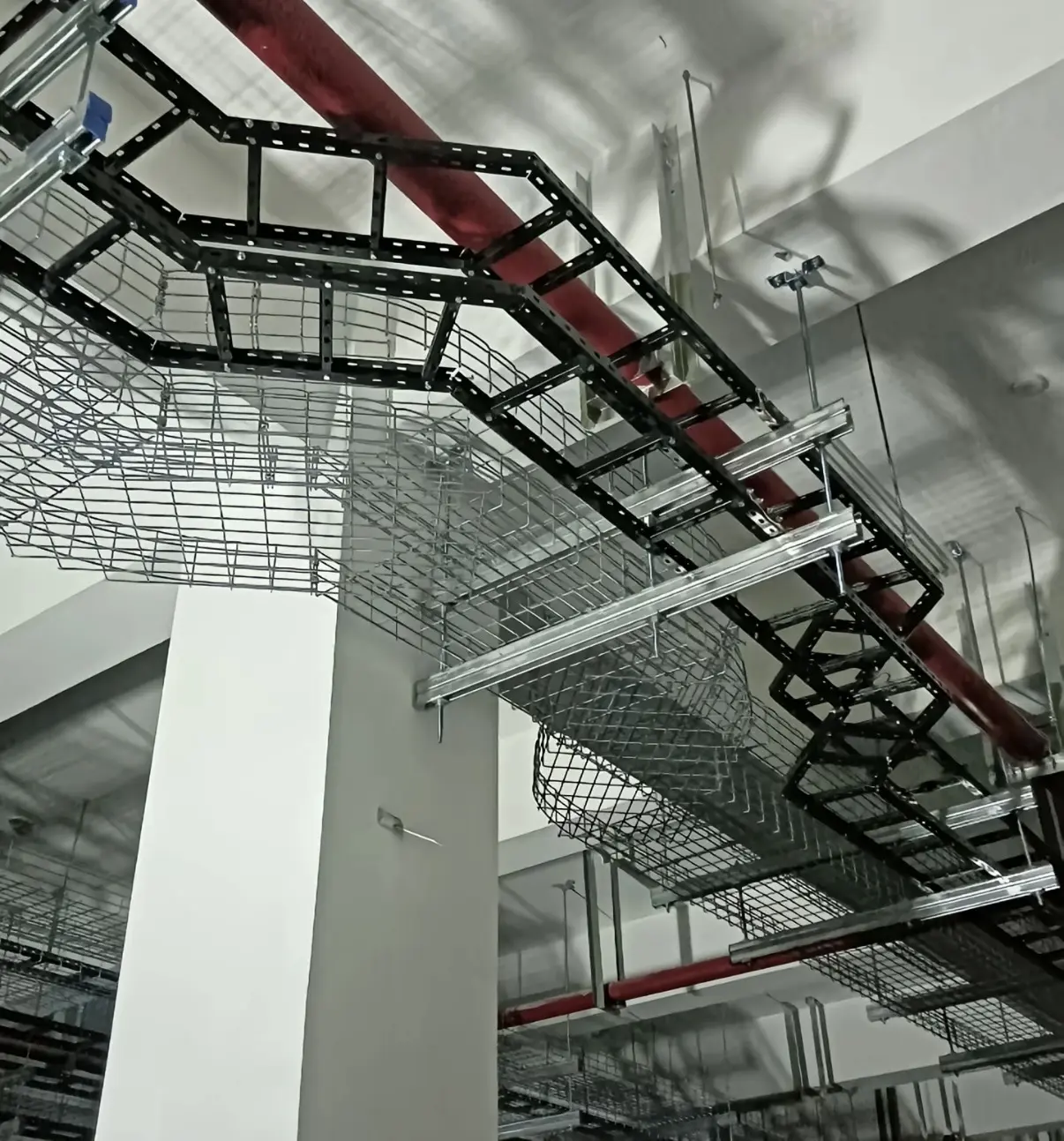
For facility managers and electrical engineers, the choice of Cable Support system is fundamental. As defined by industry standards, aPerforated Cable Tray is a cable support component featuring a base and sides integrated with ventilation holes. This simple yet ingenious design is becoming the preferred solution beneath our cities.
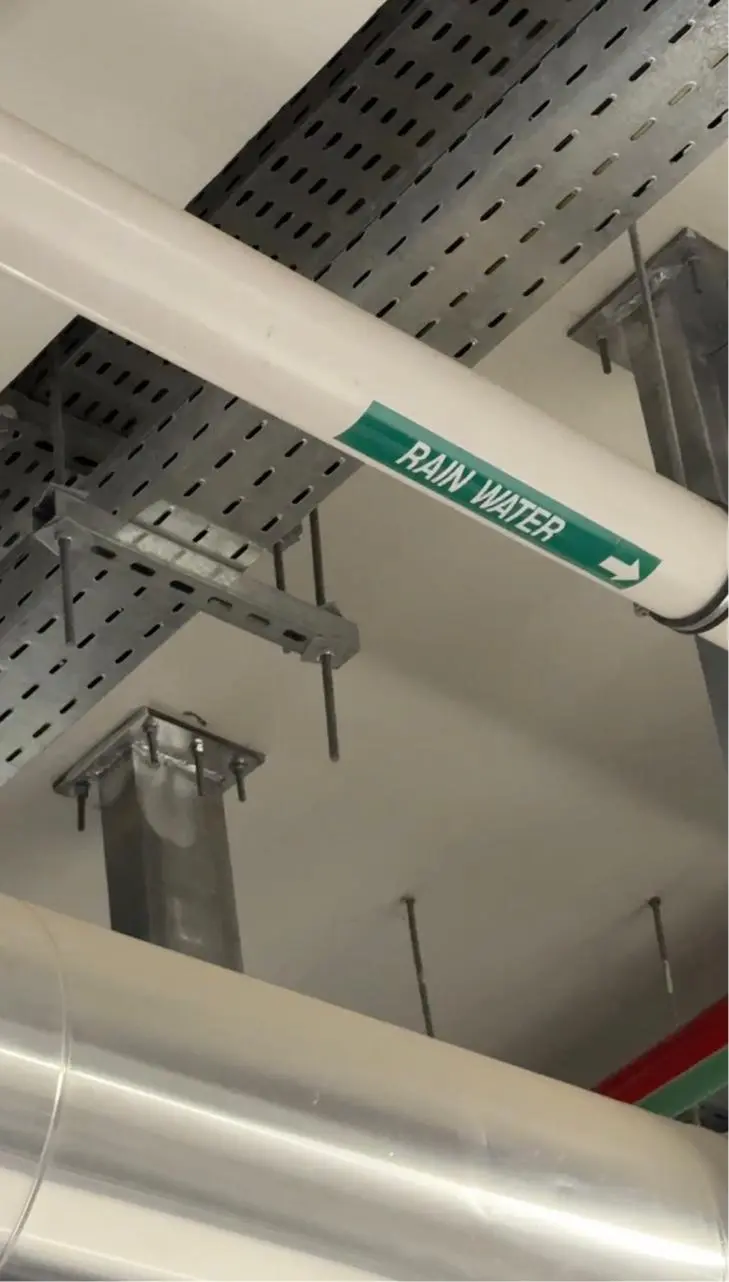
The Core Advantages Driving Adoption
The widespread use of perforated trays underground is no accident. It directly addresses the unique environmental challenges of these spaces.
Combating Condensation and Corrosion
Underground environments are prone to high humidity and temperature fluctuations, leading to condensation. A Solid Tray can trap this moisture around cables, accelerating corrosion of both the tray and cable sheathing. The perforations in a ventilated tray allow for continuous air circulation, which helps dissipate moisture and significantly reduces internal humidity. This natural drying effect is crucial for preventing corrosion and extending the lifespan of the entire electrical system.
Essential Thermal Management
Electrical cables, especially those powering lighting, ventilation, and charging systems, generate heat. In a confined space, trapped heat can degrade cable insulation over time, increasing the risk of failure. The holes in a perforated tray act as a passive cooling system, allowing heat to escape and maintaining a safer operating temperature for the cables. This enhances long-term safety and can even support higher cable loads.
Practical Installation and Maintenance Benefits
Beyond environmental control, perforated trays offer practical advantages:
- Lightweight and Easy to Handle: Compared to solid metal troughs, the perforated design reduces weight, making installation faster and less labor-intensive.
- Unmatched Flexibility: Cables can be easily laid, accessed, or rerouted at any point through the openings, simplifying both initial installation and future modifications.
- Visual Inspection: The open design allows for quick visual checks of cable conditions without removing covers.
A Balanced View: When a Solid Tray is the Better Choice
Despite their strengths, perforated trays are not a universal solution. Industry engineering norms provide clear guidance on when an alternative is required.
- Scenarios Requiring Solid Trays: Solid-bottom, covered trays are mandatory in areas needing shielding from electrical interference or protection from specific physical hazards like oils, corrosive liquids, or flammable dust.
- The Rule of Thumb: The standard practice is that perforated trays or Cable Ladders are suitable for general use, while solid trays are reserved for these specialized protective instances.
Key Comparisons at a Glance
To help visualize the differences, here is a comparison of the two main tray types:
Perforated (Ventilated) Cable Tray
- Primary Feature: Base and sides with ventilation holes
- Best For Environments: Humid, enclosed spaces requiring heat dissipation (e.g., underground parking)
- Key Advantage: Promotes air flow to reduce moisture and heat buildup
- Main Drawback: Offers less physical protection from dust and dripping liquids
Solid-Bottom Cable Tray
- Primary Feature: Completely solid base and sides
- Best For Environments: Areas with oil, corrosive liquids, flammable dust, or needing EMI shielding
- Key Advantage: Provides maximum protection and containment
- Main Drawback: Traps heat and moisture; heavier and less flexible for cable access
Conclusion
The move towards perforated cable trays in underground parking facilities is a logical response to the environmental realities of these spaces. By prioritizing ventilation, heat dissipation, and installation flexibility, they address the core issues of moisture control and thermal management that solid trays cannot. This leads to a more reliable, durable, and safer electrical infrastructure with lower long-term maintenance costs.
For most general underground applications, the perforated tray offers the optimal balance of performance and practicality. However, for specialized areas within a garage—such as a maintenance wash bay or a utility room with specific hazards—the protective assurance of a solid, covered tray remains essential, as dictated by professional engineering standards.