






What Type of Cable Tray Has Heat Dissipation Performance?
Introduction
Understanding the Importance of Cable Tray Selection
In complex electrical infrastructures, cable trays act as the skeletal system, supporting the flow of power and data across various environments. Selecting the rigHt Cable Tray is not merely a structural decision—it is a matter of performance, safety, and longevity. The wrong choice can result in inefficiencies, overheating, and operational failures. Therefore, understanding how each type functions in dissipating heat becomes paramount.
Why Heat Dissipation Matters in Electrical Systems
Every active electrical conductor generates heat as a byproduct of resistance. When multiple cables are bundled together in confined pathways, this heat can accumulate, escalating to levels that compromise insulation, accelerate wear, or even ignite fires. Efficient heat dissipation ensures operational stability, prolongs component life, and reduces downtime risks in mission-critical systems.
Overview of Cable Tray Types and Their Functional Differences
Cable trays come in diverse designs, each tailored for specific use-cases: open-air ladder trays, semi-ventilated perforated trays, fully enclosed solid-bottom trays, agile wire mesh trays, and hybrid trough trays. While all aim to manage cable runs, their ability to allow airflow and mitigate heat varies considerably.
The Science Behind Heat Dissipation in Cable Management
What Is Heat Dissipation and Why Is It Crucial?
Heat dissipation is the process by which excess thermal energy is transferred from a heat source to the surrounding environment. In cable trays, this ensures that the electrical resistance-induced heat is not confined but rather released efficiently, maintaining operational temperatures within safe thresholds. Without proper dissipation, even premium-grade cables can succumb to thermal stress.
Factors That Influence Heat Buildup in Cable Trays
Several variables converge to exacerbate thermal accumulation: dense cable packing, poor ventilation, high ambient temperatures, prolonged current loads, and the intrinsic thermal resistance of the tray material. A tray that restricts airflow or clusters cables too closely will act more like an oven than a cooling conduit.
Consequences of Poor Heat Dissipation on System Performance and Safety
When heat isn't adequately managed, the risks transcend performance dips. Elevated temperatures degrade insulation, leading to arc faults or short circuits. Equipment failure, data corruption, or catastrophic electrical fires can ensue. For industries reliant on uninterrupted power—such as hospitals or data centers—the stakes are even higher.
Exploring Different Types of Cable Trays and Their Thermal Characteristics
Ladder Cable Trays: The Open Design Champion for Airflow
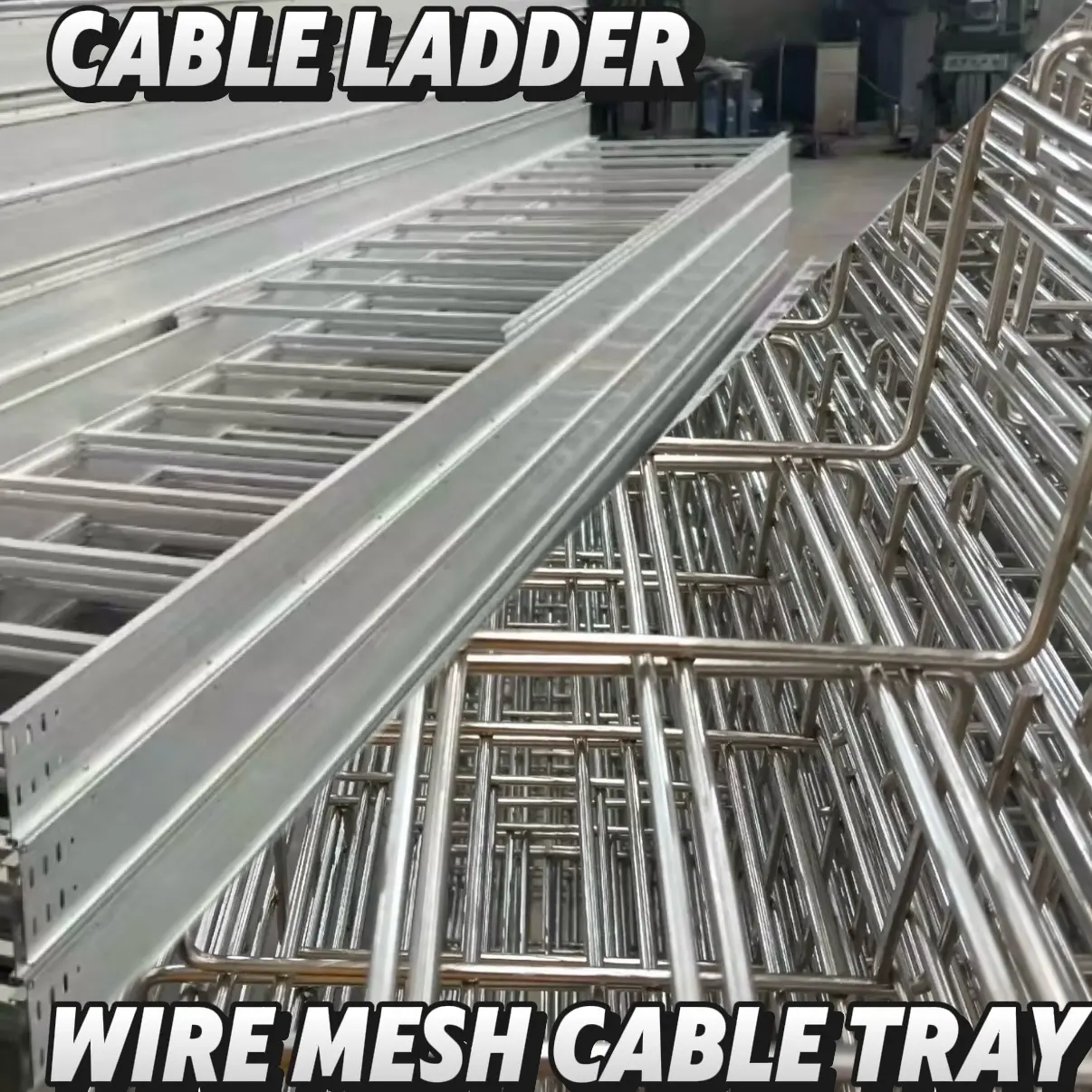
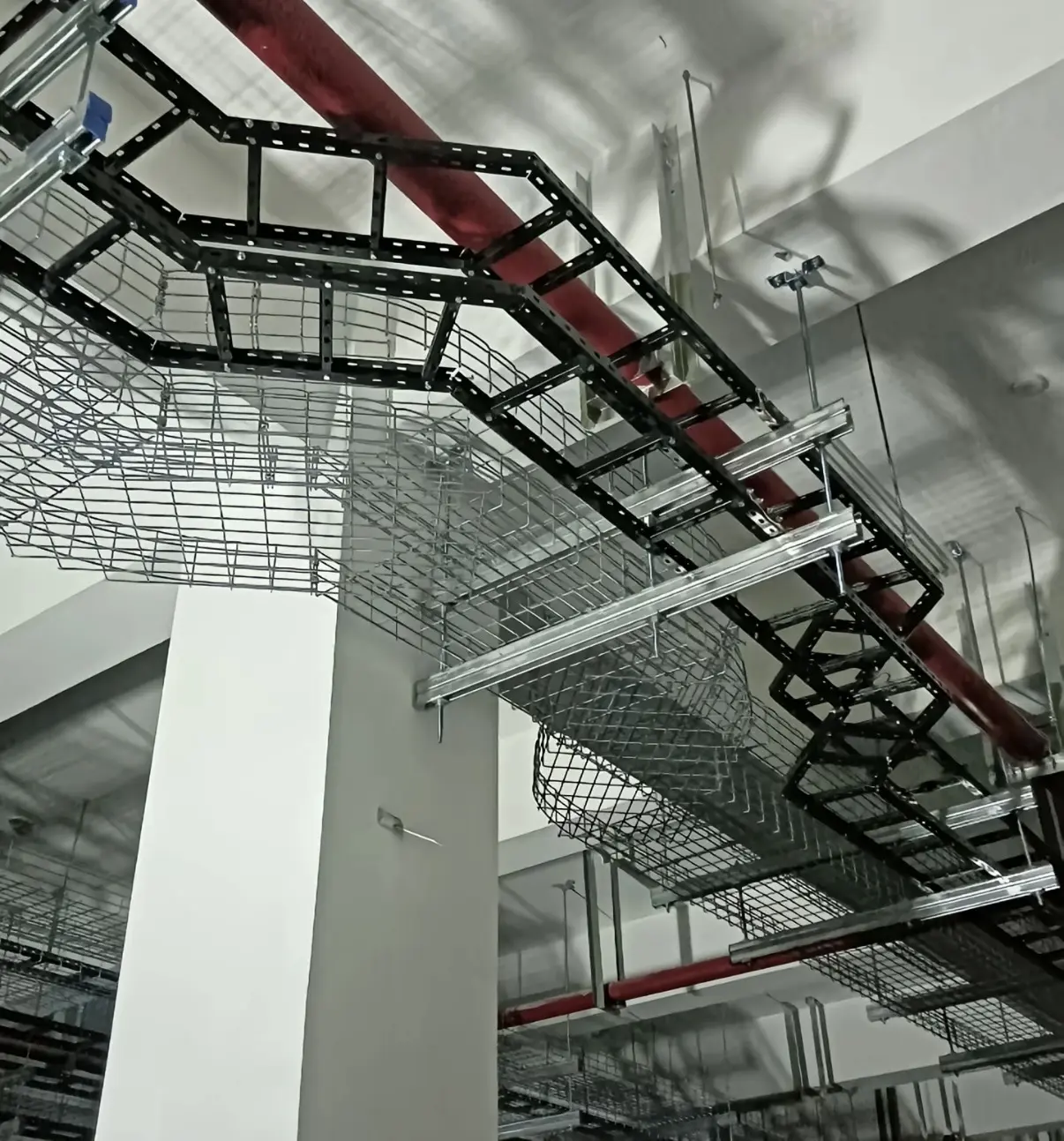
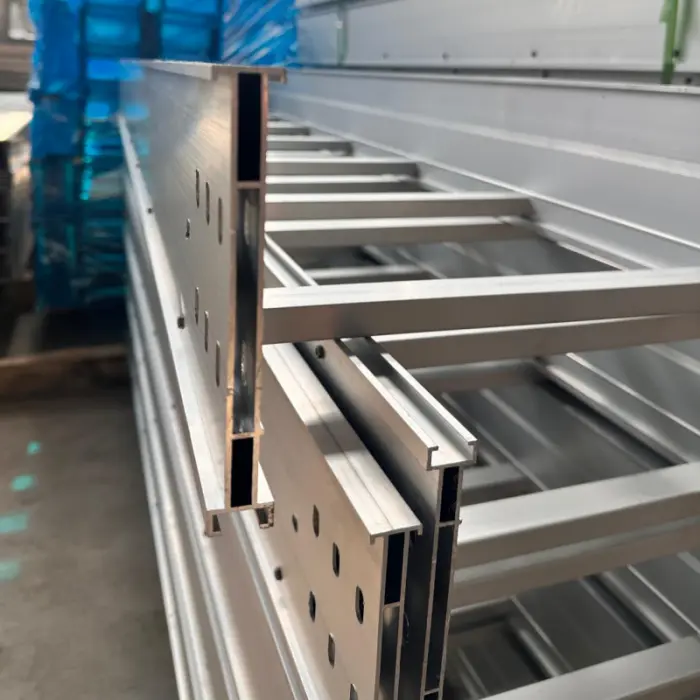
Ladder trays are constructed with two longitudinal side rails and transverse rungs. This open architecture encourages maximum airflow, making them the most effective option for natural convection. Their skeletal form allows radiant heat to escape freely, preventing hotspots from forming even under substantial cable loads.
Perforated Cable Trays: Balanced Ventilation with Structural Support
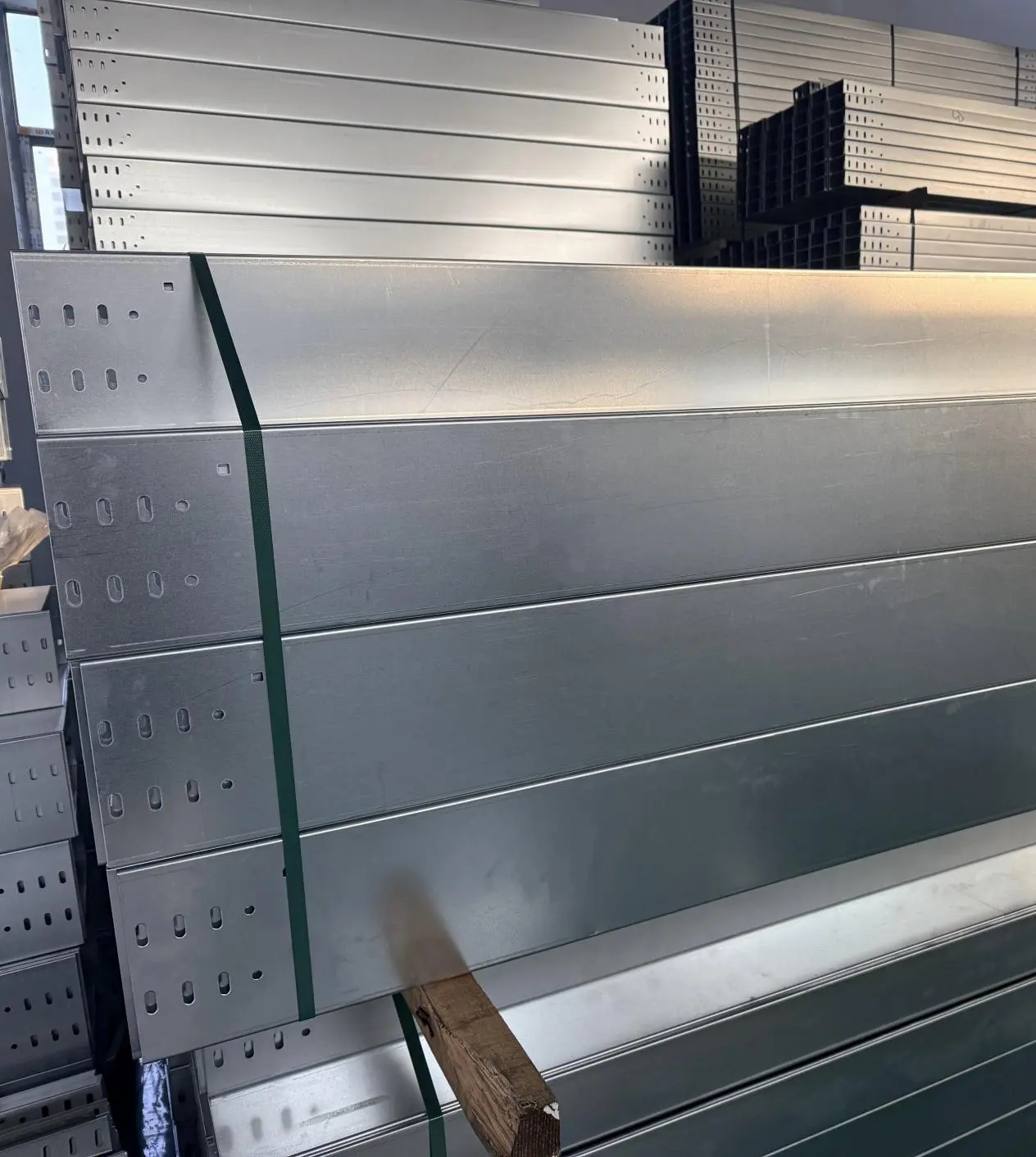
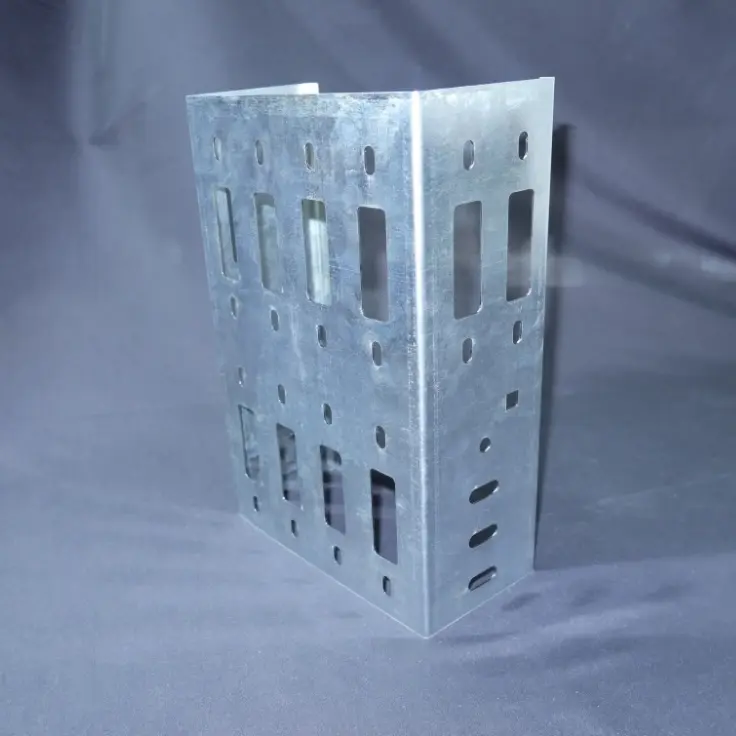
Perforated trays offer a pragmatic compromise—partial enclosure with strategic ventilation. They consist of solid panels punctuated with slots or holes, which help dissipate heat while protecting cables from debris. This design is well-suited for moderate thermal demands where full exposure is undesirable.
Solid-Bottom Cable Trays: When Protection Trumps Cooling
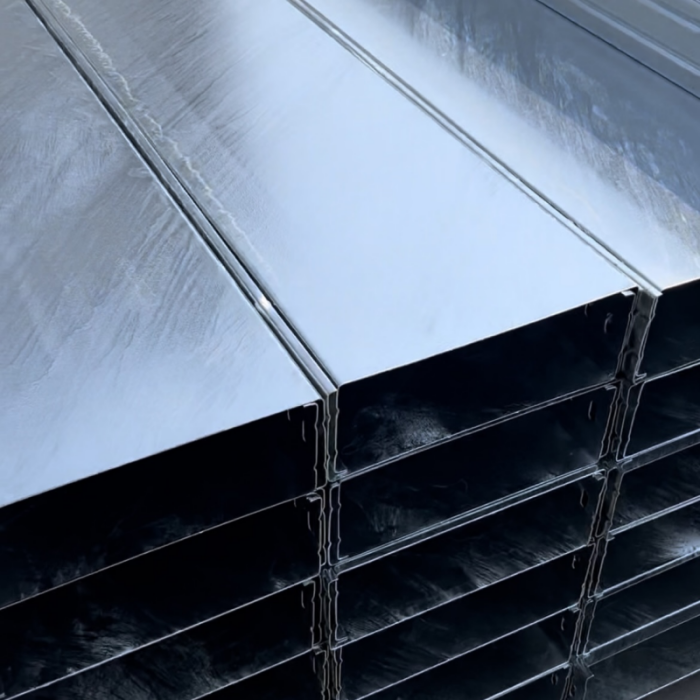
Designed for maximum cable shielding, solid-bottom trays lack ventilation apertures. They offer superior protection against dust, moisture, and mechanical damage but at the cost of poor heat release. These are suitable only where external environmental hazards outweigh the need for thermal dispersal.
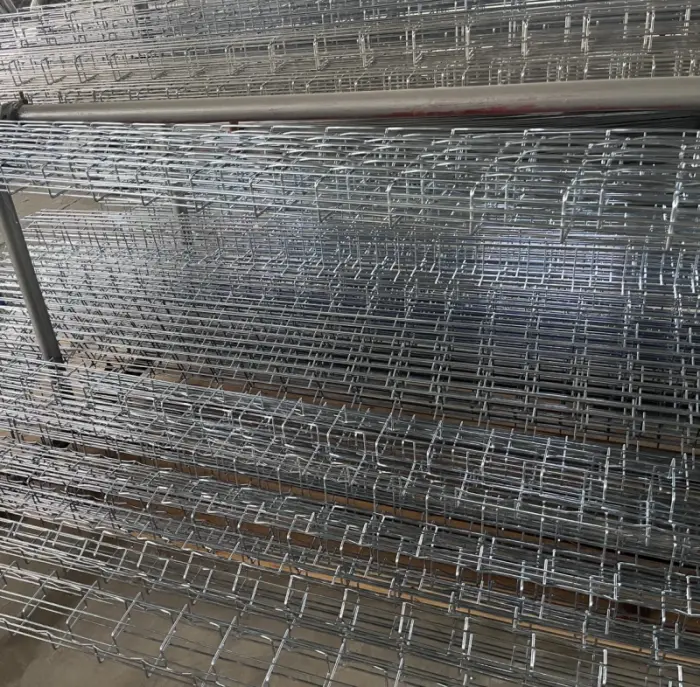
Wire Mesh Cable Trays: Lightweight and Highly Breathable Options
Formed from interlaced steel wires, these trays resemble industrial baskets. Their open lattice structure ensures excellent airflow from all directions, making them ideal for environments that prioritize cooling and flexibility. However, their load-bearing capacity and resistance to external damage are relatively limited.
Trough Cable Trays: A Middle Ground for Strength and Heat Management
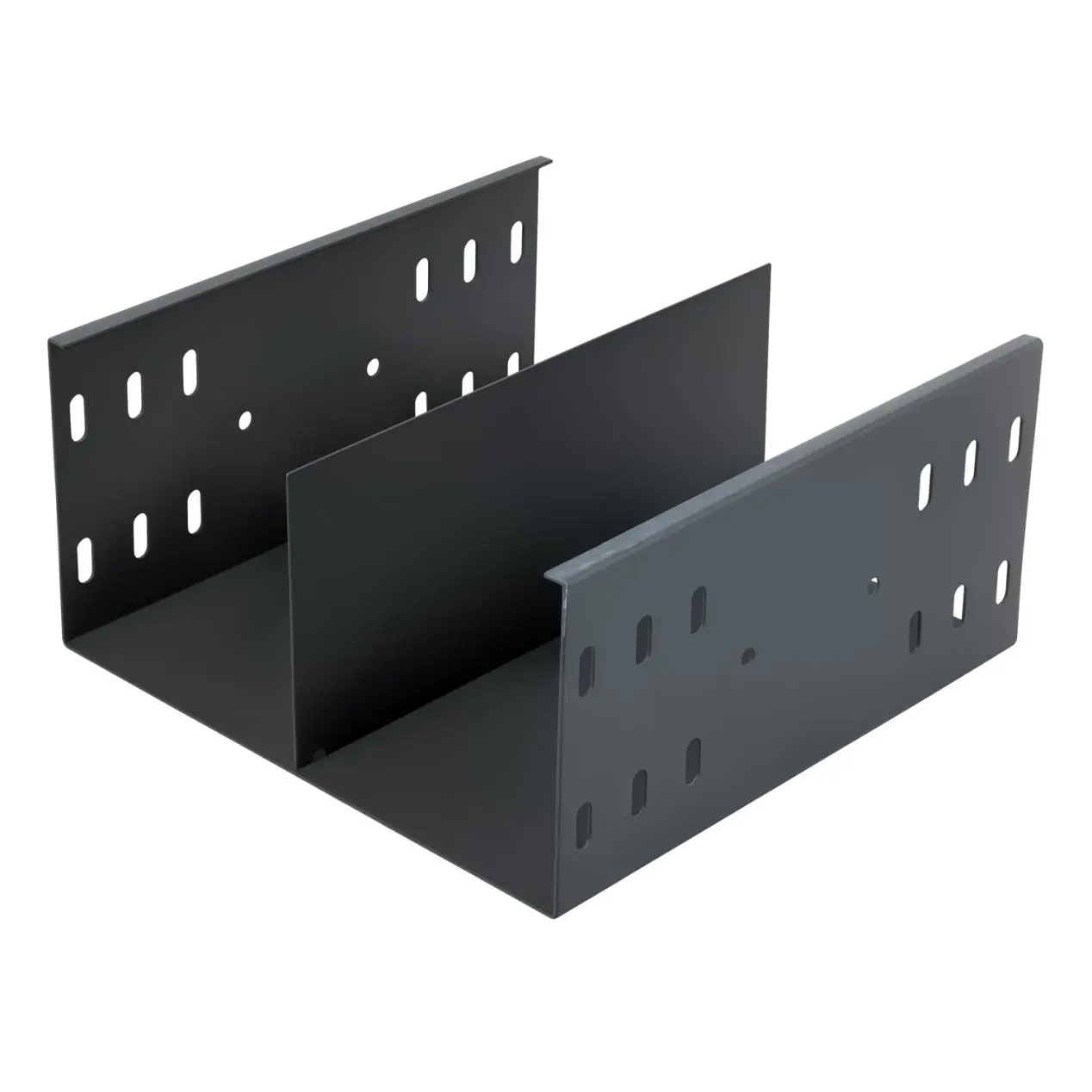
Trough trays feature a U-shaped design with partial coverage and side ventilation. They offer a decent balance between mechanical protection and heat dissipation, often employed in industrial settings where compromise is key. Their semi-enclosed structure helps shield cables while permitting some airflow.
Comparative Analysis: Which Cable Tray Offers the Best Heat Dissipation?
Airflow Efficiency Across Tray Types
Ladder and wire mesh trays dominate in terms of passive airflow. Their unobstructed forms allow heat to rise and escape naturally. In contrast, solid-bottom trays retain the most heat due to lack of ventilation, with perforated and trough trays performing moderately.
Impact of Tray Material on Heat Conductivity
Aluminum trays outperform steel in thermal conductivity, making them preferable for heat-sensitive installations. Steel, while structurally robust, retains heat longer. Galvanized coatings can also influence thermal behavior by adding layers that may insulate rather than dissipate.
Influence of Tray Design on Cable Spacing and Cooling
Wider trays with adjustable rungs or brackets enable better spacing between cables, reducing thermal crowding. Designs that allow for vertical stacking or tiered layouts can also improve convection paths, further enhancing thermal regulation.
Key Factors to Consider When Choosing a Cable Tray for Thermal Efficiency
Environmental Conditions and Ambient Temperature
Installations in hot climates or enclosed mechanical rooms require trays with superior ventilation. Conversely, trays exposed to corrosive or wet environments may necessitate more protective designs, even if heat dissipation suffers slightly.
Cable Load Density and Current-Carrying Capacity
Heavily populated trays need to disperse more heat. In such cases, choosing trays with high open-air ratings is essential. Calculating derating factors for cable ampacity based on expected heat accumulation becomes a critical planning step.
Installation Location: Indoor vs. Outdoor Heat Exposure
Outdoor installations face fluctuating temperatures and solar radiation, demanding materials with both thermal resilience and weather resistance. Indoor systems, while more stable, may require additional airflow solutions if space is constrained.
Enhancing Heat Dissipation: Tips and Best Practices
Using Spacers and Cable Separators for Optimal Airflow
Simple mechanical solutions such as cable spacers can vastly improve airflow between conductors. These devices mitigate the thermal coupling effect, allowing for more even heat dispersion across the tray.
Regular Maintenance and Cleaning to Prevent Heat Traps
Dust, grime, and accumulated debris can act as thermal blankets, trapping heat. Routine inspection and cleaning keep trays ventilated and prevent hotspots from forming around obstructed sections.
Leveraging Advanced Coatings and Materials for Thermal Management
Reflective or heat-dissipating coatings can reduce the absorption of ambient heat, especially in outdoor applications. Modern trays made from composite materials can also offer hybrid benefits—resilience with efficient conductivity.
Conclusion
Summing Up the Most Heat-Efficient Cable Tray Options
When heat dissipation is paramount, ladder and wire mesh trays emerge as the front-runners. Their open design and efficient airflow dynamics make them indispensable in high-load or heat-sensitive environments.
Final Recommendations Based on Application Scenarios
For data centers, wire mesh trays deliver unmatched cooling and agility. Industrial sites may benefit from ladder trays combined with perforated options for mixed environments. Solid-bottom trays should be reserved for specialized needs where external protection overrides thermal concerns.
Planning for Long-Term Performance and Safety in Cable Tray Systems
Effective cable tray selection is not a one-size-fits-all decision. It requires foresight, thermal analysis, and a keen understanding of the operational environment. Prioritizing heat dissipation from the outset lays the groundwork for a safer, more reliable electrical infrastructure.