



What is the Purpose of Cable Tray Covers?
Introduction
-Understanding the Role of Cable Tray Covers in Modern Infrastructure
In the labyrinth of modern infrastructure, where technology pulses through every fiber of our built environments, cable management systems play a critical—yet often overlooked—role. Cable Tray Covers, in particular, serve as the silent sentinels guarding these arteries of energy and data. Whether suspended above factory floors or nestled within high-rise buildings, these protective elements ensure that electrical and communication cables operate in optimal conditions, free from external interference.
-Why Cable Protection is More Critical Than Ever
With the growing dependency on digital connectivity, automation, and continuous power supply, even a minor disruption in cabling can lead to costly downtimes or hazardous events. The integrity of cables is no longer a matter of convenience—it is mission-critical. Cable tray covers help mitigate risks from environmental stressors, mechanical damage, and human interference, elevating their status from optional accessories to essential components of any structured Cabling System.
-What Are Cable Tray Covers?
-A Quick Overview of Cable Tray Systems
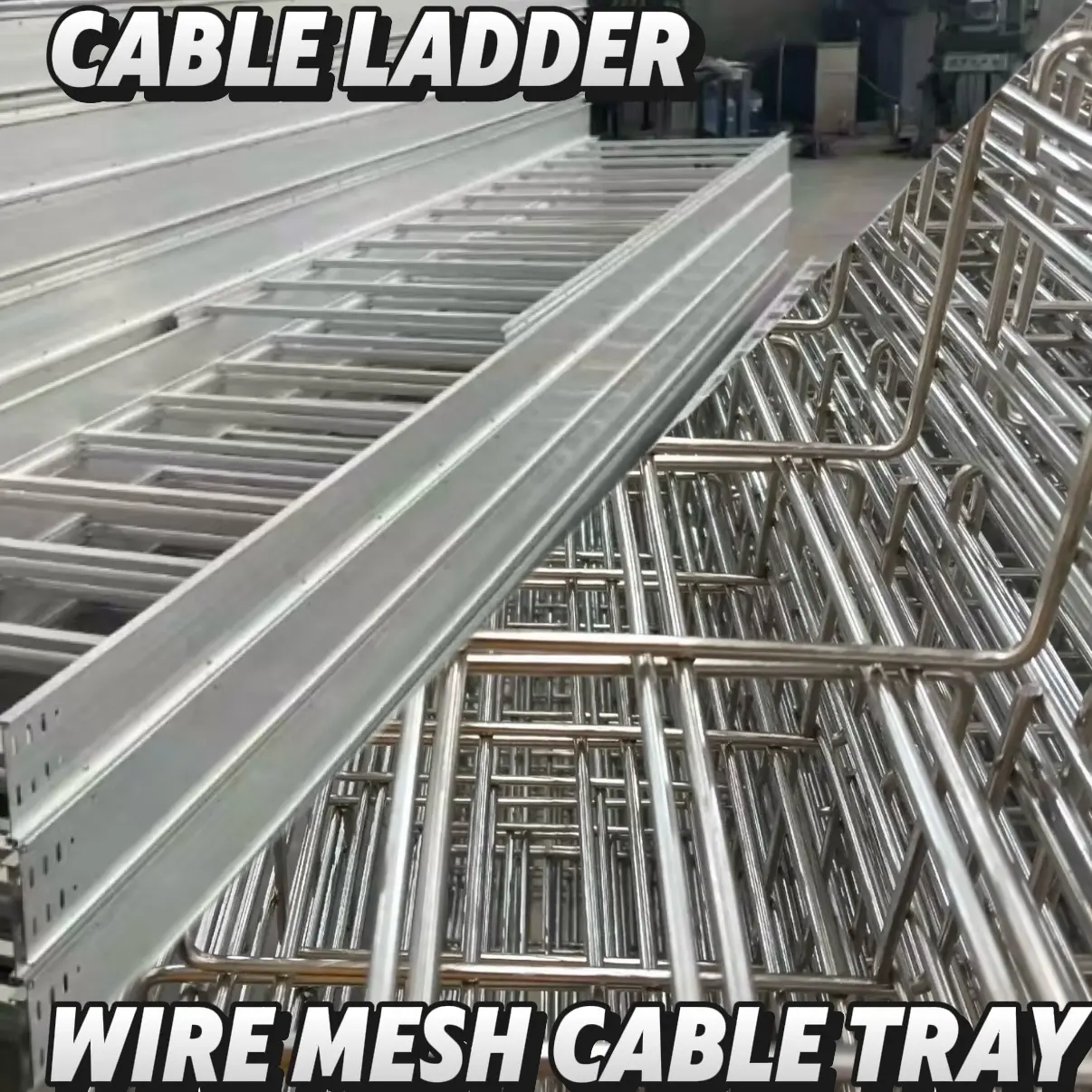
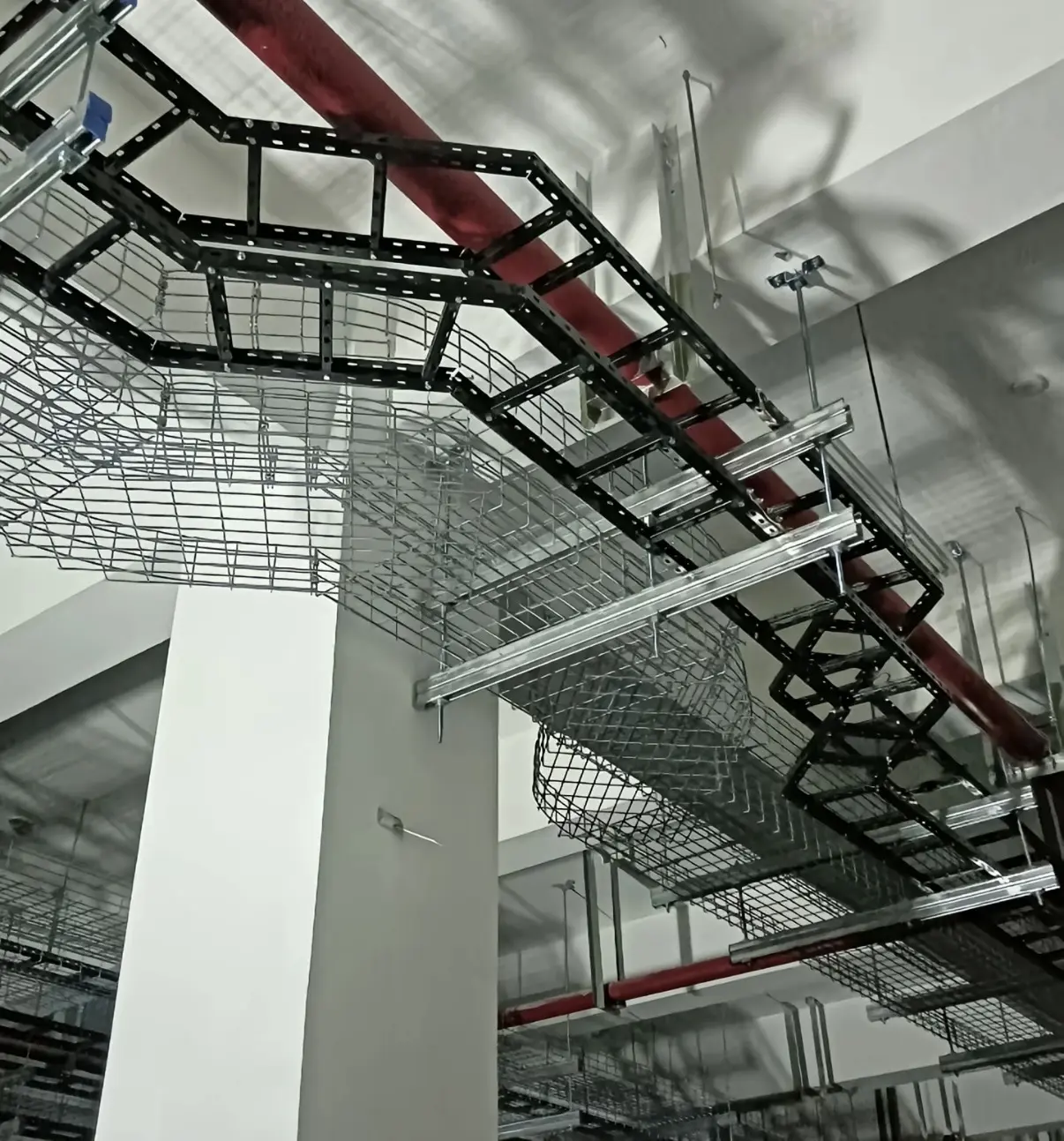
Cable tray systems provide a framework for supporting insulated electrical cables used for power distribution, communication, and control. These systems come in various configurations—ladder, wire mesh, channel, and solid-bottom trays—depending on load requirements and installation environments. They streamline cable routing, allowing for systematic expansion and easy maintenance.
-Types of Cable Tray Covers: Solid, Perforated, and More
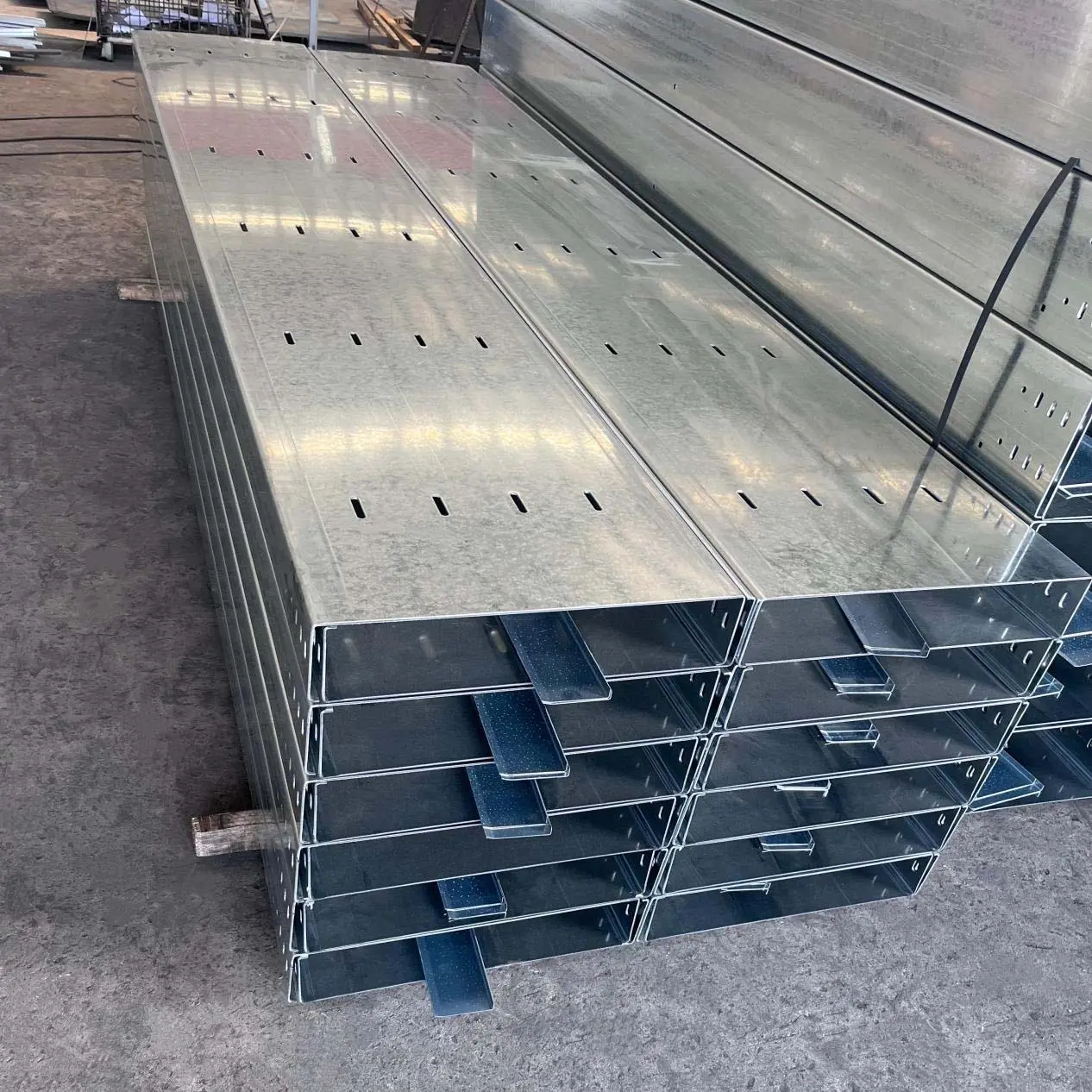
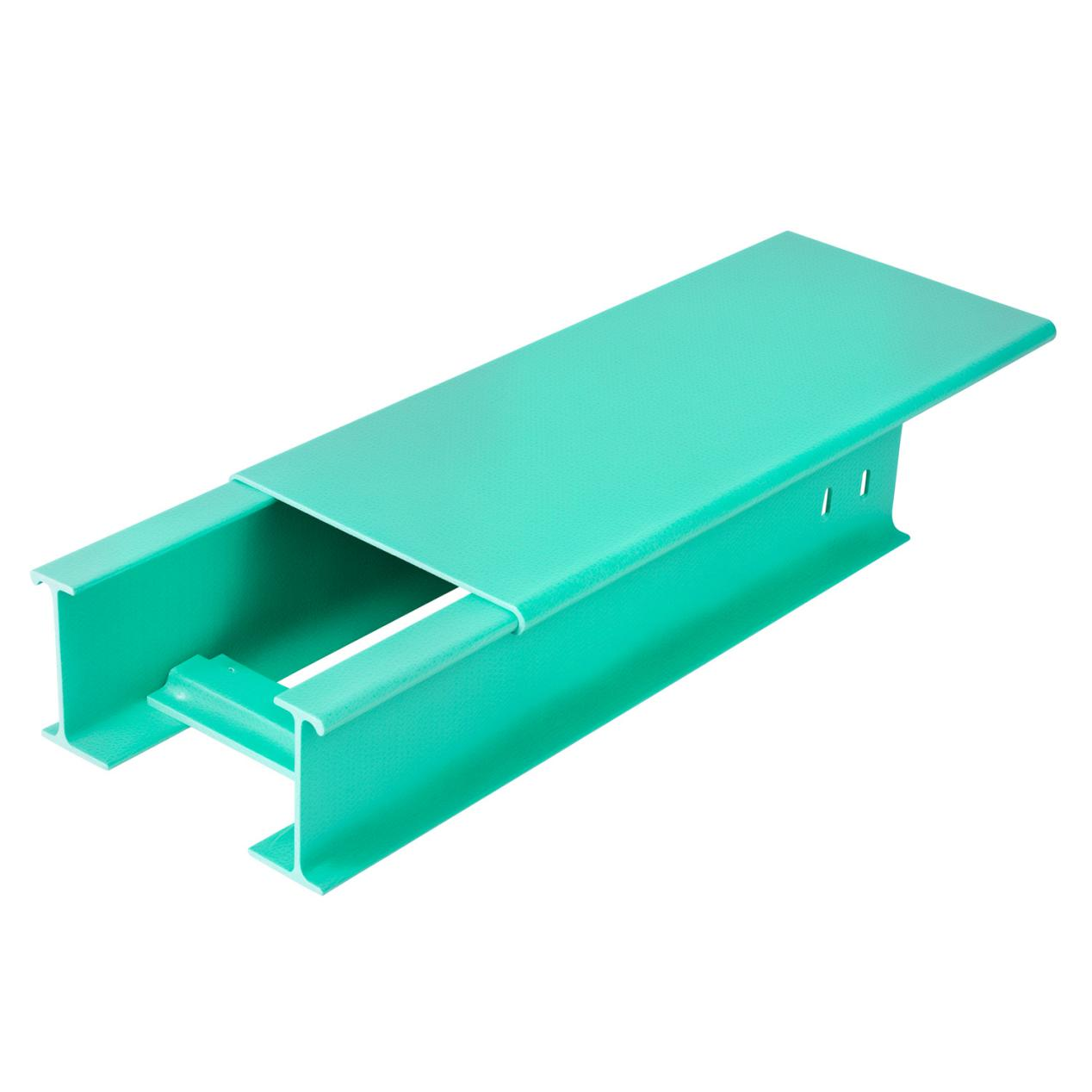
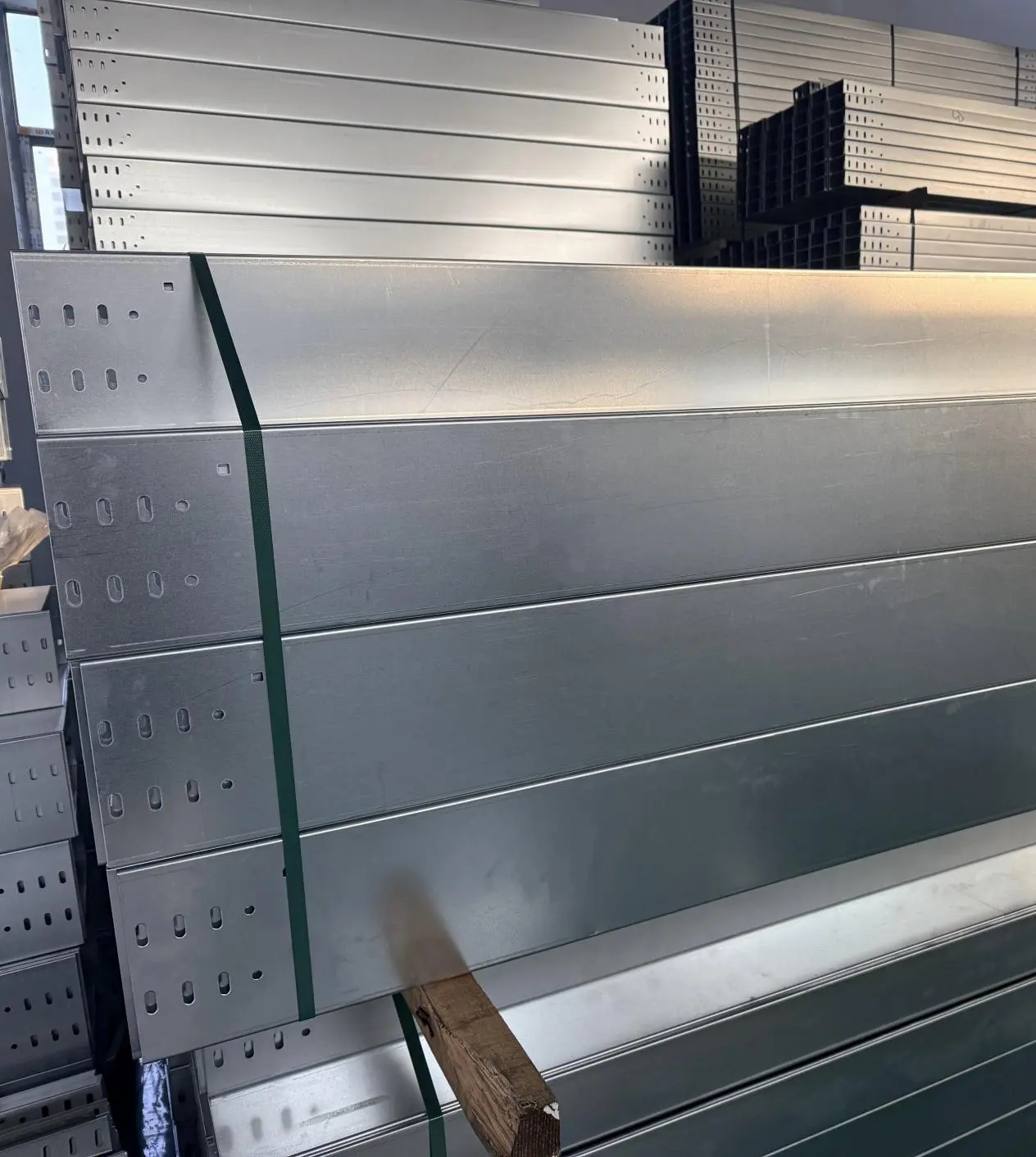
Cable tray covers come in multiple variants tailored to specific environments. Solid covers offer maximum protection, shielding cables from dust, liquids, and physical intrusion. Perforated covers, on the other hand, provide ventilation while still offering a degree of protection. In highly sensitive or hazardous settings, specialty covers with flame-retardant or chemical-resistant properties are deployed.
-Common Materials Used in Cable Tray Covers
Material selection plays a pivotal role in the durability and performance of cable tray covers. Galvanized steel is commonly used for its robustness and resistance to corrosion. Aluminum offers lightweight strength and is ideal for installations requiring ease of handling. For corrosive environments, stainless steel or fiberglass-reinforced plastic (FRP) provides long-lasting resilience against chemicals and moisture.
-The Core Purpose of Cable Tray Covers
-Shielding Cables from Environmental Hazards
Exposure to dust, debris, moisture, and UV radiation can degrade cable insulation and compromise performance. Cable tray covers act as protective shields, maintaining the integrity of the cables by acting as a barrier against these environmental adversaries. This is particularly important in outdoor and industrial installations where exposure is unavoidable.
-Enhancing Fire Safety and Heat Resistance
Heat accumulation and fire hazards are ever-present risks in electrical systems. Tray covers made with fire-retardant materials can help contain or delay the spread of flames in case of a fire outbreak. Additionally, by managing thermal buildup, covers reduce the risk of overheating, preserving the functionality and safety of the entire electrical network.
-Preventing Accidental Contact and Tampering
In high-traffic areas, cables are vulnerable to unintentional damage from tools, equipment, or personnel. Covers create a barrier, reducing the likelihood of accidental interference. They also deter unauthorized access, safeguarding sensitive data cables and power lines from tampering or sabotage.
-Reducing Cable Wear and Extending Lifespan
Over time, exposure to environmental elements and mechanical stress can wear down cables, leading to insulation cracks and eventual failure. Cable tray covers act as armor, minimizing wear-and-tear and dramatically extending the lifecycle of the infrastructure—an investment in both safety and sustainability.
-Key Benefits of Installing Cable Tray Covers
-Improved Safety for Workers and Equipment
Electrical safety is paramount. By preventing direct contact with live cables, tray covers protect maintenance personnel and reduce the risk of electrocution or arc flash incidents. Equipment is also shielded from potential interference or damage due to cable exposure.
-Cleaner and More Organized Cable Management
Tray covers contribute to an uncluttered, streamlined appearance, which is especially valuable in environments where aesthetics and professionalism matter. Neat cabling is not only visually appealing but also simplifies troubleshooting and maintenance.
-Minimizing Downtime from Cable Damage
Damaged cables can halt production, disrupt operations, and incur expensive repairs. Cable tray covers minimize this risk, preserving cable integrity and ensuring continuous uptime—especially vital in data centers, factories, and critical infrastructure.
-Meeting Compliance with Industry Standards
Many regulatory bodies and building codes mandate the use of protective covers in specific environments. Utilizing cable tray covers helps ensure compliance with OSHA, NEC, and other industry standards, avoiding legal complications and potential penalties.
-When and Where to Use Cable Tray Covers
-Ideal Applications: Industrial, Commercial, and Data Centers
In industrial plants, cable tray covers defend against dust, oil, and machinery-related hazards. Commercial buildings benefit from enhanced aesthetics and tamper resistance. Data centers, where cable reliability underpins operational continuity, rely on covers for optimal thermal and physical protection.
-Indoor vs. Outdoor Installations
Indoor installations prioritize fire resistance and appearance, while outdoor applications demand covers that can endure UV exposure, rain, wind, and temperature fluctuations. Proper selection based on location ensures long-term performance and minimal maintenance.
-Choosing the Right Cover for Specific Environments
Each setting has unique demands. In food processing plants, hygiene-grade stainless steel covers are preferred. In corrosive chemical environments, FRP covers offer the best resistance. Understanding these variables is crucial to choosing the appropriate solution for optimal protection and durability.
-Installation and Maintenance Tips
-Best Practices for Installing Cable Tray Covers
Always secure covers using manufacturer-recommended fasteners and clips to ensure a snug fit. Proper alignment and spacing must be maintained to avoid warping or vibration-related issues. Where airflow is required, incorporate perforated or slotted covers strategically.
-Common Mistakes to Avoid During Installation
Avoid over-tightening, which can warp the tray or damage the cover. Never mix incompatible materials, as this can lead to galvanic corrosion. Skipping covers in key areas for convenience can expose cables to unnecessary risk—always prioritize full coverage in vulnerable zones.
-Routine Maintenance for Maximum Protection
Regular inspections ensure covers remain intact and free from corrosion, deformation, or displacement. Cleaning schedules should be adapted to the environment—more frequent in dusty or oily conditions. Replace compromised covers immediately to maintain system integrity.
Conclusion
-Final Thoughts on the Importance of Cable Tray Covers
Cable tray covers are far more than a finishing touch—they are a vital component of a safe, efficient, and future-ready electrical system. By proactively protecting cables, these covers reduce operational risks, cut maintenance costs, and ensure regulatory compliance.
-Future Trends in Cable Tray Cover Design and Technology
Innovation in materials—like self-extinguishing composites and smart covers with integrated sensors—is reshaping how we approach cable protection. As industries evolve, the humble cable tray cover continues to adapt, offering more than just coverage—it’s delivering peace of mind in a high-voltage world.