





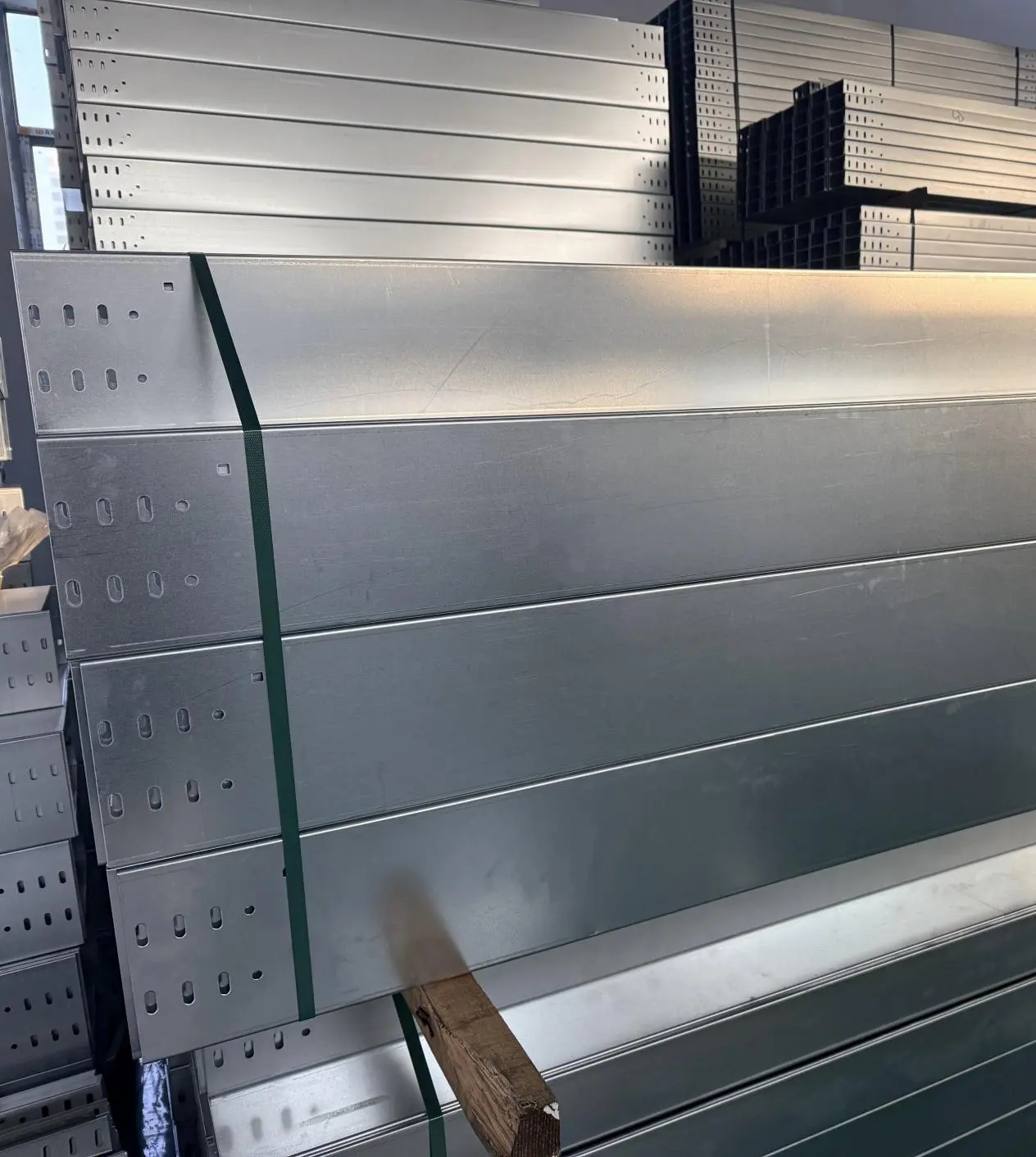

What Is Perforated Cable Tray?
A perforated cable tray is a structural support system designed to manage and organize electrical and communication cables. Characterized by its pattern of holes or openings along its surface, this type of tray provides a secure pathway for cables while offering several advantages over solid-bottom alternatives.
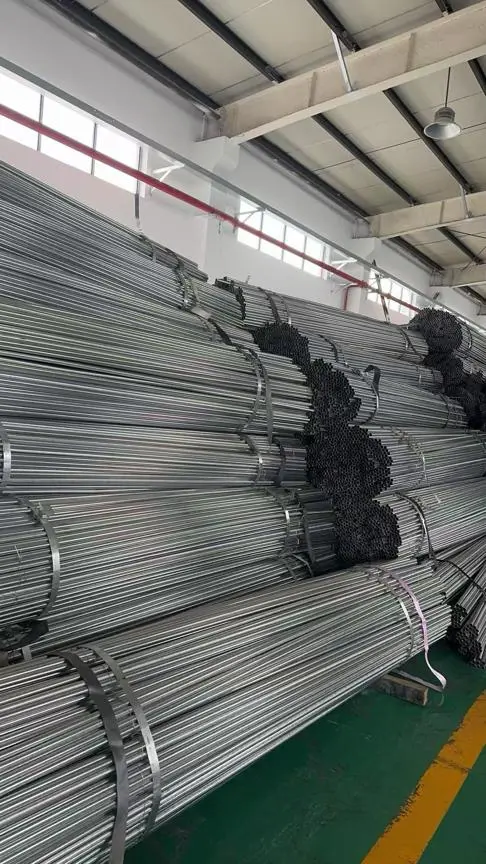
These trays are typically constructed from various materials, including steel, aluminum, and PVC, each offering different benefits based on environmental conditions and load requirements . The distinctive perforations serve multiple purposes, from assisting in cable fixation to allowing for ventilation and visual inspection.
Key Features and Benefits
Enhanced Air Circulation
The primary advantage of perforated Cable Trays lies in their design, which allows for excellent airflow around cables . This ventilation reduces heat buildup that can lead to premature cable failure, thereby improving system reliability and longevity. Properly installed cable trays help maintain cable integrity by allowing for adequate air circulation, which is particularly important for power-dense installations.
Versatility and Accessibility
The perforations in the longitudinal direction assist in the fixing and clamping of cables, providing flexibility in installation and maintenance . This design facilitates easier access to cables during maintenance or troubleshooting, significantly reducing downtime and labor costs . Additionally, the organized approach to cable routing makes future expansions or modifications more straightforward without disrupting existing installations.
Durability and Safety
Perforated cable trays offer remarkable resilience in challenging environments. For instance, PVC-based perforated trays demonstrate "excellent performance in corrosive environments, weathering, and exposure to UV radiation" . They also contribute to overall safety by reducing tripping hazards and minimizing the risk of electrical fires caused by damaged cables .
Applications and Use Cases
Perforated cable trays find applications across numerous settings:
- Industrial facilities where both cable protection and ventilation are crucial
- Commercial buildings requiring organized cable management
- TV studio production environments needing tidy cable organization for both power and communication lines
- Outdoor installations where weather resistance is essential
- Corrosive environments where specialized materials like PVC provide superior performance
Types and Variations
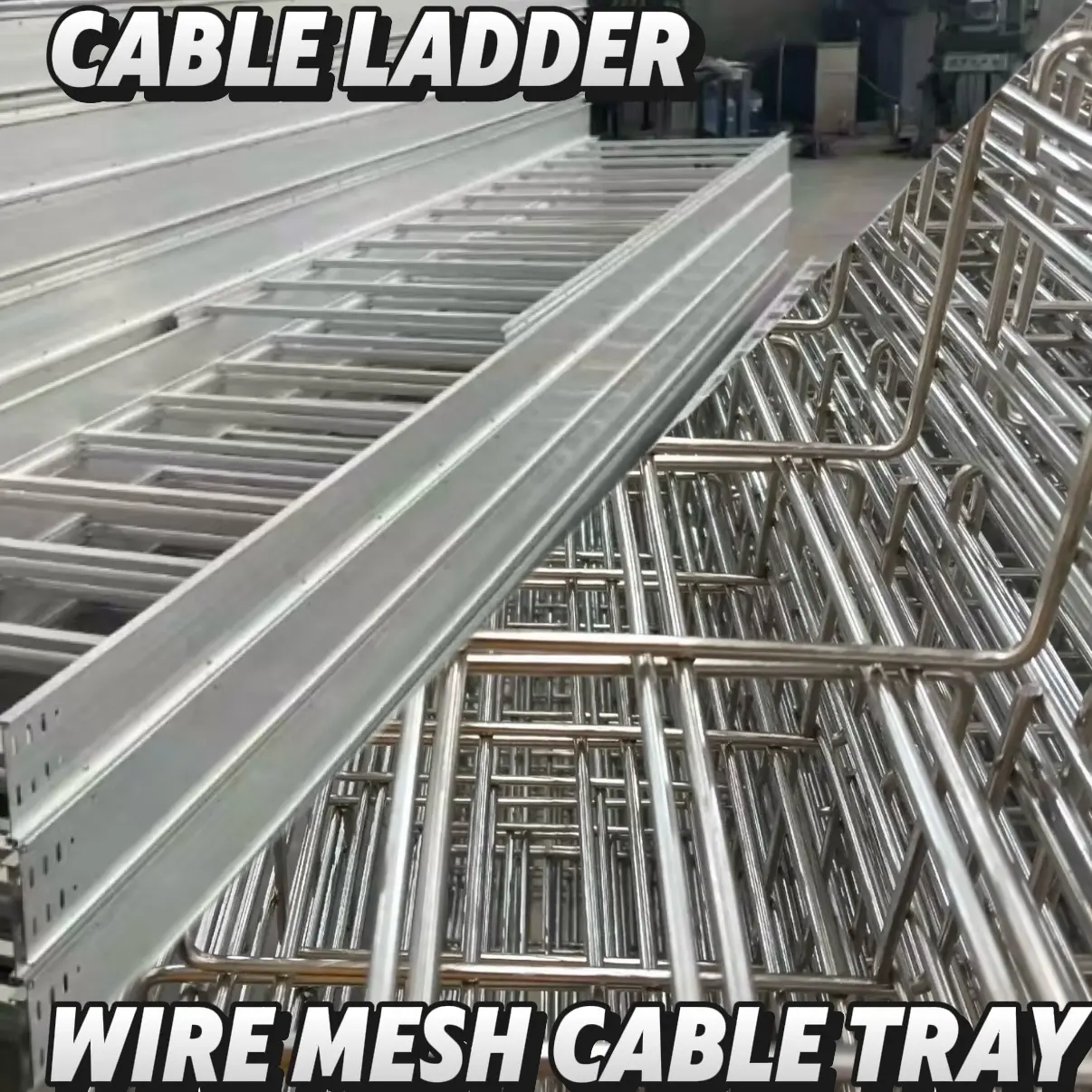
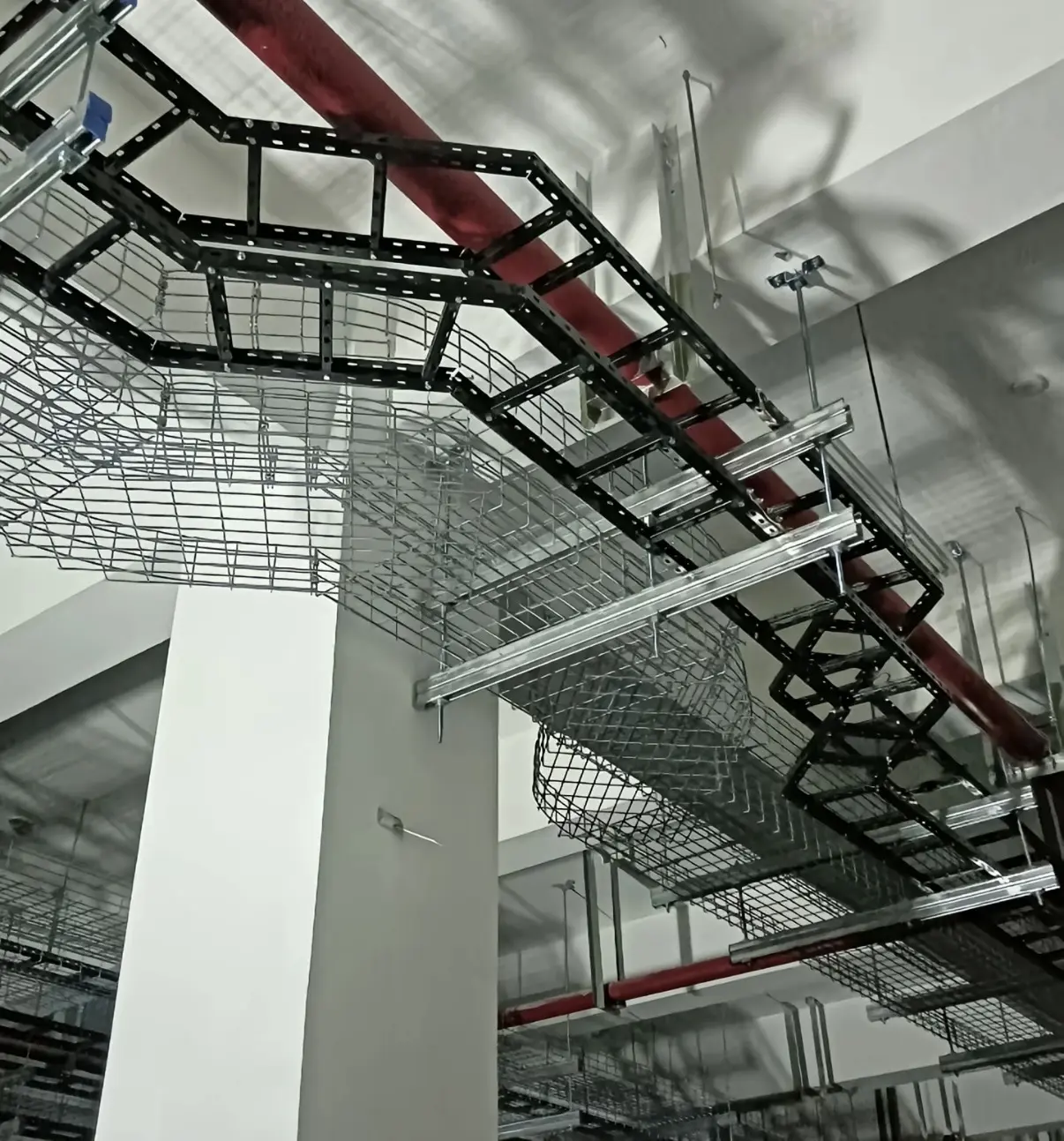
While perforated trays represent one category within the broader cable tray ecosystem, they sit alongside other designs including ladder trays, solid-bottom trays, and Wire Mesh Trays, each suited for specific applications . The perforated design strikes a balance between the open ventilation of ladder trays and the comprehensive protection of solid-bottom trays.
Selection Considerations
When choosing a perforated cable tray, several factors should be considered:
- Load capacity to ensure the tray can support the combined weight of all cables
- Environmental conditions such as exposure to moisture, chemicals, or UV radiation
- Material compatibility with the installation environment
- Compliance with industry standards and safety codes
- Installation requirements including mounting options and accessibility needs
Conclusion
Perforated cable trays represent an optimal solution for many cable management challenges, combining the benefits of organization, accessibility, and thermal management. Their versatile design makes them suitable for a wide range of applications, while their compliance with international standards ensures reliability and safety. As infrastructure continues to evolve with increasing demands for data and power transmission, perforated cable trays will remain an essential component in efficient cable management systems.
