





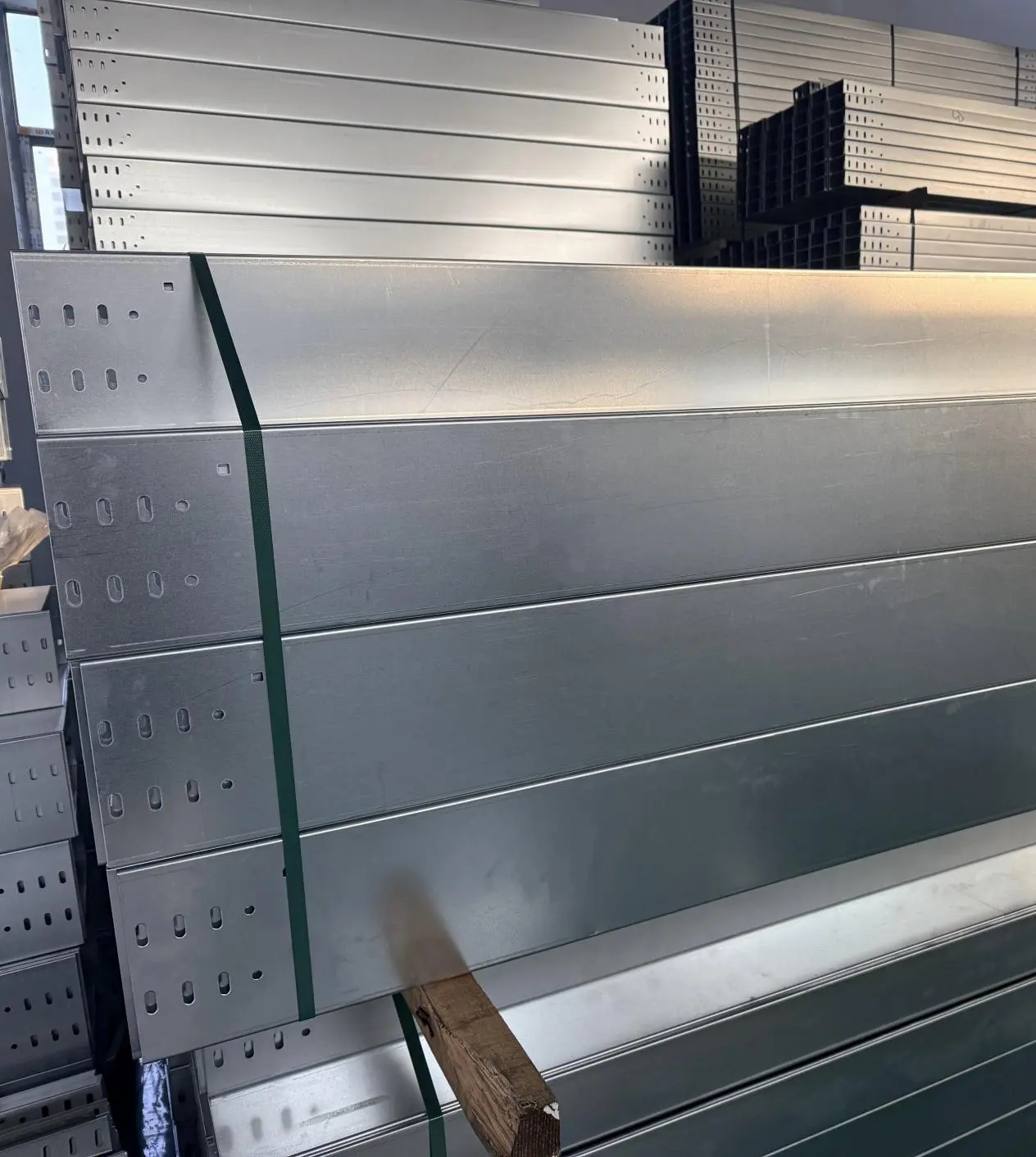

What is Cable Tray? Applications of Different Types of Cable Trays
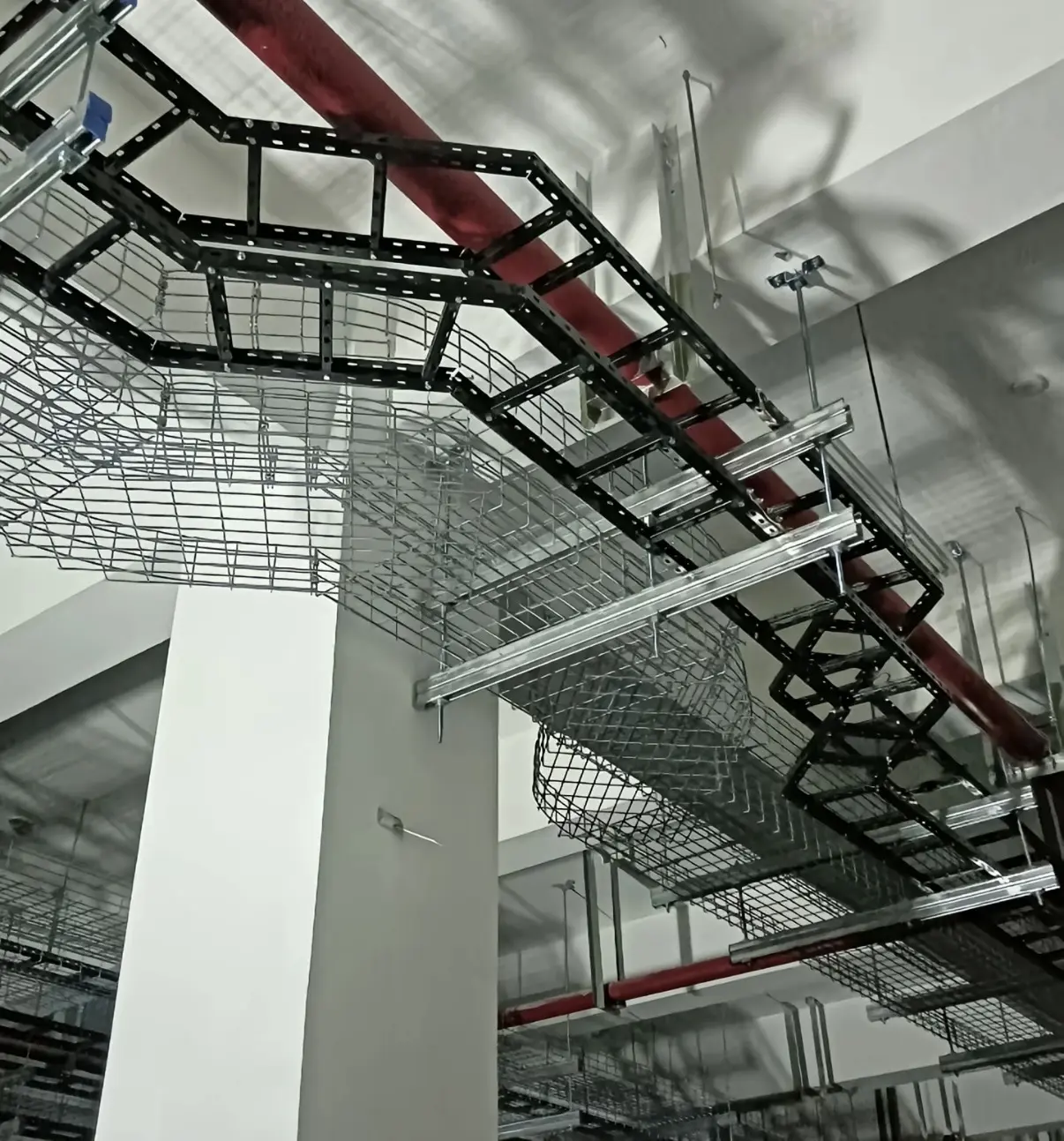
A cable tray is a structural component used to support and manage electrical cables and wires in various industrial, commercial, and residential settings. It provides a safe and organized pathway for cables, preventing damage and ensuring compliance with electrical standards. Cable Trays are widely used in electrical wiring systems where open, easily accessible cable management is required.
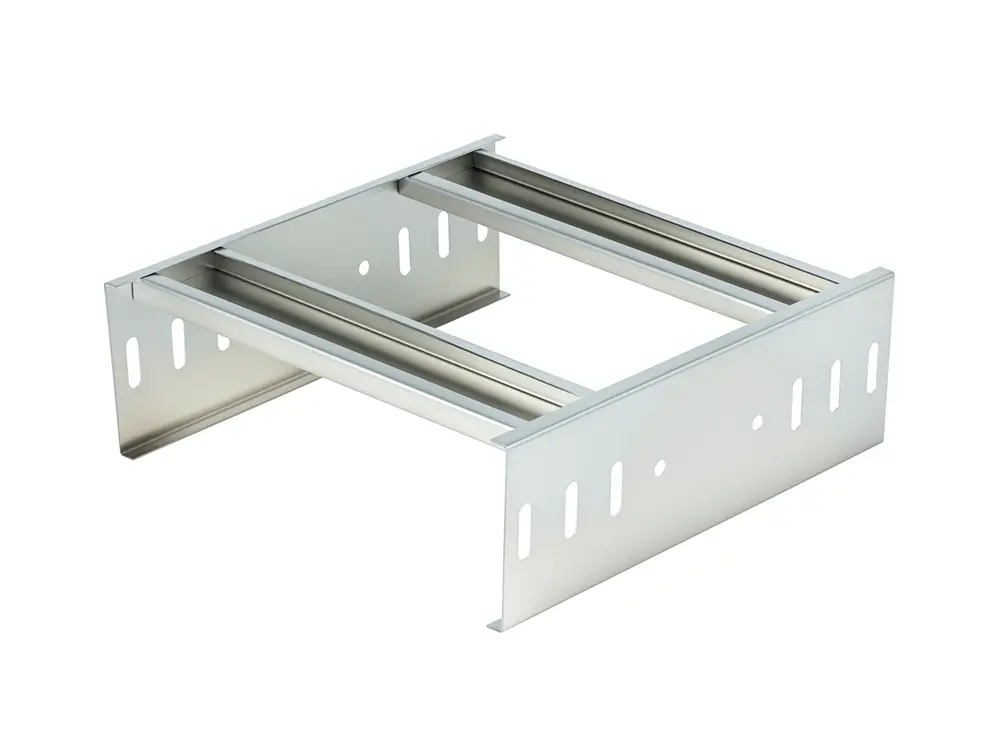
Types of Cable Trays
Cable trays come in different types, each designed for specific applications and environments. The most common types include:
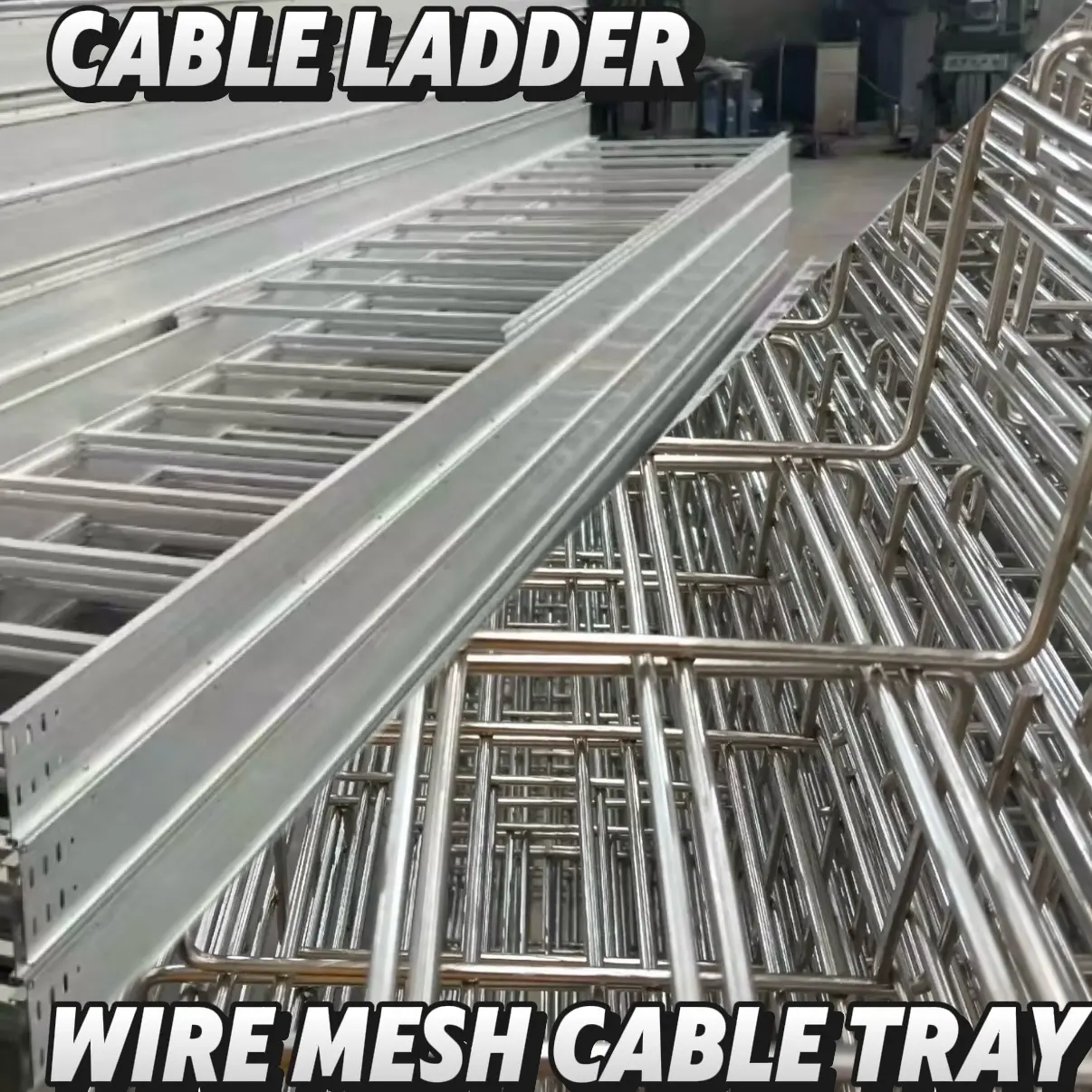
- Consists of two side rails connected by crossbars, resembling a ladder.
- Offers excellent ventilation and heat dissipation, making it ideal for high-power cables.
- Provides easy access for cable installation and maintenance.
2.Solid Bottom Cable Tray
- Features a continuous bottom surface without ventilation holes.
- Provides maximum protection for cables against external elements like dust, dirt, and moisture.
- Suitable for sensitive communication and fiber optic cables.
- Similar to solid bottom trays but with perforations for airflow.
- Balances cable protection and ventilation, reducing the risk of overheating.
- Often used in power and control cable management.
4.Wire Mesh Cable Tray (Basket Tray)
- Constructed from wire mesh, allowing high airflow and flexibility.
- Lightweight and easy to install, commonly used in data centers and IT infrastructure.
- Suitable for low-voltage and network cabling.
5.Trough Cable Tray
- Features a solid or ventilated bottom with side rails.
- Used for moderate cable support and protection in various environments.
Advantages of Using Cable Trays
Cable trays offer numerous benefits over other cable management systems such as conduit wiring. Some of the key advantages include:
- Ease of Installation:Cable trays simplify cable routing and expansion compared to conduit systems, reducing labour and installation time.
- Improved Safety:They provide better cable organization, reducing the risk of electrical faults, overheating, and mechanical damage.
- Cost-Effectiveness:They require fewer materials and less labor than conduits, making them a cost-efficient solution.
- Scalability:Easily expandable and adaptable for future cable additions and modifications.
- Better Ventilation:Open-design cable trays enhance airflow, preventing excessive heat buildup and improving cable lifespan.
Applications of Cable Trays
Cable trays are widely used across various industries and sectors, including:
- Industrial Facilities:Power plants, manufacturing plants, and processing units use cable trays to manage high-voltage power and control cables.
- Commercial Buildings:Office buildings, shopping malls, and hotels integrate cable trays for structured electrical and data cabling.
- Data Centers:Used for routing network cables, ensuring efficient airflow and minimizing electromagnetic interference.
- Hospitals and Healthcare Facilities:Provide safe cable management for critical medical equipment wiring.
- Transportation Infrastructure:Airports, railway stations, and tunnels employ cable trays for power and communication cabling.
Cable Tray Materials and Coatings
Cable trays are available in various materials and finishes to suit different environmental conditions. Common materials include:
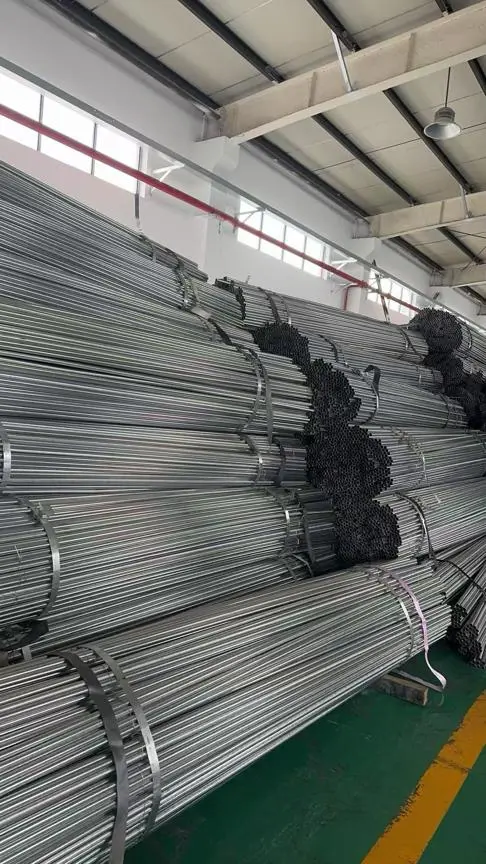
- Pre-Galvanized Steel:Offers high durability and strength, cost-effective, and corrosion-resistant.
- HDG-Galvanized:Provides high corrosion resistance.
- Aluminum:Lightweight, corrosion-resistant, and ideal for outdoor or marine applications.
- Stainless Steel:Highly resistant to corrosion, used in harsh and chemical-prone environments.
- Fiberglass Reinforced Plastic (FRP):Non-metallic and resistant to chemicals, making it ideal for corrosive settings.
- Powder Coating:Fire-retardant, visually appealing, corrosion-resistant, and cost-effective.
Installation Considerations
To ensure the efficient and safe use of cable trays, the following factors should be considered:
- Load Capacity:Ensure the tray can support the weight of the cables without deformation.
- Environmental Conditions:Choose materials resistant to moisture, chemicals, and temperature extremes.
- Cable Management:Properly secure and route cables to prevent tangling and maintain accessibility.
- Compliance with Standards:Follow local electrical codes and industry standards such as NEMA, IEC, and NEC for proper installation.
Conclusion
Cable trays are essential components of modern electrical infrastructure, offering efficient, scalable, and safe cable management solutions. With different types like Ladder Cable Tray, Trough Cable Tray, Perforated Cable Tray, and Wire Mesh Cable Tray, along with a variety of materials including Galvanized and HDG coatings, selecting the right cable tray depends on specific project needs, environmental factors, and compliance requirements. Whether in industrial settings, commercial buildings, or data centers, cable trays enhance cable organization, safety, and performance, making them an indispensable part of electrical installations.