





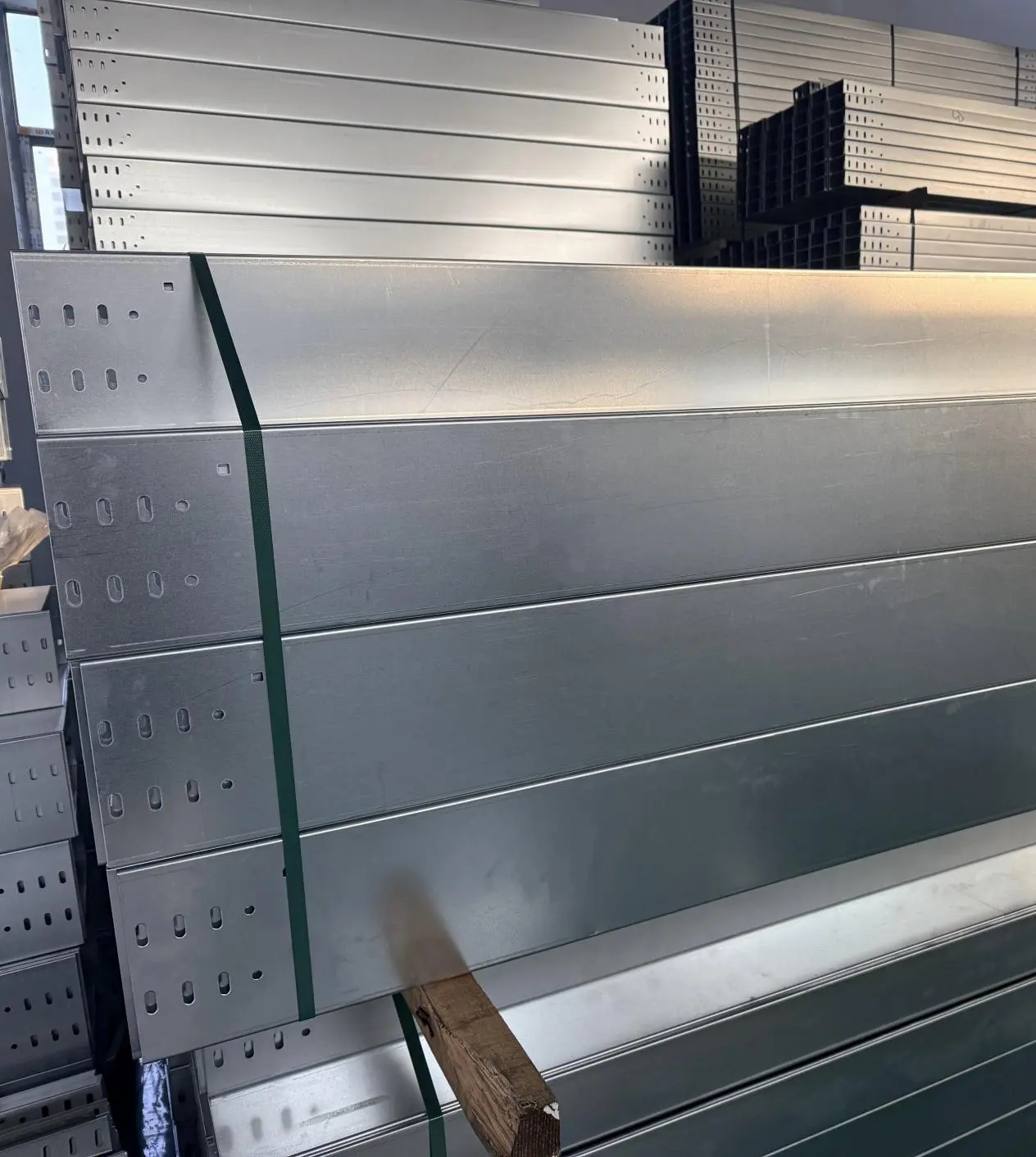

What Are the Advantages of Hot-Dip Galvanized Cable Trays?
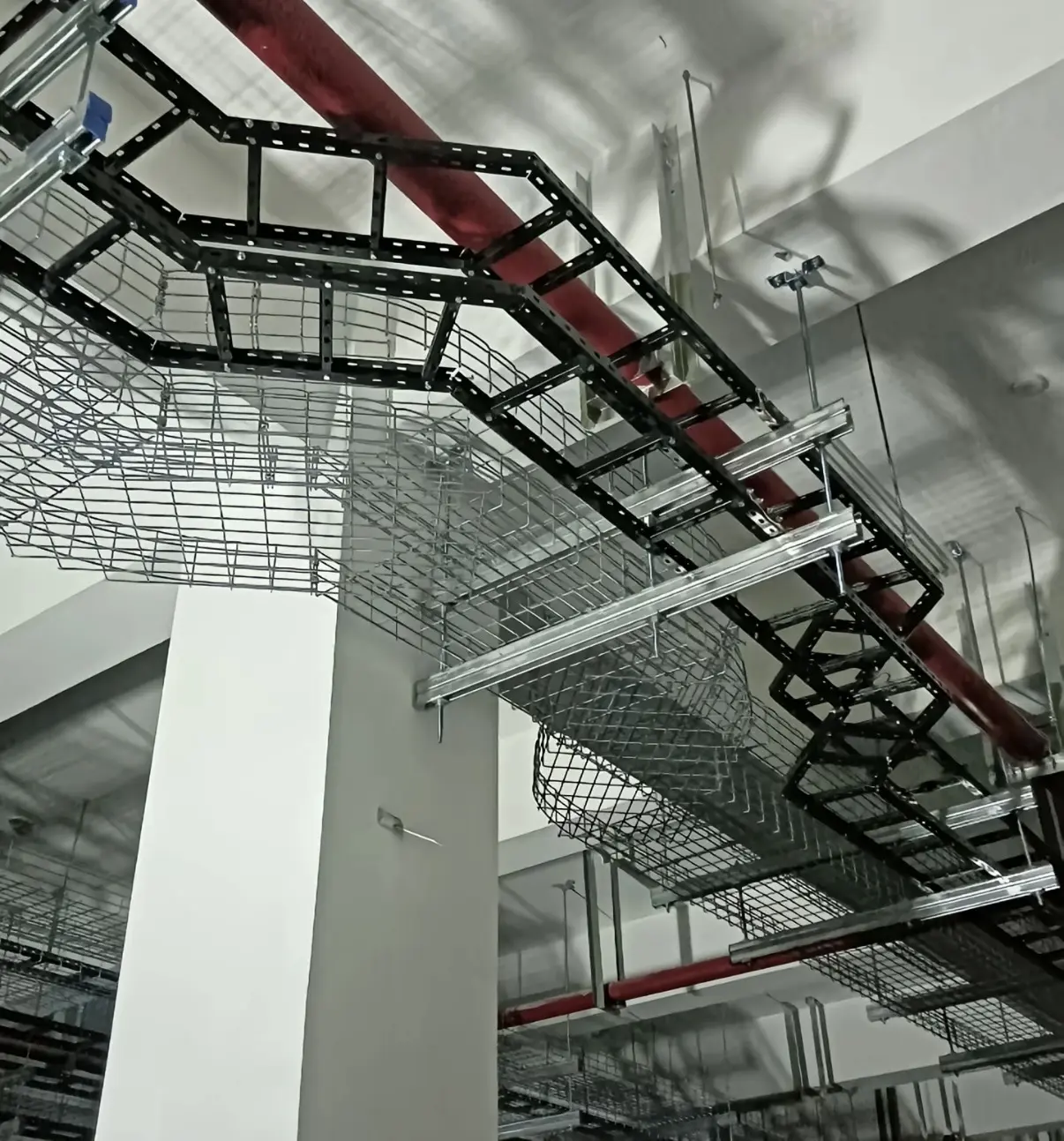
In modern infrastructure and industrial systems, Cable Trays serve as the backbone for organizing and protecting electrical wiring. Among the various types available,hot-dip galvanized (HDG) cable trays stand out for their robustness and longevity. This essay examines the unique advantages of HDG cable trays by exploring their definition, working principles, and performance characteristics, supported by scientific and industrial insights.
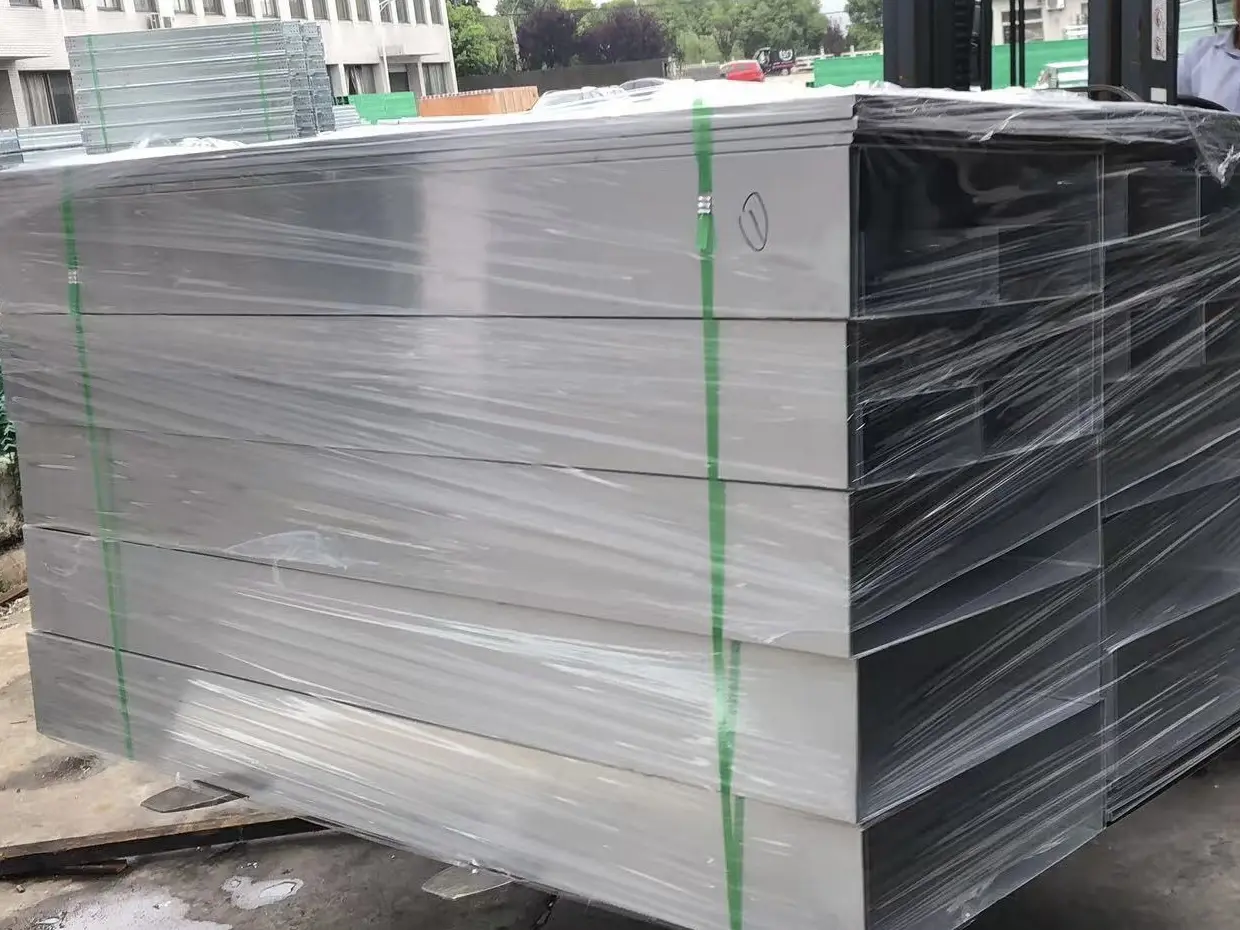
1.What is a Hot-Dip Galvanized Cable Tray?
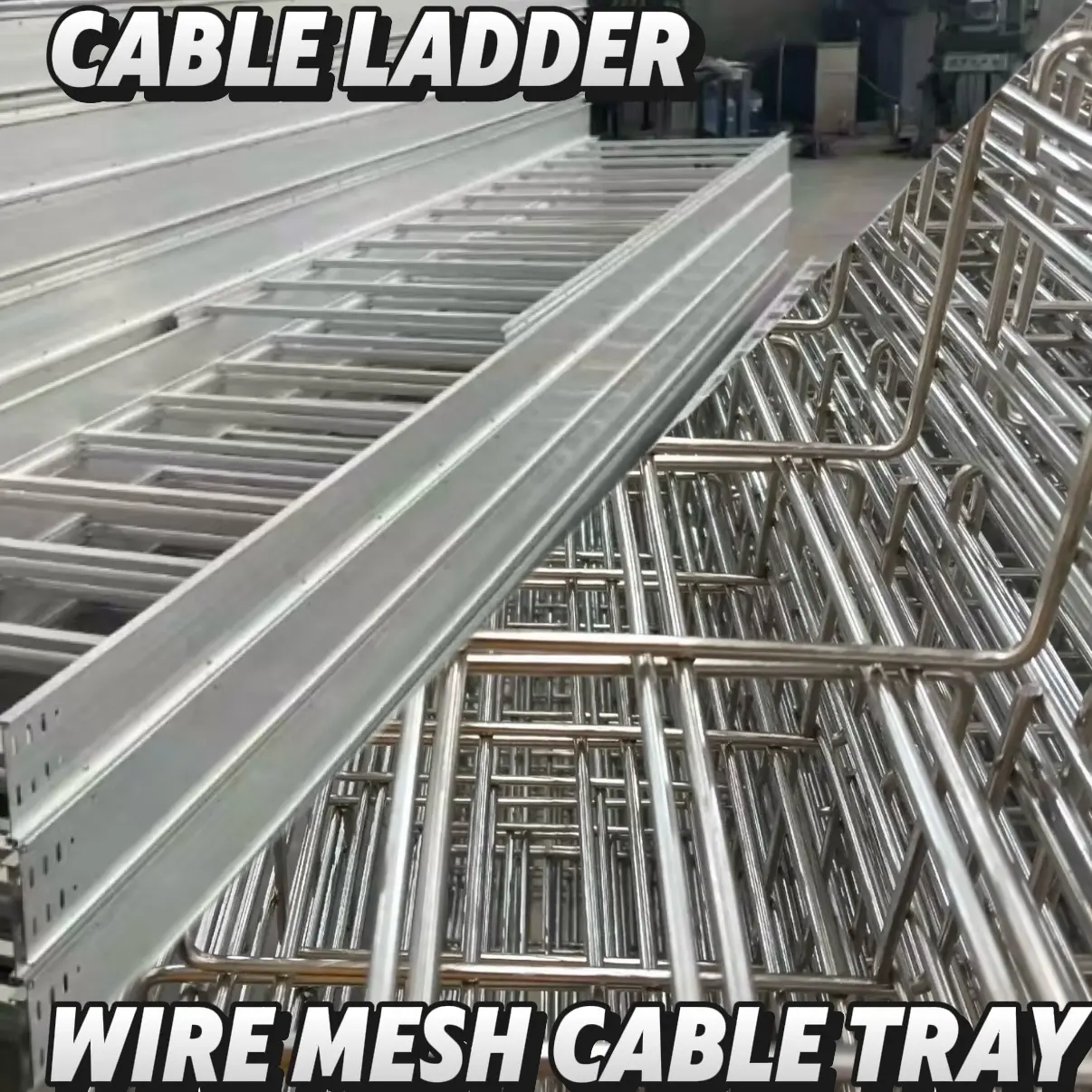
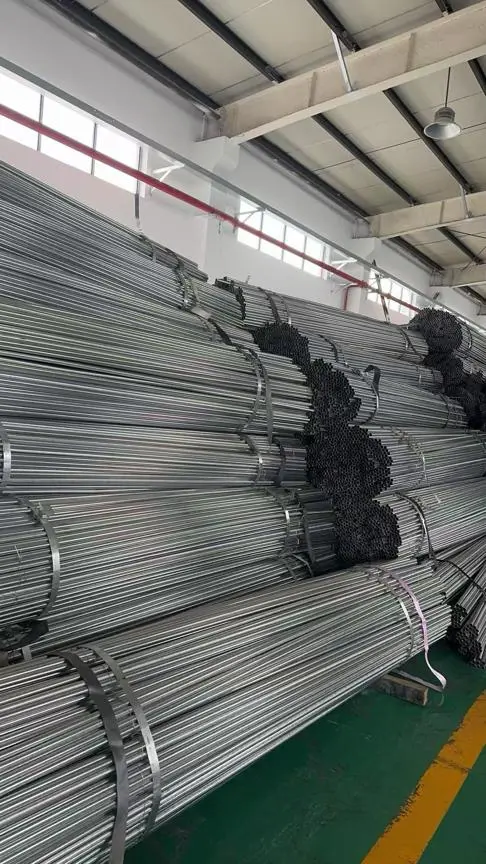
A hot-dip galvanized cable tray is a steel framework used to route electrical cables safely. Unlike standard steel trays, Hdg Trays undergo a specialized galvanization process where the steel is immersed in a bath of molten zinc at approximately 450°C (842°F). This creates a metallurgically bonded zinc-iron alloy coating on the tray’s surface. The result is a product with enhanced resistance to corrosion, mechanical damage, and environmental stressors. HDG trays are widely deployed in harsh environments such as chemical plants, marine facilities, and outdoor installations, where exposure to moisture, chemicals, or salt accelerates metal degradation.
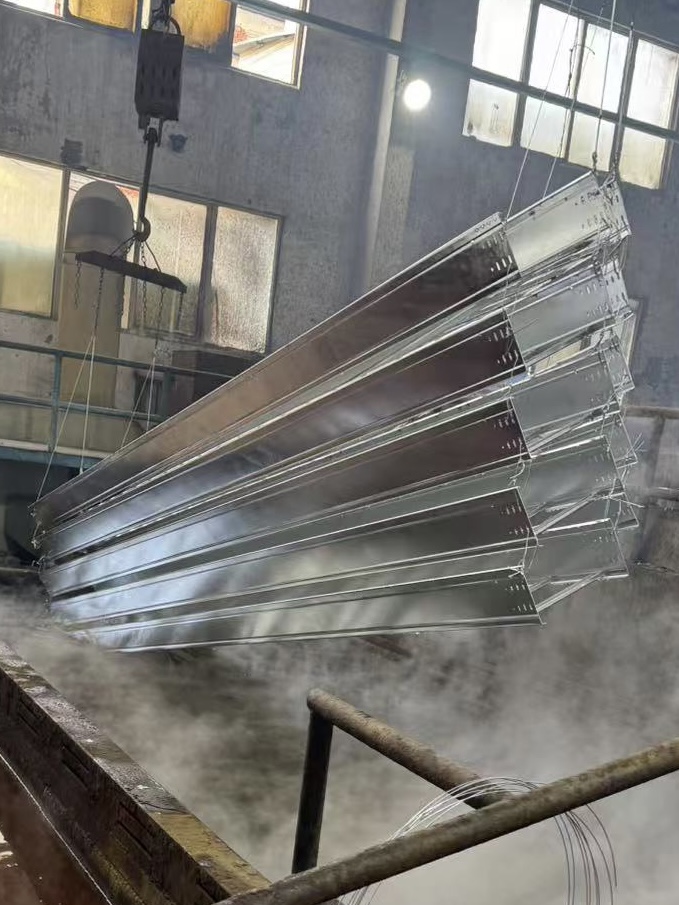
2.The Principle of Hot-Dip Galvanization
The durability of HDG trays arises from the electrochemical protection provided by zinc. When steel is submerged in molten zinc, four distinct alloy layers form on its surface: a pure zinc outer layer and three intermediate layers of increasing iron content. These layers create a barrier against corrosive agents while also offering sacrificial protection. If the coating is scratched, zinc oxidizes preferentially to steel, preventing rust from spreading—a phenomenon termed "cathodic protection."
The thickness of the zinc coating (typically 70–150 microns) can be adjusted based on environmental demands. For example, trays installed in coastal regions with high salinity require thicker coatings to counteract accelerated corrosion. This adaptability ensures HDG trays deliver reliable performance across diverse conditions.
3.Performance Characteristics of Hot-Dip Galvanized Cable Trays
3.1 Unparalleled Corrosion Resistance
HDG trays excel in resisting rust, even in aggressive environments. According to the American Galvanizers Association (2022), a 100-micron zinc coating can protect steel for over 50 years in rural settings and 20–30 years in industrial or marine zones. This far exceeds the lifespan of painted or electroplated trays, which often require recoating within 5–10 years.
3.2 Exceptional Mechanical Strength
The hot-dip process not only coats the steel but also reinforces its structure. The zinc-iron alloy layers are harder than the base steel, improving resistance to abrasion, impact, and deformation during installation. This makes HDG trays ideal for heavy-load applications, such as mining sites or power plants, where trays must withstand physical stress.
3.3 Cost-Effectiveness Over the Lifespan
While the initial cost of HDG trays is higher than non-galvanized alternatives, their minimal maintenance requirements lead to significant long-term savings. Unlike painted trays, which need regular inspections and touch-ups, HDG trays are virtually maintenance-free. Lifecycle cost analyses indicate that HDG systems reduce expenses by 30–50% over decades of use (AGA, 2022).
3.4 Adaptability to Extreme Conditions
HDG trays perform reliably in temperatures ranging from -40°C to 200°C, making them suitable for Arctic installations or high-heat industrial zones. Their non-porous surface also resists UV radiation, mold growth, and chemical spills, ensuring functionality in diverse climates.
3.5 Environmental Sustainability
Zinc is fully recyclable, and HDG trays retain their protective properties even after recycling. This aligns with global sustainability goals, reducing waste and resource consumption in construction projects.
Expanding Applications and Innovations
Beyond traditional uses, HDG trays are increasingly adopted in renewable energy infrastructure. Solar farms and offshore wind turbines, for instance, rely on HDG trays to endure saltwater exposure and extreme weather. Recent advancements, such as zinc-aluminum-magnesium coatings, further enhance corrosion resistance, extending service life in hyper-corrosive environments like wastewater treatment facilities.
Conclusion
Hot-dip galvanized cable trays offer a unique combination of durability, cost efficiency, and environmental resilience. Their sacrificial protection mechanism, coupled with minimal maintenance needs, makes them indispensable for modern electrical systems. As industries prioritize sustainability and long-term performance, HDG technology will continue to dominate the cable management sector.
Reference
American Galvanizers Association. (2022). *The Economics of Hot-Dip Galvanizing*. Retrieved from https://www.galvanizeit.org