



The Role of Cable Tray in Underground Garage
Introduction
Why Cable Management Matters in Underground Garages
Underground garages are more than just spaces for vehicles—they are critical nodes in a building's infrastructure, often overlooked yet deeply intertwined with its safety and functionality. Beneath the concrete and steel lies a complex web of electrical, communication, and fire safety systems. Managing these systems efficiently is not merely an engineering preference—it is a necessity. Proper cable management ensures operational integrity, reduces hazards, and simplifies maintenance. Neglected or haphazard wiring can lead to performance issues, code violations, and even catastrophic failures.
Overview of Cable Tray Systems and Their Growing Importance
Cable tray systems have emerged as indispensable components in modern construction, particularly in environments like underground garages. They provide a structured, secure, and scalable solution for routing cables across vast expanses without clutter or confusion. As urban development densifies and parking structures grow more complex, the demand for robusT Cable Tray systems continues to rise. Their importance is magnified in subterranean settings where visibility is low, airflow is limited, and accessibility can be constrained.
Understanding Cable Trays: A Quick Primer
What Is a Cable Tray?
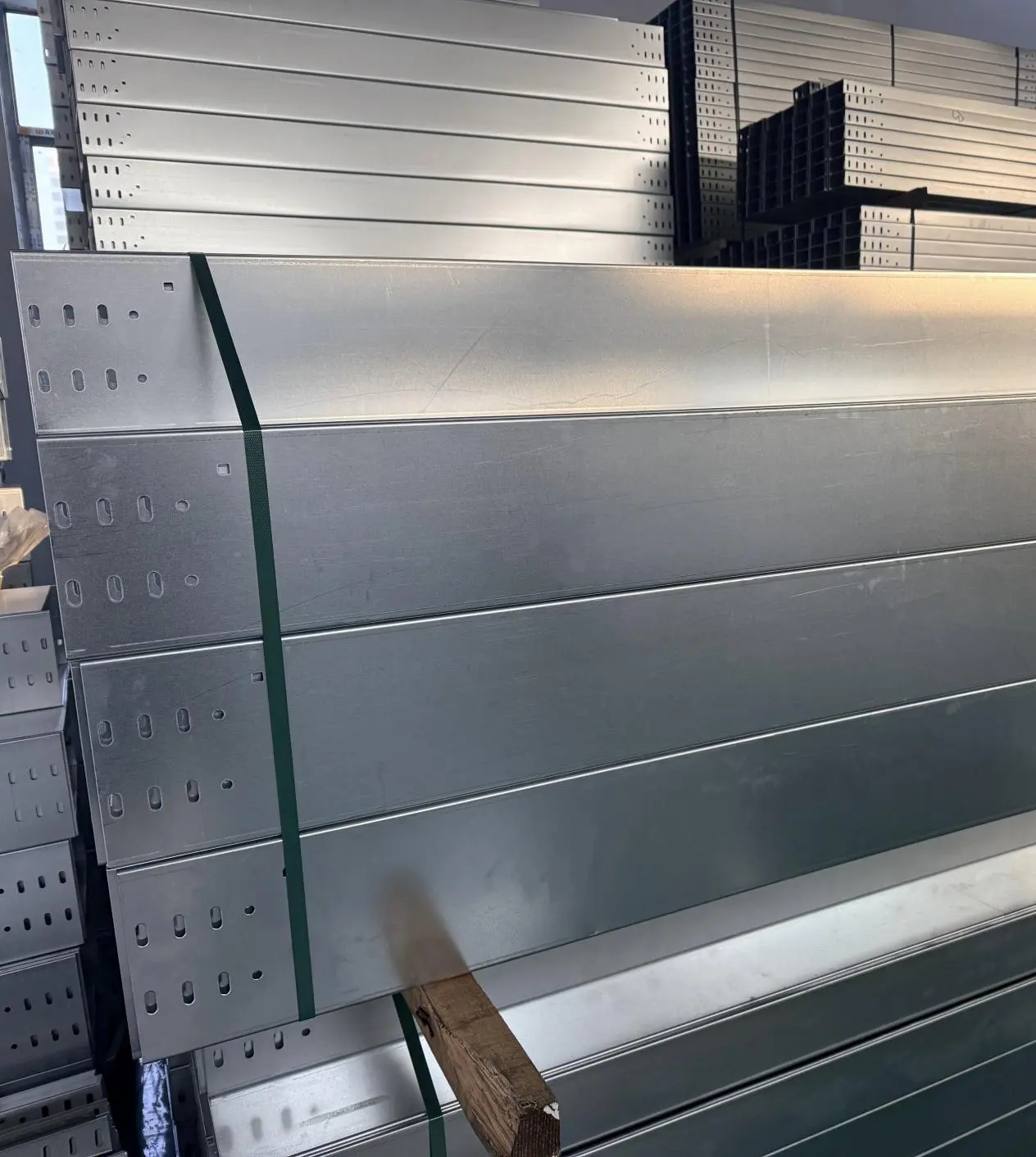
A cable tray is a structural system designed to support and route electrical and data cables across buildings and industrial sites. Unlike conduits that enclose wires, cable trays allow for open-air routing, making inspections and modifications significantly easier. They serve as both a physical support and a protective framework, promoting safety, organization, and efficiency.
Types of Cable Trays Used in Commercial and Industrial Spaces
Cable trays come in various configurations tailored to different applications:
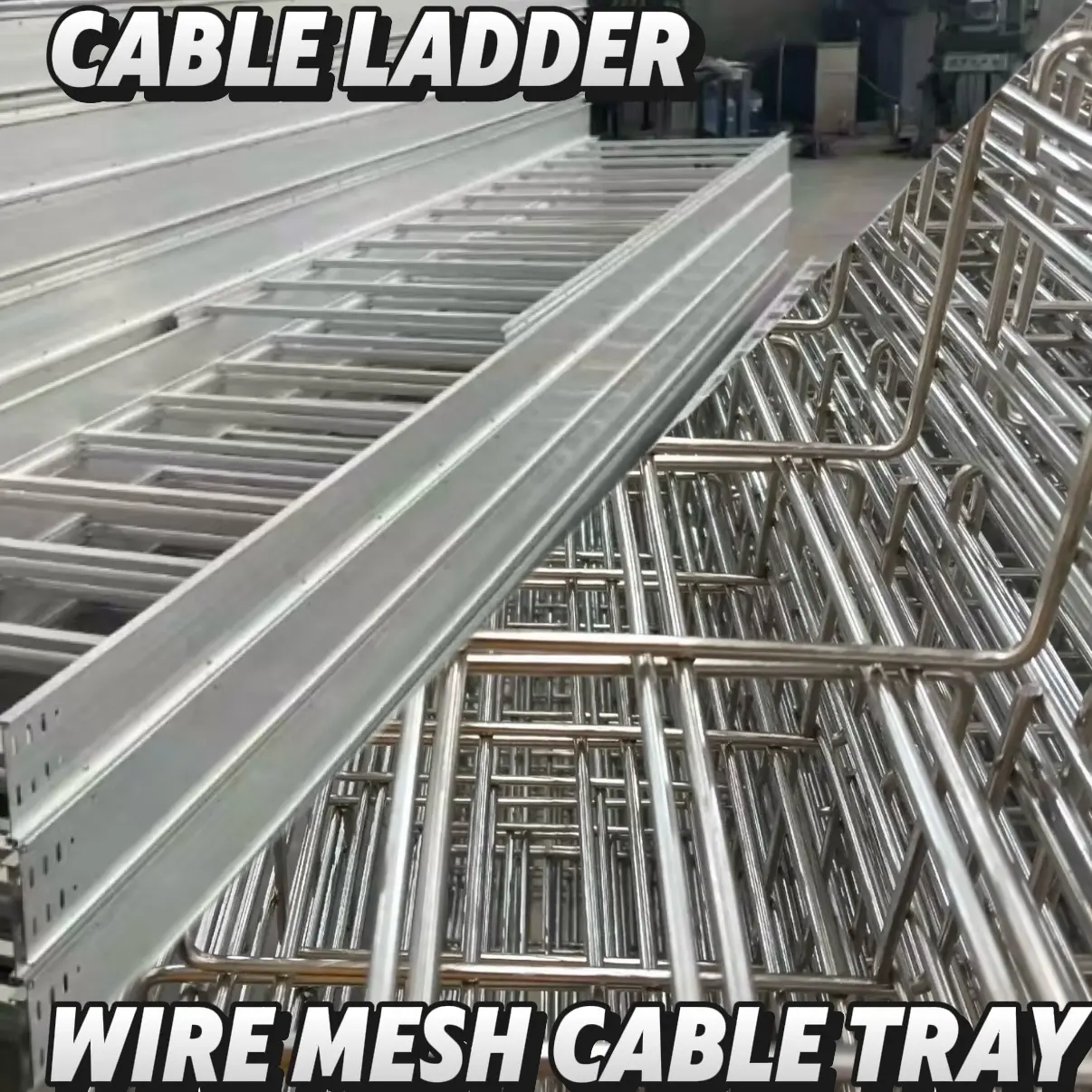
Ladder-type trays: Designed for heavy-duty power cables, offering strength and ample ventilation.
Trough trays: Used for moderate-load situations, balancing protection with accessibility.
Solid-bottom trays: Ideal for sensitive circuits, shielding them from electromagnetic interference and environmental contaminants.
Wire Mesh Trays: Flexible and lightweight, often used for telecommunications and low-voltage systems.
Each type serves a specific purpose, contributing to the overall reliability and manageability of the electrical network.
Materials Used: Steel, Aluminum, PVC, and Their Pros and Cons
The choice of material plays a pivotal role in a cable tray’s durability and performance:
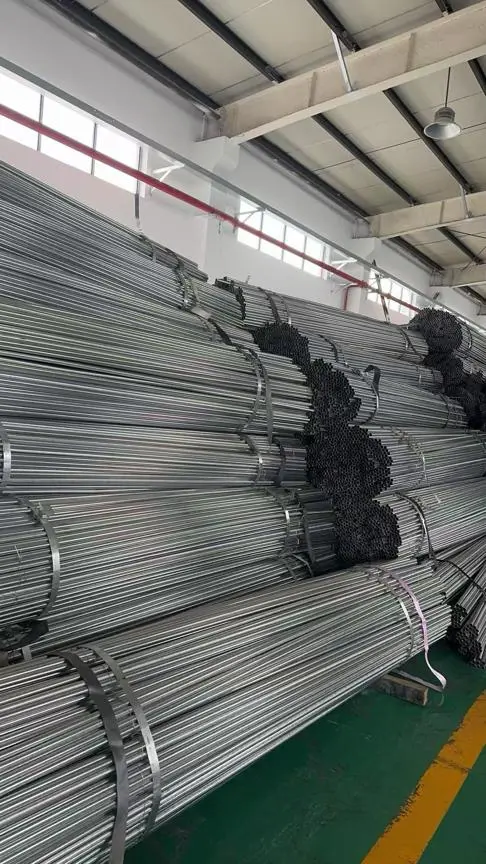
Steel: High tensile strength and load capacity, but susceptible to corrosion if not properly galvanized or coated.
Aluminum: Lightweight, corrosion-resistant, and easy to install, though it may lack the strength needed for heavy-duty scenarios.
PVC (Polyvinyl Chloride): Non-conductive and resistant to chemicals, ideal for highly corrosive environments but not suitable for high-heat applications.
Selecting the appropriate material depends on environmental conditions, weight demands, and installation preferences.
Unique Challenges of Underground Garage Infrastructure
Environmental Conditions: Moisture, Corrosion, and Temperature Fluctuations
Underground garages are inherently susceptible to moisture ingress and condensation, both of which accelerate corrosion and degrade electrical components. Variability in temperature, often exacerbated by vehicle emissions and limited ventilation, can cause cable insulation to crack or warp. Cable trays must be engineered to resist these elements through coatings, drainage designs, and corrosion-resistant materials.
Space Constraints and Architectural Limitations
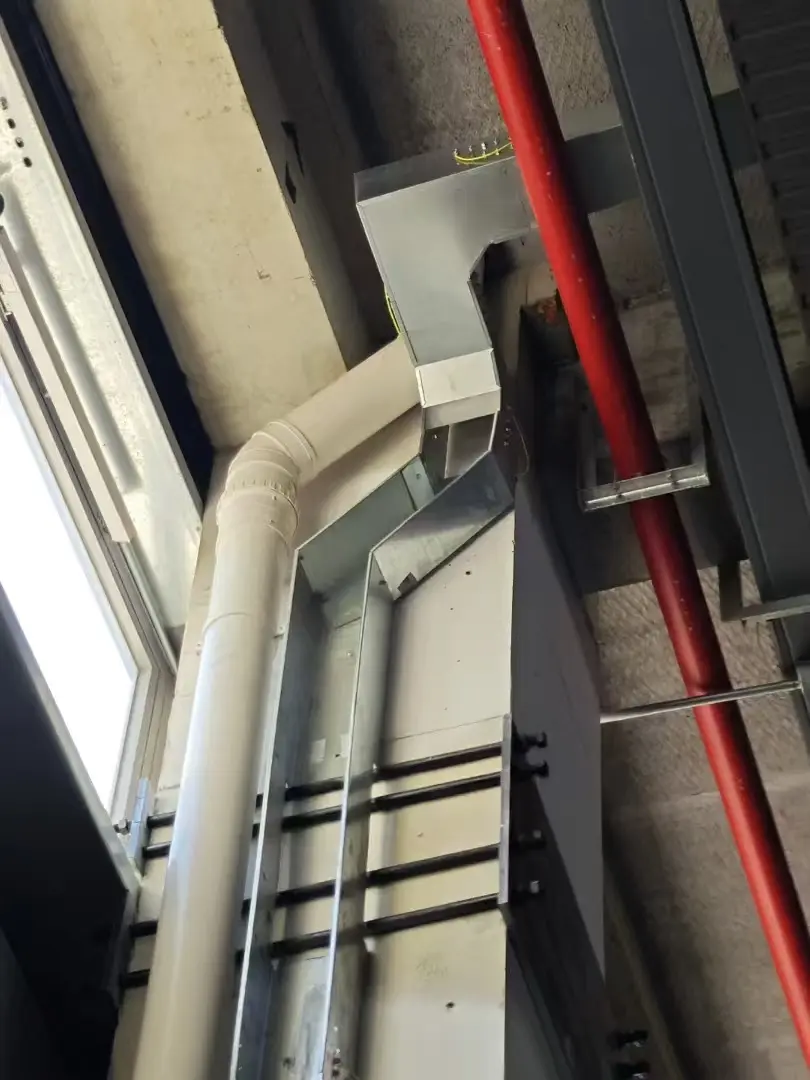
Space in underground garages is at a premium. Low ceiling clearances, narrow service corridors, and structural columns all present obstacles to efficient cable routing. Cable trays offer flexibility in mounting orientation—whether ceiling-suspended, wall-mounted, or embedded within slabs—allowing for creative solutions that maximize usable space.
Fire Safety and Emergency Accessibility Requirements
Fire in an underground garage is a high-risk scenario due to confined spaces and combustible materials. Cable trays must comply with fire-resistance standards and facilitate rapid identification and access to emergency systems. Using fire-retardant materials and incorporating fire-stopping barriers are critical practices that can contain hazards and protect lives.
The Critical Role of Cable Trays in Underground Garages
Ensuring Organized and Safe Electrical Routing
Disorganized wiring can quickly become a liability. Cable trays bring coherence and clarity to cable networks, reducing the risk of entanglements, abrasion, and shorts. Organized systems are easier to inspect and upgrade, ensuring long-term operational stability.
Supporting Multiple Cable Types: Power, Lighting, Security, and Communication
Modern garages require more than just lighting and power. Surveillance systems, access control panels, fire alarms, and data networks all demand their own cabling. Cable trays provide distinct pathways and segregation for each type, reducing signal interference and enhancing performance.
Load-Bearing and Structural Considerations in Garage Environments
Underground garages experience vibrations from vehicular movement and fluctuating loads from structural dynamics. Cable trays must be robust enough to endure these mechanical stresses without compromising alignment or safety. Engineers often calculate load ratings to prevent sagging, bowing, or collapse under weight and thermal expansion.
Enhancing Aesthetic Appeal and Reducing Visual Clutter
Even in utilitarian spaces like parking garages, aesthetics matter. Visible cable clutter detracts from the overall impression and may signal poor maintenance. Well-designed cable tray systems keep cables concealed, aligned, and neatly grouped—reflecting a high standard of building integrity.
Compliance, Safety, and Regulatory Standards
Key Electrical Codes and Standards for Cable Trays
Cable tray installations must align with regional and international codes, such as the NEC (National Electrical Code), IEC standards, and local building regulations. These codes specify load ratings, separation distances, grounding requirements, and protection standards that ensure safe operation under all conditions.
Fire-Rated Cable Management Systems in Enclosed Spaces
In fire-sensitive areas like garages, special attention is given to fire-rated systems. These include intumescent coatings, fire barriers, and specially designed trays that maintain circuit integrity under high temperatures. Their purpose is to allow critical systems—like alarms and ventilation—to function during a fire event.
Inspection, Maintenance, and Risk Mitigation Best Practices
Routine inspections are vital for early detection of wear, corrosion, and cable fatigue. Maintenance protocols often include cleaning, re-fastening of support brackets, replacing damaged sections, and updating identification labels. Proactive risk mitigation extends the lifespan of the system and reduces liability.
Installation Best Practices for Underground Garages
Planning the Layout: Avoiding Congestion and Ensuring Accessibility
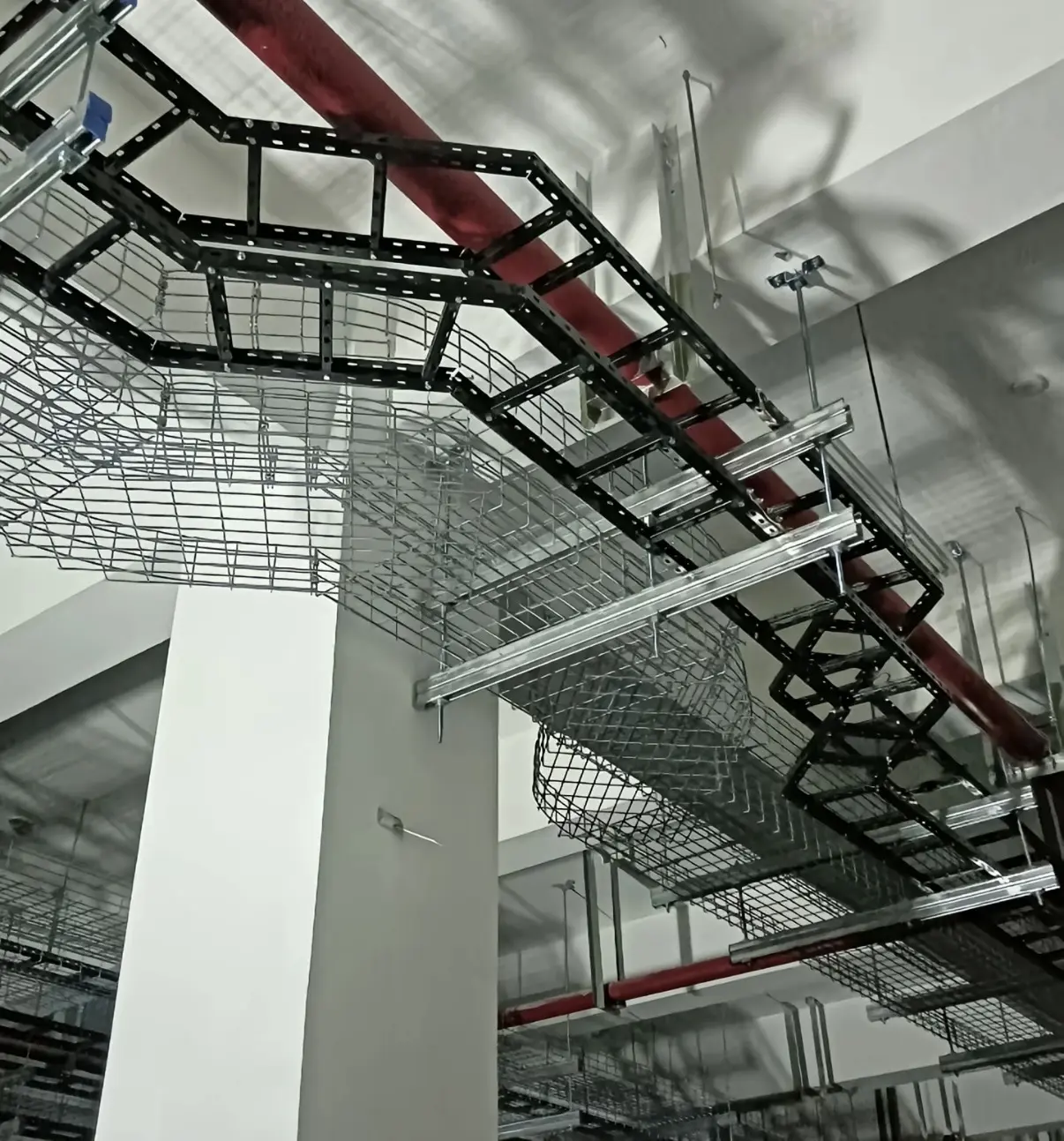
Effective cable tray deployment starts with meticulous planning. Layouts should prioritize logical routing, minimal overlaps, and future expansion capabilities. Avoiding high-traffic areas and integrating cable trays into the architectural design ensures accessibility without disruption.
Mounting Techniques: Wall, Ceiling, and Freestanding Systems
Depending on the spatial dynamics, cable trays can be mounted in several configurations:
Ceiling-suspended: Ideal for open-span areas, maximizing floor space.
Wall-mounted: Effective along corridors and perimeter zones.
Freestanding: Used when ceiling and wall structures cannot bear additional loads.
Each mounting style must account for weight distribution, vibration dampening, and seismic considerations.
Sealing and Protecting Cables from Moisture and Corrosive Elements
Sealing cable entry and exit points prevents water ingress, a common issue in subterranean structures. Protective gaskets, waterproof junctions, and corrosion-resistant fasteners are essential for long-term durability. Trays should also incorporate drainage channels where condensation is expected.
Integration with Other Infrastructure: HVAC, Plumbing, and Security Systems
Cable trays must harmonize with other building systems to prevent interference and ensure coordinated functionality. Spacing from HVAC ducts prevents thermal damage, while separation from plumbing avoids contamination risks. Collaborative design with MEP (Mechanical, Electrical, Plumbing) professionals streamlines installation and minimizes conflict.
Future Trends in Cable Tray Systems for Parking Facilities
Sustainable Materials and Energy Efficiency Considerations
Eco-conscious construction is driving demand for recyclable and low-carbon materials in cable trays. Lightweight composites, reduced packaging waste, and efficient logistics contribute to greener building practices. Additionally, intelligent cable routing minimizes power loss and enhances system efficiency.
Conclusion
Recap of Cable Tray Importance in Garage Safety and Efficiency
Cable trays are the silent sentinels of modern underground garages—quietly supporting, organizing, and protecting the veins of power and data that bring these spaces to life. Their role in safety, functionality, and aesthetics cannot be overstated.
Final Thoughts on Optimizing Underground Garage Infrastructure Through Effective Cable Management
As underground garages grow more complex, the imperative for smart, durable, and code-compliant cable tray systems becomes clear. Investing in thoughtful design and quality materials not only protects assets but also future-proofs infrastructure in an ever-evolving urban landscape.