






The Art of Cabling in Airport Terminals: How Wire Mesh Cable Trays Balance Aesthetics and Functionality
The Complexity of Airport Terminal Cabling
Airport terminals represent one of the most demanding environments for cable infrastructure. They are technological nerve centers, where dozens of subsystems converge into a singular operational ecosystem. HVAC systems hum quietly above. Surveillance cameras feed real-time footage to control rooms. Lighting, sound, and digital signage rely on a constant power and data flow.
This convergence introduces significant challenges. The density and diversity of cables—from high-voltage power lines to low-voltage fiber optics—require a meticulous approach to organization and separation. The solution must be scalable, accommodating future upgrades and expansions without disrupting daily operations.
Adding to the complexity is the airport’s unyielding schedule. There is no “off-hours.” Maintenance, repair, and modification must happen within tight windows, with minimal interference to passengers or staff. Flexibility and access are non-negotiable.
Why Wire Mesh Cable Trays Are Gaining Ground
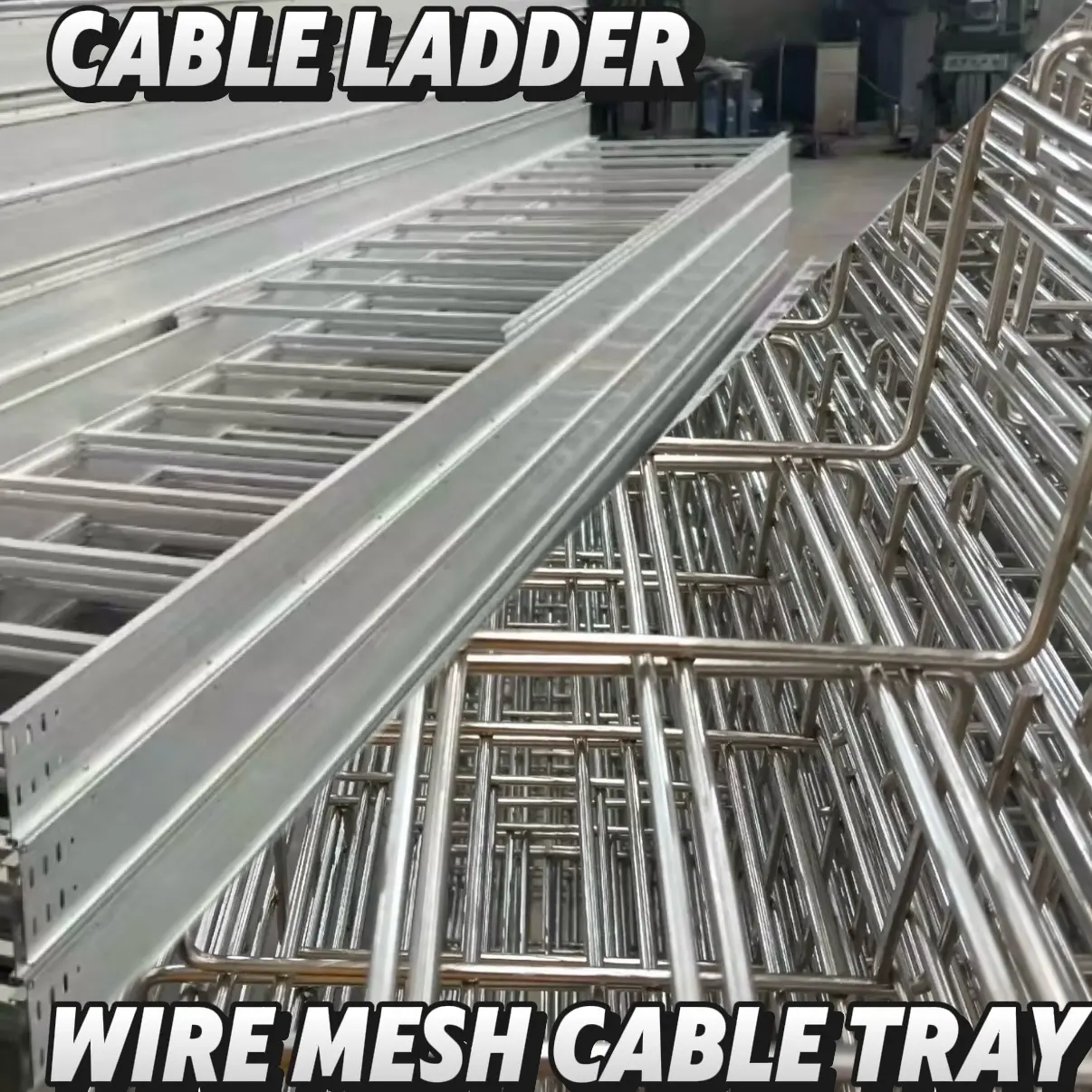
Amidst the evolving landscape of terminal construction, wire mesh cable trays have emerged as a standout solution. Traditionally, ladder and solid-bottom trays dominated the industry. But the shift toward lighter, more adaptable infrastructure has given Wire Mesh Trays a competitive edge.
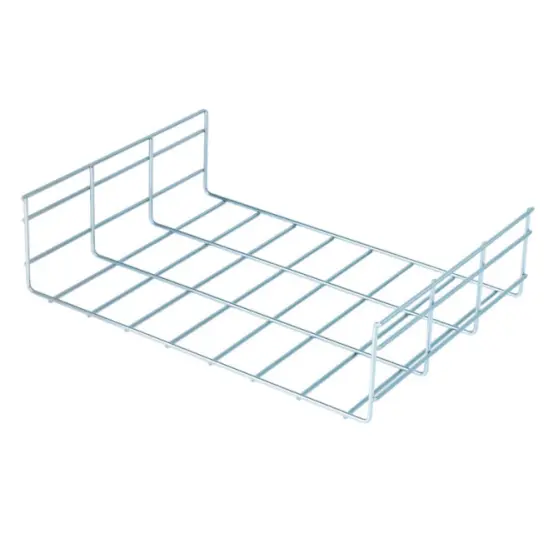
Their appeal lies in their elegant simplicity. Constructed from welded steel wires, these trays offer a robust yet lightweight framework that can be effortlessly cut, shaped, and installed. Installers can adapt trays on-site, weaving them around structural obstructions or integrating them with new systems without extensive re-engineering.
Design Meets Utility: Aesthetic Considerations in Modern Terminals
The modern airport terminal is more than a transit hub—it is a statement of design, culture, and innovation. As architectural trends embrace transparency, light, and openness, ceiling spaces are increasingly left exposed, revealing the veins of the building’s inner workings.
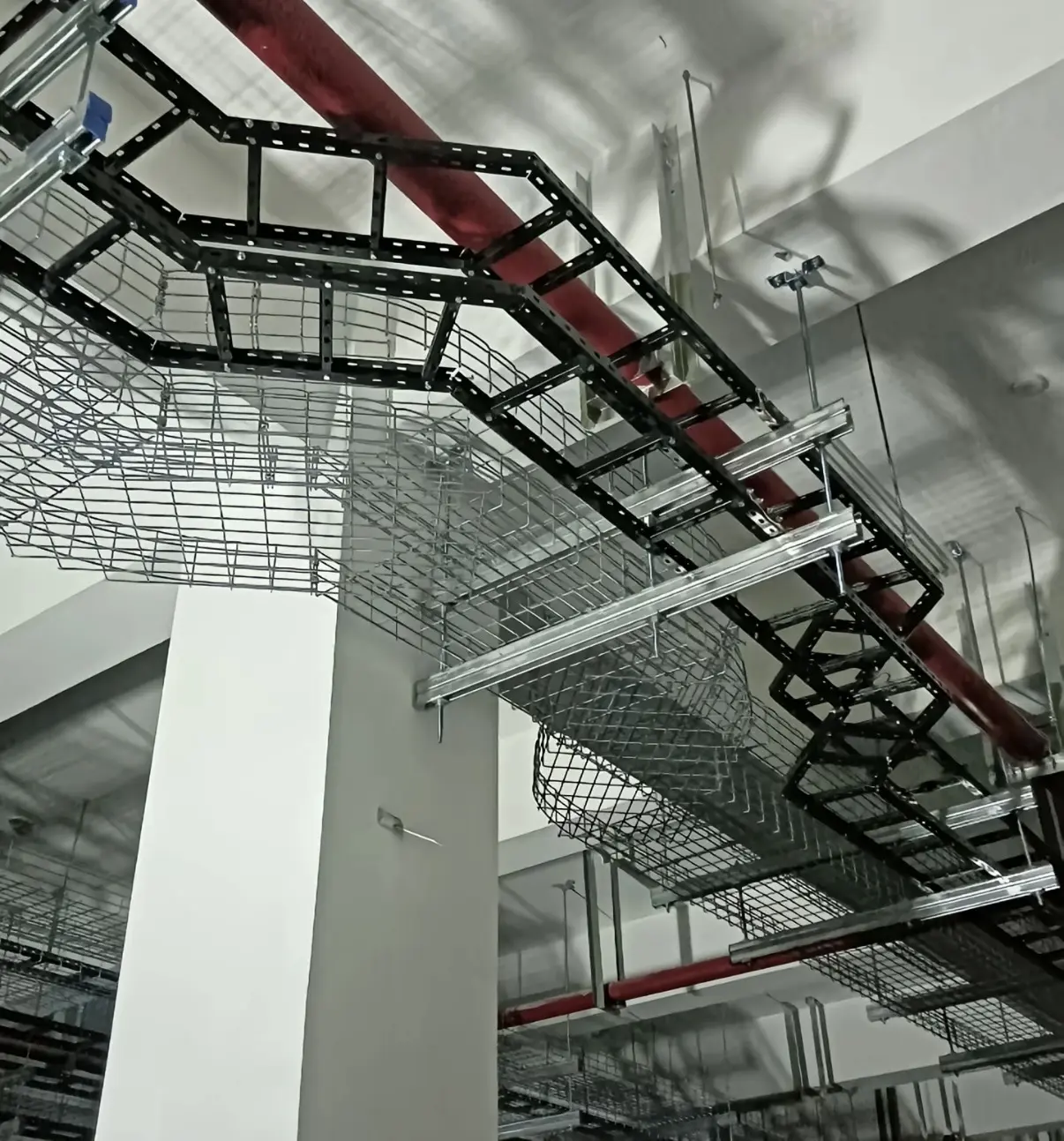
In this context, the visual language of infrastructure matters. Wire mesh trays offer a refined industrial aesthetic that complements rather than detracts from architectural vision. Their open-grid structure appears lightweight and orderly, contrasting favorably with the bulky appearance of traditional systems.
To further enhance visual integration, trays can be powder-coated in custom colors, harmonizing with structural elements or serving as wayfinding cues. When properly aligned and routed, wire mesh trays become part of the design narrative—subtle yet intentional.
Performance Under Pressure: Functional Advantages in Aviation Settings
Beyond their visual appeal, wire mesh trays deliver a suite of functional advantages perfectly suited to the aviation sector. Chief among these is thermal performance. The open-grid design promotes unobstructed airflow around cables, reducing heat buildup and contributing to longer cable lifespans.
Durability is equally vital. Wire mesh trays, despite their lightweight construction, are engineered for resilience. Their load-bearing capacity accommodates dense cabling without deformation, and their rigidity supports long spans with minimal deflection.
Maintenance teams value the accessibility these trays provide. Cables can be added, rerouted, or removed without dismantling large sections. In scenarios where time is critical—such as emergency repairs or rapid system upgrades—this ease of access can translate into significant operational savings.
Installation Strategies for Large-Scale Terminal Projects
Installing cabling infrastructure in an airport terminal is a logistical feat, often executed in parallel with ongoing construction or renovation. Wire mesh trays lend themselves well to phased deployment strategies. Their modular format allows teams to complete discrete sections independently while maintaining alignment and continuity.
Two common configurations dominate: suspended installations, where trays hang from the ceiling on threaded rods or brackets; and wall-mounted systems, where space constraints demand vertical routing. Both methods offer stability and adaptability, depending on the terminal’s structural layout.
Wire mesh trays also integrate well with other architectural components. They can share support systems with lighting fixtures, signage mounts, or acoustic panels—minimizing visual clutter and reducing installation costs through shared infrastructure.
Safety, Compliance, and Sustainability in Airport Cabling
Safety is paramount in any airport project. Wire mesh trays meet or exceed international fire-safety codes, including flame retardancy and smoke production standards. Their open design limits the accumulation of flammable debris and allows sprinkler systems to reach cables more effectively during fire events.
Grounding and bonding are straightforward with wire mesh trays, thanks to their metallic continuity. When properly installed, they serve as an effective path to ground, reducing the risk of electromagnetic interference (EMI) and enhancing system reliability.
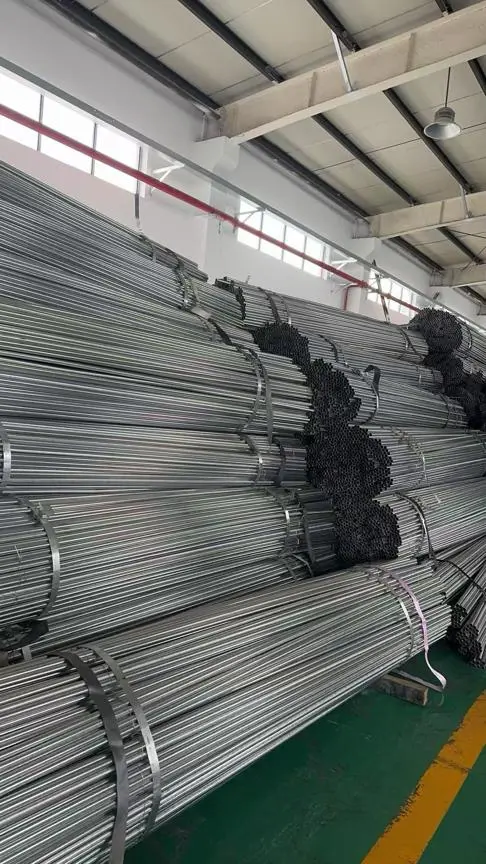
From a sustainability standpoint, wire mesh trays present a compelling case. They are manufactured from recyclable steel, often with high recycled content. Their longevity and reusability reduce the environmental impact over the life of the terminal—an increasingly important consideration in airport design strategies aimed at carbon neutrality.
Conclusion: Infrastructure That Speaks to Both Engineers and Architects
In airport terminals, where design excellence must coexist with technical rigor, wire mesh cable trays offer a rare synthesis. They are utilitarian yet elegant. Functional yet visually restrained. Adaptable yet enduring. Wire mesh trays are not merely a conduit for cables—they are a quiet partner in the architecture of movement, connection, and modernity.