






Special Requirements for Seismic Brackets in Fire Protection Systems
Why Fire Protection Systems Must Withstand Seismic Events
When earthquakes strike, the first line of defense isn't always the building's structure—it’s often the fire protection system. Earthquakes can spark fires due to ruptured gas lines, electrical faults, and combustible material spills. If the fire suppression system fails during or after a seismic event, the consequences can escalate exponentially. Fire protection systems, therefore, must not only survive the quake but remain operational in its aftermath.
Code-Driven Mandates for Seismic-Resistant Fire Infrastructure
Across seismic-prone regions, building codes have evolved to mandate rigorous requirements for bracing fire systems. These mandates are not mere bureaucratic hurdles—they are calculated engineering provisions designed to uphold life safety. National standards such as NFPA 13 and ASCE 7, along with localized interpretations, form a complex but essential regulatory landscape that guides every bracket, anchor, and restraint.
Understanding Seismic Vulnerabilities in Fire Protection Systems
How Earthquakes Impact Fire Sprinklers, Standpipes, and Suppression Equipment
Earthquake-induced motion causes oscillation, torsion, and shear forces that can dislodge or rupture fire system components. Overhead sprinklers may swing violently, causing fractures at coupling points. Standpipes and deluge valves are vulnerable to base shearing. Suppression tanks and pumps, if inadequately anchored, can shift or tip, rendering the entire system inoperable at a critical moment.
Common Failure Points: Pipes, Hangers, Valves, and Joints
Suspended fire piping is particularly prone to seismic failure. Hangers may fail under lateral loads if not properly braced. Threaded and grooved joints can separate under excessive motion. Valves, especially butterfly and check valves, can be dislocated or fractured. Every connection point becomes a potential fault line under seismic stress, and these weak links often dictate system-wide integrity.
Historical Case Studies: Fire System Failures During Major Earthquakes
The Northridge earthquake (1994) and the Kobe earthquake (1995) serve as grim reminders. In both events, widespread sprinkler pipe failures and collapsed fire system components left buildings defenseless against post-quake fires. Insurance claims and forensic engineering reports underscored a clear pattern: inadequate seismic bracing was a major contributor to fire suppression system failure.
Design and Installation Requirements for Seismic Bracing
Seismic Bracing Types: Longitudinal, Lateral, and Sway Braces
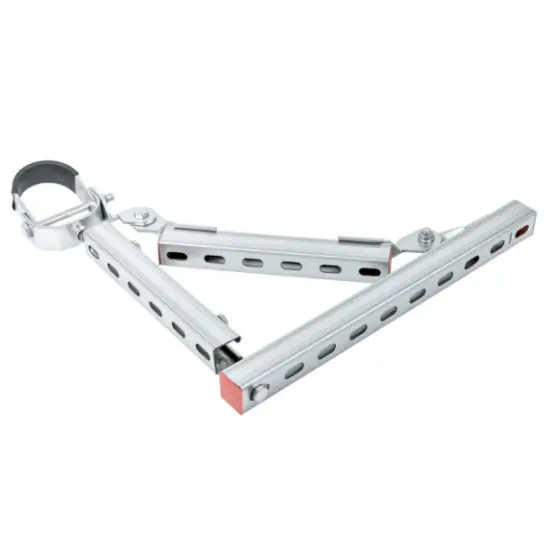
Longitudinal braces prevent axial displacement of fire piping, while lateral braces inhibit side-to-side movement. Sway bracing is used to control vibrational motion and torsional rotation. Each type plays a distinct role, and systems often require a hybrid configuration to meet force vector demands across multiple axes.
Spacing Rules, Load Path Considerations, and Anchor Strength
Braces must be installed at prescribed intervals based on pipe diameter, seismic load, and building movement tolerances. Load paths must be direct, uninterrupted, and aligned with structural members. Anchors must be rated for seismic shear and tensile forces and embedded in concrete or structural steel—never in drywall or non-structural walls.
Material Specifications and Corrosion Resistance Requirements
Materials must not only be structurally robust but also chemically resilient. Hot-dip galvanized steel is standard, but in corrosive or humid environments, stainless steel or epoxy-coated alternatives may be specified. Fasteners and clamps must match or exceed the strength of the braces they support to avoid critical failure.
Integration with MEP Layouts and Building Structure
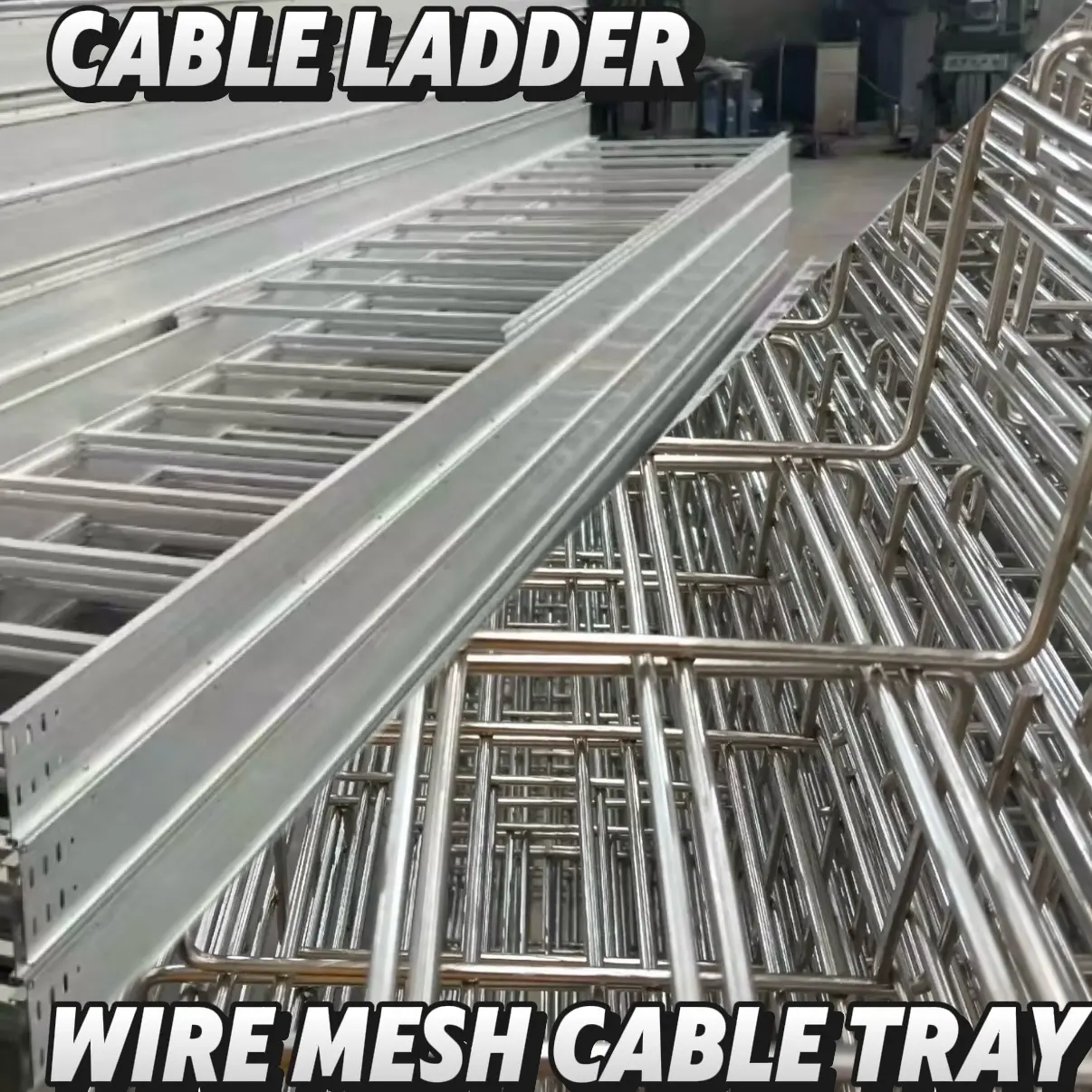
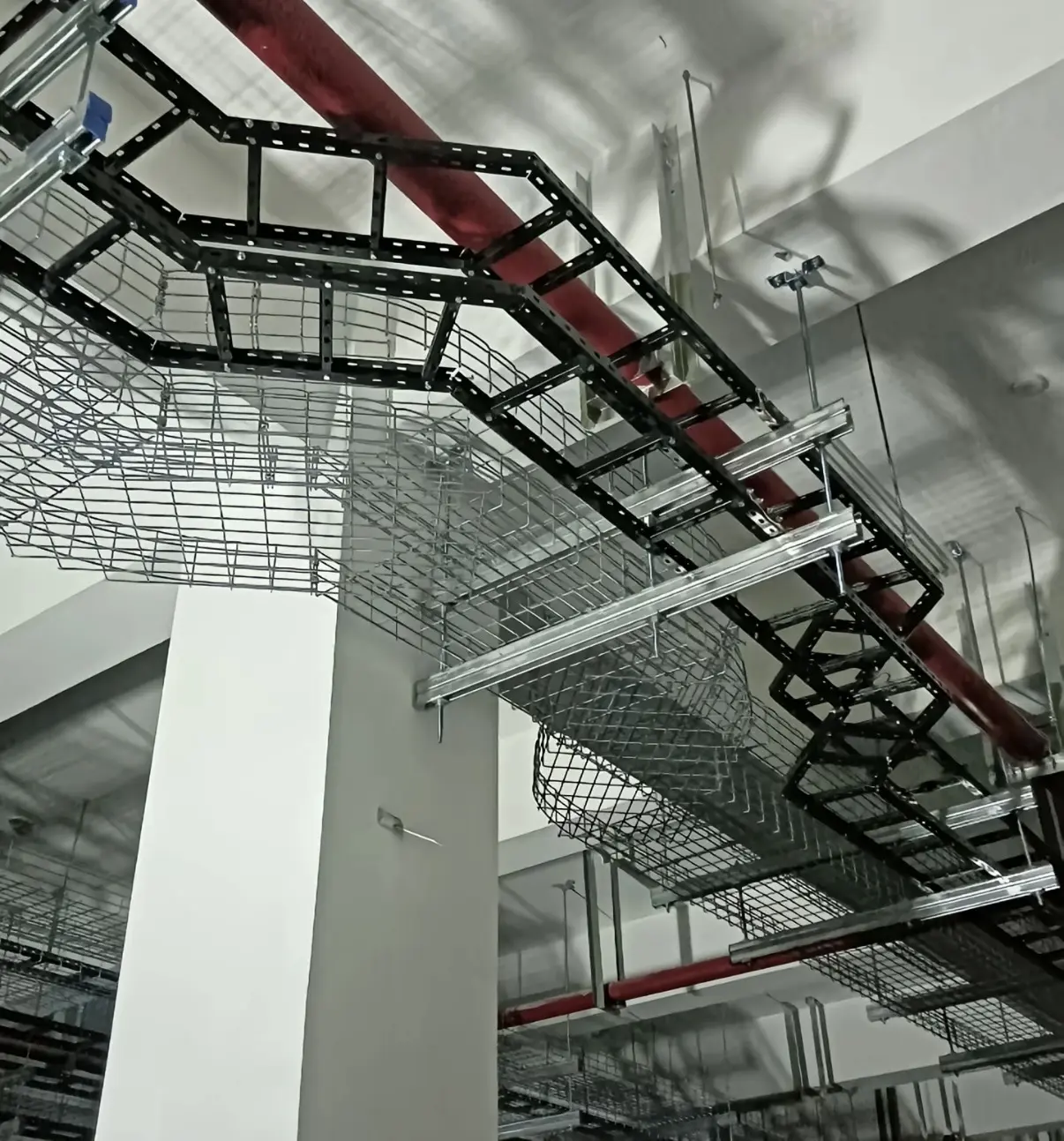
Proper coordination with other MEP systems is essential. Bracing must not conflict with HVAC ducts, lighting grids, or Cable Trays. Additionally, supports must tie into the building's structural elements without compromising their integrity or overloading weak points like partition walls or suspended ceilings.
Inspection, Testing, and Certification of Seismic Brackets
Pre-Installation Calculations and Engineering Approval
Before any bracket is installed, engineers must calculate seismic forces using site-specific data and code formulas. These calculations inform brace size, anchor type, and layout. Submittals must include detailed drawings, load analysis, and PE (Professional Engineer) stamps for final approval.
On-Site Load Testing and Verification Procedures
Many jurisdictions require proof testing or mock-up assemblies to verify bracket performance under simulated loads. Torque checks, visual inspections, and pull-out testing ensure that each bracket functions as intended. Documentation is critical, often forming part of the project's final turnover package.
Ongoing Maintenance and Re-Inspection in Seismic Zones
Even after installation, bracing systems require regular inspection. Seismic activity, renovation work, or corrosion can compromise bracket integrity over time. Maintenance protocols should include visual checks, fastener torque verification, and periodic engineering reviews to uphold long-term reliability.
Challenges and Best Practices in Fire System Seismic Bracing
Navigating Design Complexity in Constrained Spaces
Many fire systems are installed in ceilings packed with ductwork, conduits, and structural elements. Designing an effective bracing layout within these confines demands creativity, precision, and detailed spatial coordination. Every brace must be engineered not only for strength but also for spatial feasibility.
Avoiding Conflicts with Other Systems (HVAC, Electrical, Structural)
Seismic bracing must coexist with other building systems, avoiding interference with lighting, air circulation, and structural deflection zones. Collaborative design reviews and clash detection using BIM software help ensure harmony between systems during both construction and operation.
Training and Coordination for Installers and Engineers
Seismic bracing is not intuitive and requires trained installers who understand load paths, anchor preparation, and code nuances. Coordination between engineers, project managers, and tradespeople is critical to avoid misinterpretation of plans or field improvisation that can undermine compliance.
Regional Differences and Global Trends
Comparing U.S., European, and Asian Approaches to Seismic Fire Bracing
The U.S. emphasizes performance-based validation and rigorous third-party certification. Europe often relies on conservative design and harmonized technical documentation, while Asia—particularly in seismic regions like Japan and China—blends prescriptive codes with practical, high-density system applications.
The Push Toward Unified Global Compliance and Resilient Infrastructure
As international collaboration increases, there is a strong push toward harmonizing seismic design standards. Organizations like ISO are working toward universal frameworks that can simplify compliance and enhance resilience across borders.
Conclusion
Ensuring Fire Protection System Integrity During Seismic Events
A building’s ability to combat post-earthquake fires hinges on the resilience of its fire protection system—and by extension, the seismic brackets that support it. Their role is foundational yet often overlooked, despite their critical impact on life safety and property protection.
Why Specialized Bracing Saves Lives and Reduces Post-Earthquake Damage
Seismic bracing is not a design add-on—it’s a non-negotiable safeguard. Properly designed and installed brackets prevent cascading failures, safeguard emergency egress routes, and protect first responders from dangerous system malfunctions.
Steps Toward Better Design, Verification, and Long-Term Safety
The path forward lies in early-stage coordination, rigorous engineering, and continuous education. By embracing new technologies, enforcing inspection rigor, and adapting to evolving standards, the industry can ensure that fire protection systems stand strong—before, during, and after the shaking stops.