






Polyurethane vs. Steel vs. Aluminum Alloy: The Ultimate Showdown of Cable Tray Materials
Introduction: Why Material Choice Defines Cable Tray Performance
Steel and aluminum alloy have long been the mainstays, trusted for their proven performance, but a new contender—polyurethane—is steadily altering the landscape. With its distinct set of properties, it challenges the dominance of metals and compels engineers to reevaluate long-held assumptions about Cable Support systems.
Understanding the Three Materials at a Glance
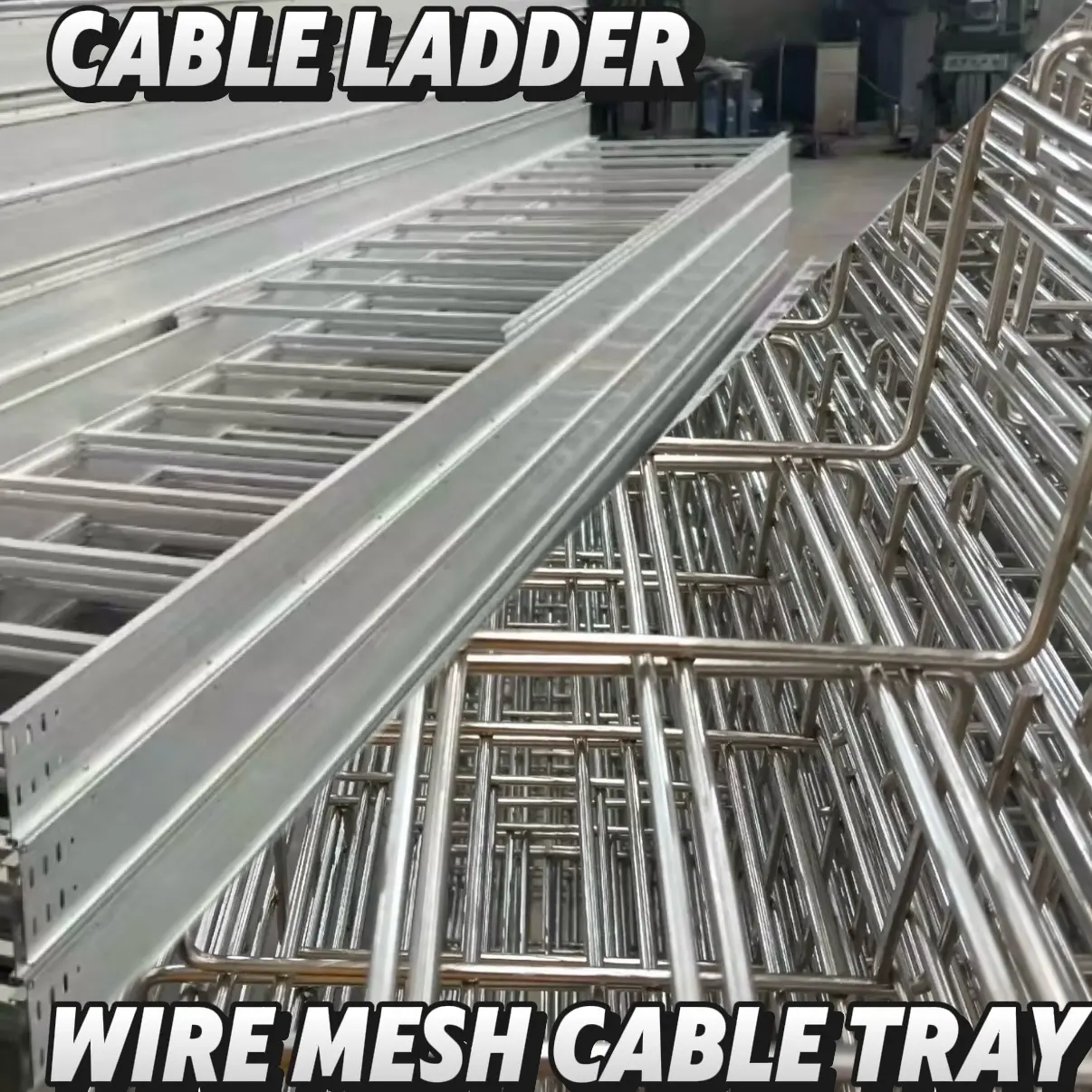
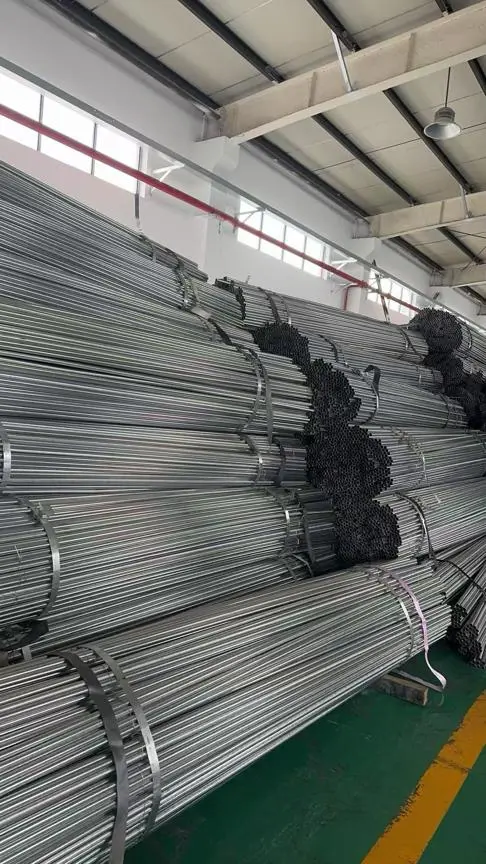
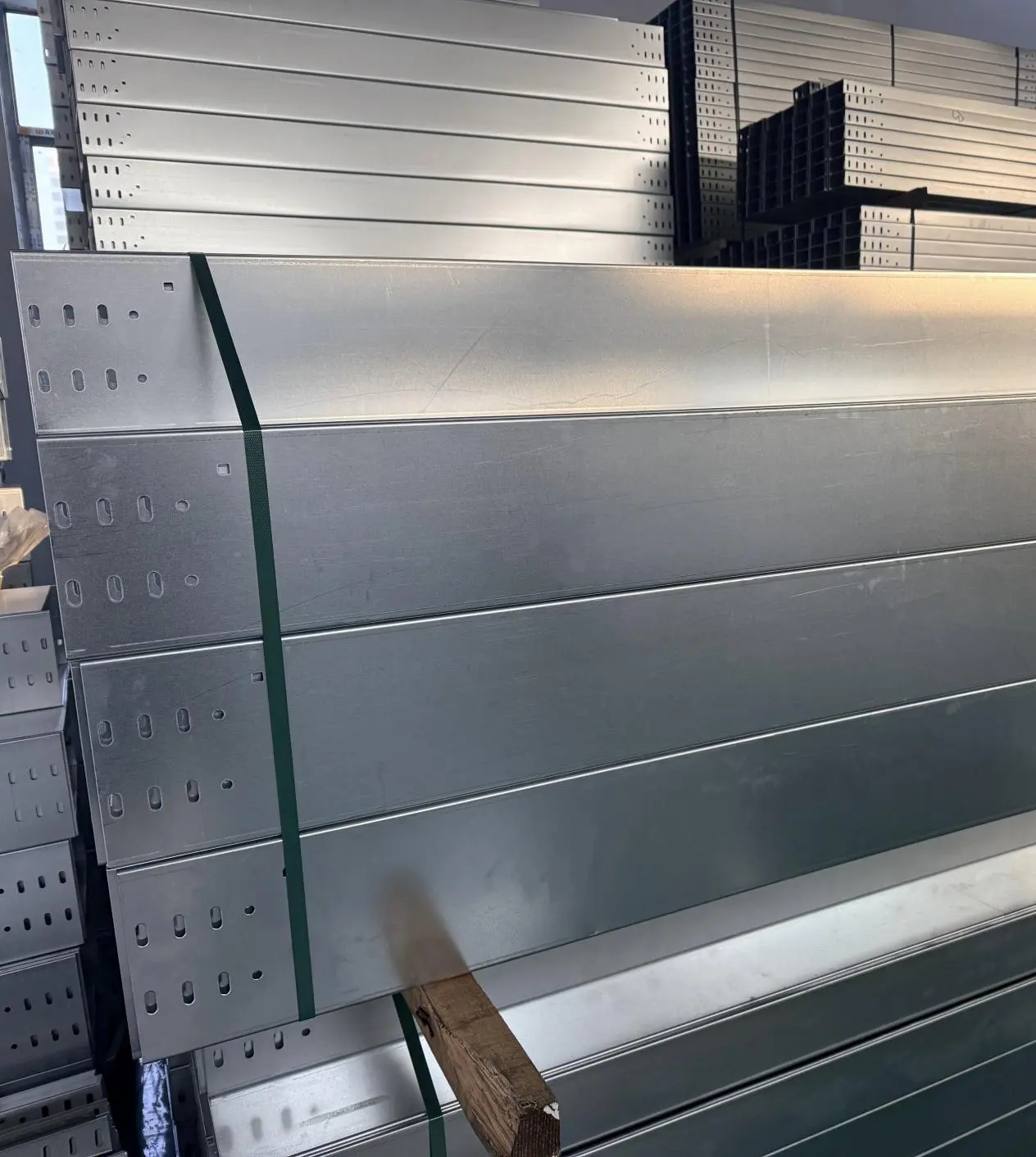
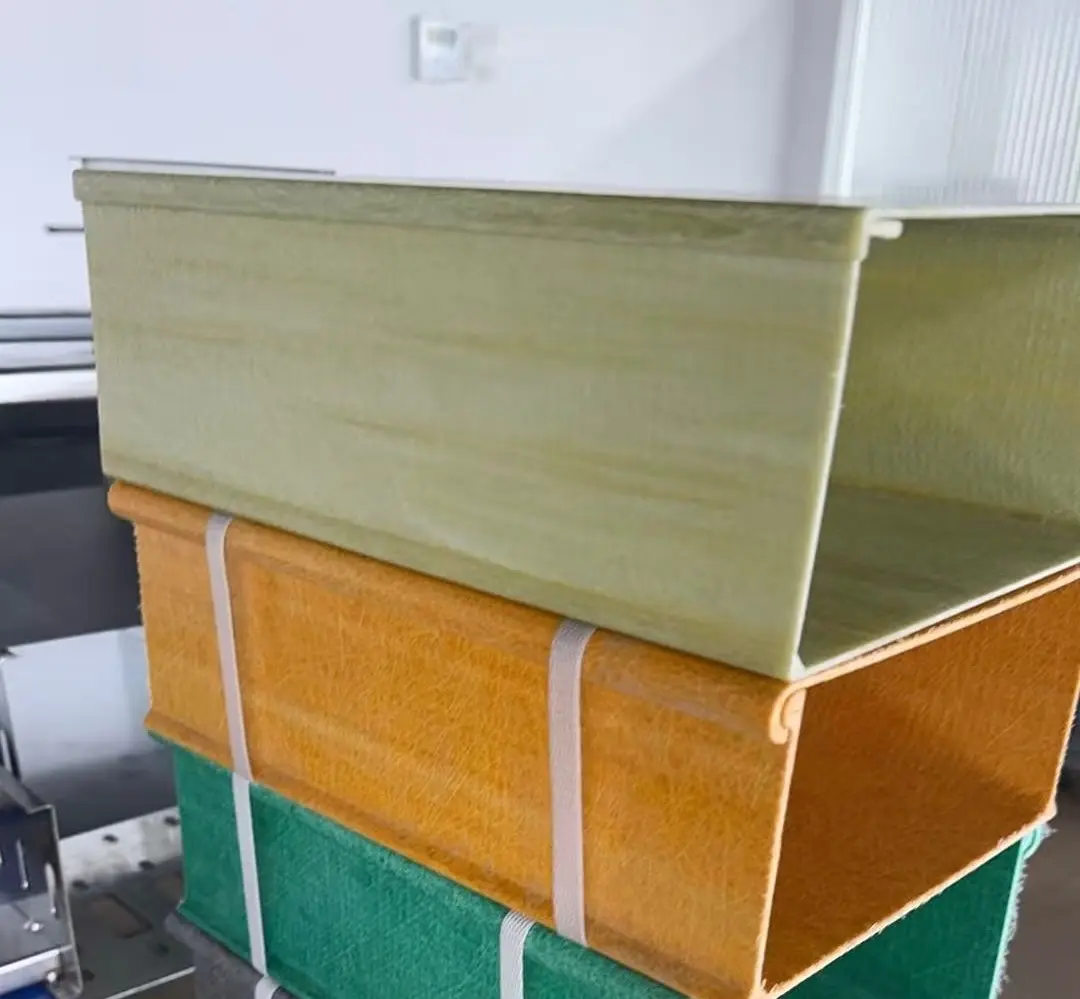
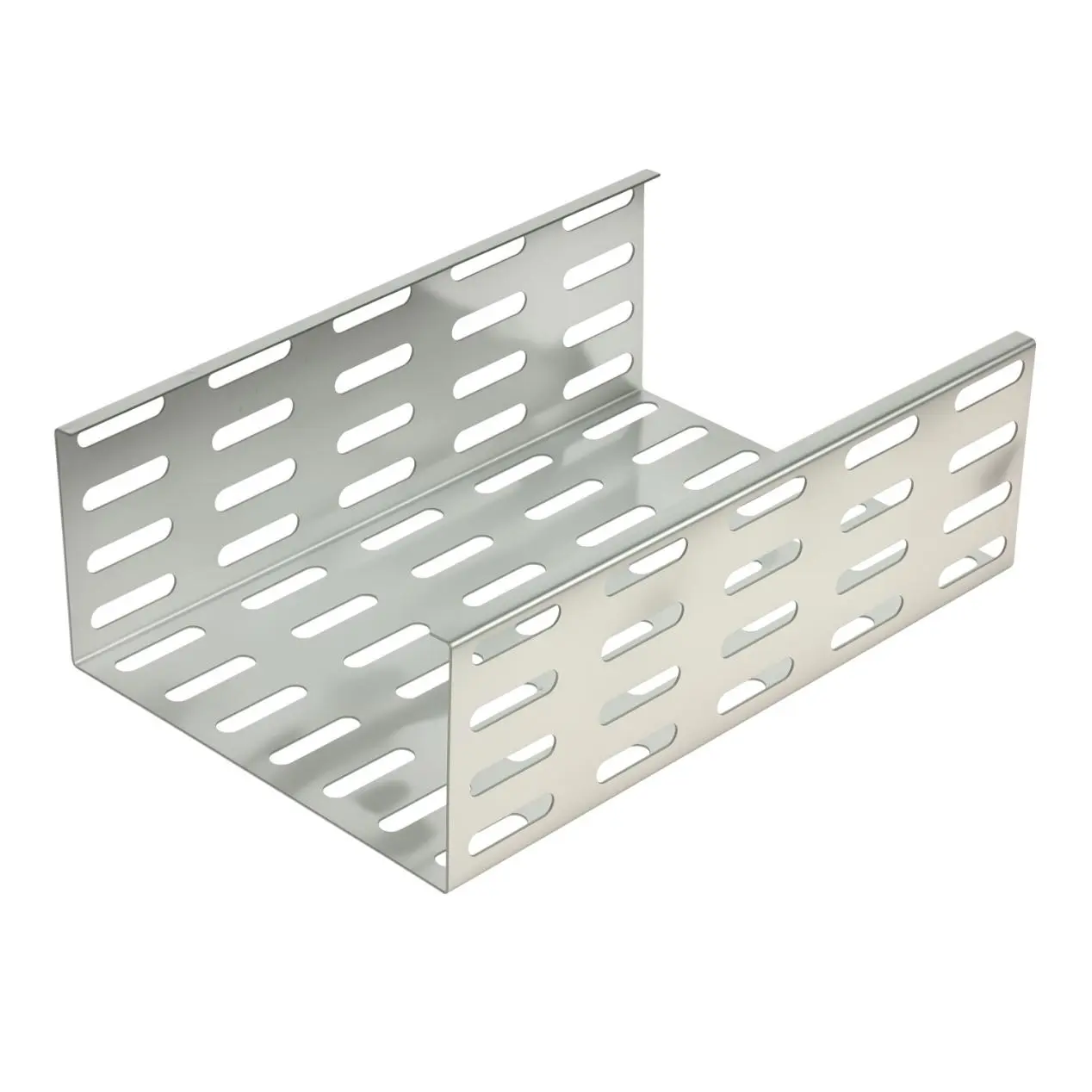
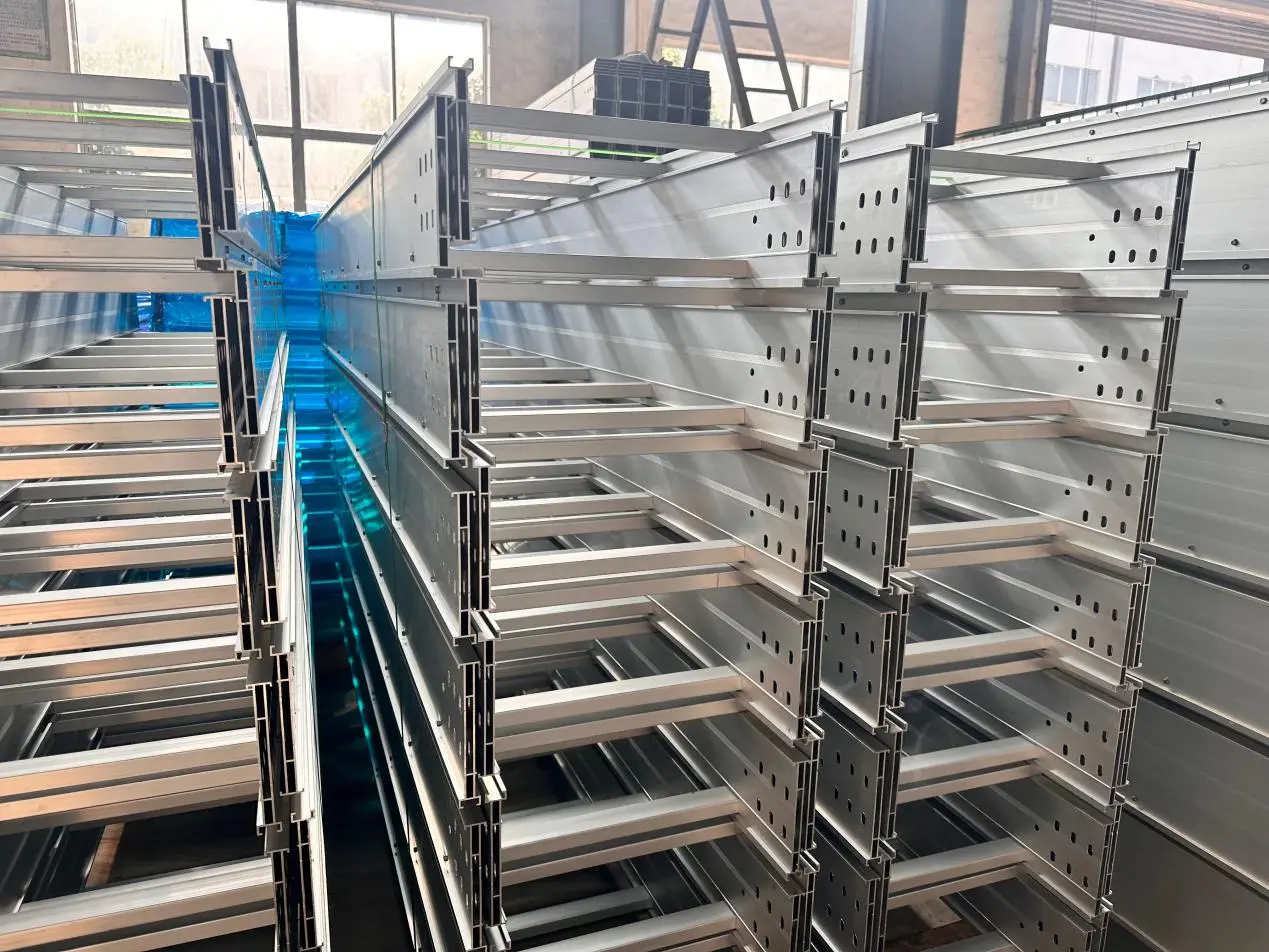
Polyurethane has emerged as a modern solution, distinguished by its resilience against moisture, chemicals, and abrasion. It delivers impressive stability in environments that corrode or degrade metals, while its lightweight profile eases installation without compromising structural strength. Steel, by contrast, embodies tradition. It is the archetype of toughness, capable of supporting immense loads and enduring harsh conditions, which is why it remains the first choice in power plants, tunnels, and other heavy-duty projects. Aluminum alloy, meanwhile, occupies a middle ground between the two. It combines the strength of metal with a fraction of the weight, offering natural corrosion resistance and a clean, adaptable finish that makes it ideal for sectors where efficiency and aesthetics must go hand in hand.
Durability and Strength: Who Stands the Test of Time?
When evaluating raw strength, steel dominates the field. Its immense load-bearing capacity enables it to span long distances under the weight of dense cable bundles, ensuring that industrial installations remain secure even in the most demanding conditions. Aluminum alloy delivers notable strength as well, though with less mass, making it particularly effective in projects that prioritize both durability and maneuverability. Polyurethane takes a different approach. While it may not match steel in absolute strength, it excels at maintaining integrity under moderate mechanical stress and demonstrates a unique capacity to absorb shocks and vibrations. This flexibility prevents fracture in environments where constant motion or impacts would otherwise compromise metallic systems. Over time, each material’s endurance is tested differently: steel resists sheer mechanical strain, aluminum balances lightness with strength, and polyurethane thrives in punishing conditions that erode or fatigue metals.
Corrosion and Environmental Resistance
In corrosive environments, the disparities between the three materials become most apparent. Steel, though formidable in strength, is naturally vulnerable to rust. Protective coatings such as galvanization or powder finishes can delay degradation, but in persistently damp or marine conditions, corrosion eventually takes its toll. Aluminum alloy benefits from a natural advantage: it forms an oxide layer when exposed to air, creating a self-healing surface that resists rust and makes it far more enduring in moisture-rich settings. Polyurethane, however, simply bypasses the issue. Being non-metallic, it cannot rust, and its inherent resistance to salts, acids, and solvents makes it exceptionally reliable in offshore platforms, chemical plants, and wastewater facilities where both steel and aluminum face constant threats.
Weight and Installation Efficiency
Material weight plays a decisive role in transportation, handling, and installation speed. Steel, while offering unmatched toughness, is heavy and often requires machinery for lifting and placement, adding to labor costs and timelines. Aluminum alloy eases this burden considerably; its lightness allows crews to maneuver trays more efficiently, often without specialized equipment. Polyurethane pushes this advantage further, with its feather-light profile enabling workers to cut, shape, and install trays using basic tools. In large-scale projects where thousands of meters of trays must be fitted, the difference in weight translates into substantial savings in labor time and installation costs. Thus, while steel demands more effort upfront, aluminum and polyurethane reward projects with agility and speed.
Thermal and Electrical Properties
Beyond physical strength and weight, thermal and electrical characteristics influence performance in critical ways. Both steel and aluminum conduct electricity, allowing them to serve double duty as grounding systems within installations. This property can simplify design but requires careful management to avoid safety risks. Polyurethane, by contrast, is entirely non-conductive, an invaluable trait in sensitive environments such as hospitals or data centers where stray currents could endanger equipment or people. Thermal performance also varies. Aluminum expands noticeably under heat, requiring engineering allowances for thermal movement. Steel, while more stable in terms of expansion, can oxidize under extreme heat. Polyurethane withstands a broad range of temperatures but must be properly formulated to avoid softening when exposed to high thermal loads. These distinctions make material selection not just a question of strength, but of compatibility with the thermal and electrical demands of each project.
Cost Considerations and Lifecycle Value
At first glance, steel appears the most economical choice, offering low initial investment that appeals to budget-conscious projects. Aluminum commands a higher upfront price, while polyurethane often falls between the two, with costs varying by design and application. Yet the long-term equation tells a different story. Steel requires regular maintenance, protective recoating, and eventual replacements in corrosive settings. Aluminum demands minimal upkeep, delivering decades of service with little intervention. Polyurethane frequently achieves the lowest overall cost of ownership, as its resistance to corrosion and chemicals eliminates many long-term expenses. Choosing a material is therefore a balancing act: prioritize low immediate cost and risk higher expenses later, or invest more upfront to secure enduring performance and reduced maintenance over time.
Industry Applications: Matching Material to Environment
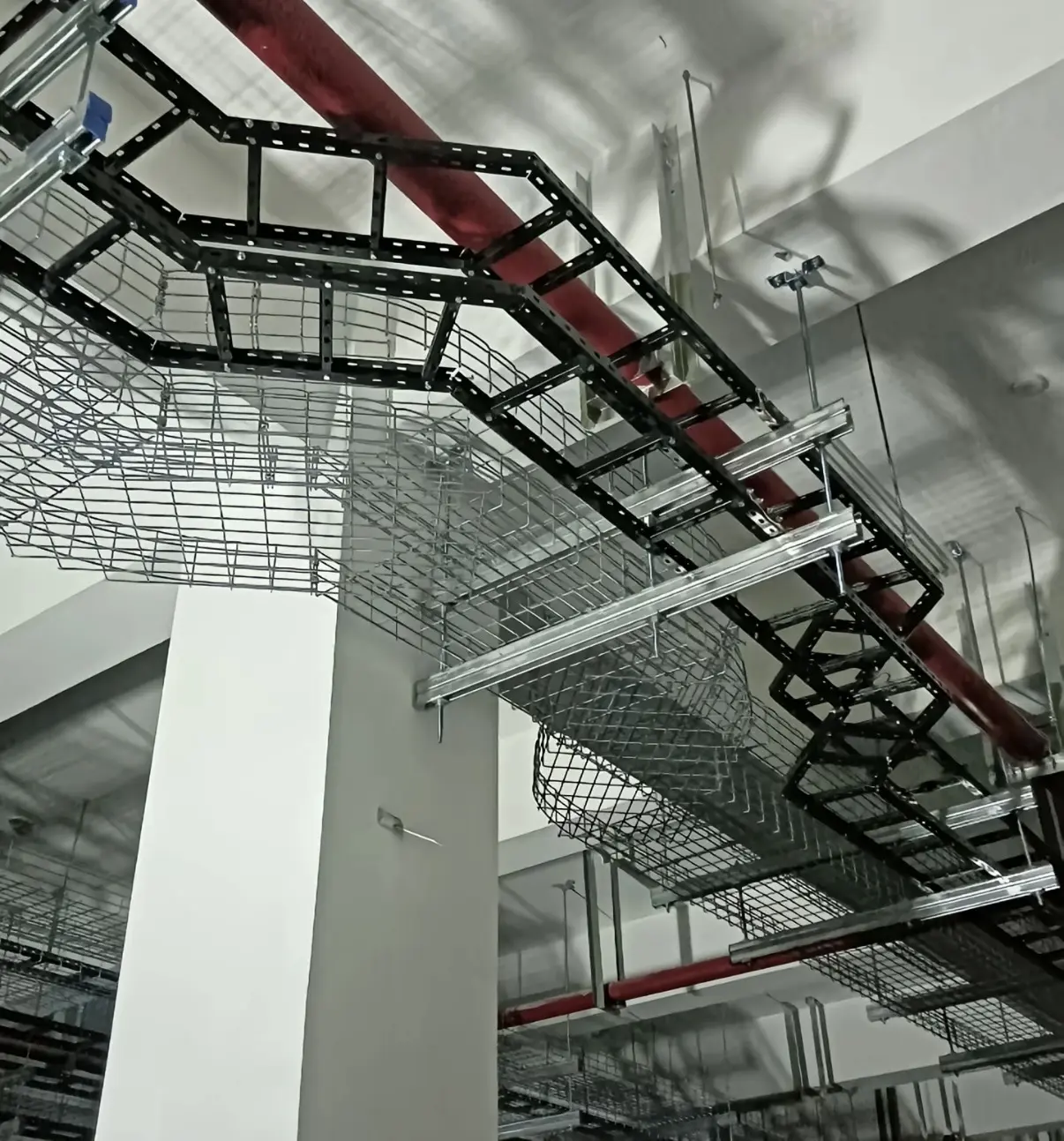
Different environments naturally favor different materials. Heavy industrial plants, tunnels, and power stations remain dominated by steel, which thrives under massive loads and unyielding conditions. Offshore rigs, chemical facilities, and wastewater treatment sites, however, benefit greatly from polyurethane, whose immunity to rust and chemical attack ensures reliable operation where metals falter. Aluminum alloy, with its lightweight strength and corrosion resistance, finds favor in high-tech sectors such as data centers, hospitals, and aerospace, where precision, efficiency, and clean aesthetics are paramount. These applications illustrate that no single material is universally superior; the optimal choice depends on context.
Future Outlook: Where the Market is Heading
The cable tray industry is evolving alongside shifts in technology, sustainability, and cost pressures. Polyurethane is gaining momentum as industries recognize its resistance and low maintenance requirements, offering a compelling alternative to metals in corrosive or chemical-intensive environments. Aluminum alloy continues to advance, with new treatments enhancing its strength and corrosion resistance, while hybrid solutions that combine metals with polymer coatings show promise in extending service life. Sustainability further influences material choice: aluminum stands out for its recyclability, while polyurethane manufacturers are exploring eco-friendly formulations that reduce environmental impact. These innovations suggest a future where material choice will not simply be about strength or cost, but about aligning with broader environmental and technological imperatives.
Conclusion: Choosing the Right Champion for Your Project
In the ultimate showdown of cable tray materials, there is no single victor. Steel remains unmatched in brute strength and load-bearing applications, aluminum alloy shines where lightness and corrosion resistance matter most, and polyurethane dominates in chemically aggressive or moisture-laden environments where metals quickly deteriorate. The right decision depends not only on engineering requirements, but also on budget, environment, and long-term objectives. Choosing wisely ensures safety, reliability, and efficiency for decades to come, transforming a simple material decision into a cornerstone of successful infrastructure planning.