



Metal Stud-light Steel Keel vs Traditional Framing
Introduction
Framing the Future: A New Era in Construction
Construction is entering a transformative era where efficiency, resilience, and sustainability are driving change. At the core of this evolution lies the framing system—a structural element that profoundly influences a building’s performance. As projects grow more complex and timelines tighten, builders are reconsidering conventional methods in favor of more advanced solutions.
Why the Choice Between Metal Stud-light Steel Keel and Traditional Framing Matters
The framing system chosen at the outset determines much of what follows—from structural integrity to maintenance demands. Whether you're designing a multi-story commercial complex or a bespoke residential home, the debate between Metal Stud-light steel keel and traditional wood framing has become a pivotal decision with long-term implications.
Understanding the Basics
What Is Metal Stud-light Steel Keel Framing?
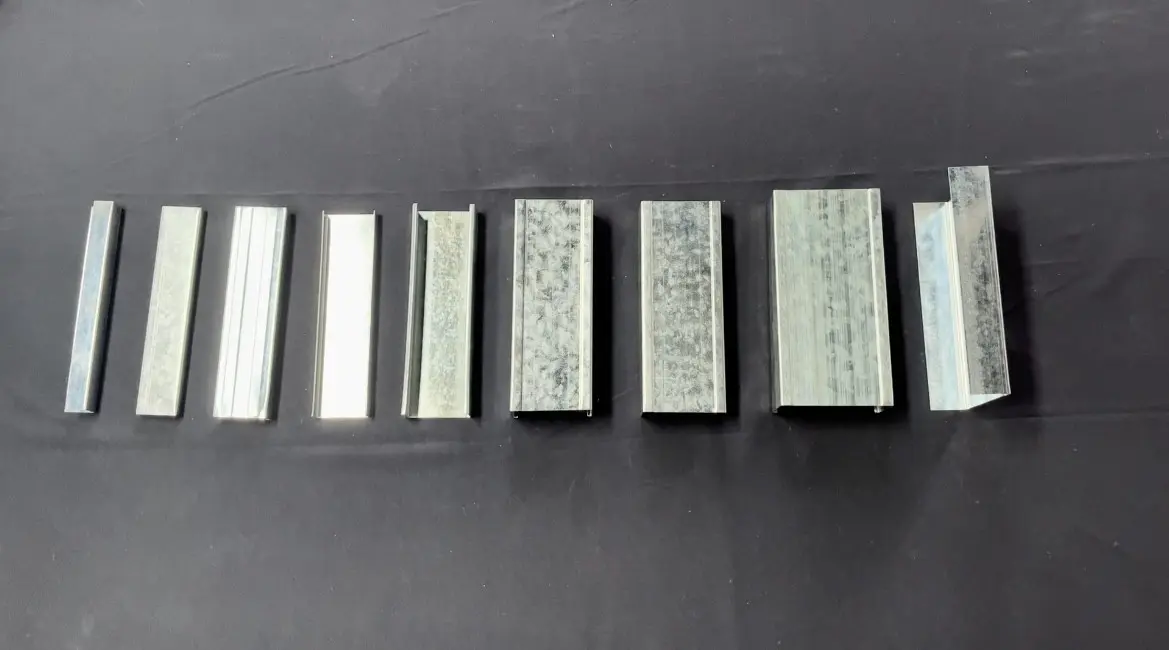
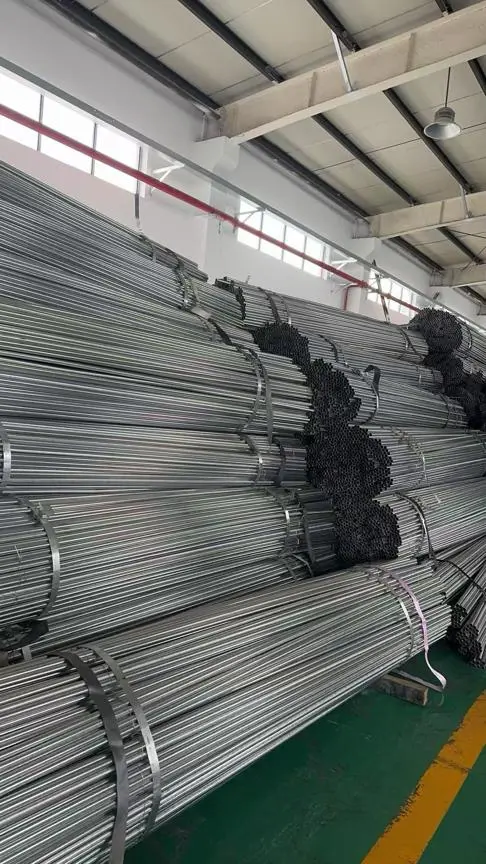
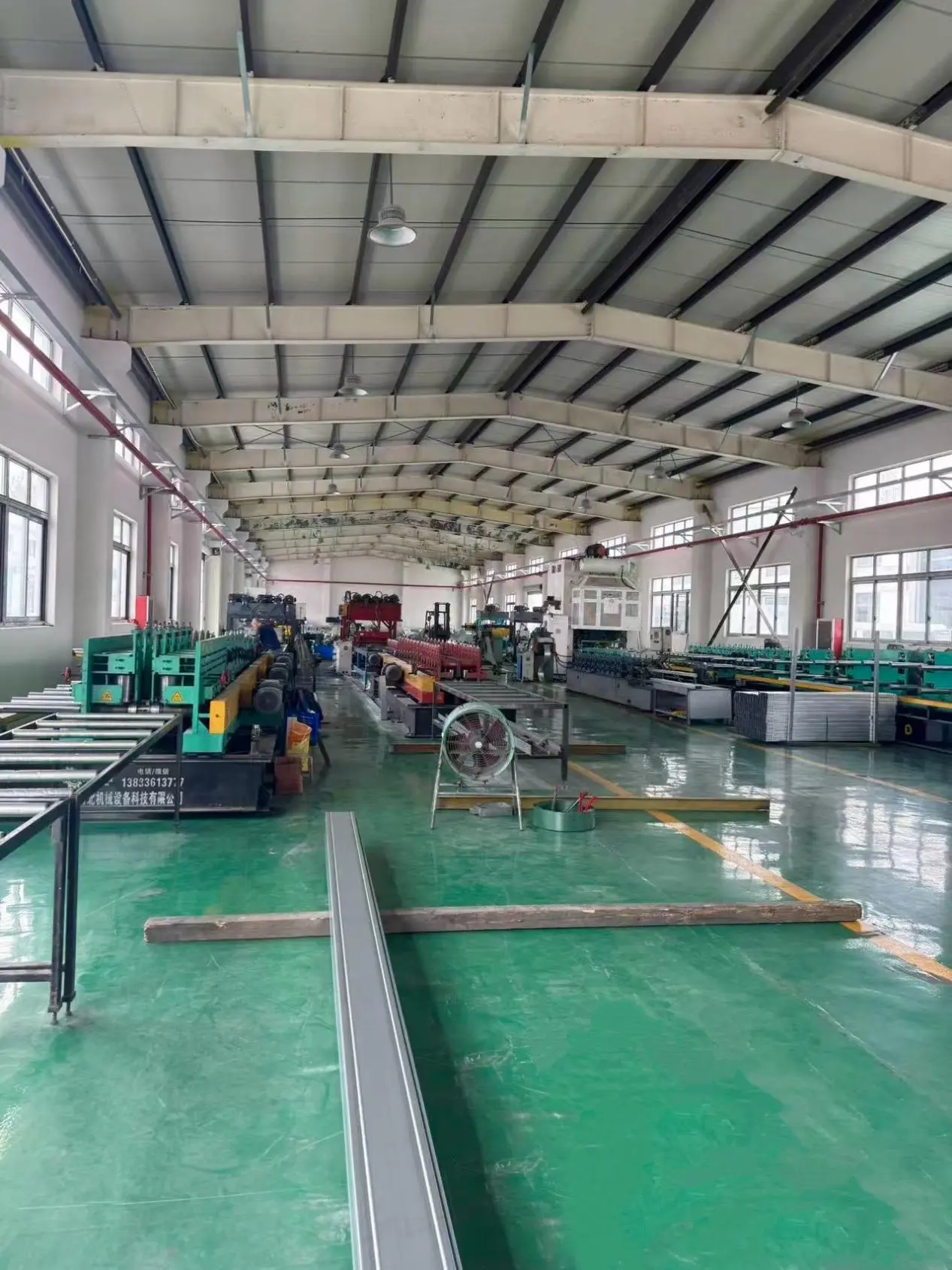
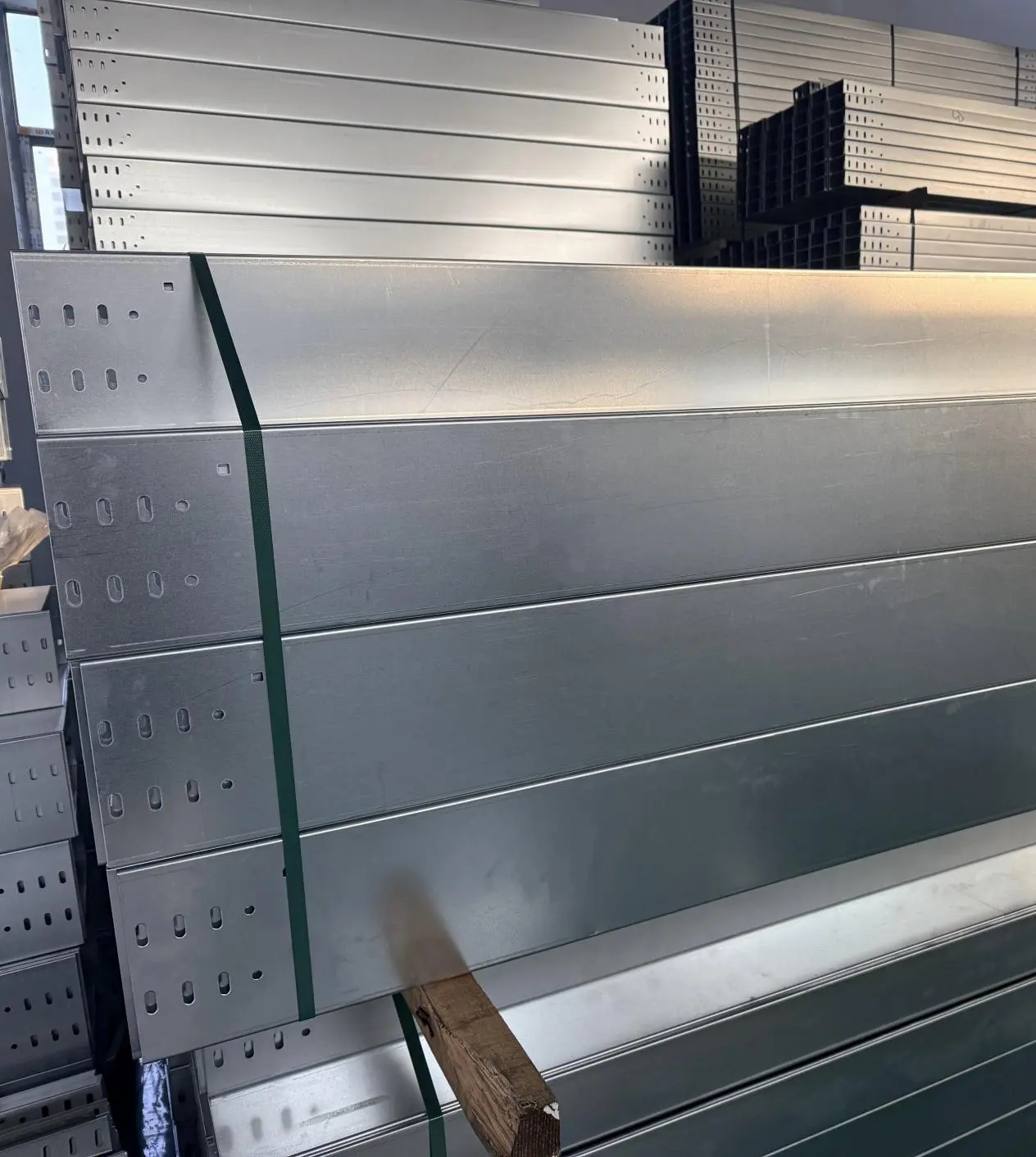
Metal stud-light steel keel framing is a precision-engineered system composed of cold-formed galvanized steel profiles. These lightweight yet high-strength elements form the skeleton of walls, ceilings, and partitions. Known for their dimensional stability and resistance to deformation, they are manufactured to exact tolerances, ensuring consistency across projects.
An Overview of Traditional Wood Framing Methods
Traditional wood framing relies on dimensional lumber—typically pine or spruce—assembled in on-site frameworks using nails, screws, and fasteners. Wood framing is deeply rooted in construction history, praised for its accessibility and flexibility. The balloon and platform framing methods remain industry staples, especially in residential building.
Key Materials and Components in Both Systems
Metal stud systems include U-tracks, C-studs, fastening screws, connectors, and sometimes insulation inserts. Wood framing relies on studs, joists, plates, sheathing, and headers. While wood is organic and variable, steel is fabricated and uniform. Each system’s materials influence both performance and longevity.
Strength and Durability Comparison
How Metal Stud-light Steel Keel Withstands Time and Stress
Steel keel systems exhibit exceptional tensile strength and load-bearing capacity. They don’t warp, crack, or shrink, making them ideal for long-span applications. They retain structural integrity under both static and dynamic stress, and remain unaffected by rot or decay over time.
Wood Framing Under Pressure: Strengths and Weak Points
Wood performs well under compression and can be easier to modify on-site. However, it is susceptible to warping, splitting, and dimensional instability, particularly in varying humidity. Termite damage, mold growth, and knot weaknesses further diminish its long-term reliability.
Performance in Moisture, Fire, and Pest-Prone Environments
Metal framing resists moisture infiltration and does not support mold growth or pest infestation. In fire conditions, steel may lose strength at high temperatures but does not ignite. Wood, being combustible, requires additional treatments to meet fire-resistance standards and is inherently more vulnerable in damp or pest-heavy environments.
Cost, Labor, and Installation Differences
Initial Material Costs vs Long-Term Savings
Metal stud-light steel keel typically carries a higher upfront cost compared to timber. However, these costs are offset by minimal waste, lower insurance premiums due to fire resistance, and reduced long-term maintenance. Wood framing, while economical at first, can accrue hidden costs from repairs and replacements.
Speed of Construction: Who Wins the Race?
Steel components are prefabricated and arrive on-site ready for assembly, significantly accelerating project timelines. Unlike wood, steel doesn’t require planing or trimming for fit. On the other hand, wood offers flexibility for last-minute changes, which can be advantageous in smaller or custom builds.
Skilled Labor Requirements and Learning Curves
Working with metal studs requires specialized tools such as snips, crimpers, and screw guns, along with knowledge of steel assembly techniques. Wood, being familiar to most tradespeople, has a lower barrier to entry. However, as steel framing gains popularity, the availability of trained labor is expanding.
Design Flexibility and Architectural Impact
Light Steel Keel for Modern, Modular Builds
Steel framing lends itself to modularity and prefabrication—key features of contemporary architecture. Its precision and strength allow for taller structures, thinner walls, and complex geometric designs that maximize interior space without compromising integrity.
Traditional Framing in Custom, Curved, or Complex Designs
Wood remains the material of choice for intricate customizations, especially in organic, curved, or rustic designs. It can be cut and shaped easily on-site, offering creative freedom that some designers still find irreplaceable.
Which System Offers Greater Design Versatility?
While wood offers tactile versatility, steel delivers scalable design potential. For projects emphasizing clean lines, modern aesthetics, and volumetric efficiency, light steel keel often emerges as the superior choice.
Environmental and Sustainability Factors
Eco-Friendly Edge: Recyclability of Light Steel Keel
Steel is 100% recyclable and can be repurposed endlessly without degrading its structural properties. Production waste is minimal and often reintegrated into the manufacturing cycle, reducing landfill impact.
The Carbon Footprint of Wood vs Steel
Wood is renewable and stores carbon, making it inherently eco-friendly when sourced sustainably. However, deforestation and inconsistent forestry practices can offset its benefits. Steel production is energy-intensive but is improving through green smelting technologies and circular economy principles.
Building Green: Energy Efficiency and Insulation Considerations
Thermal bridging is a concern in steel framing, necessitating additional insulation strategies. Wood naturally insulates better but is more vulnerable to thermal degradation.
Code Compliance and Safety Standards
How Both Systems Measure Up to Local and International Codes
Both framing systems can comply with modern building codes when properly designed and installed. Steel framing often exceeds structural codes, while wood must meet more extensive treatment and protection requirements to align with regulations.
Fire Ratings, Load Bearing, and Seismic Resistance
Metal Stud Framing offers superior fire performance and excels in high-seismic zones due to its ductility and lightweight nature. Wood must be fire-retardant treated and is more prone to failure during earthquakes without reinforcement.
Navigating Permits and Inspections with Confidence
Steel structures require detailed drawings and engineered specifications, but inspections are typically straightforward due to consistent quality. Wood framing may allow more informal changes but requires vigilant oversight to meet safety standards.
Use Cases and Real-World Applications
Commercial Projects Favoring Metal Stud-light Steel Keel
From high-rise office buildings to hospitals and schools, steel keel framing is dominating large-scale commercial construction. Its load-bearing efficiency, fire resistance, and ease of prefabrication make it the go-to choice for institutional infrastructure.
Residential Builds Where Wood Still Reigns
Detached homes, cabins, and smaller developments continue to favor wood for its warmth, availability, and traditional appeal. Many homebuilders prefer the tactile familiarity of timber and its compatibility with legacy tools and techniques.
Hybrid Approaches in Contemporary Construction
Some architects are combining steel and wood to harness the strengths of both. For instance, using steel for core framing and wood for interior finish work creates a balance of performance and aesthetic warmth.
Pros and Cons at a Glance
Key Advantages and Drawbacks of Metal Stud-light Steel Keel
Pros: Durable, termite-proof, fire-resistant, recyclable, precision-made
Cons: Higher initial cost, thermal bridging, requires specialized labor
Strengths and Limitations of Traditional Framing
Pros: Cost-effective, versatile, readily available, easy to modify
Cons: Susceptible to pests, fire, moisture, and long-term warping
Making the Right Choice Based on Project Scope
Small residential projects may benefit from the affordability and flexibility of wood, while large-scale, code-intensive builds demand the structural reliability of light steel keel systems. The right decision hinges on budget, function, scale, and environmental context.
Conclusion
Choosing the Right Frame for Strength, Speed, and Sustainability
The framing decision is more than structural—it’s strategic. Light steel keel brings unmatched precision and endurance to the table, while traditional wood framing offers trusted familiarity and adaptability. Each has its place in the modern construction landscape.
Final Thoughts on the Future of Framing Systems
As building codes tighten, sustainability rises in importance, and demand for faster, safer construction grows, metal stud-light steel keel framing is poised to lead the next generation of building methodologies. However, traditional framing won’t disappear—it will evolve alongside, adapting to meet the standards of tomorrow.