





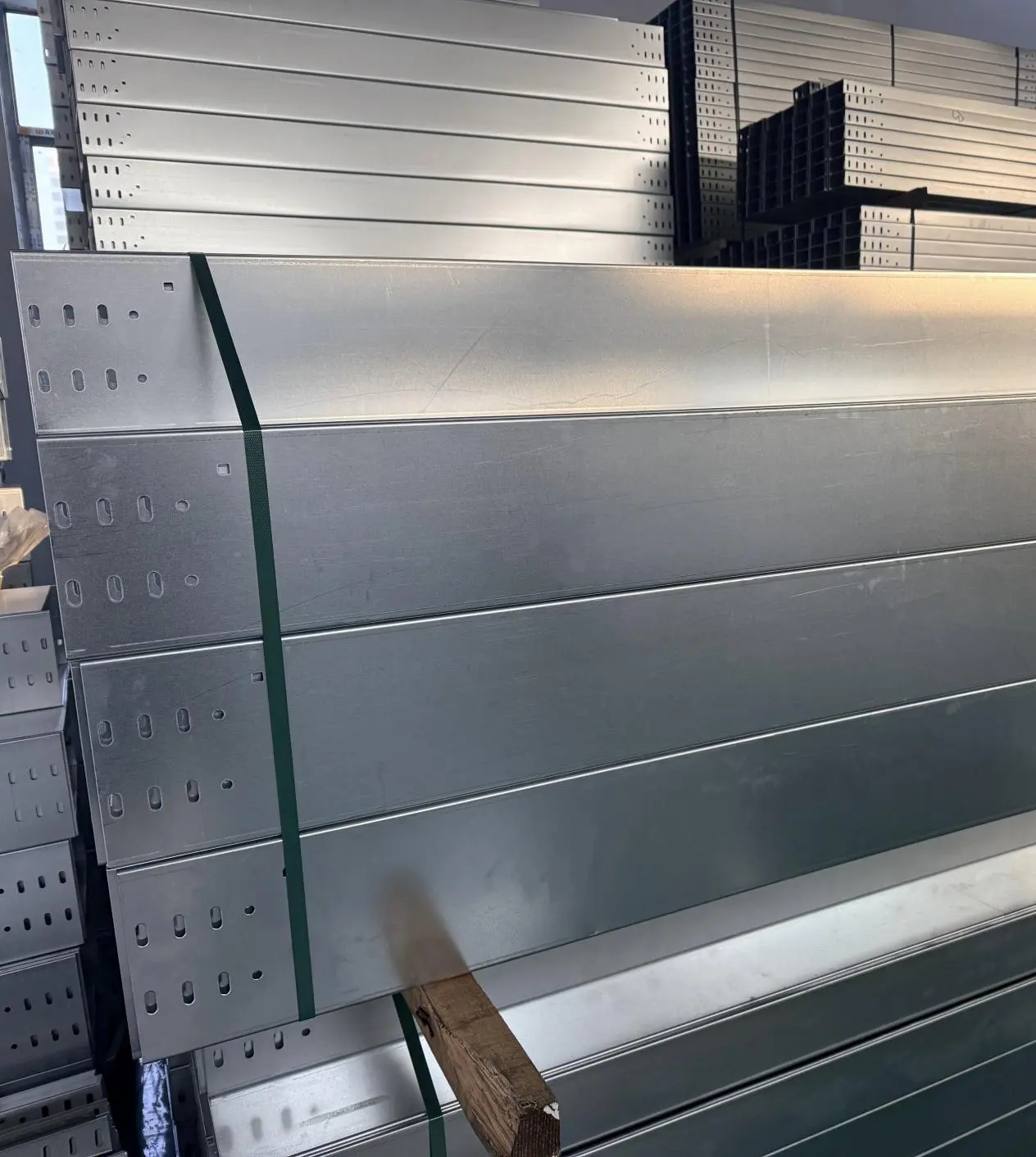

Lightweight and Corrosion-Resistant: Polyurethane Cable Tray
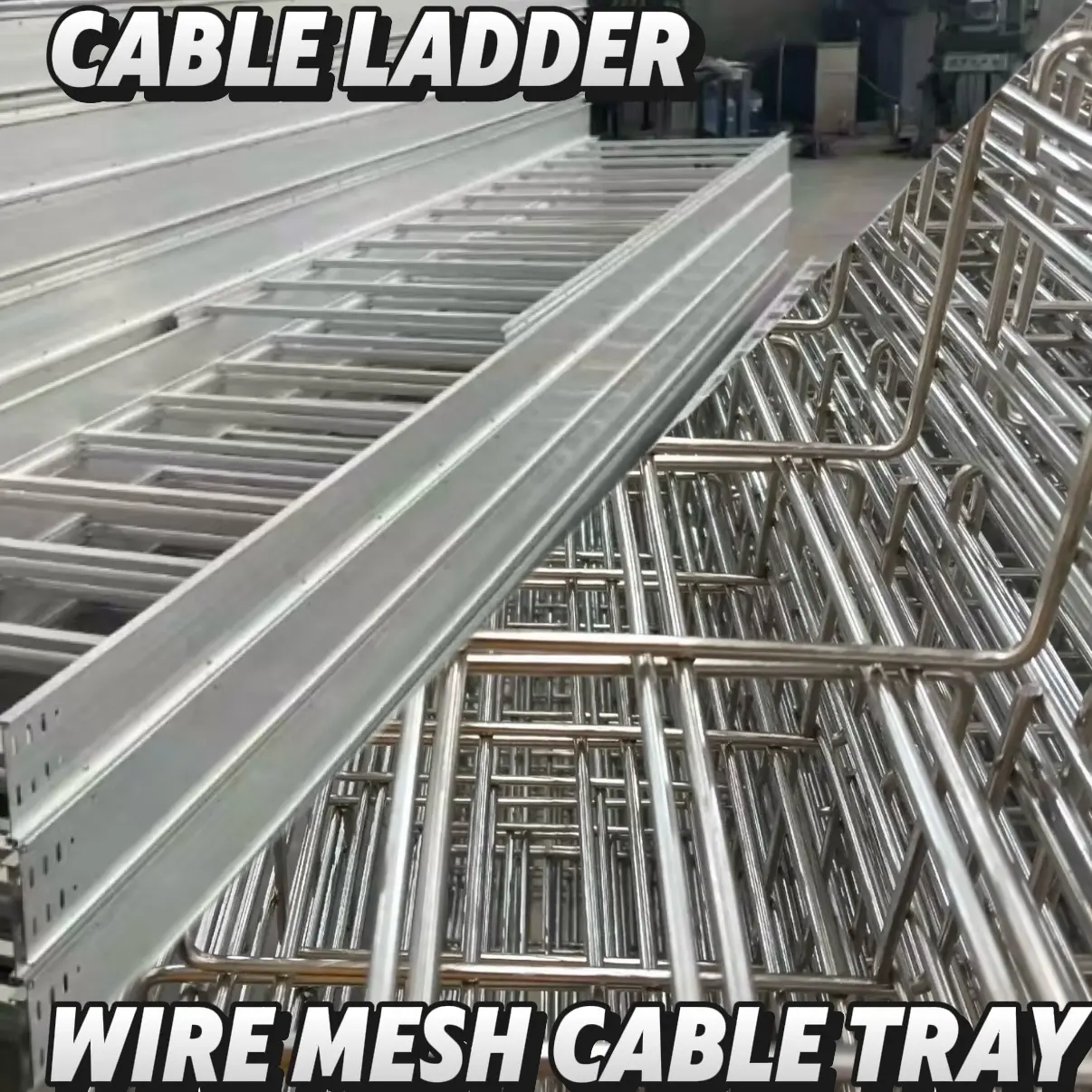
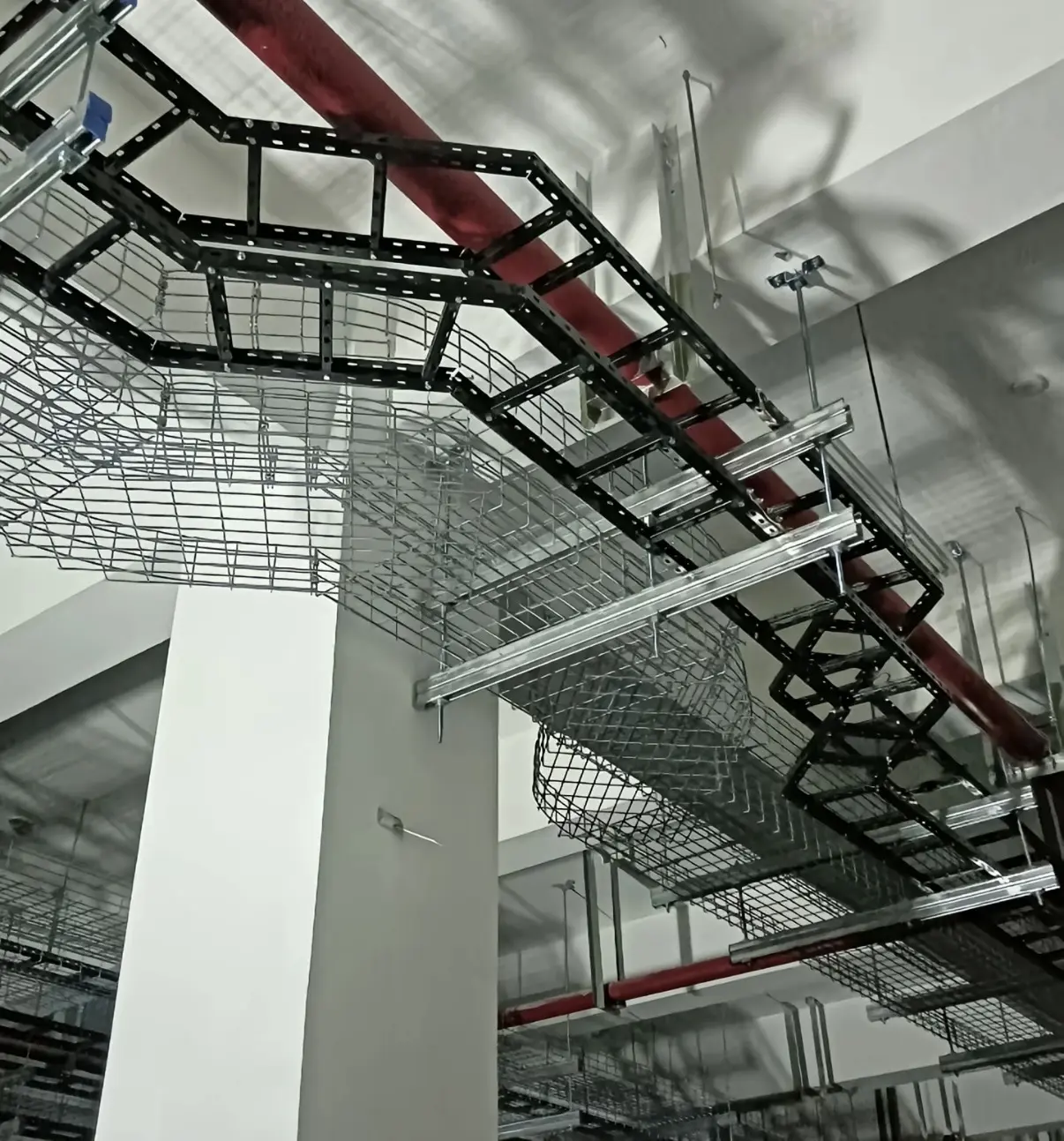
Traditional Cable Trays, primarily made from galvanized steel, stainless steel, or aluminum, have served well for decades. However, they face inherent challenges:
1. Corrosion: Especially in harsh environments (chemical plants, offshore platforms, coastal areas, wastewater treatment), metal corrodes, weakening the structure and requiring costly maintenance or replacement.
2. Weight: Steel trays are heavy, increasing structural support requirements and complicating installation.
3. Conductivity:Metal conducts electricity and heat, posing potential safety risks (electrical faults, eddy currents) and complicating grounding.
4. Installation Hazards: Sharp edges on cut metal trays can injure installers and damage cables.
5. Insulation: Metal offers no inherent thermal insulation, potentially affecting cable performance in extreme temperatures.
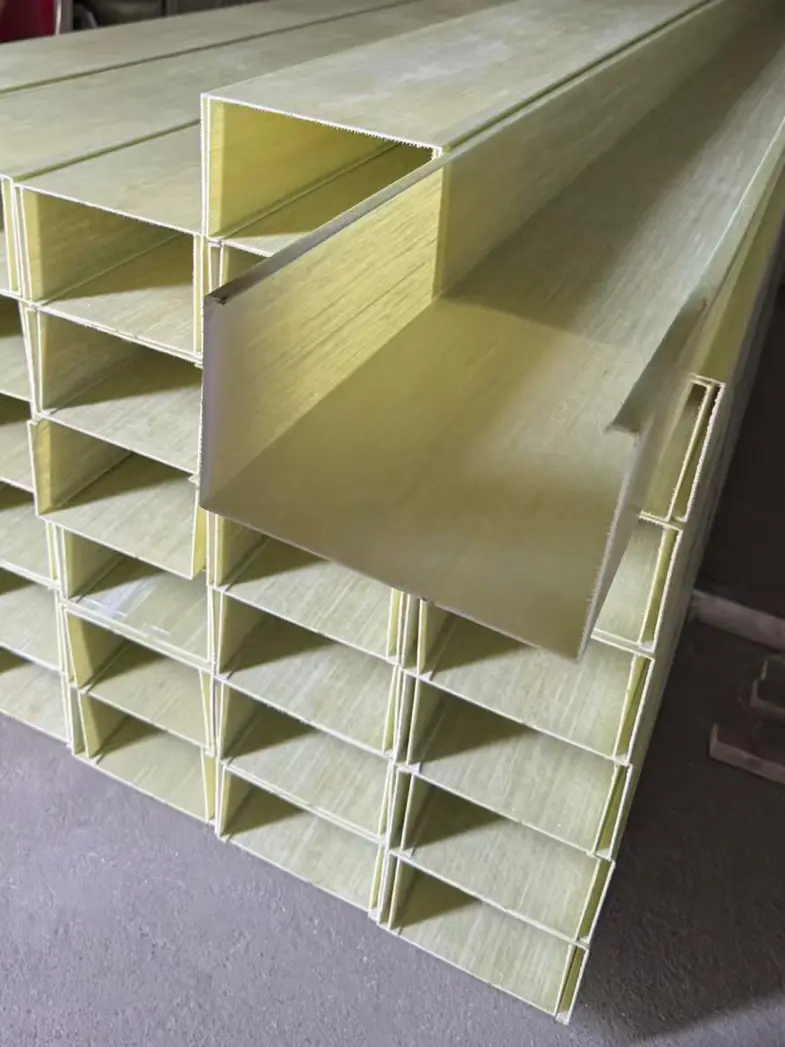
Polyurethane, a versatile polymer formed by reacting diisocyanates with polyols, offers a compelling solution to these limitations. Polyurethane cable trays are engineered composites, typically featuring:
Polyurethane Resin Matrix: Provides exceptional corrosion resistance, electrical insulation, and impact strength.
Reinforcing Fibers: Often glass fibers (fiberglass), embedded within the resin, delivering high tensile strength, rigidity, and dimensional stability.
The Science of Superior Performance: Key Advantages
1. Unrivaled Corrosion Resistance:This is PUR's standout feature. It is inherently resistant to a vast array of chemicals – acids, alkalis, salts, solvents, oils, and moisture – that rapidly degrade metals. This translates to decades of service life in corrosive atmospheres with virtually zero maintenance, significantly reducing lifecycle costs. Unlike metal, it won't rust or pit.
2. Lightweight Strength:Polyurethane cable traysare typically 50-70% lighter than equivalent steel trays. This drastically reduces the load on supporting structures, simplifies handling and installation (faster, safer, requiring less manpower and equipment), and can lead to savings in structural design.
3. Exceptional Electrical Insulation: Being a non-conductor, PUR eliminates the risks of galvanic corrosion between dissimilar metals, prevents eddy currents in power cable runs (improving efficiency), and enhances overall electrical safety by isolating the tray system from live components. Grounding requirements are simplified.
4. Superior Mechanical Properties:
Impact Resistance: PUR is remarkably tough, resisting chipping, cracking, or denting from accidental impacts during installation or operation – a weakness of many metals.
High Strength-to-Weight Ratio: Reinforced PUR provides excellent load-bearing capacity (supporting heavy cable bundles) while remaining lightweight.
Fatigue Resistance: It performs well under cyclic loading (vibration) without fracturing.
5. Enhanced Safety:
Fire Performance: High-quality polyurethane cable trays are formulated to meet stringent fire safety standards. They are typically halogen-free, meaning in a fire, they produce minimal toxic smoke and corrosive gases compared to PVC or some fire-retardant treated materials, critical for personnel evacuation and equipment protection.
Smooth, Safe Edges: Unlike cut metal, PUR trays have no sharp burrs, protecting installers' hands and preventing cable jacket abrasion.
6. Durability & Longevity:Resistant to UV degradation (when formulated with appropriate additives), moisture ingress, and a wide temperature range , polyurethane cable trays offer exceptional long-term performance with minimal degradation. They won't warp or become brittle like some plastics.
7. Design Flexibility: PUR can be easily molded into complex shapes, allowing for integrated features like radius bends, tees, crosses, and customized support systems in the cable tray, reducing the need for multiple fittings.
Where Polyurethane Cable Tray Shines: Applications
The unique properties of polyurethane cable trays make them ideal for:
Extreme Corrosive Environments: Chemical & Petrochemical Plants, Oil & Gas (onshore/offshore), Mining & Mineral Processing, Pulp & Paper Mills, Marine Applications (ships, docks), Water/Wastewater Treatment Plants, Power Generation (especially flue gas desulfurization areas), Food & Beverage Processing.
Data Centers & Telecom: Where non-conductivity prevents interference and lightweight simplifies dense overhead cable management. Halogen-free properties are crucial for fire safety in server rooms.
Infrastructure: Tunnels, Bridges, Transportation Hubs exposed to de-icing salts or moisture.
Industrial Facilities: Manufacturing plants with washdown requirements or exposure to industrial chemicals.
Renewable Energy: Solar farms, wind turbine nacelles and towers (resisting salt spray and vibration).
The Future is Lightweight and Resilient
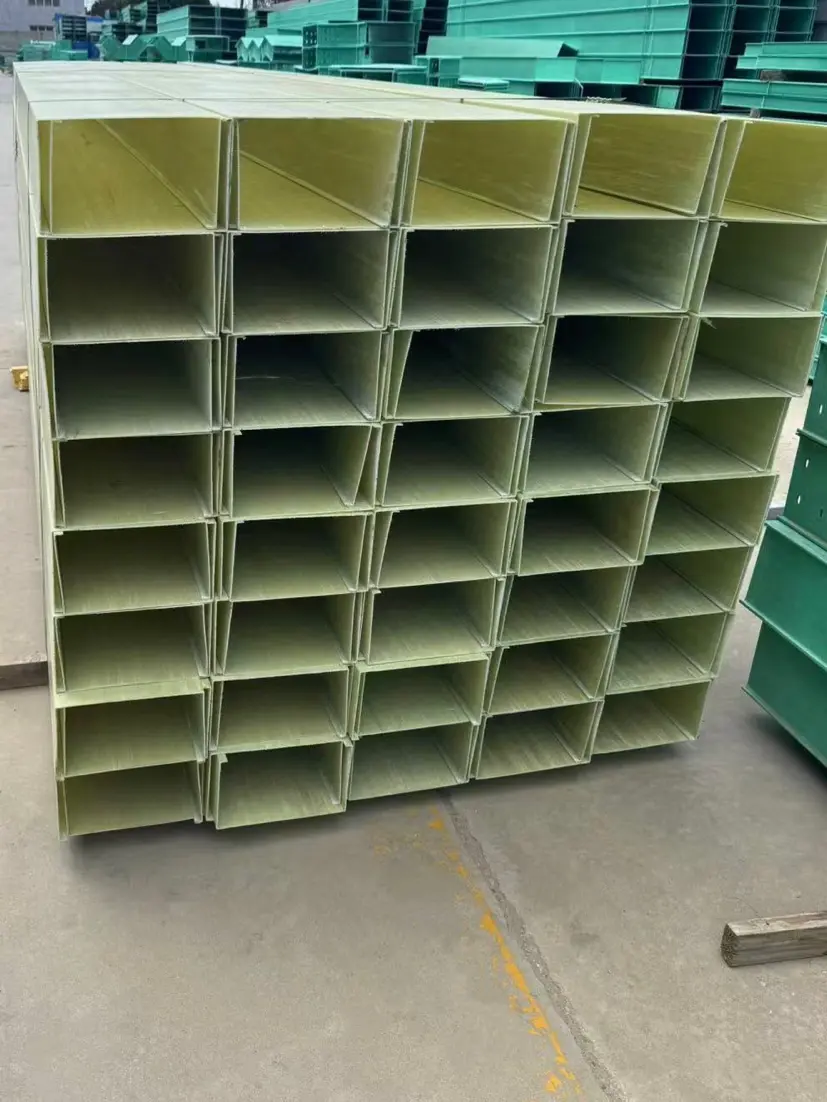
Polyurethane cable tray represents a significant technological advancement in cable management. By overcoming the limitations of traditional metal trays – particularly corrosion and weight – while adding crucial benefits like electrical insulation, enhanced safety, and superior durability, PUR cable trays offer a compelling solution for modern, demanding infrastructure projects. They deliver lower total cost of ownership through minimal maintenance and extended lifespan, especially in harsh conditions. As industries continue to prioritize safety, longevity, and efficiency, the adoption of high-performance composite solutions like polyurethane cable tray is poised for significant growth, solidifying its role as the unsung hero keeping our critical cables organized, protected, and functioning reliably for years to come.