



Is Aluminum Cable Tray Right for Your Project?
Introduction
Why material choice matters in Cable Trays
The material used in a cable tray directly influences its performance, durability, installation ease, and total cost of ownership. Steel, fiberglass, and aluminum dominate the landscape, each with distinct characteristics. The wrong choice could mean accelerated corrosion, unnecessary weight, or excessive maintenance costs—making material selection not just a technical decision, but a strategic one.
What makes aluminum a contender
Aluminum stands out for its rare combination of strength, lightness, and corrosion resistance. It's non-magnetic, thermally conductive, and inherently recyclable. These qualities, along with its modern aesthetic and cost-effective lifecycle, position it as a frontrunner in forward-thinking infrastructure projects.
Understanding Aluminum Cable Trays
What is an aluminum cable tray
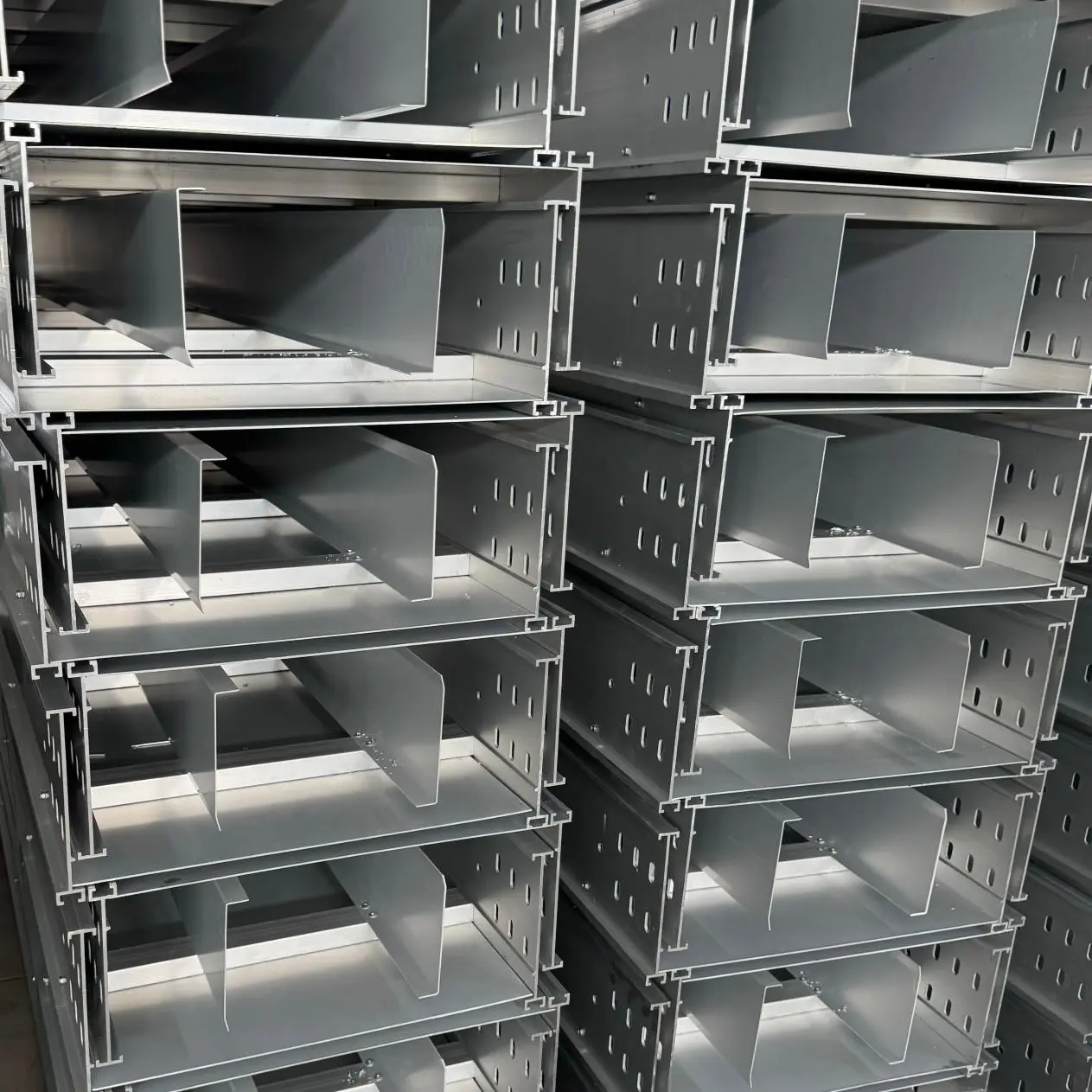
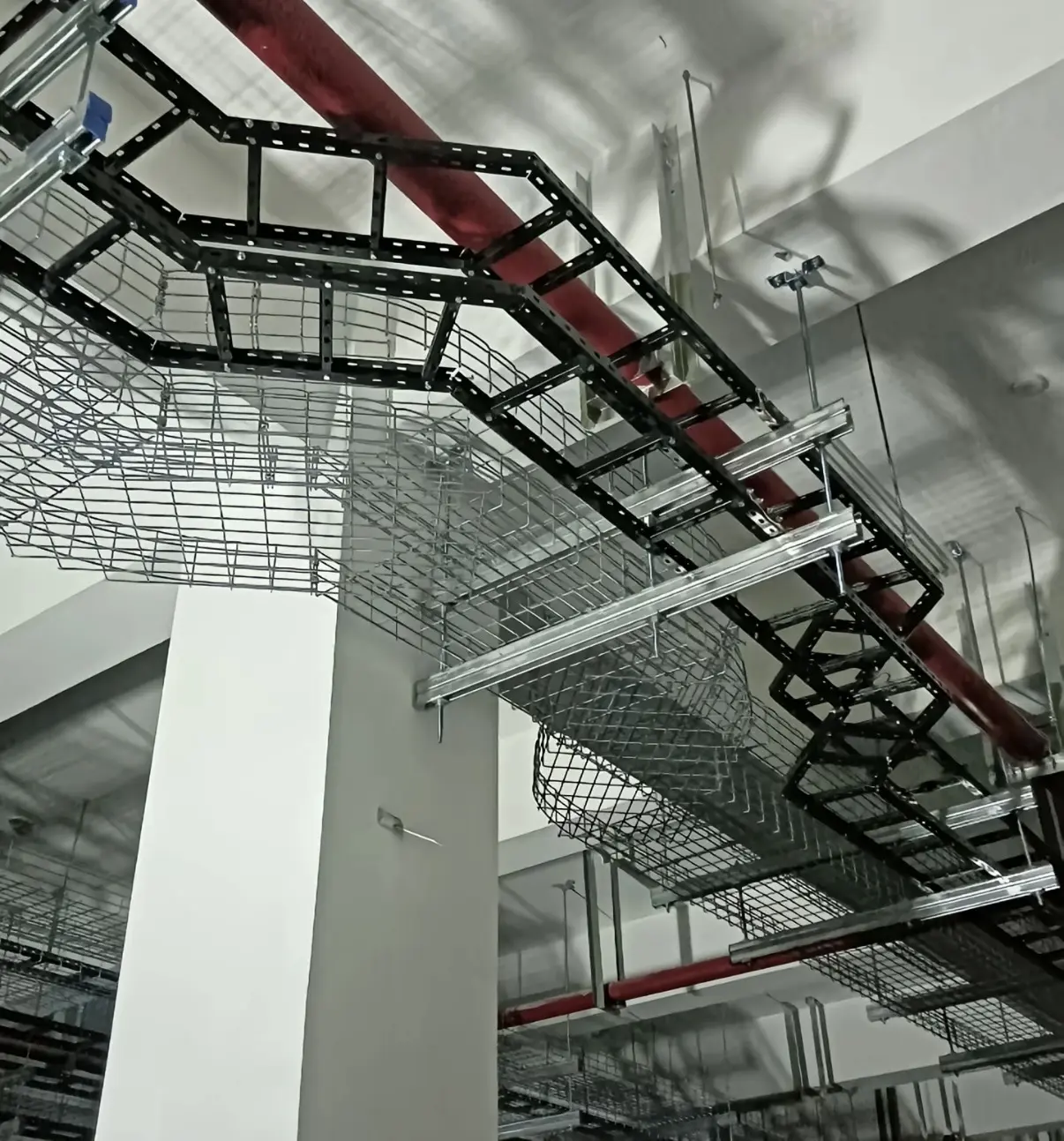
An aluminum cable tray is a structural system made of aluminum alloys designed to support and organize cables and wires. It allows for open-air cabling, facilitating cooling and easy access for maintenance, upgrades, or rerouting. Its skeletal design reduces clutter while enhancing safety and organization.
Types and configurations available
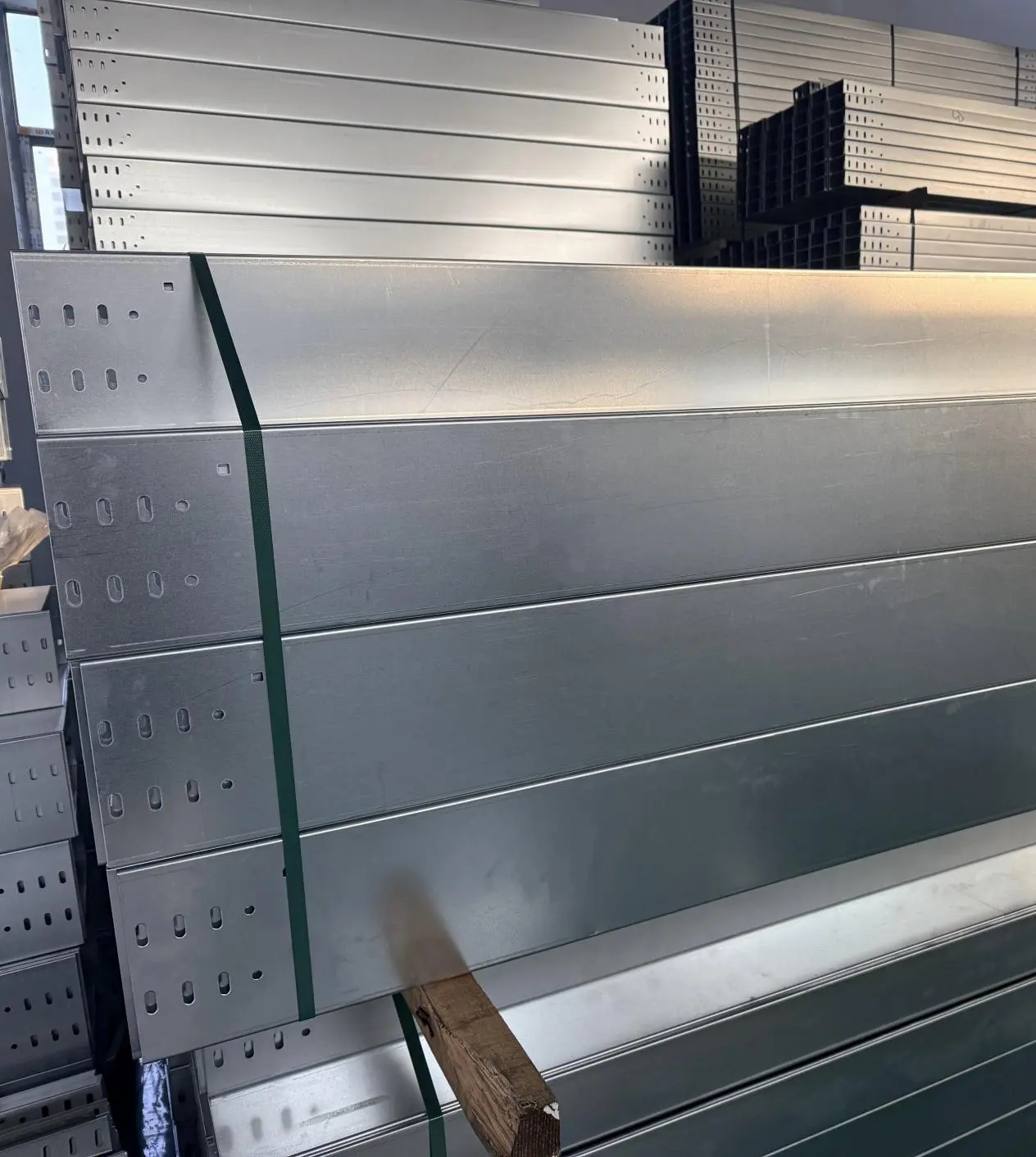
Aluminum cable trays are manufactured in a variety of shapes and profiles to suit different load, ventilation, and support needs. From heavy-duty installations to lightweight applications, there's a configuration to meet every project's demands.
Types of Aluminum Cable Trays
Aluminum Ladder Cable Tray
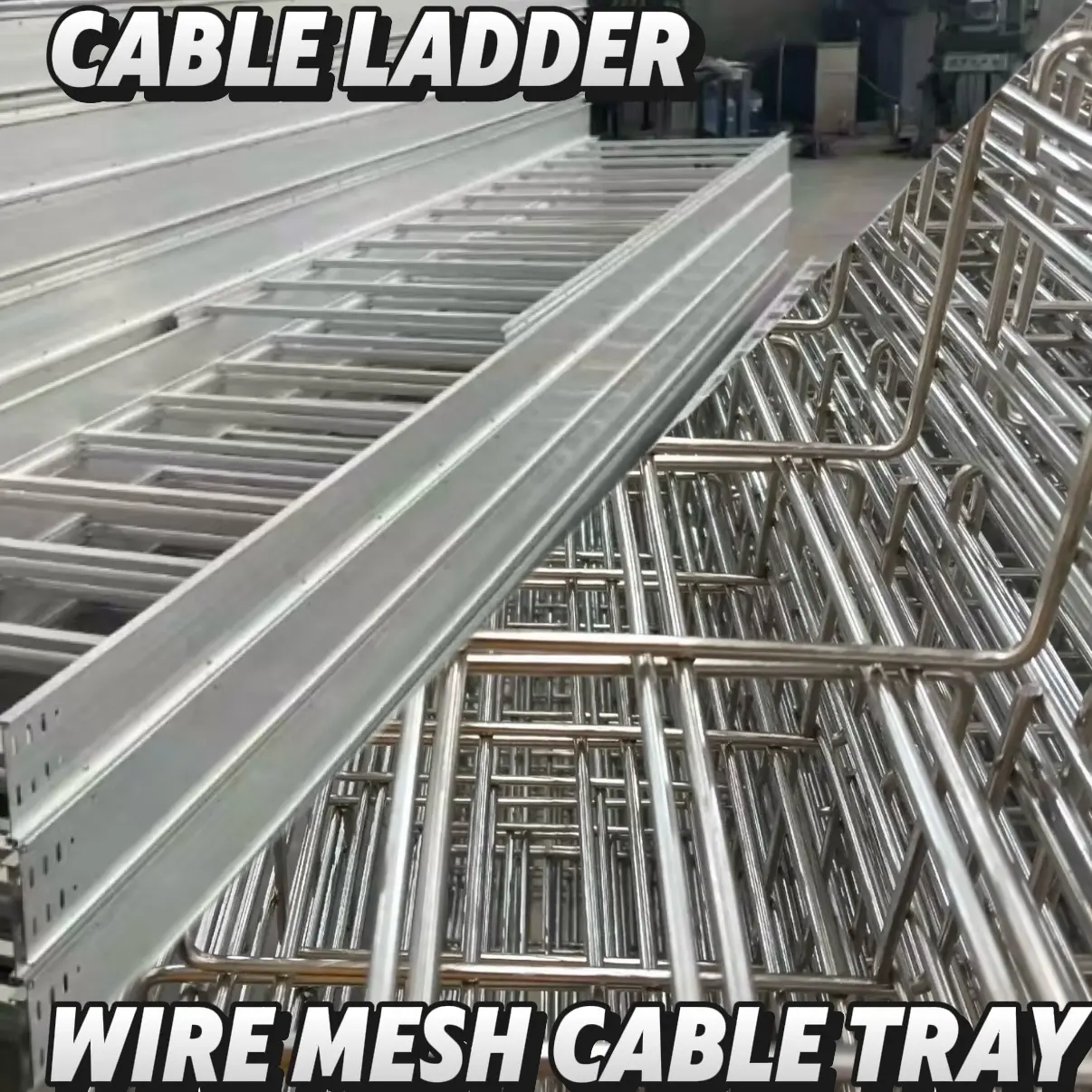
This is the most common type, featuring rungs spaced at regular intervals to support cables while allowing maximum airflow. Ideal for heavy-duty power cables, it provides mechanical strength with minimal material use.
Aluminum Single Rail Cable Tray
Minimalistic and sleek, single rail trays are used for light cable loads and vertical or wall-mounted installations. They offer flexibility and a contemporary aesthetic.
Aluminum Solid Bottom Cable Tray
With a continuous base, this tray type is ideal for sensitive or low-voltage cables needing maximum shielding from EMI (electromagnetic interference) and physical impact.
Aluminum Trough Cable Tray
Trough trays offer moderate ventilation while still protecting cables from debris. They strike a balance between solid bottom and ladder designs, often used in medium-duty applications.
Key properties of aluminum in construction
Aluminum is known for its high strength-to-weight ratio, corrosion resistance, and thermal conductivity. It doesn’t rust, even in coastal or industrial environments. Its natural oxide layer provides self-healing protection, eliminating the need for coatings or treatments. Furthermore, aluminum remains ductile even at low temperatures, making it reliable in diverse climates.
Advantages of Using Aluminum Cable Trays
Lightweight yet durable: The installation edge
Aluminum trays weigh significantly less than steel, often by 50% or more. This reduces labor costs, eases transport and handling, and minimizes structural load. Despite their lightness, they maintain excellent load-bearing capacity, making them suitable for both short and long spans.
Corrosion resistance and long-term performance
Aluminum’s inherent resistance to atmospheric corrosion ensures longevity even in harsh environments. It resists oxidation and chemical attack, especially in moist or salt-laden air, making it a staple in coastal, chemical, and wastewater installations.
Thermal conductivity and safety benefits
Aluminum disperses heat efficiently, reducing the risk of hotspots and fire hazards. This is especially crucial in high-current installations where thermal buildup can compromise safety and performance.
Low maintenance and lifecycle cost savings
Thanks to its durability, aluminum trays demand minimal upkeep. No painting, galvanizing, or rust-prevention treatments are required. Over the life of the system, this translates into significant savings in both downtime and maintenance expenses.
Environmental benefits and recyclability
Aluminum is one of the most sustainable construction materials. It’s 100% recyclable without degradation, and recycling aluminum uses just 5% of the energy needed for primary production. This eco-efficiency supports green building certifications and responsible resource use.
Limitations and Considerations
Weight capacity vs steel trays
While aluminum offers adequate strength for most applications, steel outperforms it in extreme heavy-load scenarios. For installations involving exceptionally heavy power cables or densely packed wiring, steel may still be the better choice.
Cost comparison: Upfront vs long-term value
Aluminum typically costs more per linear foot than galvanized steel. However, when factoring in transportation, installation, maintenance, and lifespan, the total cost of ownership often tilts in aluminum’s favor—especially in corrosive environments.
Compatibility with specific environments and loads
In areas where exposure to certain chemicals, like alkalis or mercury, is expected, aluminum may suffer degradation. Additionally, designers must evaluate the tray’s load rating to ensure it aligns with the weight and number of cables used.
Electrical grounding and bonding considerations
Although aluminum is conductive, grounding and bonding need to be carefully engineered. Due to potential galvanic reactions when connected to dissimilar metals, proper isolators and bonding jumpers should be used to maintain electrical continuity and safety.
Ideal Applications for Aluminum Cable Trays
Commercial and office buildings
In modern buildings with raised floors and open ceilings, aluminum trays support aesthetic, efficient cable distribution for power, data, and telecom. Their clean look and modularity make them a favorite among architects and designers.
Industrial settings with corrosive environments
Chemical plants, food processing units, and wastewater facilities all benefit from aluminum’s corrosion resistance. The trays hold up where painted steel would deteriorate, preserving performance and minimizing replacements.
Data centers and high-tech facilities
Heat management, scalability, and accessibility are paramount in data centers. Aluminum trays support high cable volumes, dissipate heat naturally, and offer easy upgrades—all critical in ever-evolving tech environments.
Outdoor and rooftop installations
Exposure to rain, wind, and UV rays makes outdoor environments challenging. Aluminum’s resilience to weather and temperature extremes ensures that rooftop and exterior cable runs remain protected and reliable.
How to Decide If Aluminum Cable Tray Is Right for You
Assessing project requirements and constraints
Start by analyzing load requirements, environmental conditions, maintenance capabilities, and budget limitations. A holistic understanding will clarify whether aluminum fits your operational goals.
Comparing aluminum with other materials
Weigh the pros and cons of aluminum against steel, stainless steel, and fiberglass. Each has situational advantages. For example, fiberglass may resist chemicals better, while steel might provide greater strength—but with more weight and rust risk.
Consulting with engineers and suppliers
Engineering input is invaluable. Professional evaluation of load spans, tray spacing, and grounding needs ensures code compliance and long-term performance. Reputable suppliers can also provide insights on innovations and product variations.
Case studies of successful implementations
Real-world examples offer practical perspective. From high-rise complexes to industrial refineries, projects using aluminum trays have reported improved installation efficiency, fewer maintenance demands, and longer lifespans—all validating the material’s reliability.
Installation Tips and Best Practices
Planning layout and support systems
Strategic planning of tray routes minimizes cable lengths, reduces interference, and ensures structural stability. Use support hangers and brackets at regular intervals, and avoid sharp bends or unnecessary junctions.
Proper handling and installation methods
Aluminum is malleable, but care must be taken during transport and installation to avoid dents or surface damage. Use non-metallic tools or cushioned grips to avoid galvanic contact, especially when working near steel components.
Ensuring compliance with standards and codes
Installation must adhere to relevant national and international standards. Proper documentation, labeling, and inspection are essential to meet electrical codes and ensure system safety.
Conclusion
Summing up the pros and cons
Aluminum cable trays offer a unique balance of lightness, strength, and corrosion resistance. While initial costs may be higher, their longevity and low maintenance often outweigh the investment. However, they may not be suitable for all load capacities or chemical exposures.
When aluminum is the smart choice
Projects prioritizing ease of installation, corrosion resistance, and sustainability stand to gain the most from aluminum trays. They're especially effective in data-driven, weather-exposed, or efficiency-focused environments.
Final thoughts on material selection strategy
Choosing the righT Cable Tray material is a nuanced decision that intersects engineering, budget, and environmental demands. Aluminum isn’t a one-size-fits-all answer—but when matched to the right project, it offers enduring value and performance.