





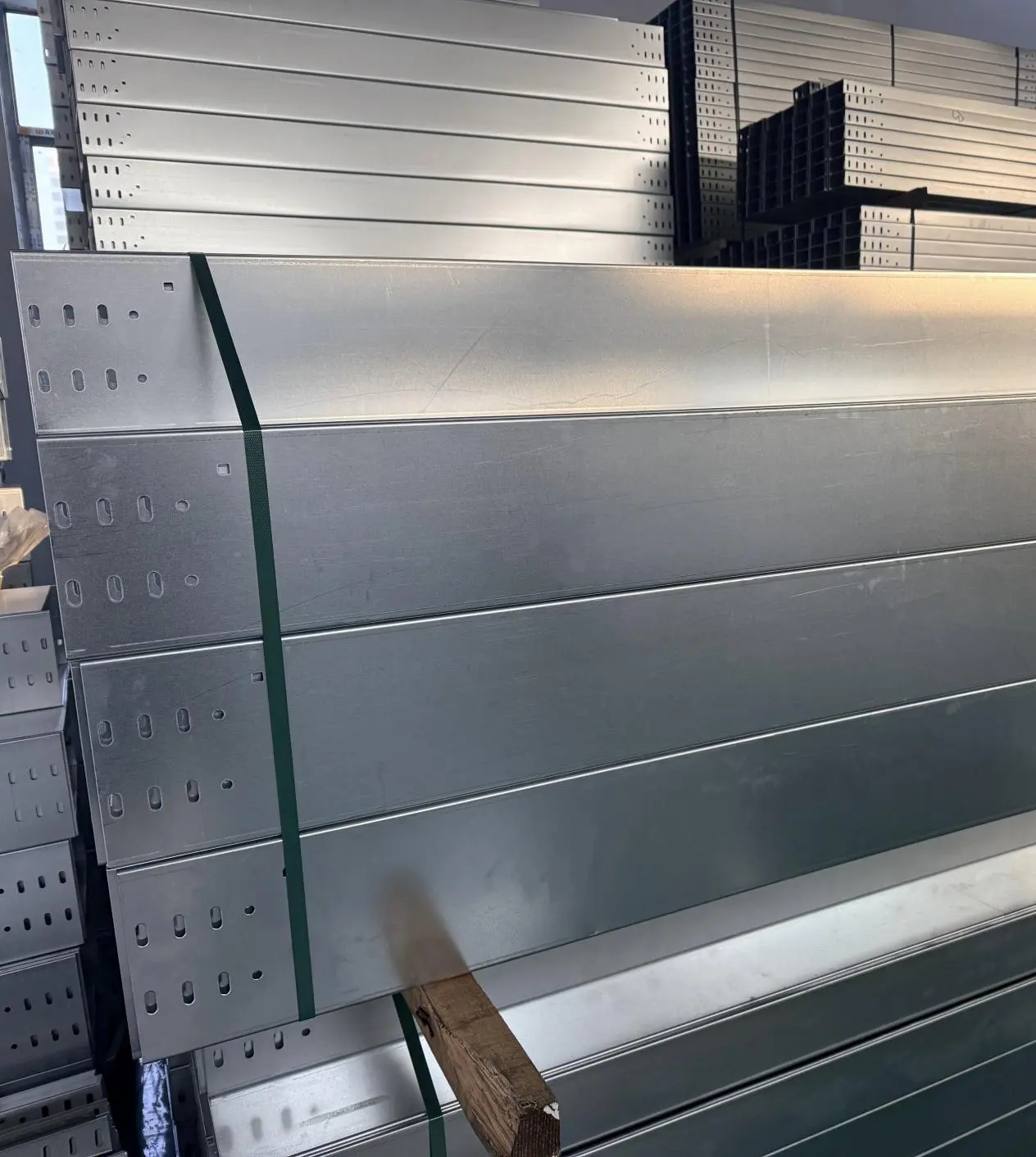

Innovations in Cable Support Systems: The Strategic Role of Ladder Cable Trays
As technology and infrastructure evolve at an unprecedented pace, one often overlooked but crucial component is quietly ensuring everything runs smoothly: the ladder cable tray. Found in factories, data centers, power plants, commercial buildings, and even renewable energy facilities, Ladder Cable trays are proving to be the most efficient and cost-effective method of managing the growing complexity of cable systems.

What Is a Ladder Cable Tray?
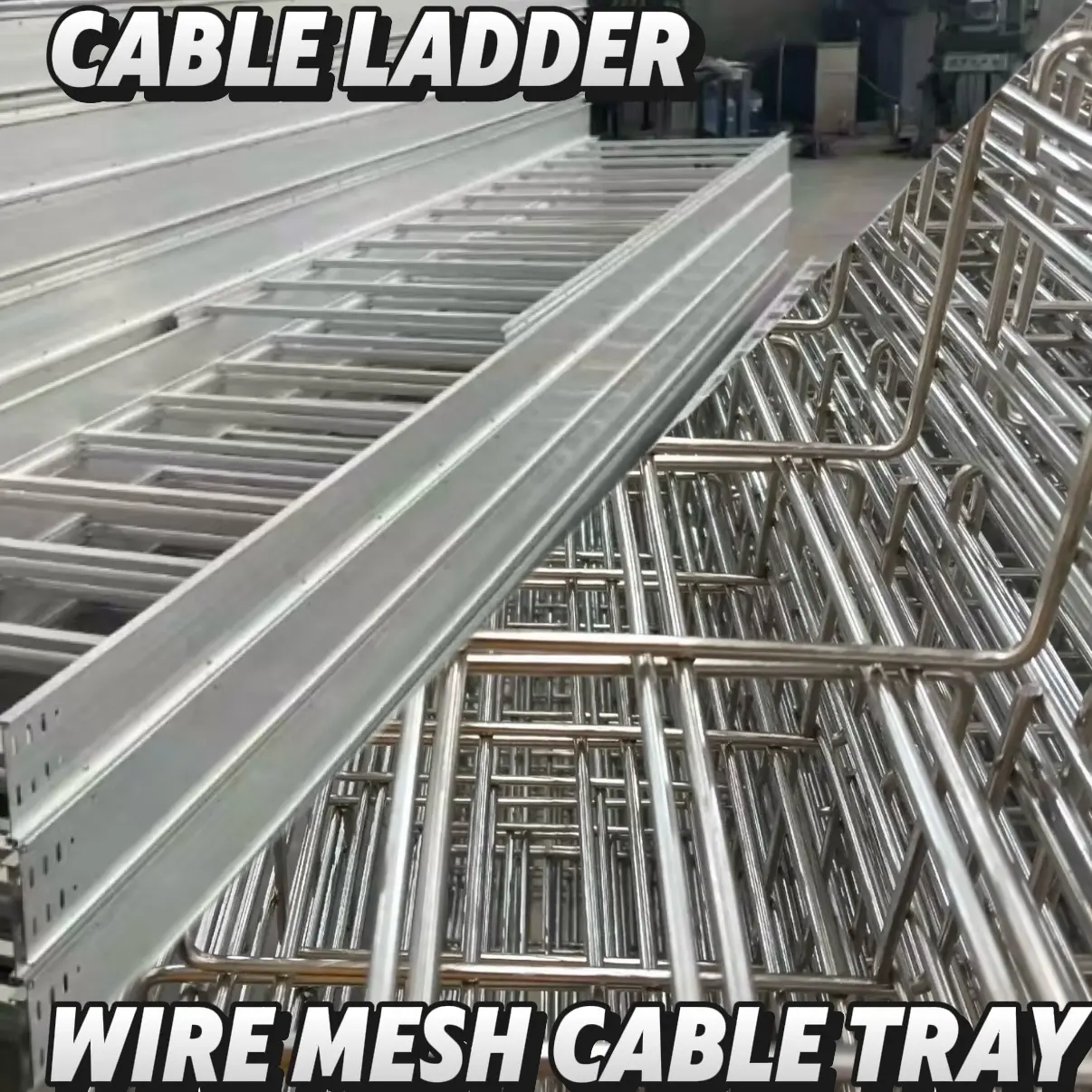
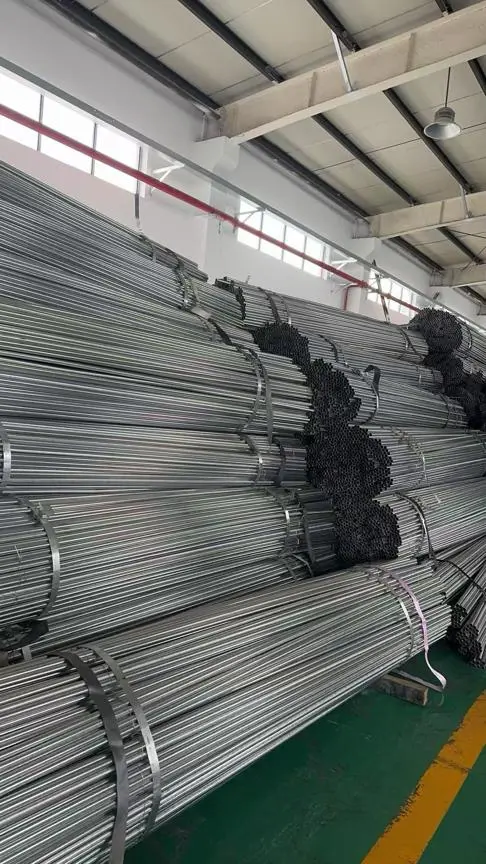
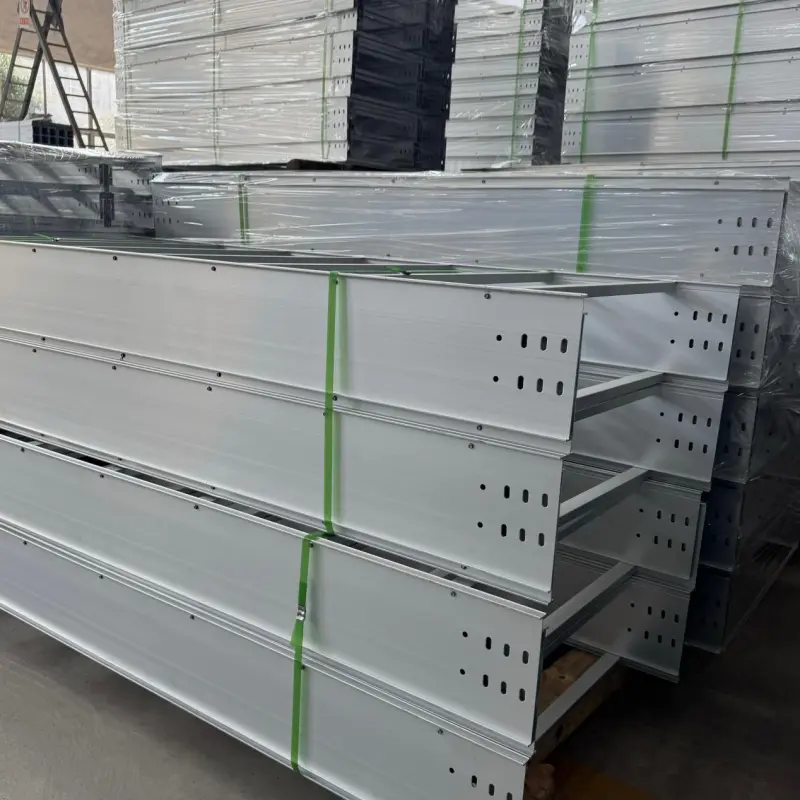
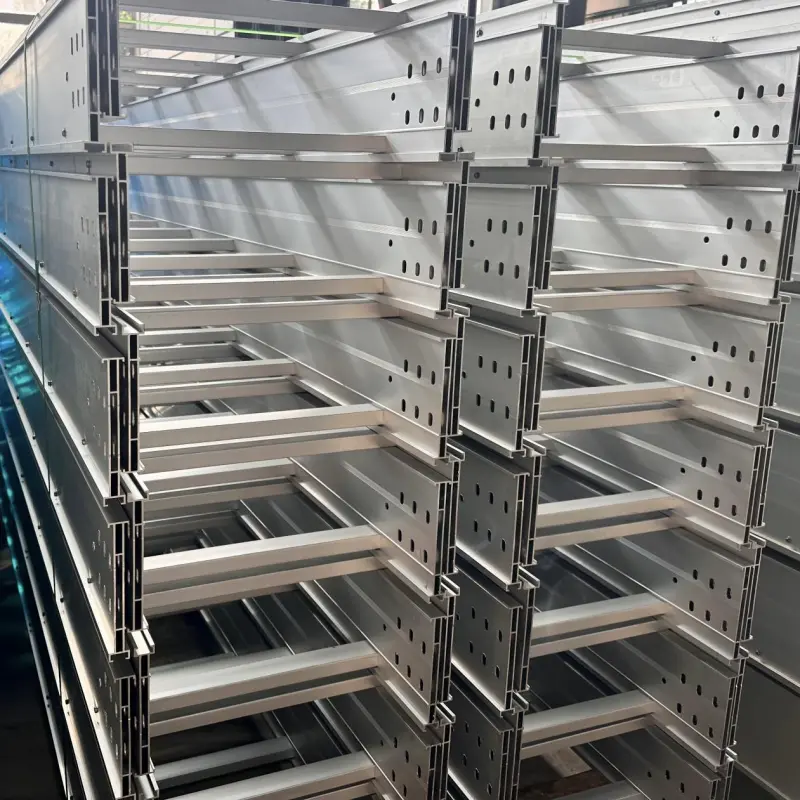
A ladder cable tray is a type of cable management system made up of two side rails connected by rungs at regular intervals—visually similar to a ladder, hence the name. It is typically made of materials like galvanized steel, stainless steel, aluminum, or fiberglass-reinforced plastic (FRP), depending on the installation environment.
Its open design allows cables to be laid across the rungs with ease, providing not only strong physical support but also excellent ventilation. This reduces the risk of cable overheating and facilitates easier cable installation, inspection, and maintenance.
Global Growth and Market Outlook
Driven by increased industrial automation, rising demand for reliable power distribution, and a growing emphasis on structured cabling in smart buildings, the global cable tray market is expanding rapidly. Ladder-type cable trays, in particular, are seeing a surge in demand due to their durability, scalability, and flexibility.
Why Are Ladder Cable Trays So Widely Used?
There are several key reasons why ladder cable trays have become the go-to solution for cable management in both industrial and commercial applications:
Superior Ventilation
The open rung design allows heat to dissipate naturally from cables. This is particularly important for high-voltage power cables or data cables that generate heat during operation. Better airflow extends the life of cables and reduces the risk of overheating or fire hazards.
Easy Installation and Maintenance
Compared to enclosed conduits, Ladder Trays are far easier to install. Cables can be dropped in or removed without pulling them through tight spaces. This significantly reduces labor time and makes future upgrades or repairs simpler and safer.
Cost Efficiency
With fewer materials needed and faster installation times, ladder trays offer lower overall costs compared to conduit systems. The open design also means fewer accessories are needed for branching or cable drops.
Adaptability and Scalability
Facilities frequently undergo upgrades or layout changes, especially in fast-evolving sectors like technology and manufacturing. Ladder cable trays allow for flexible rerouting of cables or the addition of new runs without major reconstruction.
Real-World Applications
Ladder cable trays are used across a broad range of industries, each with unique requirements and challenges:
Data Centers
With the exponential growth of cloud computing and AI, data centers require large-scale, organized cable infrastructures. Ladder trays provide support for power and fiber optic cables while ensuring cooling efficiency—a key requirement in these heat-sensitive environments.
Industrial Plants and Factories
In facilities where machinery is frequently added or reconfigured, the ability to quickly re-route or add cabling makes ladder trays ideal. They’re also robust enough to handle large bundles of heavy-duty cables.
Energy and Utilities
From oil refineries to solar farms, energy systems rely on durable and corrosion-resistant trays to support critical power distribution. In harsh outdoor environments, materials like FRP are used to resist UV radiation and chemicals.
Commercial Buildings
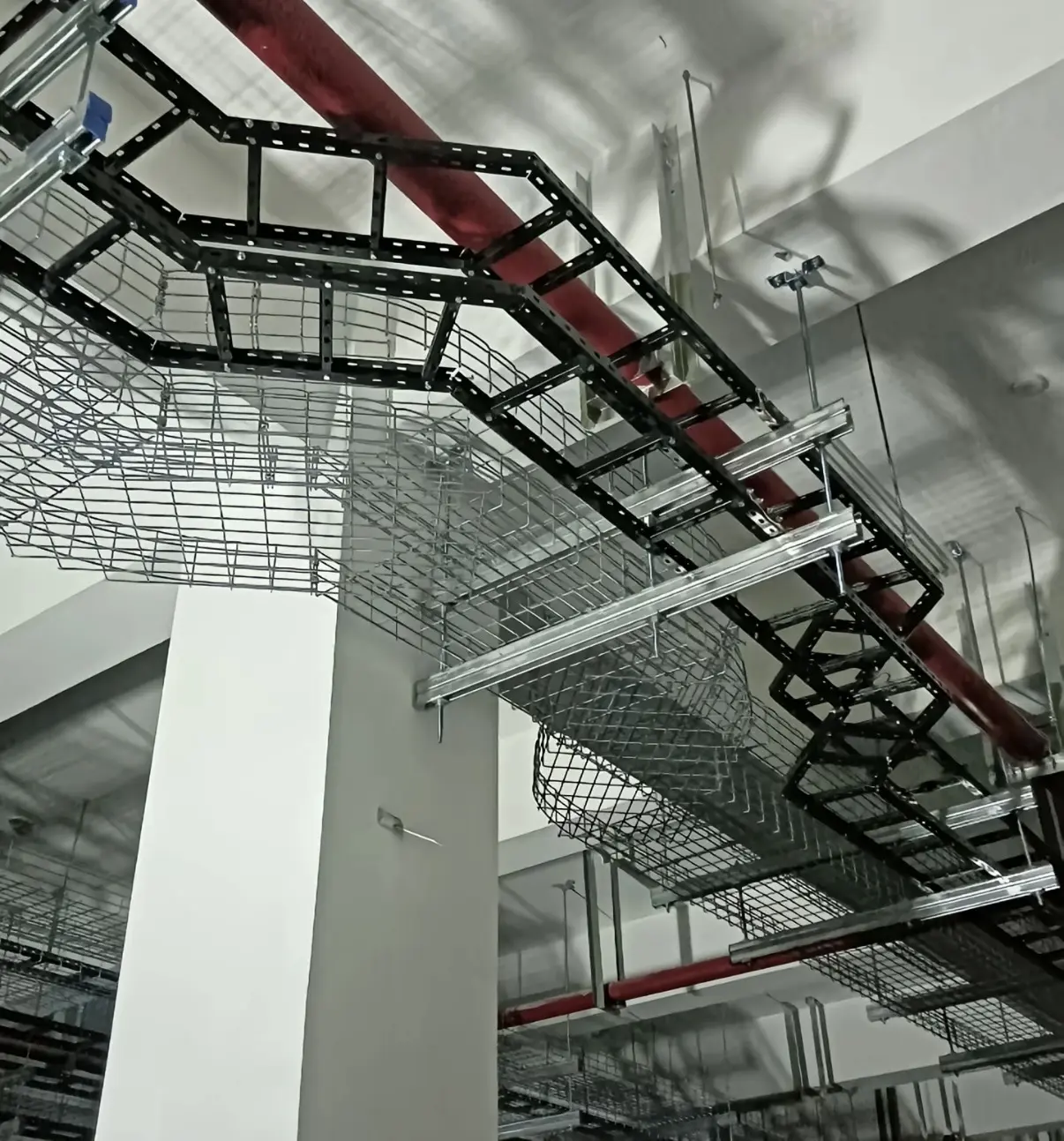
Offices, hospitals, and airports increasingly rely on structured cabling systems for power, data, and communication. Ladder trays offer a professional and organized cable layout while maintaining accessibility for technicians.
Innovation in Design and Materials
Today’s ladder cable trays are more advanced than ever. Manufacturers are investing in corrosion-resistant coatings, fire-retardant finishes, and lightweight yet strong materials to meet increasingly specific needs. Accessories such as bend sections, vertical tees, reducers, and cable drop-outs make it easier to adapt trays to complex layouts.
Moreover, some trays are now designed with integrated grounding systems, eliminating the need for additional bonding conductors and improving safety. Covers and barriers can also be added for extra protection in outdoor or hazardous areas.
Challenges and Considerations
While ladder cable trays offer many advantages, there are some limitations and considerations to keep in mind:
Space Requirements
Ladder trays require more physical space than conduits or enclosed trays. In tight ceiling voids or wall-mounted spaces, this could pose a design challenge.
Exposure to Dust and Debris
In particularly dusty or dirty environments, the open structure may allow debris to settle on cables. This is typically resolved with optional tray covers or by regular cleaning schedules.
Engineering and Load Calculation
To ensure safety and compliance with industry standards, proper planning is required. Overloaded trays can lead to cable damage or mechanical failure. Structural supports must be properly spaced, and weight distribution must be accounted for.
Sustainability and the Green Building Movement
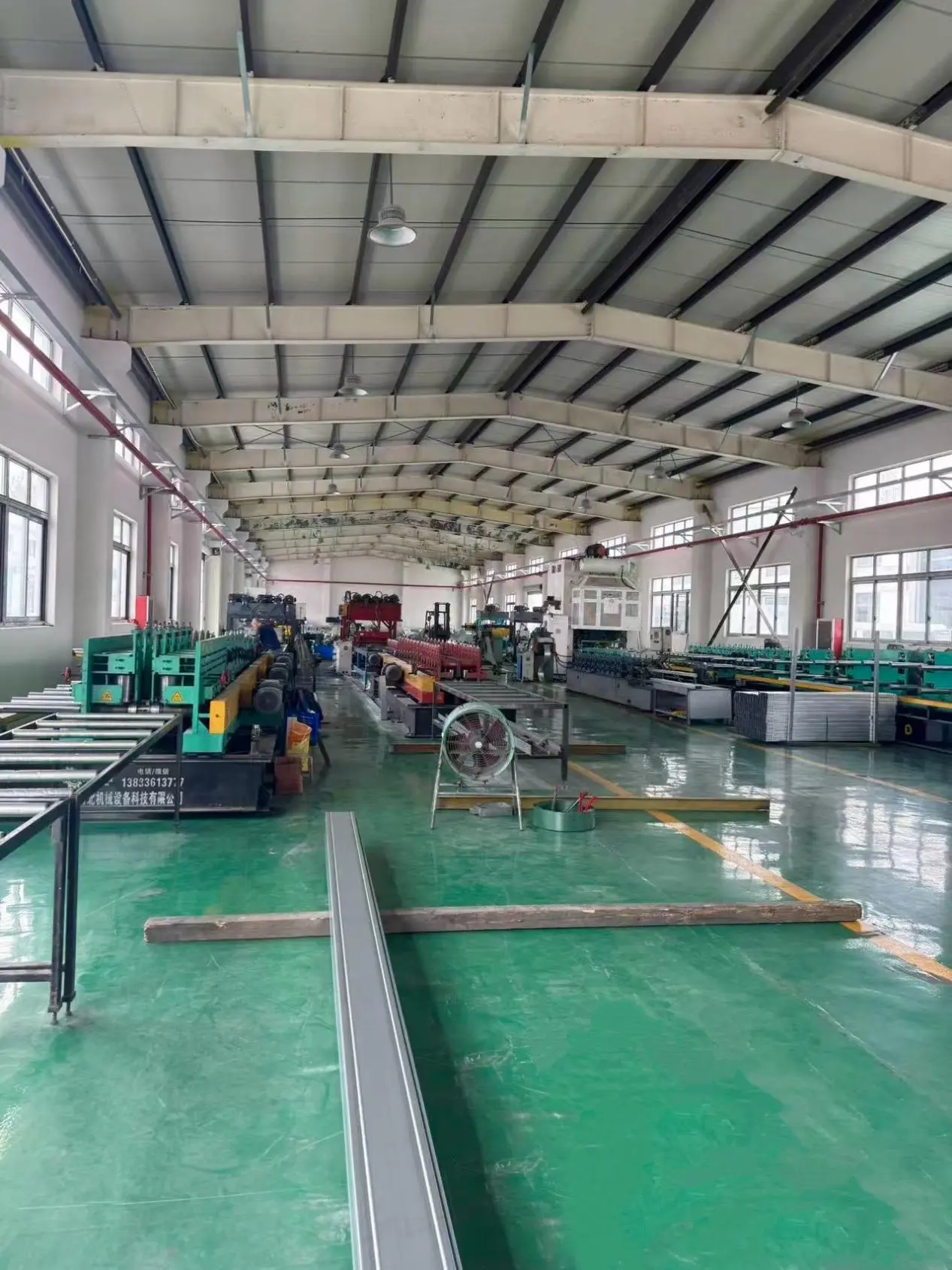
As sustainability becomes a higher priority in construction, ladder cable trays are contributing positively. Aluminum and steel trays are recyclable, and many manufacturers now use eco-friendly coatings and processes. Their modular nature also reduces material waste, as trays can be reused or reconfigured instead of discarded during renovations.
Conclusion
Ladder cable trays may not make headlines often, but their role in modern infrastructure is undeniably critical. As industries continue to digitize and power demands grow, the need for reliable, accessible, and future-proof cable management solutions becomes even more pressing.
With their unmatched combination of strength, simplicity, and adaptability, ladder cable trays are set to remain a cornerstone of cable infrastructure for years to come—quietly powering the connected world from behind the scenes.