






How EMT Conduit Shapes Modern Architecture
Behind the drywall and under polished concrete floors lies an unsung hero: Electrical Metallic Tubing, or EMT conduit. One of the most significant ways EMT shapes modern architecture is through its flexibility—both literal and figurative. Unlike rigid conduit, EMT can be easily bent and shaped on-site, allowing electricians to create custom curves and pathways. This enables architects to design sweeping, unconventional forms without being constrained by straight electrical lines.
From curved walls in museums to undulating ceilings in airports, EMT helps translate ambitious architectural sketches into reality.
The Aesthetic of Industrial Chic
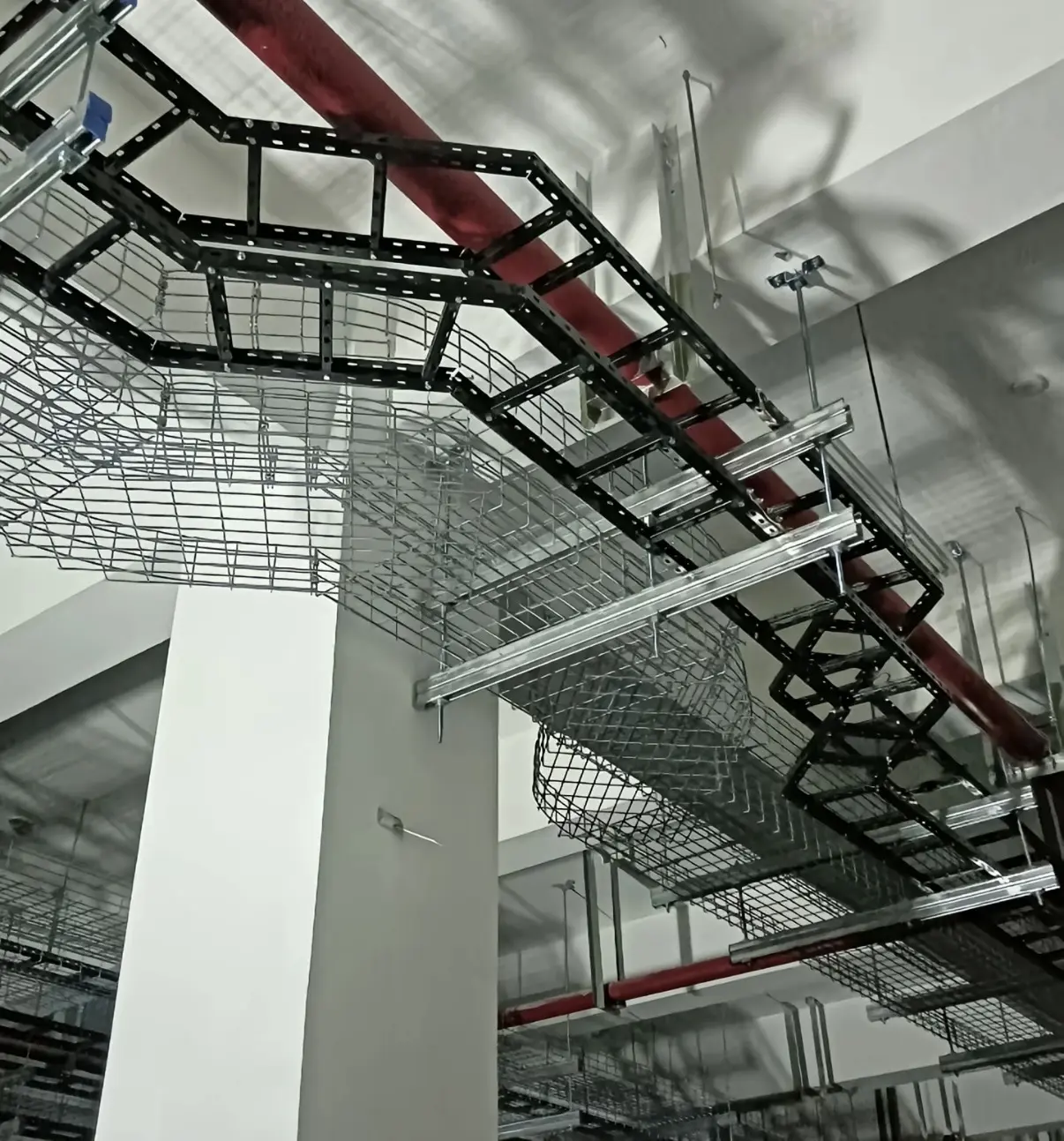
The rise of industrial and minimalist design trends has thrust EMT into the spotlight. Instead of hiding electrical wiring, designers now often leave EMT exposed, turning functional infrastructure into a stylistic statement. Its clean, metallic look complements steel beams, concrete surfaces, and open layouts, reinforcing the honesty and simplicity that define contemporary industrial aesthetics.
In projects like trendy restaurants, boutique offices, and loft-style residences, EMT is not just behind the scenes—it is part of the decor.
Lightweight and Sustainable
Modern architecture isn’t just about looks—it’s also about efficiency and sustainability. EMT, typically made from lightweight galvanized steel or aluminum, is easier and cheaper to transport and install than heavier alternatives. This reduces the carbon footprint of construction projects and aligns with green building practices.
Additionally, metal conduits like EMT are recyclable and durable, ensuring long-term reliability with minimal environmental impact.
Safety and Adaptability
Safety is non-negotiable in building design, and EMT offers robust protection for electrical wiring against physical damage, moisture, and corrosion. Its durability makes it ideal for everything from high-rise buildings to innovative smart homes packed with sensitive technology.
Moreover, as buildings evolve and technology advances, EMT’s accessibility makes it easier to upgrade or expand electrical systems without major renovations—a critical advantage in our fast-changing digital era.
The Future Is Flexible
As architectural trends continue to favor open, adaptable, and technology-integrated spaces, EMT conduit will remain an essential tool. Its role may often go unnoticed by the public, but for those shaping the world we live in, it’s nothing short of foundational.
About EMT Conduit
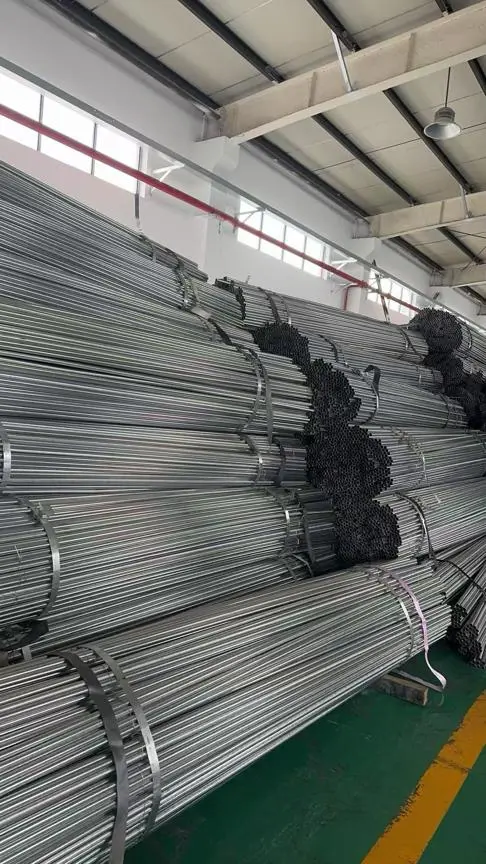
EMT (Electrical Metallic Tubing) is a lightweight, bendable metal tubing used to protect electrical wiring. It is commonly used in residential, commercial, and industrial buildings for its ease of installation, durability, and versatility.