






How Cable Trays and Seismic Bracing Systems Mitigate Earthquake Damage: Lessons from Recent Events
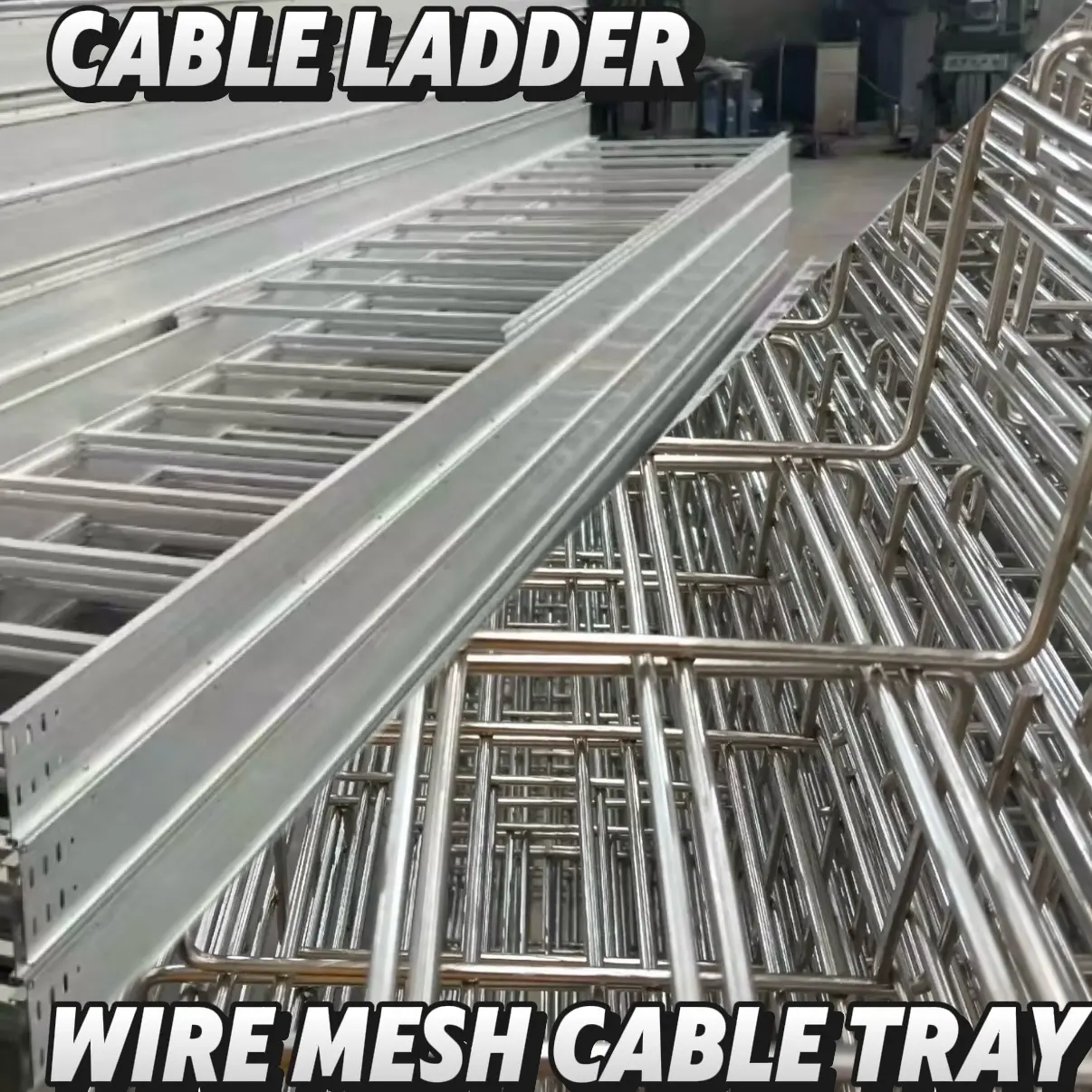
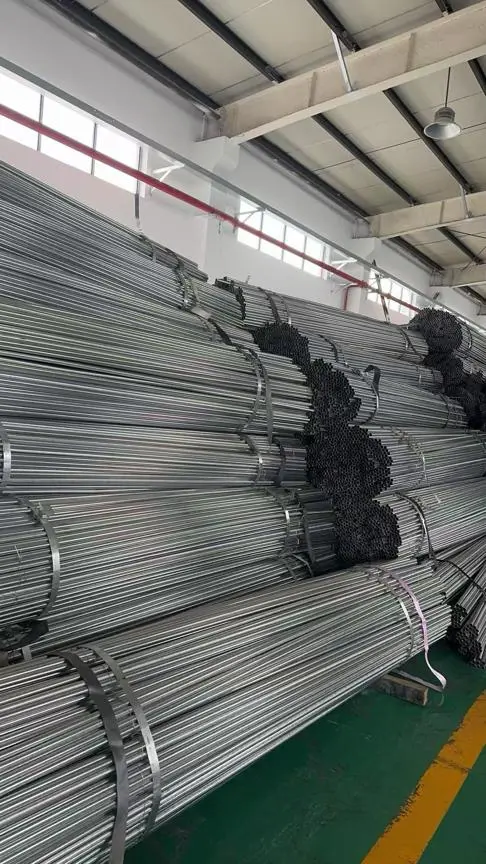
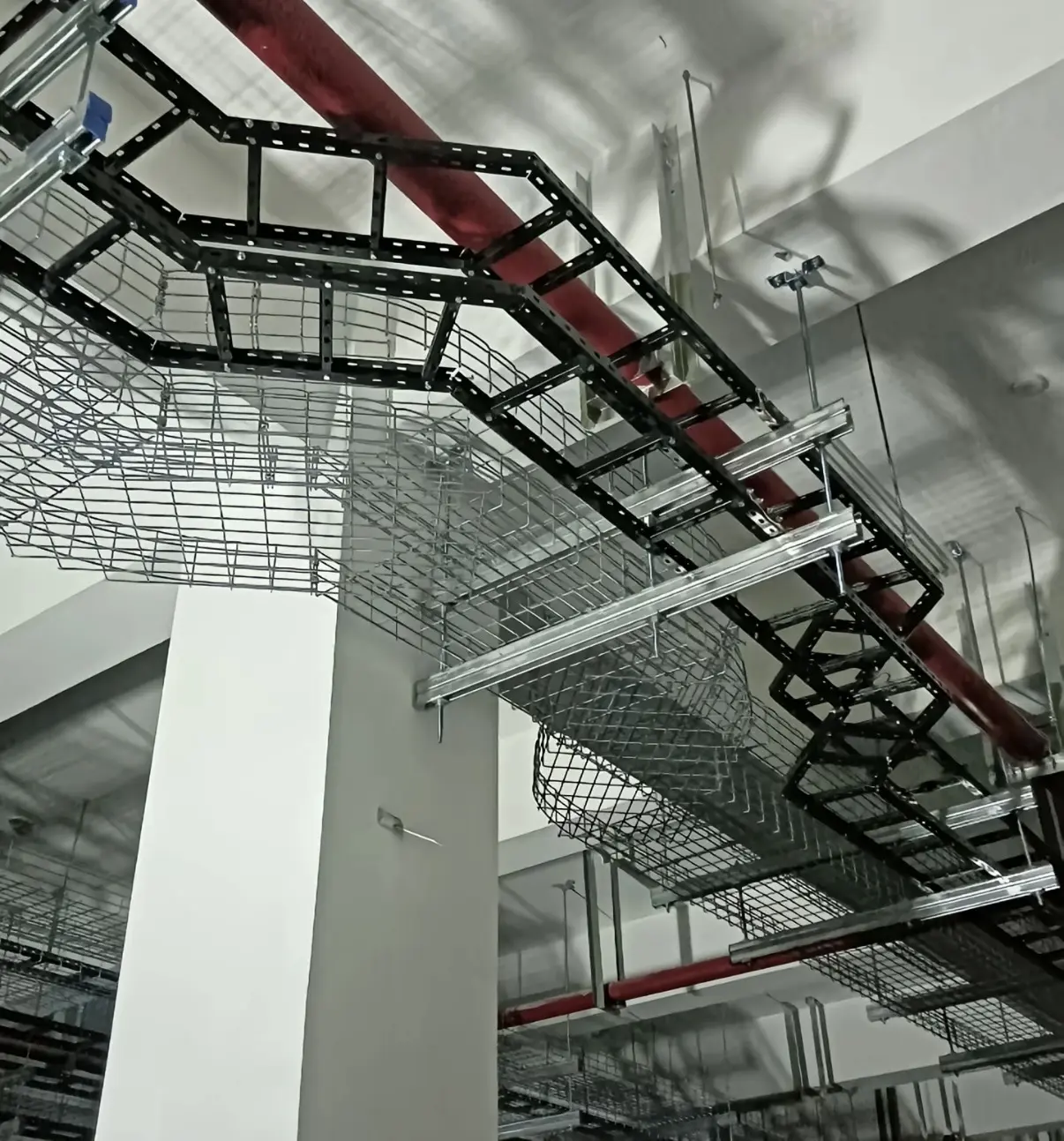
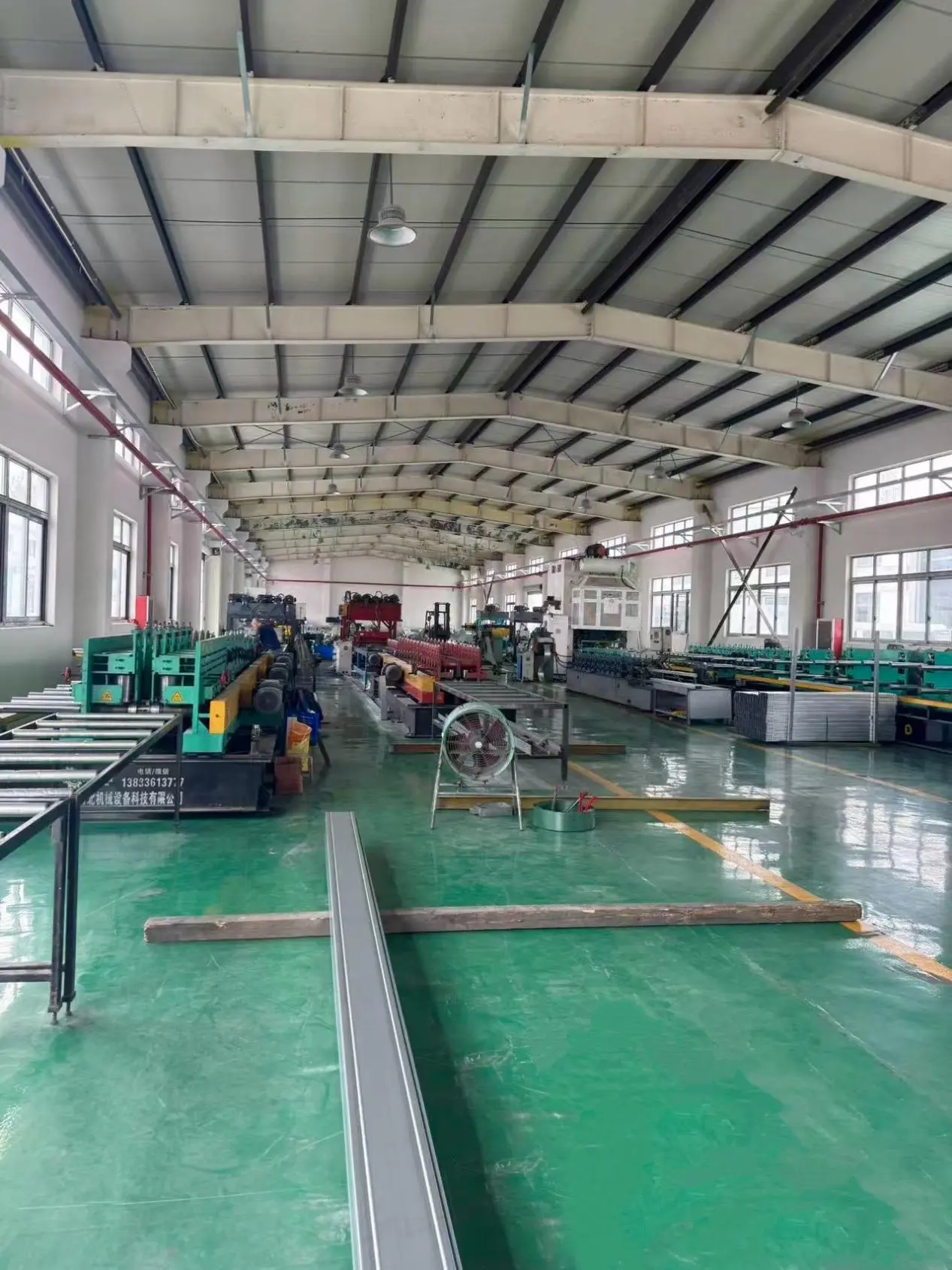
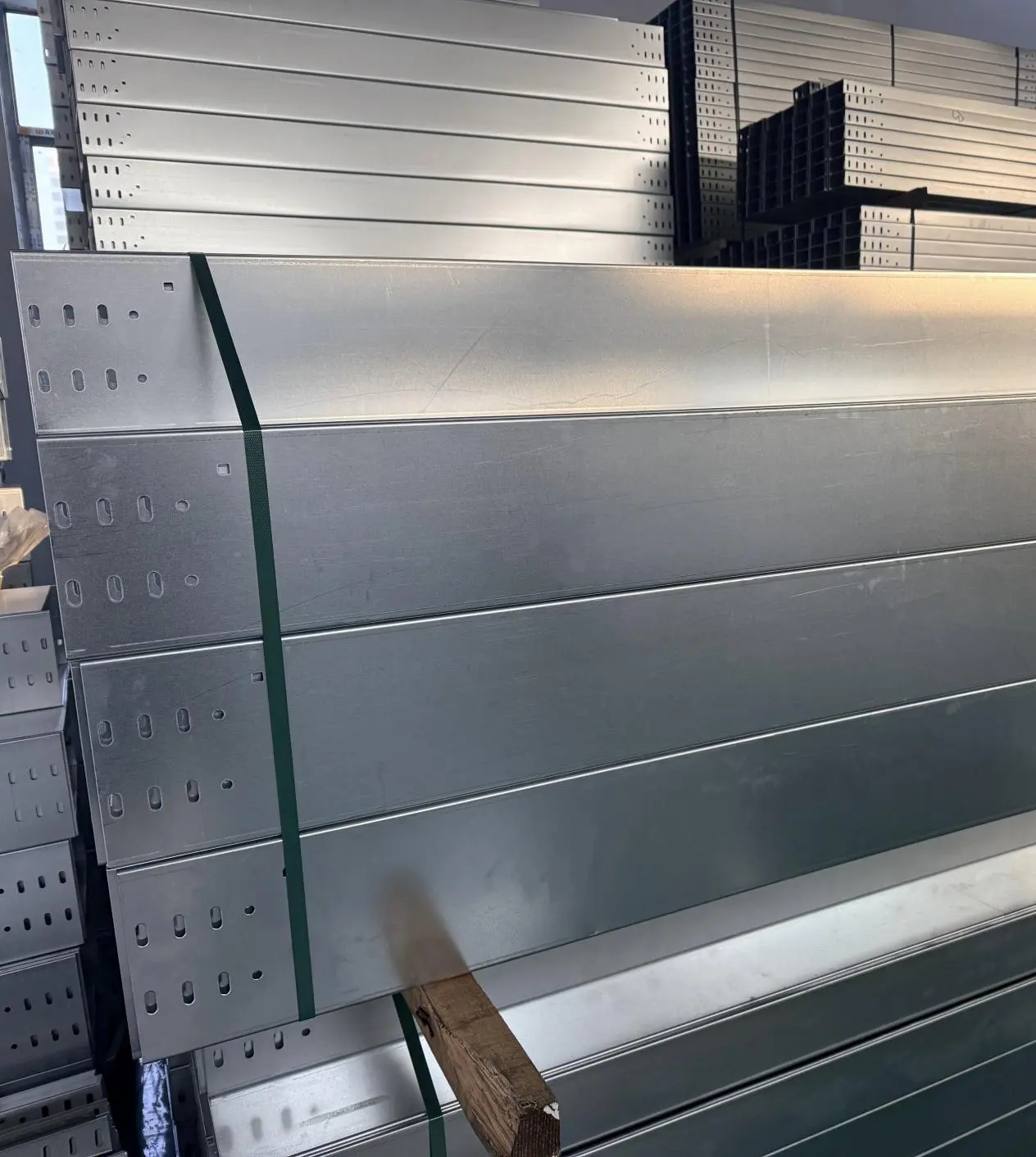
In April 2024, a magnitude 7.4 earthquake struck Hualien, Taiwan, causing widespread infrastructure damage and economic losses. This disaster, like many others, underscores the critical need for earthquake-resilient construction practices. As manufacturers of Cable Trays,seismic brackets, and light steel keels, we recognize that integrating purpose-built seismic support systems into buildings and critical facilities can dramatically reduce structural failures, protect human lives, and minimize post-disaster recovery costs. This article explores how modern seismic bracing technologies function and why their adoption must become standard in earthquake-prone regions.
The Science Behind Seismic Resistance
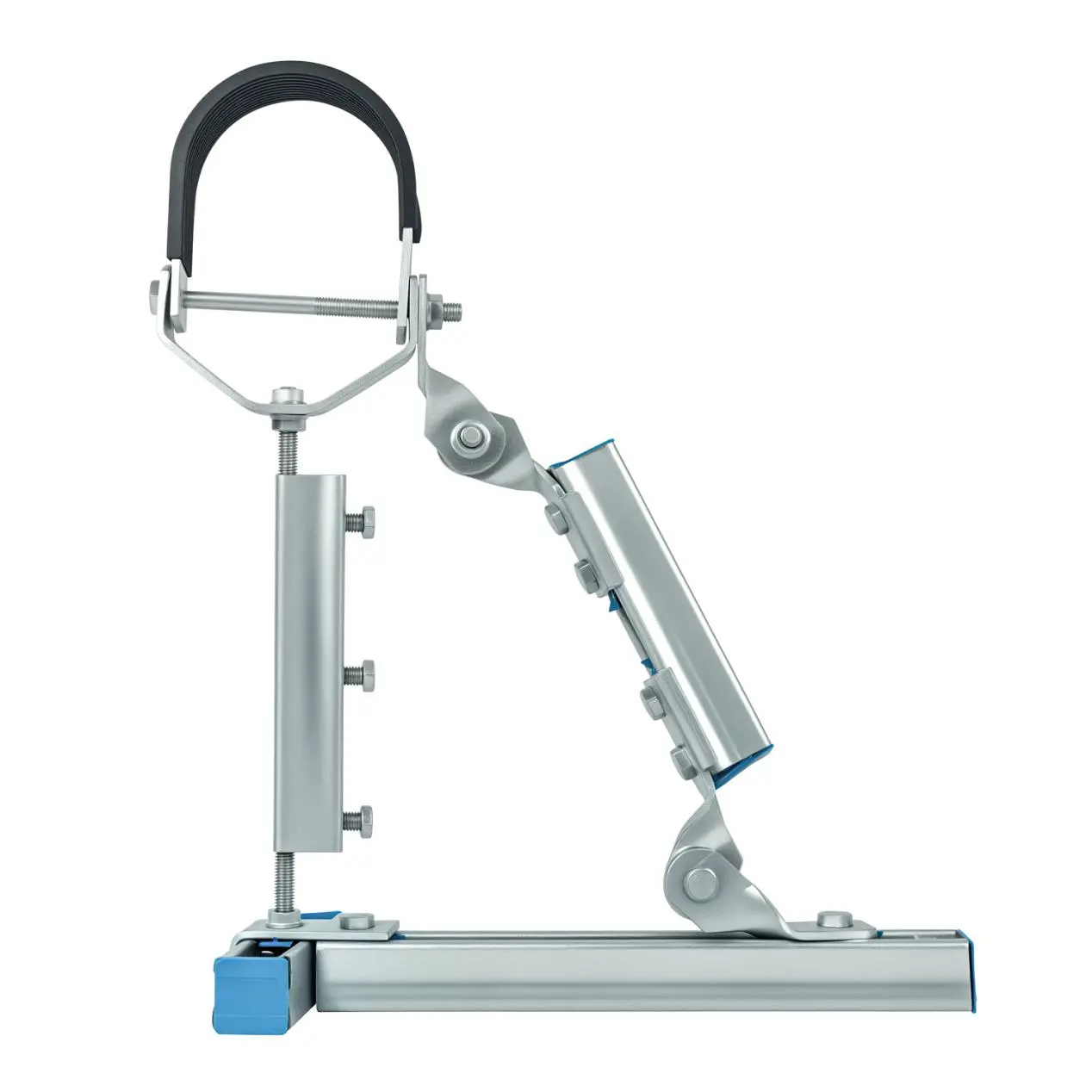
Earthquakes generate multidirectional forces that test structural integrity through horizontal shaking and vertical uplift. Traditional rigid supports often fail under this stress, leading to cascading collapses of mechanical, electrical, and plumbing (MEP) systems. Modern seismic cable trays and bracing systems address this through three key mechanisms:
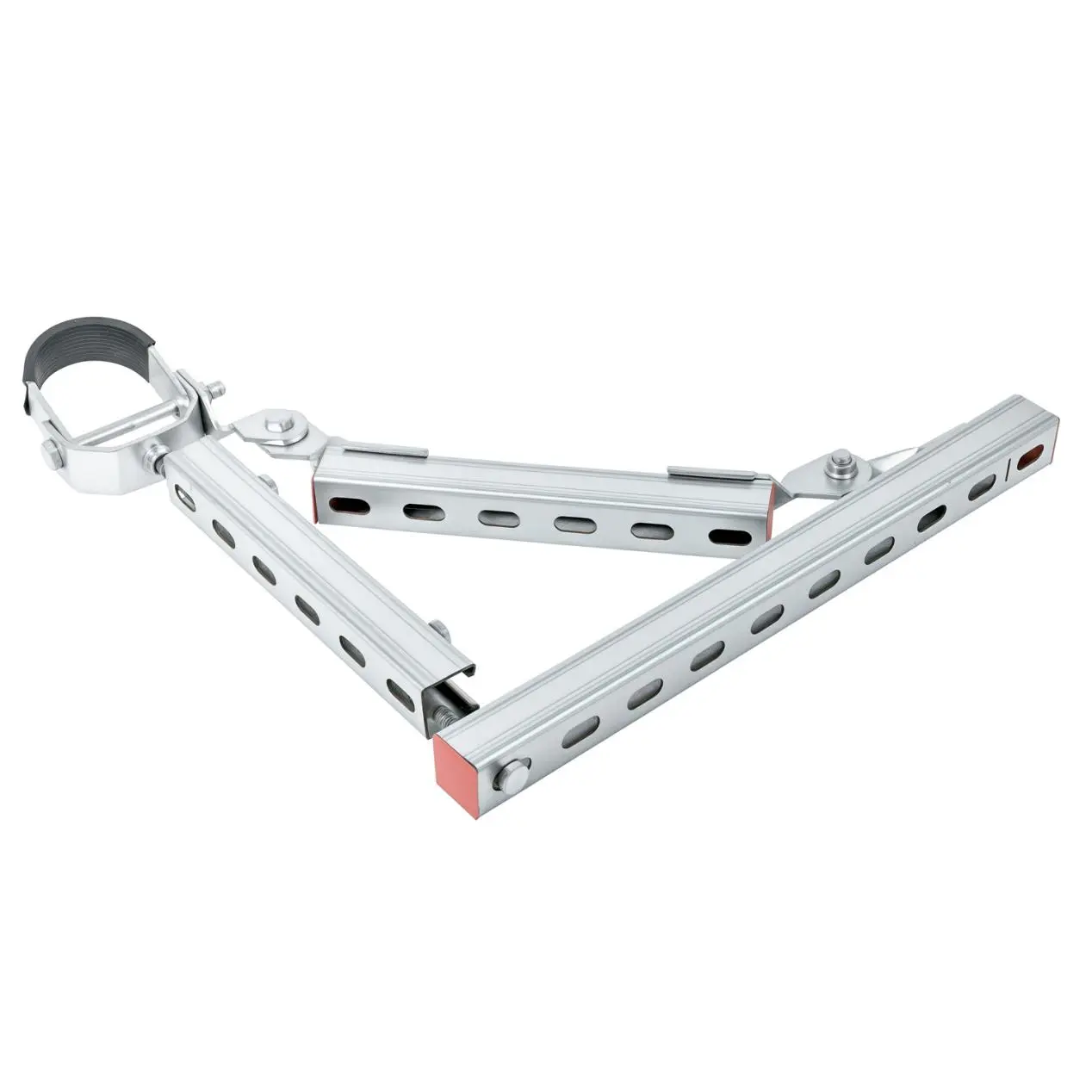
- Energy Dissipation: High-grade galvanized steel or aluminum alloy bracing components absorb and redistribute kinetic energy away from critical junctions. Properly installed systems can reduce lateral displacements by 40-60%.
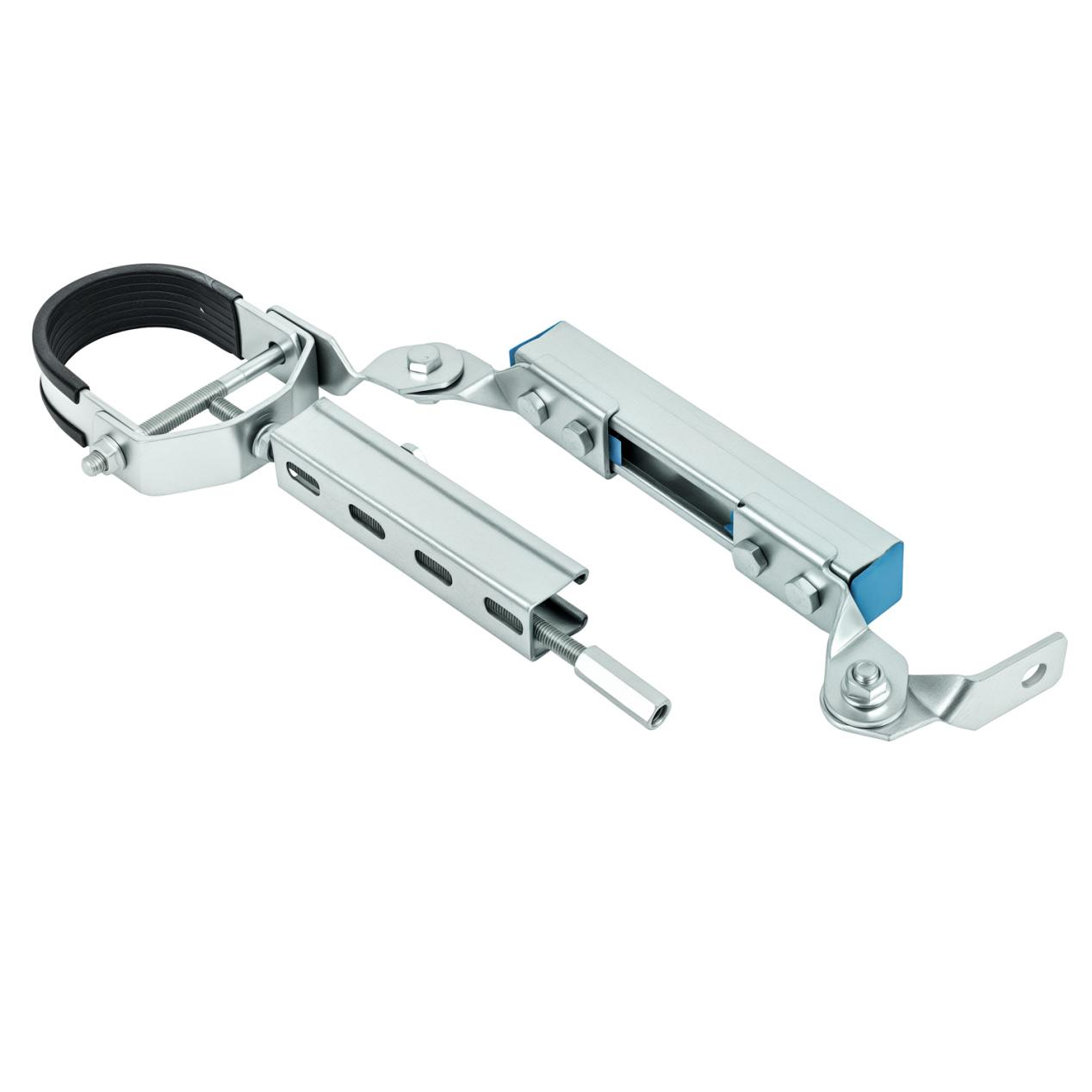
- Controlled Movement: Unlike fixed supports, seismic-rated cable trays allow controlled sway through articulated joints and sliding bases. This prevents concentration of stress points that cause shearing failures.
- Multi-Directional Load Capacity: Advanced systems like the X-shaped K-Brace or single-screw hydraulic dampers provide 360° restraint, crucial for protecting suspended equipment in hospitals or data centers.
Application Case Studies
The 2023 Türkiye-Syria earthquakes demonstrated the life-saving difference between conventional and seismic-rated installations. In Antakya, a hospital using ISO-complianT Cable Trays retained functional emergency power and oxygen lines despite 0.8g ground acceleration, while nearby facilities without such systems suffered catastrophic MEP failures.
Cost-Benefit Imperatives
Japan's 2011 Tōhoku earthquake demonstrated the critical role of seismic bracing systems. According to a Mitsubishi Research Institute study, manufacturing facilities equipped with compliant seismic supports resumed operations 9–14 days faster than non-compliant counterparts, reducing earthquake-related economic losses by an average of $1.8–2.5 million per facility (MRI, 2012).
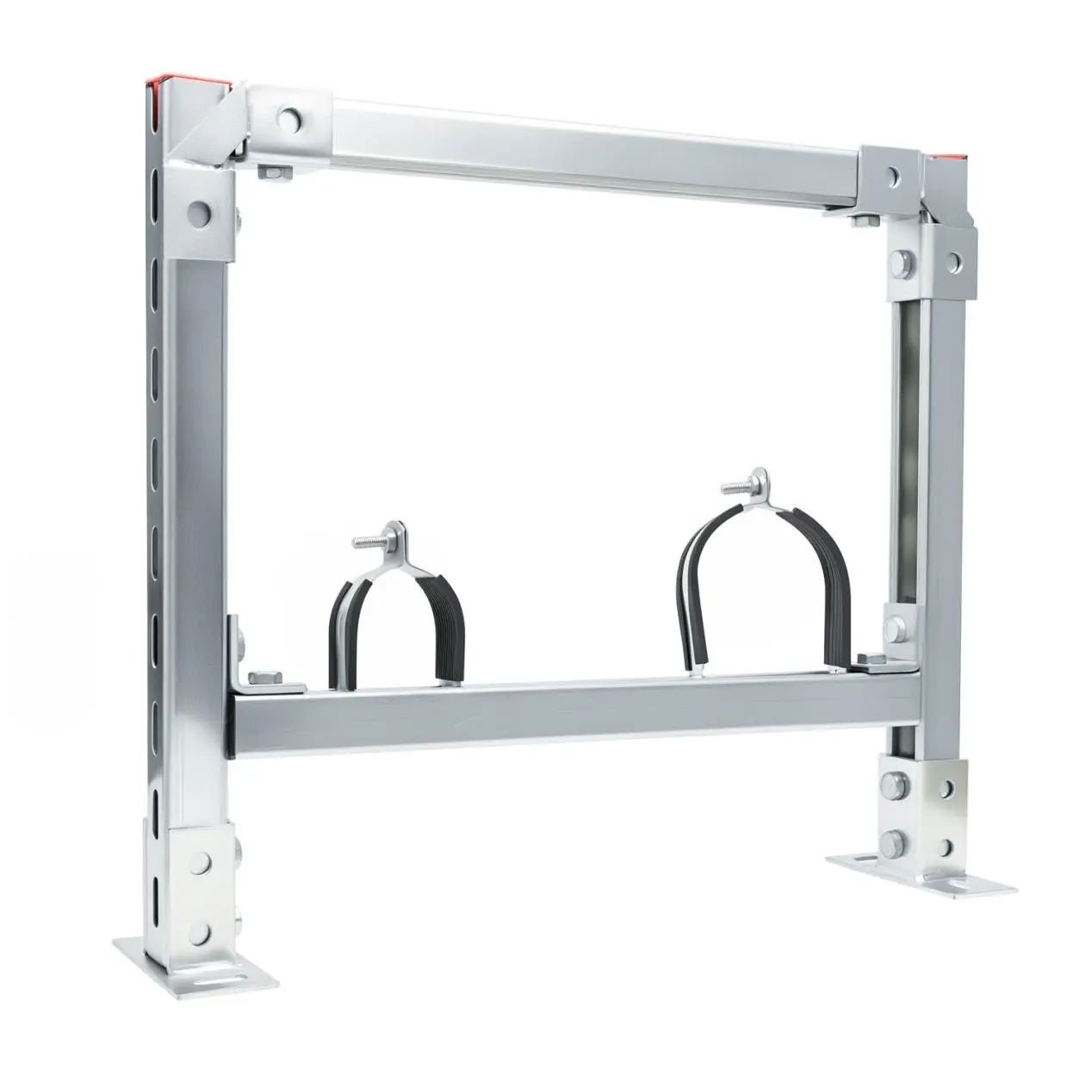
Modern innovations further enhance affordability. Modular seismic cable trays now allow retrofitting without full system shutdowns, while zinc-aluminum-magnesium coated braces extend service life to 50+ years in corrosive coastal environments.
Conclusion
The Taiwan earthquake reiterates an urgent truth: seismic resilience cannot remain an optional upgrade. As climate change intensifies tectonic risks globally, adopting certified seismic support systems becomes both an ethical obligation and economic necessity.
Reference
Federal Emergency Management Agency (FEMA). (2011). NEHRP Recommended Seismic Provisions: Design Examples. FEMA P-749.
Mitsubishi Research Institute. (2012). Business continuity lessons from the Great East Japan Earthquake: Analysis of infrastructure resilience and economic recovery (Report No.BCP-2012-E001).