





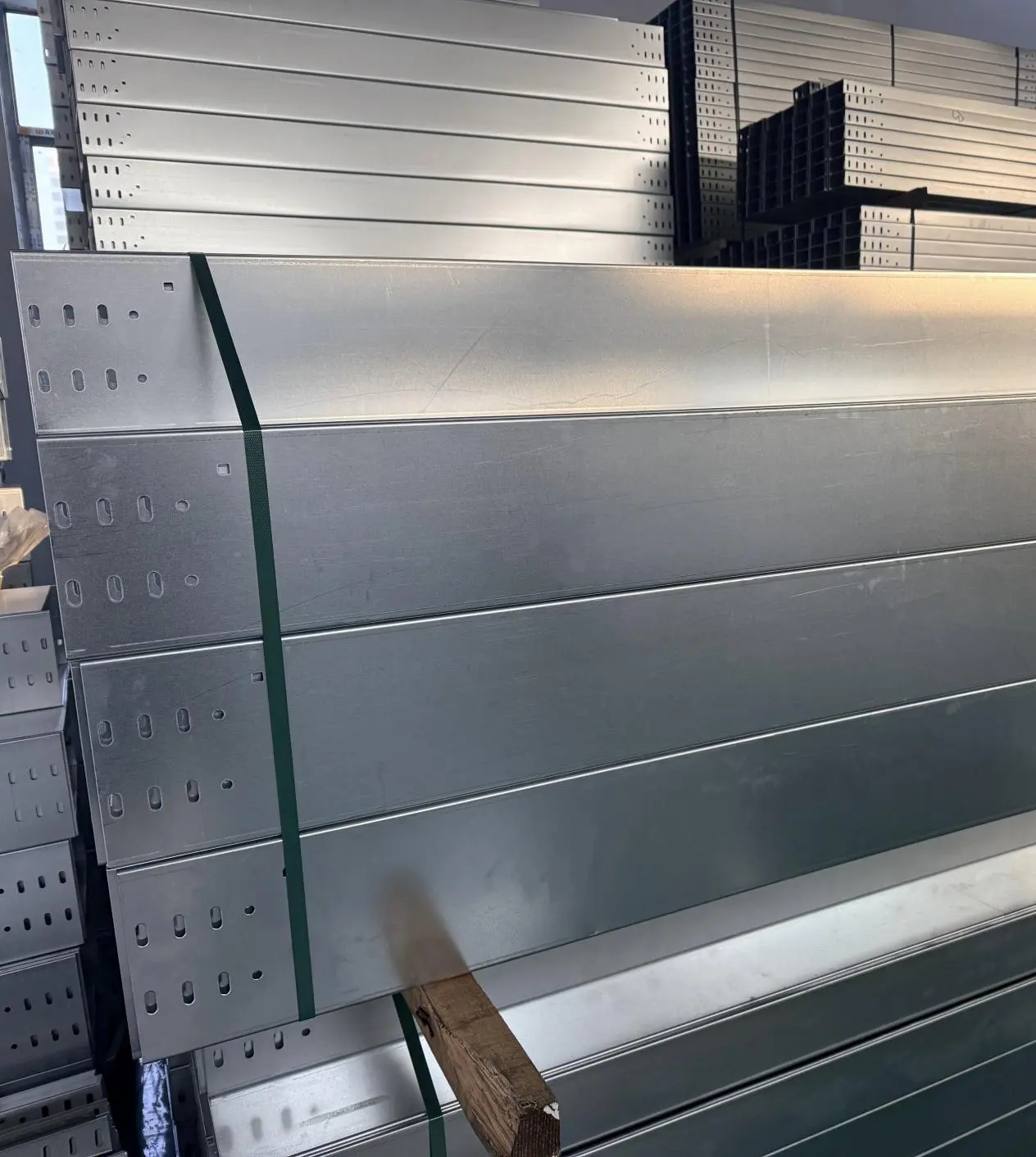

Heat Insulation and Protection Measures for Fireproof Cable Trays
Introduction
Importance of Fireproof Cable Trays in Electrical Infrastructure
Fireproof cable trays serve as the unsung guardians of modern electrical systems. In complex infrastructures like data centers, manufacturing plants, and high-rise buildings, these trays provide critical pathways for routing power and communication cables. Their fire-resistant capabilities ensure continuity of service during fire outbreaks, curbing the spread of flames and maintaining structural integrity. Without them, vital systems would succumb to chaos during emergencies, putting both property and lives at risk.
Why Heat Insulation Matters for Fire Safety and System Longevity
Thermal insulation is not merely an add-on—it’s a core component of a fireproof cable tray's functionality. By minimizing heat transfer, insulation extends the time before critical failure occurs during a fire, allowing systems to function longer and enabling safer evacuations. Moreover, it shields sensitive cables from ambient heat exposure, which, over time, can lead to accelerated degradation, reduced efficiency, and electrical hazards.
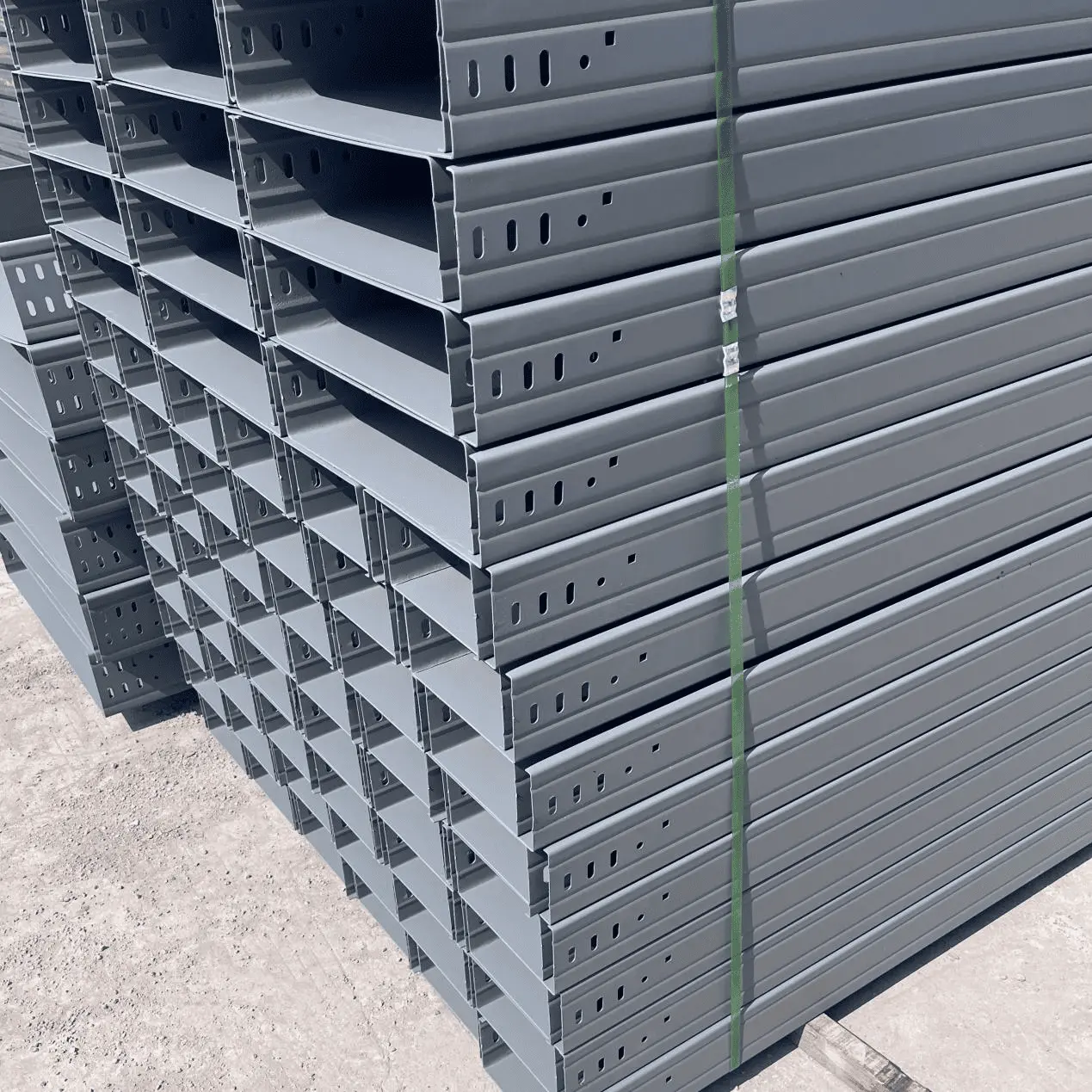
Overview of Challenges Faced in High-Temperature Environments
Industrial zones, such as oil refineries, steel mills, and power plants, often present unforgiving thermal conditions. Elevated temperatures, chemical exposure, and mechanical stressors demand not just durability but thermal resilience. Cable trays without proper insulation are susceptible to thermal deformation, embrittlement of materials, and in severe cases, spontaneous combustion of cable sheathing. Navigating these environments requires robust engineering strategies grounded in proactive heat protection.
Understanding Fireproof Cable Trays
What Are Fireproof Cable Trays?
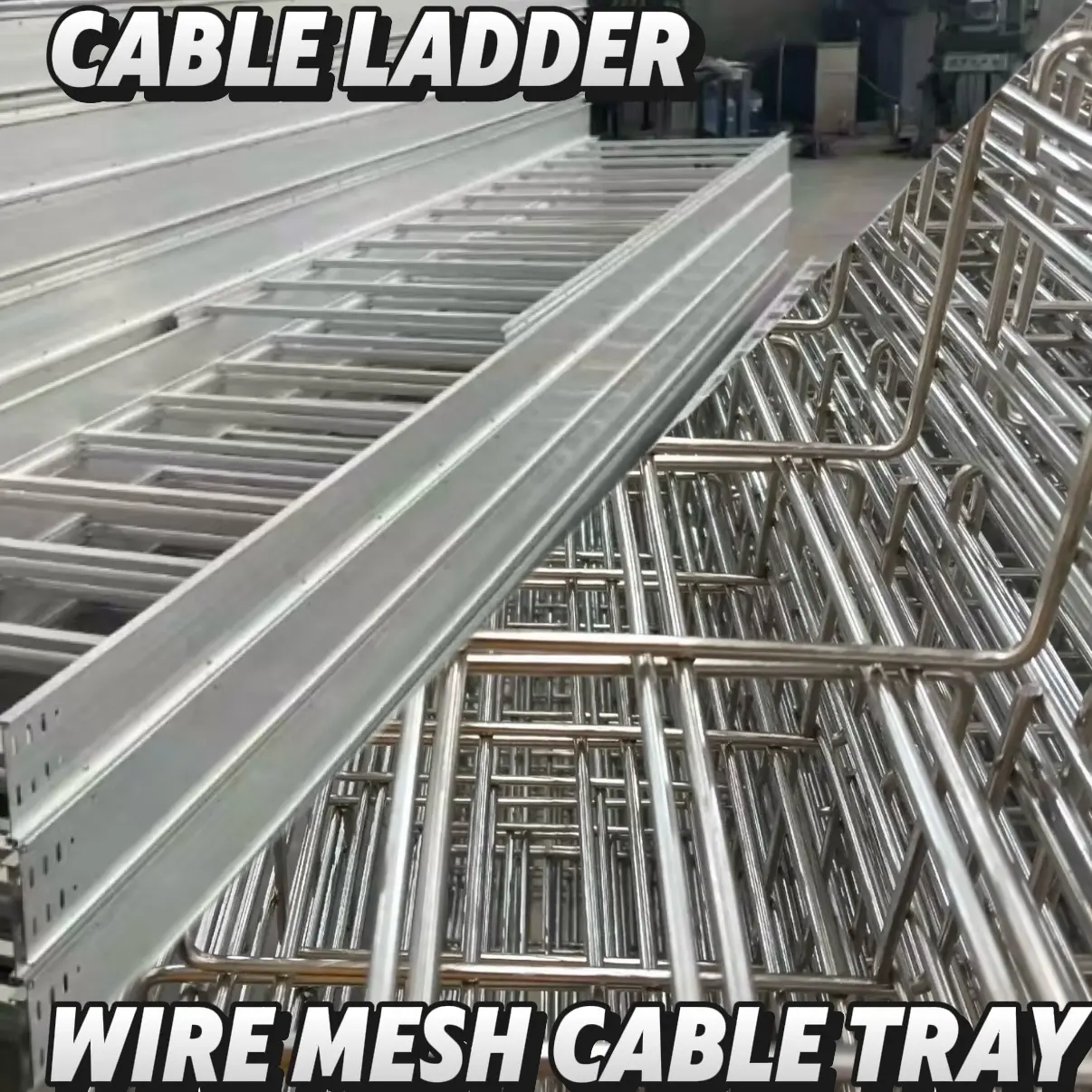
Fireproof cable trays are specialized support systems designed to hold and protect electrical cables while withstanding high-temperature conditions. Unlike standard trays, they’re engineered to resist fire propagation, often with added coatings, insulation, or material enhancements that delay heat transfer and combustion. These trays form an integral part of fire containment strategies in safety-critical infrastructure.
Key Materials Used in Fireproof Tray Construction
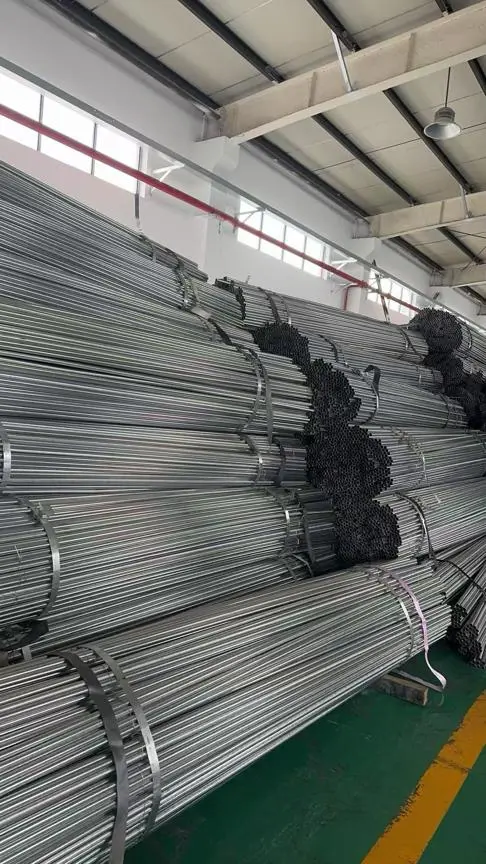
These trays are typically fabricated from galvanized steel, stainless steel, or aluminum alloys due to their excellent strength-to-weight ratios and inherent resistance to heat. To enhance fireproofing, manufacturers often employ coatings such as intumescent paints or epoxy-based barriers. In some cases, hybrid materials that incorporate refractory components are used to achieve superior fire endurance.
Common Applications in Industrial and Commercial Settings
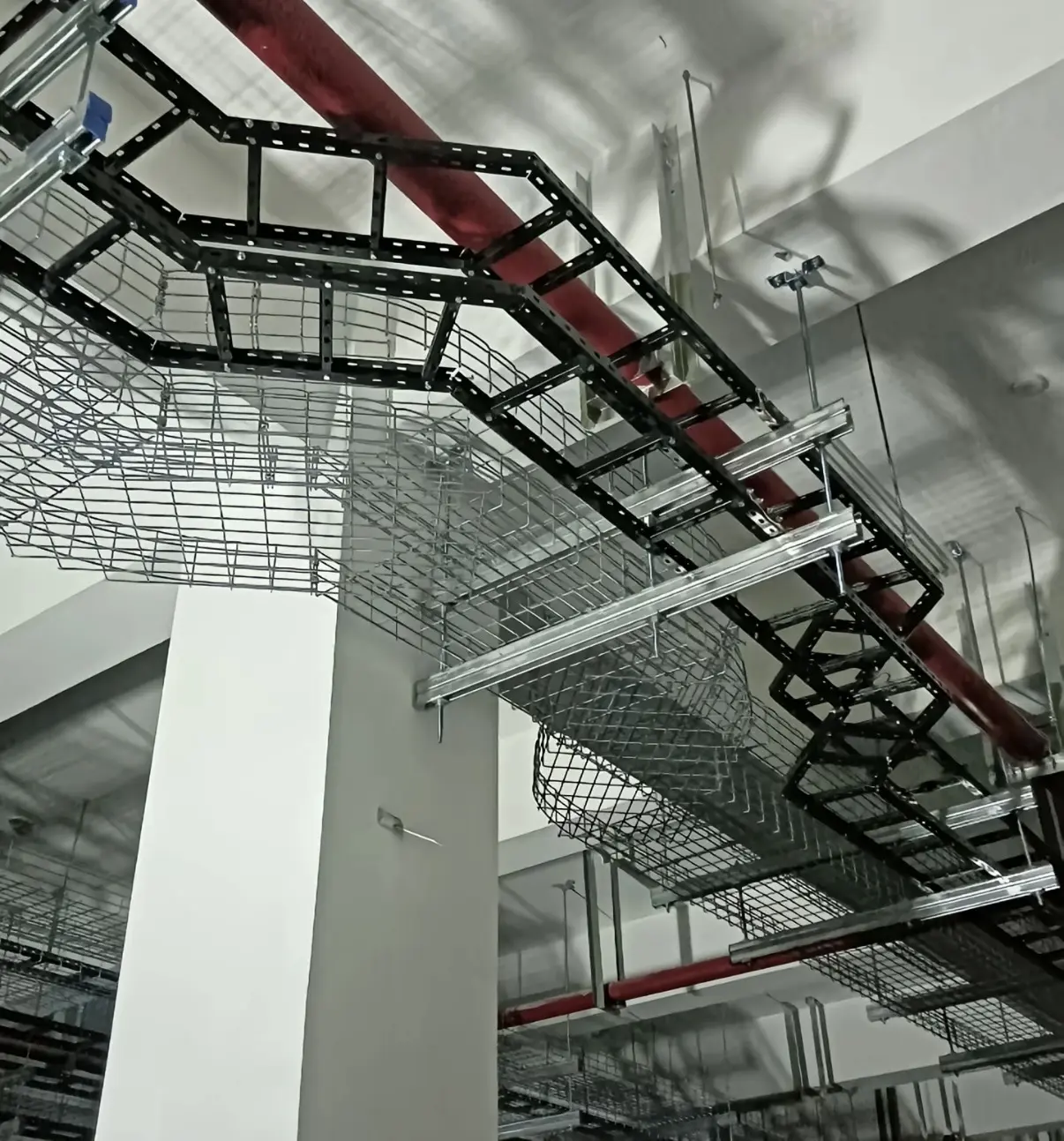
You’ll find fireproof cable trays embedded in the backbone of energy grids, tunnels, subway systems, chemical plants, and commercial buildings. They are indispensable in areas requiring fire-rated assemblies, such as emergency power circuits, alarm systems, and communication hubs, where cable integrity must be preserved even under duress.
The Role of Heat Insulation in Cable Tray Systems
How Thermal Insulation Enhances Fire Resistance
Insulation acts as a thermal shield, deflecting or absorbing heat to prevent it from reaching the core of the cable bundle. In fire conditions, insulation delays the temperature rise inside the tray, preserving the cable's structural and electrical integrity for longer durations. This time window is crucial for implementing emergency responses and ensuring backup systems remain operational.
The Science Behind Heat Transfer and Cable Performance
Heat travels via conduction, convection, and radiation. Within a confined tray, cables can create a compounding thermal effect known as thermal stacking. Without proper insulation, this can lead to hotspots, insulation breakdown, and ultimately short circuits. Thermal insulation materials mitigate this by interrupting heat flow and dispersing temperature buildup.
Dangers of Inadequate Thermal Protection in Fire Scenarios
When fireproof trays lack sufficient insulation, cables may reach critical failure temperatures in minutes, sparking system shutdowns or even explosions. Molten insulation, corrosive gas release, and structural collapse become imminent risks. Inadequate protection not only compromises safety but can also invalidate compliance with international fire safety regulations.
Types of Thermal Insulation Materials for Fireproof Cable Trays
Mineral Wool, Ceramic Fiber, and Other High-Performance Insulators
Mineral wool is a common choice due to its affordability, non-combustibility, and ease of application. Ceramic fibers, on the other hand, provide superior performance at extreme temperatures and are preferred in high-risk environments. Other advanced materials like aerogels or microporous insulators are emerging for niche, high-performance applications.
Pros and Cons of Rigid vs. Flexible Insulation Materials
Rigid insulation panels offer excellent durability and compressive strength, ideal for static, enclosed systems. Flexible materials, such as insulation blankets or wraps, provide adaptability and ease of installation in irregular or confined spaces. However, each has trade-offs—rigid solutions are heavier and harder to retrofit, while flexible ones may suffer from wear or displacement over time.
Design and Installation Best Practices
Factors to Consider When Selecting Insulation for Fireproof Trays
Engineers must evaluate thermal conductivity, fire resistance rating, mechanical resilience, and compatibility with tray materials. Environmental factors such as moisture, chemical exposure, and UV resistance also weigh heavily on material choice.
Recommended Installation Techniques for Maximum Protection
Proper insulation installation involves securing a uniform coverage layer, avoiding thermal gaps or bridging points. Use of mechanical fasteners or fire-rated adhesives ensures long-term stability. Additionally, thermal expansion joints may be necessary in areas with fluctuating temperatures.
Integration with Firestopping Systems and Building Codes
Cable trays should be integrated with firestop barriers at wall penetrations or floor transitions. This maintains the integrity of fire-rated assemblies and is often mandated by building and fire safety codes. Ensuring seamless coordination with architects and code inspectors is vital.
Common Heat Protection Measures and Technologies
Use of Intumescent Coatings and Fire Barriers
Intumescent paints swell into a thick, insulative char layer when exposed to heat, significantly delaying heat transfer. Fire barriers such as wraps, pillows, and collars provide additional modular protection and can be used to isolate tray sections or penetrations.
Enclosure Systems and Fireproof Casings for Extra Safety
Fire-resistant casings can be constructed around cable trays using sheet metal or refractory panels. These add an extra layer of shielding, especially useful in mission-critical environments like control rooms or evacuation routes.
Maintenance and Inspection of Insulated Fireproof Cable Trays
Routine Checks for Insulation Integrity and Fireproofing Wear
Visual inspections should be conducted periodically to identify physical damage, moisture ingress, or degradation of insulation materials. Any compromised section should be documented and scheduled for repair.
Signs of Deterioration and When to Replace Insulation
Look for discoloration, cracking, detachment, or powdering—signs that insulation has exceeded its thermal or mechanical lifespan. Replacement should occur immediately to avoid fire code violations or catastrophic failures.
Regulatory Requirements for Inspection and Documentation
Facilities must adhere to OSHA and local fire authority guidelines, which often dictate inspection frequency, documentation protocols, and mandatory reporting. Non-compliance may result in fines or operational shutdowns.
Case Studies and Industry Examples
Lessons Learned from Major Industrial Installations
Failures often stem from oversight in design or lack of ongoing maintenance. Successful projects underscore the importance of early integration of heat insulation strategies, quality materials, and scheduled inspections.
Conclusion
Recap of Key Heat Insulation and Protection Measures
Effective heat insulation in fireproof cable trays involves choosing the right materials, ensuring precise installation, and adhering to maintenance schedules. Supplementary protection through fire barriers, enclosures, and monitoring elevates overall safety.
Strategic Takeaways for Engineers and Facility Managers
Design with foresight, choose certified components, and prioritize inspection. These pillars not only enhance fire resilience but ensure compliance and cost-effectiveness across a system's lifecycle.