





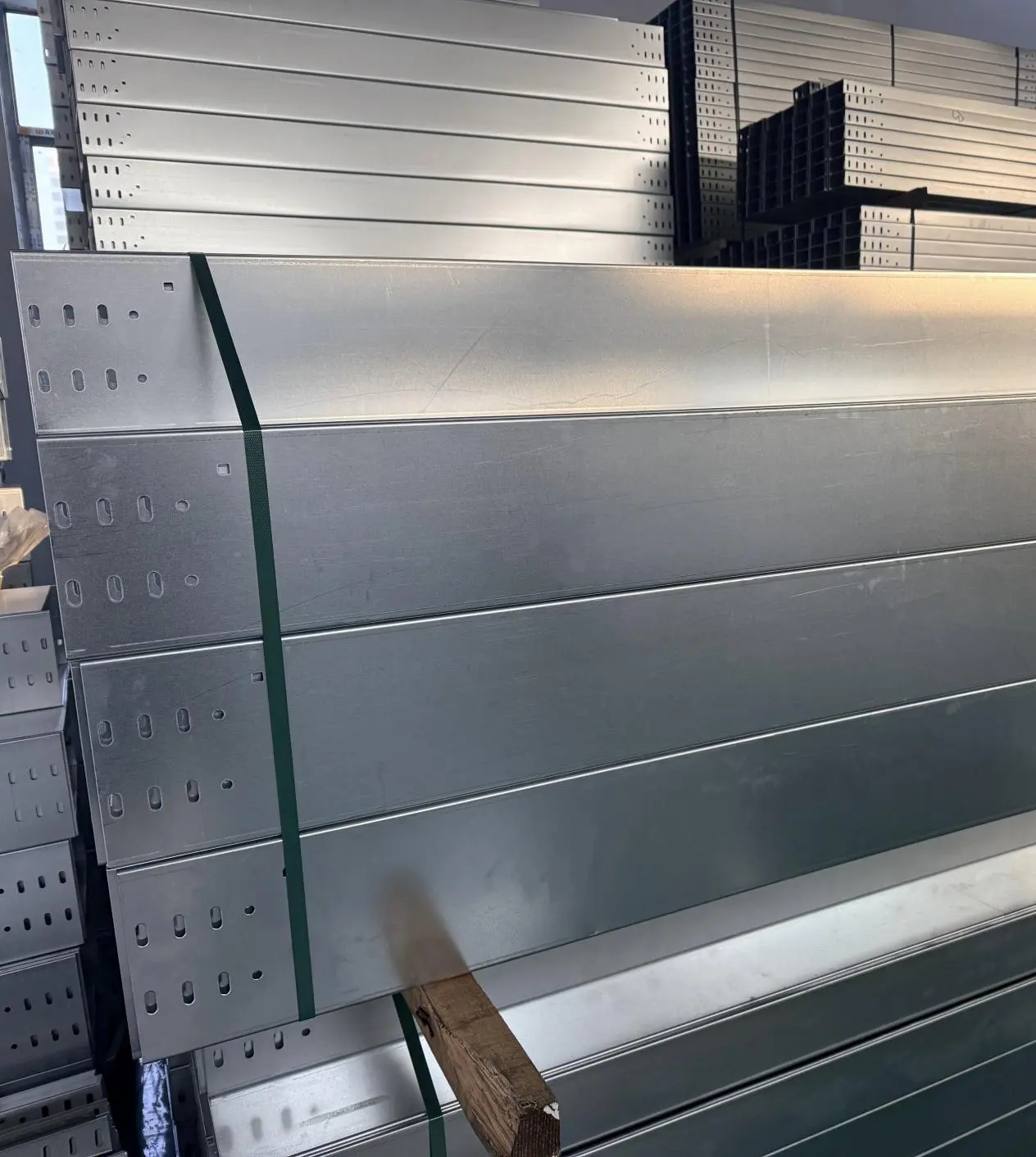

Galvanized C-Channel Steel: Definition and Advantages in Seismic Bracing Systems
2025-04-03
Introduction
Galvanized C-channel steel, a high-performance structural material, has become indispensable in modern construction and mechanical engineering. Characterized by its uniform wall thickness, superior cross-sectional properties, and high strength, this material is widely used in structural components such as wall beams and lightweight roof trusses. Its application extends to seismic bracing systems, where its unique properties enhance safety and durability. This essay explores the production process of galvanized C-channel steel and its advantages in seismic support frameworks.
Definition and Production Process
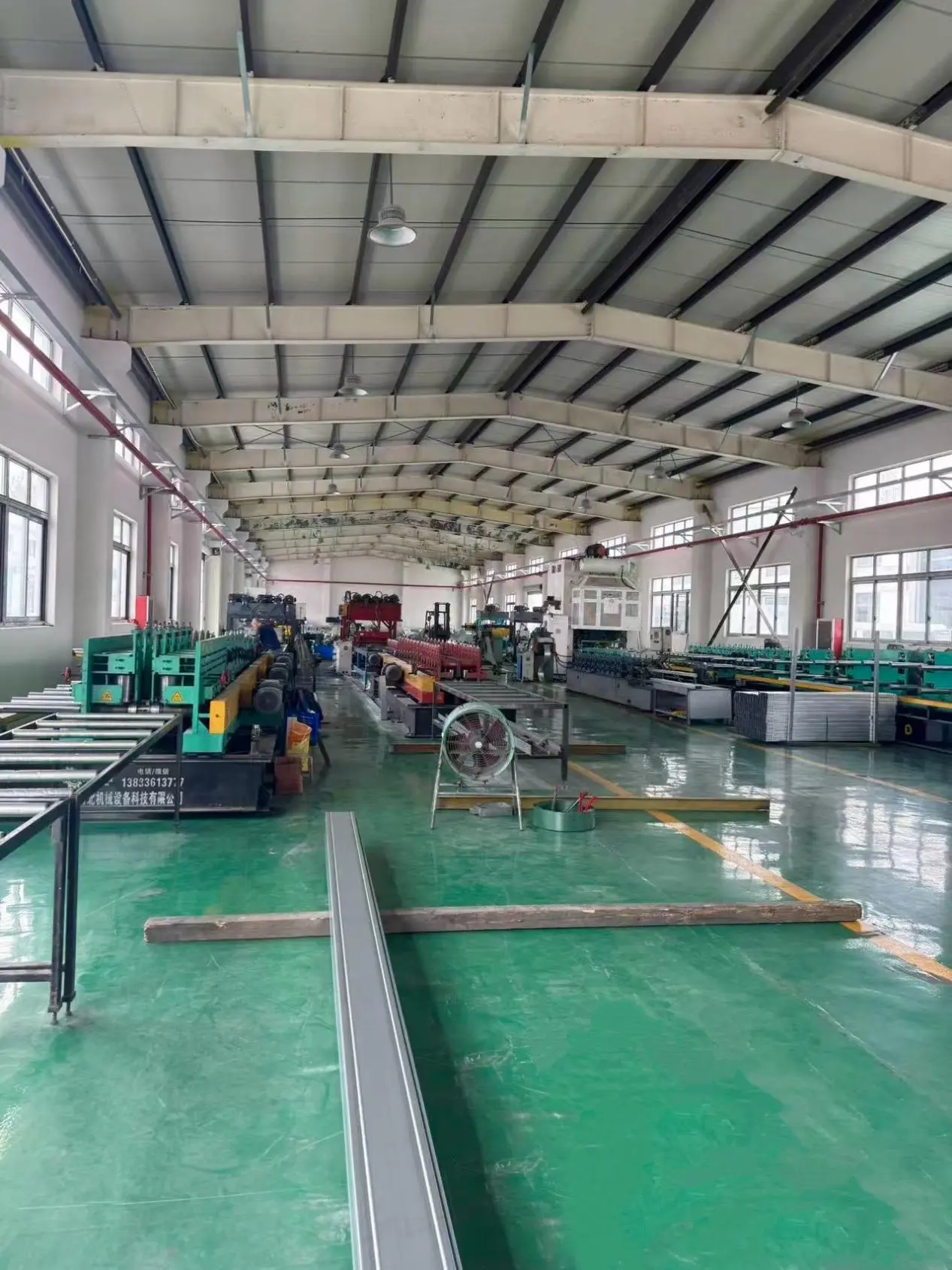
Galvanized C-channel steel is manufactured from high-strength steel plates through cold bending and roll-forming processes. Its production involves precise automation to ensure dimensional accuracy and structural integrity. The key steps include:
1. Uncoiling: Steel coils are fed into the production line.
2. Leveling: The steel is flattened to eliminate imperfections.
3. Forming: Cold-rolling shapes the steel into a C-profile.
4. Sizing: The profile is calibrated to meet specifications.
5. Straightening: Adjustments ensure linear accuracy.
6. Punching: Holes for connectors and reinforcements are added.
7. Galvanization: A zinc coating is applied to prevent corrosion.
Modern automated production lines reduce labor costs and improve efficiency. Compared to traditional hot-rolled sections like Angle Steel or I-beams, cold-formed C-channel steel achieves equivalent strength with 30% less material, making it both lightweight and cost-effective (Smith & Carter, 2020).
Advantages in Seismic Bracing Systems
1. High Strength and Lightweight Design
The cold-forming process optimizes the steel’s mechanical properties, aligning its cross-sectional geometry with load-bearing requirements. This allows seismic brackets to withstand dynamic forces during earthquakes while minimizing structural weight. For instance, Qiongkai Seismic Brackets utilize galvanized C-channel steel with a tensile strength of 550 MPa, outperforming conventional carbon steel (ASCE/SEI 7-16, 2016).
2. Corrosion Resistance
The hot-dip galvanized coating provides uniform zinc coverage, enhancing durability in humid or corrosive environments. Studies show that galvanized steel exhibits 2–3 times longer service life than painted alternatives in coastal regions (American Galvanizers Association, 2019).
3. Modular Flexibility
Standardized hole patterns and adjustable dimensions enable rapid assembly. Engineers can combine C-channels with bolts, brackets, and Struts to create customizable configurations, accelerating installation in complex structures (Brown, 2021).
4. Economic Efficiency
Reduced material consumption lowers project costs. A comparative analysis reveals that using C-channel steel in roof purlins decreases steel usage by 25% compared to traditional angle steel, without compromising load capacity (Jones et al., 2018).
5. Aesthetic and Functional Integration
The sleek profile of C-channel steel facilitates concealed installations in ceilings or walls, maintaining architectural aesthetics while providing robust seismic reinforcement.
Case Study: Qiongkai Seismic Brackets
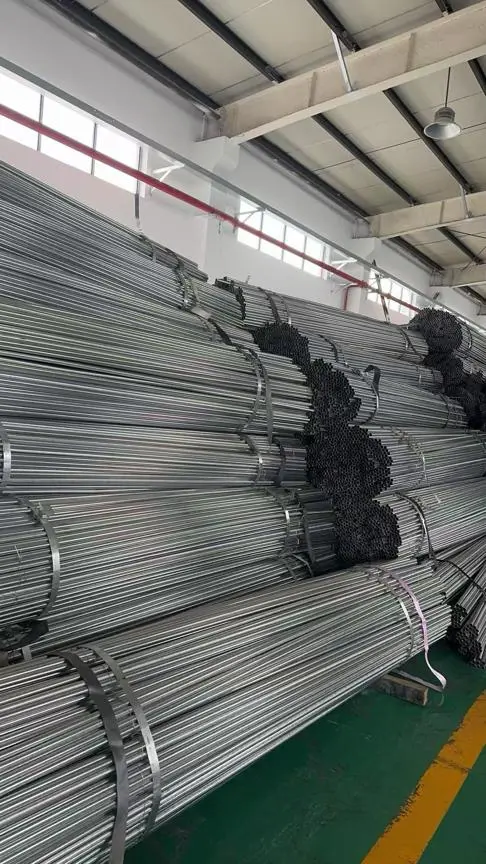
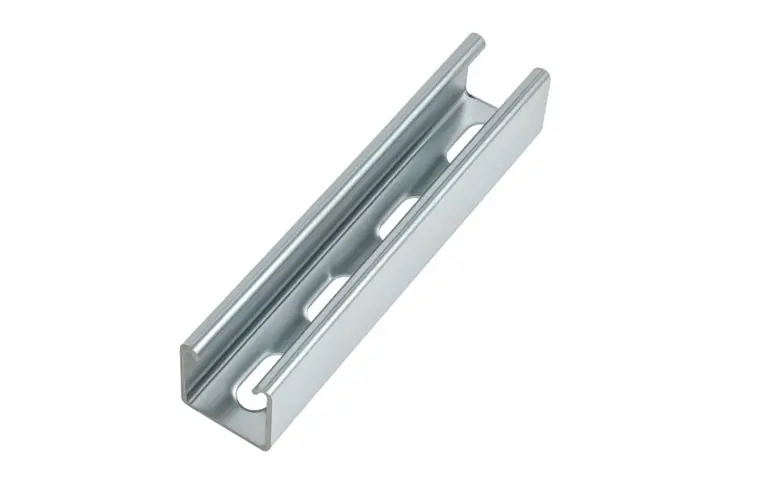
Qiongkai’s galvanized C-channel steel exemplifies industry excellence. The galvanized C-channel steel used in Qiongkai Seismic Brackets features a smooth surface finish, uniform zinc coating with robust adhesion, and high dimensional precision. Fully encapsulated in zinc, it delivers extended service life, superior corrosion resistance, and enduring durability.
- Conclusion
- Galvanized C-channel steel revolutionizes seismic bracing systems through its optimal strength-to-weight ratio, corrosion resistance, and design adaptability. As urbanization drives demand for earthquake-resistant infrastructure, this material will remain pivotal in constructing safer and more sustainable buildings.
- References
- 1. Smith, J., & Carter, R. (2020). *Cold-Formed Steel Design*. Wiley.
- 2. ASCE/SEI 7-16. (2016). *Minimum Design Loads for Buildings and Other Structures*. American Society of Civil Engineers.
- 3. American Galvanizers Association. (2019). *Galvanizing for Corrosion Protection*.
- 4. Brown, T. (2021). "Modular Design in Seismic Systems." *Journal of Structural Engineering*, 45(3), 112–120.
- 5. Jones, L., et al. (2018). "Material Efficiency in Steel Construction." *Construction Materials Journal*, 33(4), 78–85.