







Future Trends in Cable Tray Materials: Balancing Lightweight Design and High Performance
Introduction: The Evolving Demands of Modern Cable Management
Modern infrastructure demands more than just capacity—it requires adaptability, resilience, and efficiency. As industries pivot towards digitization and automation, the expectations placed on cable management systems have grown exponentially. Traditional cable tray materials, once considered sufficient, are increasingly outpaced by the evolving demands of contemporary environments.
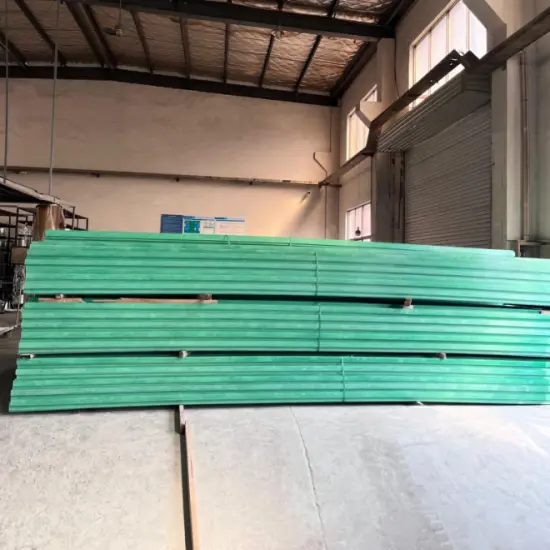
Steel and aluminum, while historically dominant, now struggle to meet the dual imperative of reduced weight and elevated performance. Architects and engineers seek solutions that do not merely support cable networks but enhance the overall integrity of the systems they serve. Simultaneously, as infrastructures expand both vertically and horizontally, the complexity of cable layouts and the density of installations necessitate advanced materials that can seamlessly navigate space constraints without compromising structural efficacy.
In this climate of accelerated technological convergence and sustainability pressure, the search for materials that embody both lightness and longevity has never been more critical.
The Limitations of Conventional Cable Tray Materials
Steel and aluminum: Strengths, weaknesses, and weight burdens
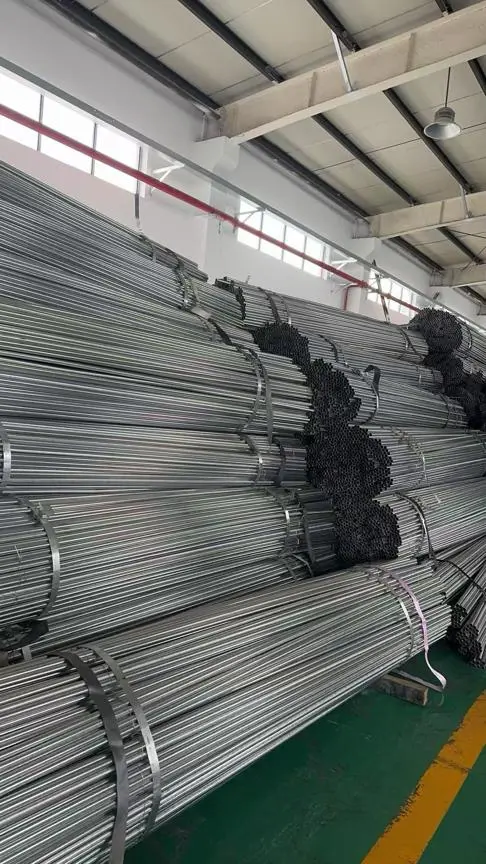
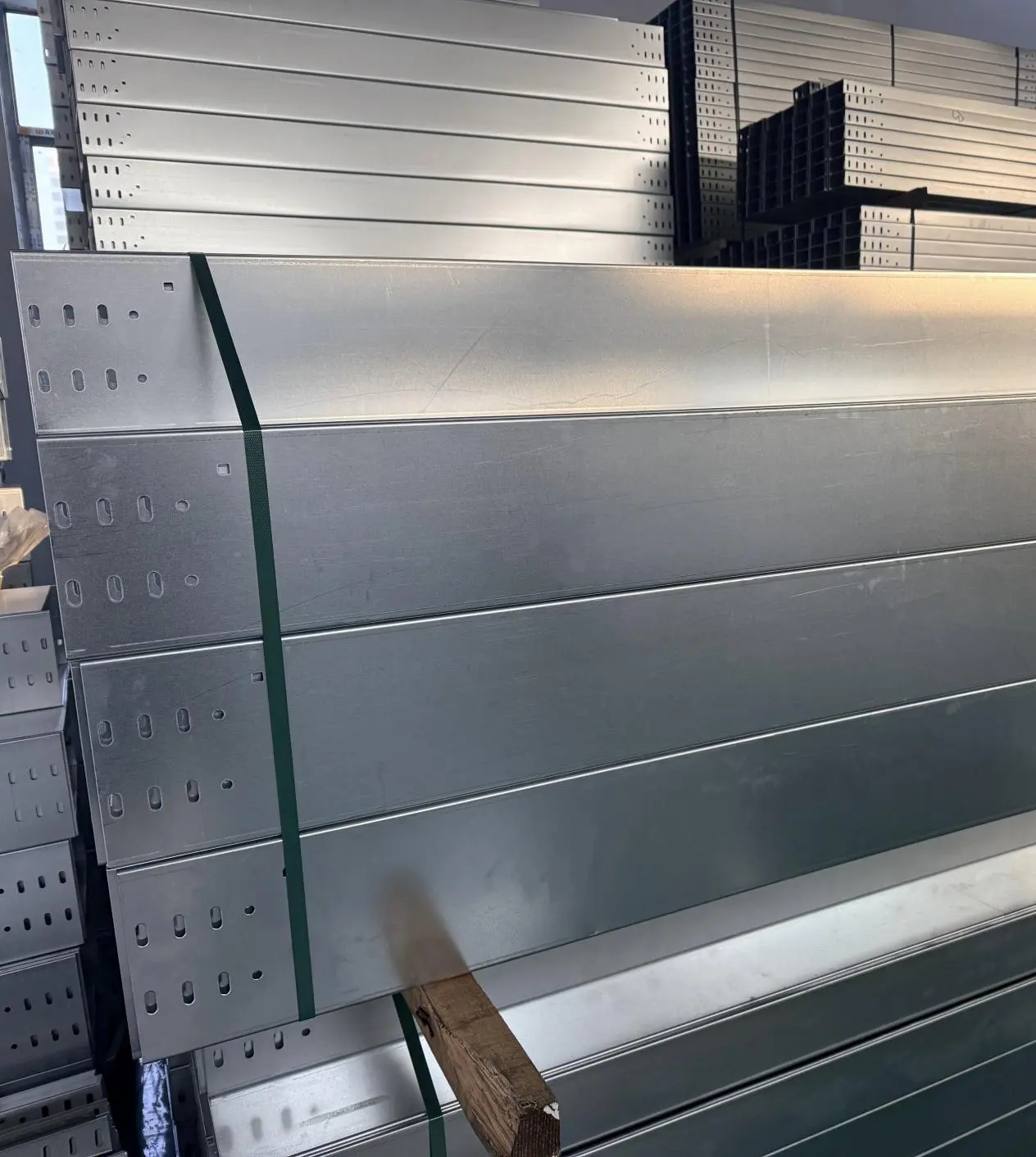
Steel offers robustness and durability, while aluminum contributes superior corrosion resistance. However, both are significantly weight-intensive, adding stress to structural frameworks and complicating installation logistics. Their mass requires more substantial support systems and increases labor intensity during deployment—factors that inflate cost and delay timelines.
Corrosion, conductivity, and installation challenges
Although coated steel can resist corrosion to some extent, it is susceptible in highly aggressive or marine environments. Aluminum, despite its anti-corrosive properties, suffers from galvanic reactions when in contact with dissimilar metals. Additionally, both metals can conduct electricity, posing a safety risk in certain installations unless properly grounded or insulated.
Environmental impact and recyclability issues
While metals are technically recyclable, the extraction and refinement processes remain energy-intensive. The environmental toll of mining, coupled with the emissions from smelting and transport, undermines their viability as sustainable materials in the age of green infrastructure.
Emerging Materials in Focus: A New Generation of Cable Tray Solutions
Polymer composites: The rise of FRP and other reinforced plastics
Fiber-Reinforced Polymers (FRPs) are redefining the landscape. These materials offer a harmonious blend of low weight, high strength, and inherent resistance to corrosion. Tailored through resin chemistry and fiber orientation, FRPs perform exceptionally in hostile conditions while remaining electrically non-conductive—a crucial trait for modern, high-voltage environments.
Hybrid materials: Engineering synergy for specific use cases
Hybrids that combine composite shells with metallic cores—or vice versa—allow for customizable performance profiles. These materials leverage the best properties of each constituent: the rigidity of metal and the resilience of polymers. Such solutions are ideal in applications that demand both structural load-bearing and extreme environmental resistance.
Lightweighting Without Compromise: Engineering for Strength and Stability
Structural integrity in high-load environments
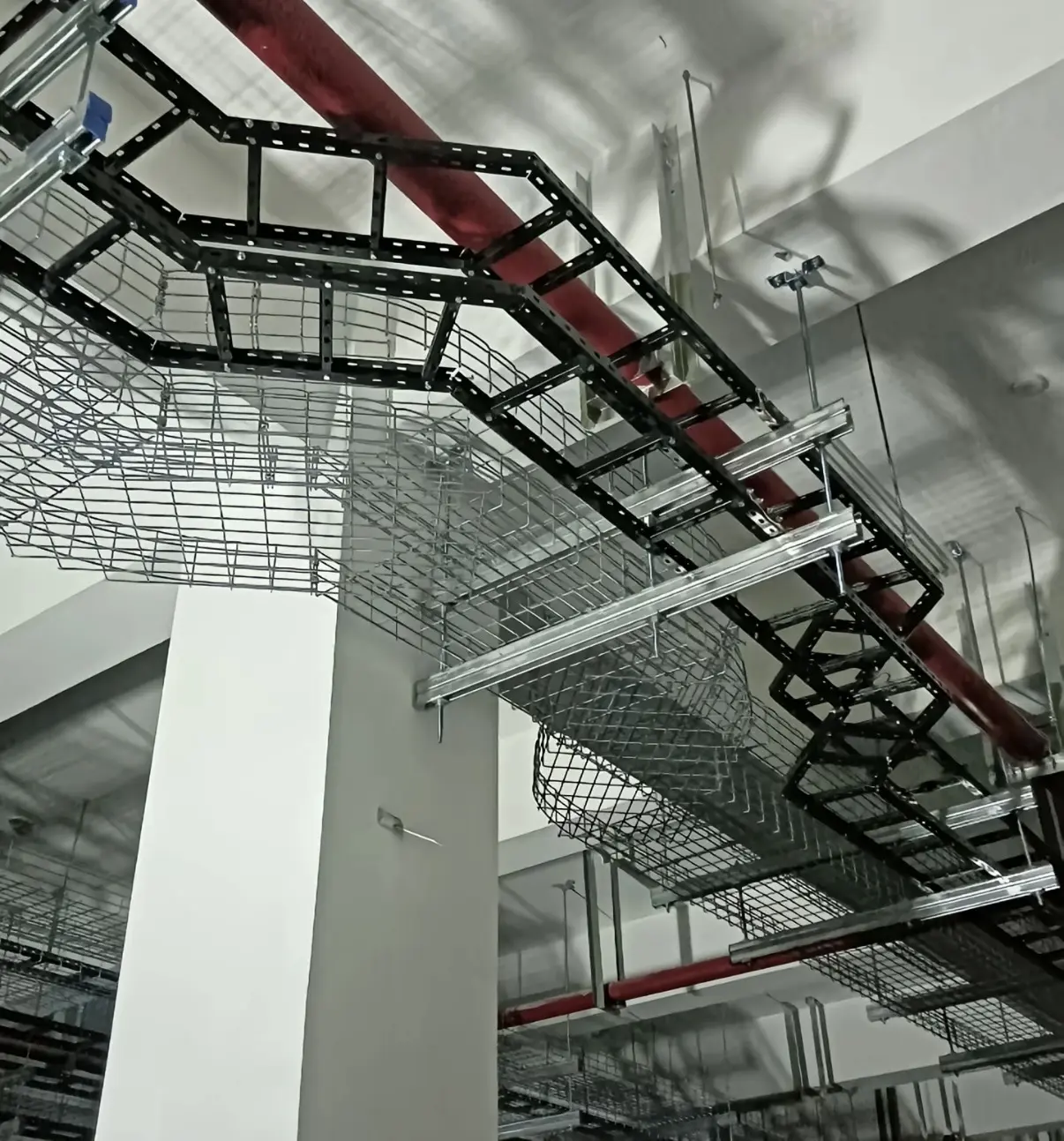
Lightweight materials are not inherently weak. Innovations in geometric design—such as ribbed reinforcements and lattice structures—enable these materials to support substantial loads while reducing overall mass. Precision engineering ensures that weight reduction does not equate to compromised performance.
Fire resistance, UV stability, and mechanical resilience
Modern cable tray materials are expected to endure more than mechanical stress. Flame-retardant additives, UV inhibitors, and impact-resistant compositions ensure they stand up to thermal extremes, sunlight exposure, and mechanical abrasion over decades of service life.
Case studies of successful lightweight material implementation
In sectors such as aerospace, offshore energy, and high-rise construction, lightweight trays have enabled dramatic reductions in total system weight while enhancing overall reliability. Case studies from Scandinavian wind farms and Middle Eastern data centers illustrate the success of such implementations in real-world scenarios.
High Performance Under Pressure: Material Behavior in Harsh Conditions
Thermal endurance in high-heat industrial settings
High-performance trays must endure ambient temperatures often exceeding 100°C. Materials like phenolic-resin FRP and heat-treated alloys demonstrate thermal stability, ensuring cable insulation remains uncompromised even in proximity to furnaces or industrial engines.
Chemical resistance in corrosive and marine environments
Refineries, chemical plants, and coastal installations demand materials that do not degrade in acidic or saline atmospheres. FRP and certain alloy composites resist chemical ingress, retaining structural integrity where standard materials would succumb to rapid decay.
Long-term durability and lifecycle performance metrics
It is not enough to survive—materials must thrive. Lifecycle analysis reveals that high-performance materials often outlast traditional options by factors of two or three, especially when factoring in maintenance and repair needs. This longevity translates to lower total cost of ownership.
Sustainability and Compliance in Material Selection
Eco-friendly formulations and recyclable alternatives
Modern tray materials increasingly rely on resins derived from bio-based sources or incorporate recycled fibers. Closed-loop recycling systems and modular design approaches further enhance their sustainability credentials.
Reducing the carbon footprint of large-scale installations
By lowering total weight and enabling faster installations, modern materials directly reduce emissions linked to transportation and labor. Additionally, their superior longevity reduces replacement frequency, conserving resources and energy over time.
Challenges and Considerations in Adoption
Cost vs. performance trade-offs in material innovation
New materials often carry a premium. Decision-makers must weigh upfront costs against lifecycle benefits, considering not just purchase price but installation, maintenance, and replacement over time.
Installer training and handling for novel materials
Advanced materials may require new installation techniques or tools. Proper training ensures that their benefits are fully realized without compromising safety or efficiency during deployment.
Supply chain reliability and regional availability
Global supply chain disruptions can limit access to specialized materials. Local availability and logistical factors must be assessed during planning, especially for time-sensitive or large-scale projects.
Conclusion: Designing the Future of Cable Infrastructure
The future of cable management lies not in heavier, stronger systems—but in smarter, lighter, and more adaptable ones. As data centers proliferate, urban infrastructure densifies, and energy systems decentralize, the need for advanced cable tray materials becomes ever more acute. Lightweight, high-performance materials will form the backbone of next-generation networks—facilitating efficiency, safety, and sustainability.