






Data Center Cable Tray and Unistrut Channel Selection Guide: Main Types, Performance Requirements, and Industry Trends
As data centers evolve to support higher densities and more complex architectures, the critical infrastructure that supports them must keep pace. Among these essential components, Cable Trays andUnistrut channels (C-type steel) form the backbone of a data center's physical layer. A new comprehensive guide highlights the key considerations for selecting these components, focusing on mainstream types, performance requirements, and emerging industry trends.
Selecting the right cable management and support system is no longer a mere afterthought; it is a strategic decision impacting airflow, cooling efficiency, scalability, and overall total cost of ownership (TCO).
Mainstream Types and Their Applications
The guide categorizes the primary solutions available in the market:
- Cable Trays:
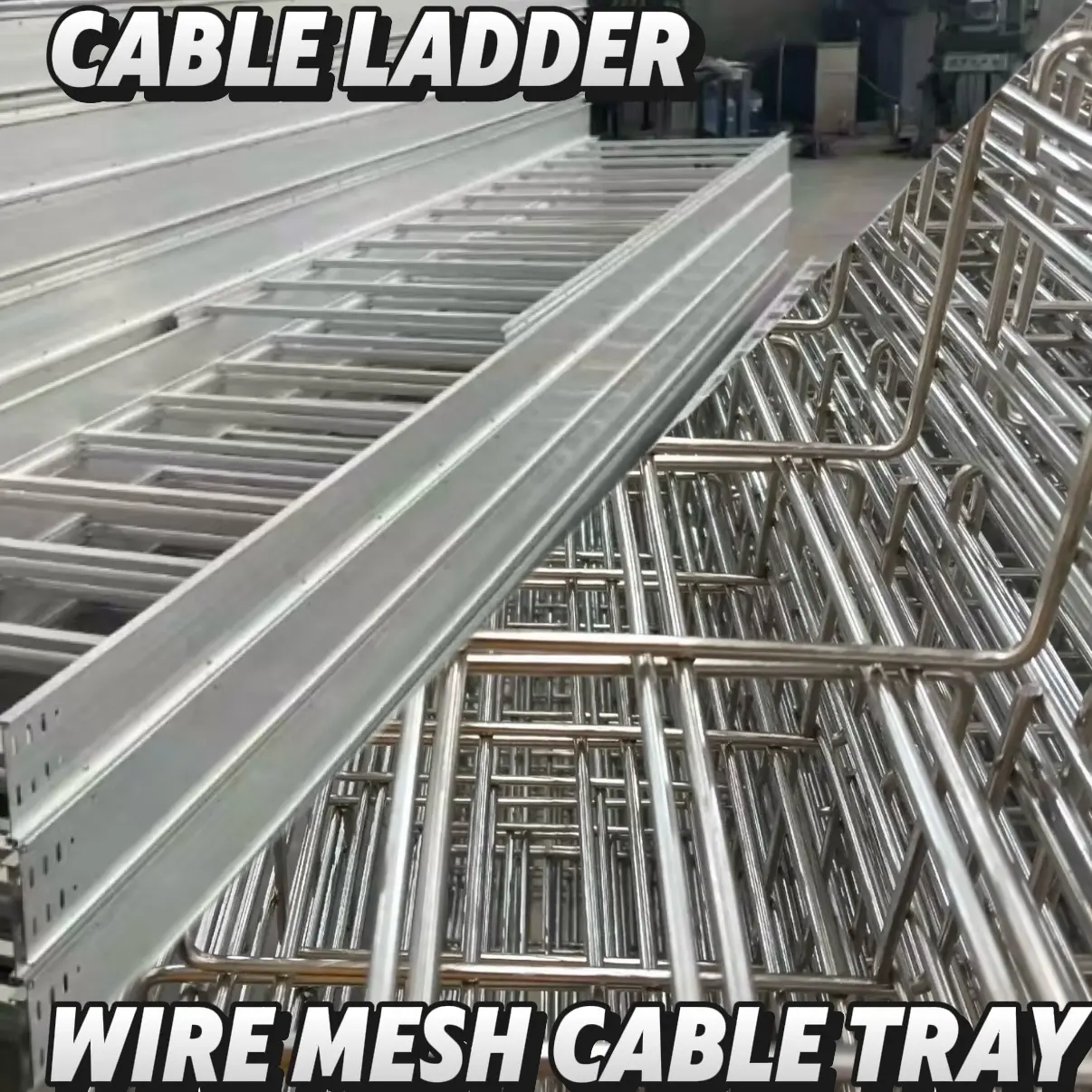
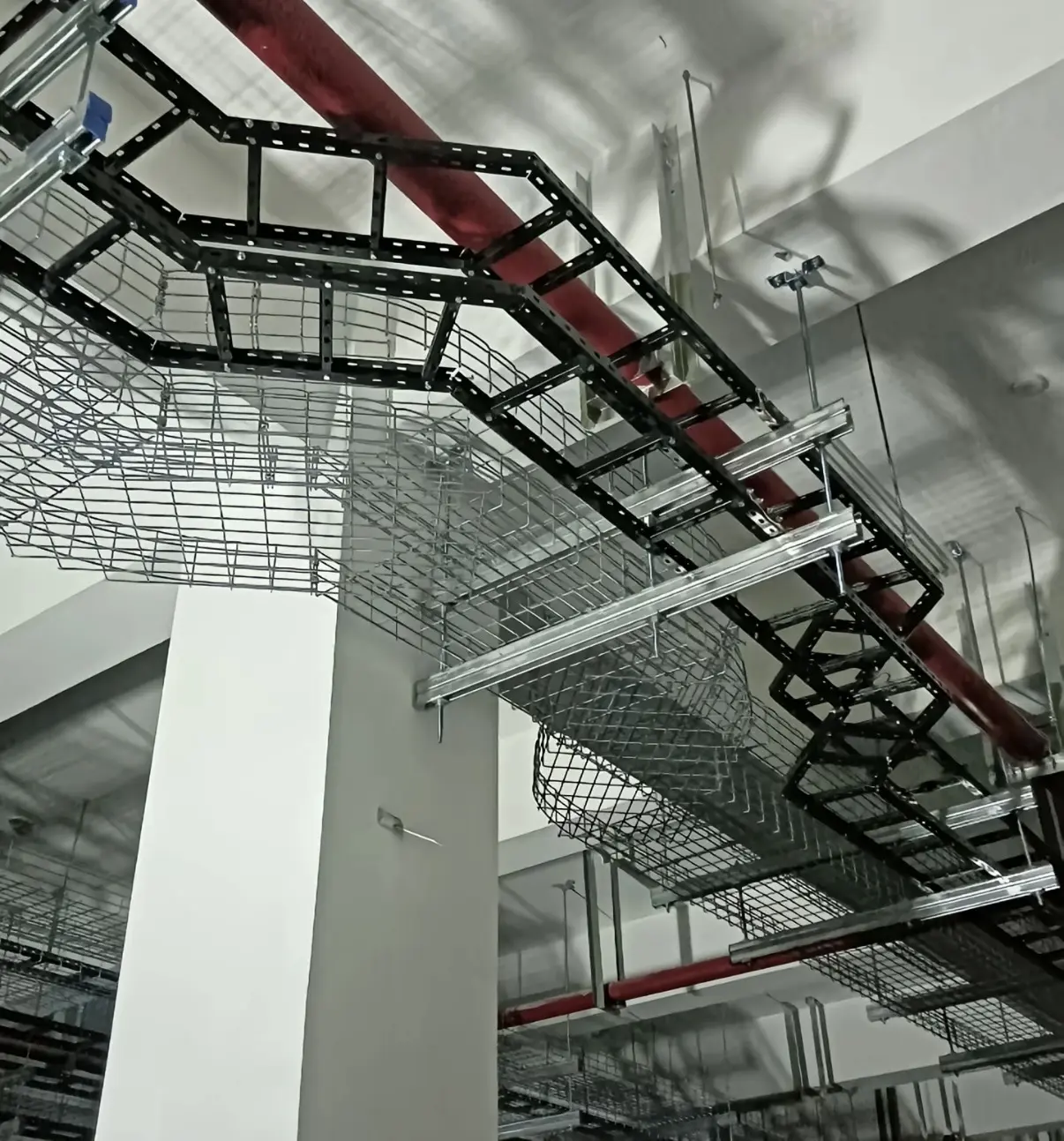
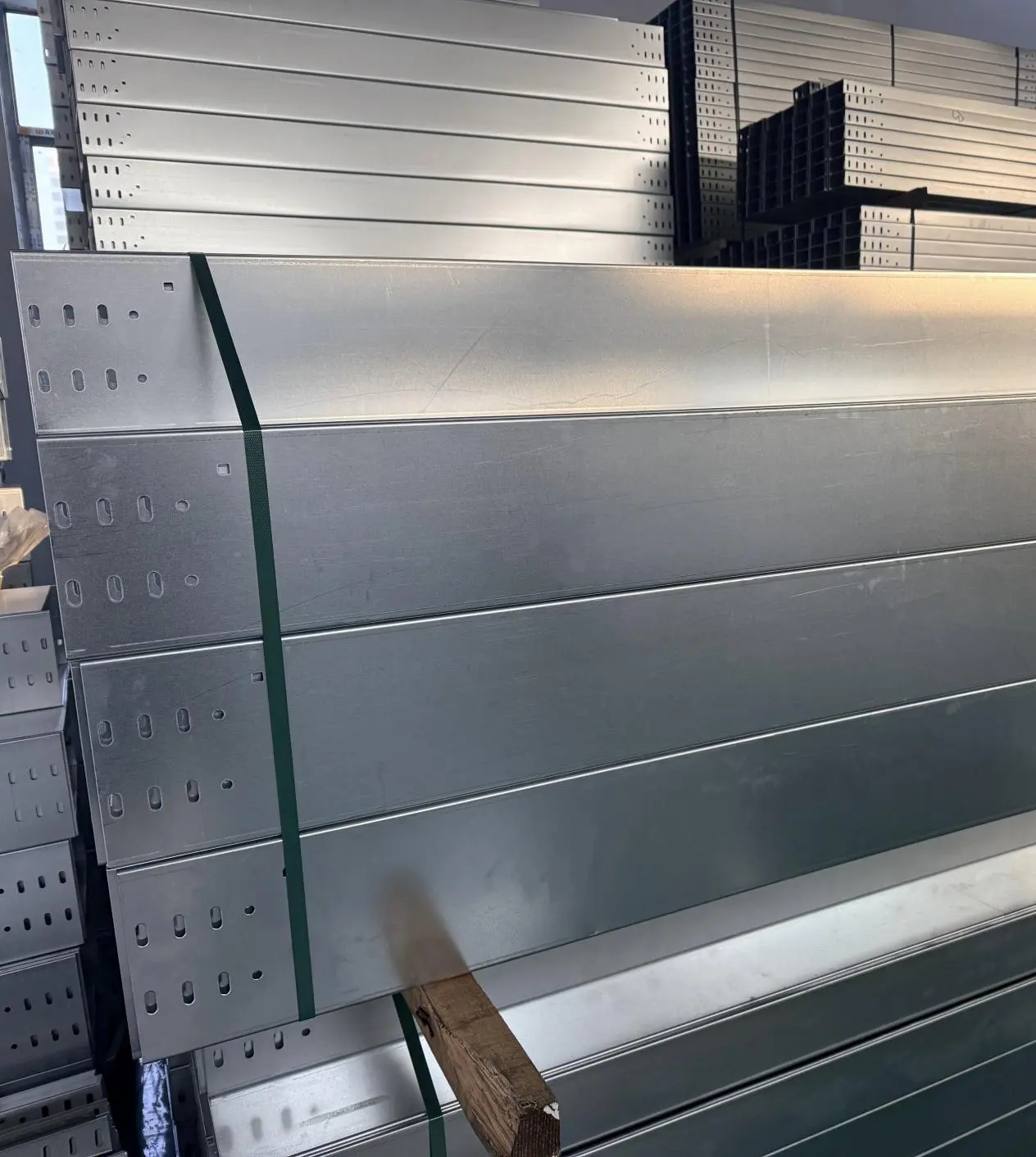
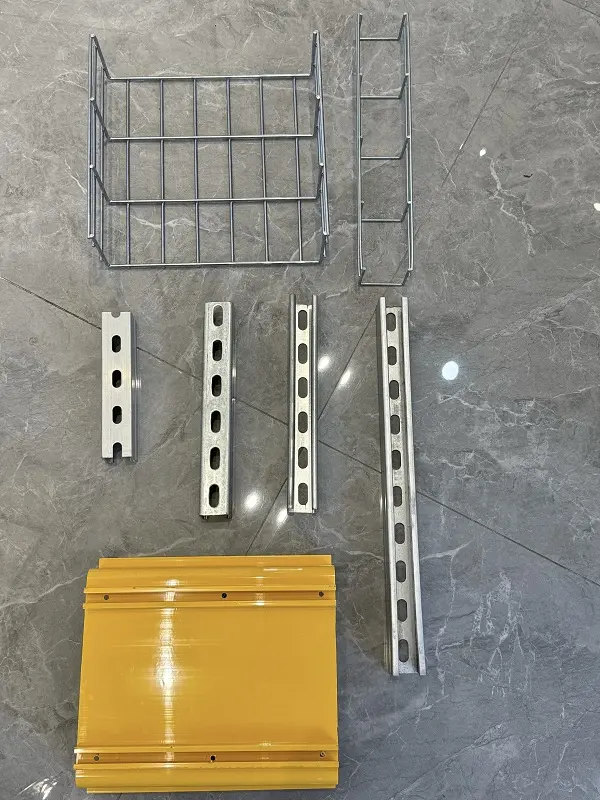
- Ladder-Type Cable Trays: The most common type in data centers, known for their high strength and excellent airflow. Ideal for supporting large bundles of fiber optic and power cables in overhead pathways.
- Solid-Bottom Cable Trays: Provide maximum protection for cables against dust, moisture, and physical damage. Best suited for sensitive areas or where cables require extra shielding.
- Trough-Type Cable Trays: Feature ventilated bottoms with raised sides, offering a balance between Cable Support, airflow, and containment. Often used for smaller cable runs.
- Wire-Mesh Cable Trays: Lightweight, flexible, and easy to install. They promote superior airflow and are increasingly popular in modern, agile data centers for their versatility.
- Unistrut Channels (C-Type Steel):
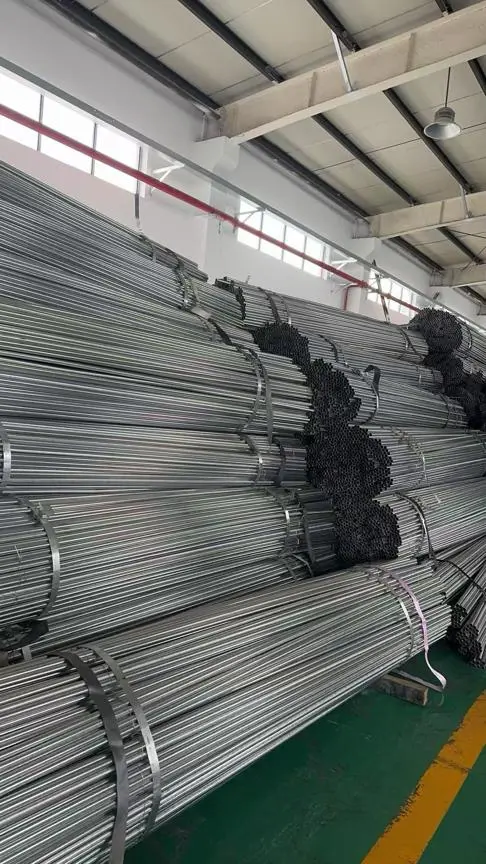
- Galvanized Steel: The industry standard for structural support, offering high strength and durability for heavy-load applications like supporting busbars, large conduit, and equipment racks.
- Aluminum: A lighter, corrosion-resistant alternative that is easier to handle and install. It is non-magnetic, making it suitable for environments sensitive to electromagnetic interference.
- Stainless Steel: Used in harsh environments or cleanrooms where maximum corrosion resistance is required, though at a higher cost.
Key Performance Requirements
The guide emphasizes that selection must be driven by rigorous performance criteria:
- Load Capacity: Systems must support the combined weight of all cables, plus a significant safety factorfor future expansion.
- Corrosion Resistance: Given the controlled environment, components with appropriate finishes (e.g., hot-dip galvanization, powder coating) are essential to prevent degradation.
- Fire Safety: Materials should be non-combustible and comply with stringent fire codes. Fire-retardant coatings and designs that inhibit flame spread are critical.
- Ease of Installation and Modification: Modular designs that allow for tool-less adjustments and easy reconfiguration significantly reduce operational downtime and labor costs.
- EMI/RFI Shielding: For certain applications, bonded or solid tray systems with grounding continuity can provide essential electromagnetic and radio frequency interference protection.
Emerging Industry Trends
- Airflow Management Integration: Cable trays are now integral to hot aisle/cold aisle containment strategies. Solid-bottom trays are used as barriers to prevent hot and cold air from mixing, optimizing cooling efficiency.
- Rise of Aluminum: The push for reduced weight and easier installation is fueling the adoption of high-strength aluminum alloys for both trays and Unistrut channels.
- Sustainability Focus: Manufacturers are increasingly using recycled materials and developing products with end-of-life recyclability in mind, responding to corporate sustainability goals.