






Coping with Extreme Weather: Reinforced Design and Material Selection for Cable Trays in Hurricane and Flood-Prone Areas
Material Selection for Weather-ResilienT Cable Tray Systems
Choosing Corrosion-Resistant Materials for Coastal and Flooded Environments
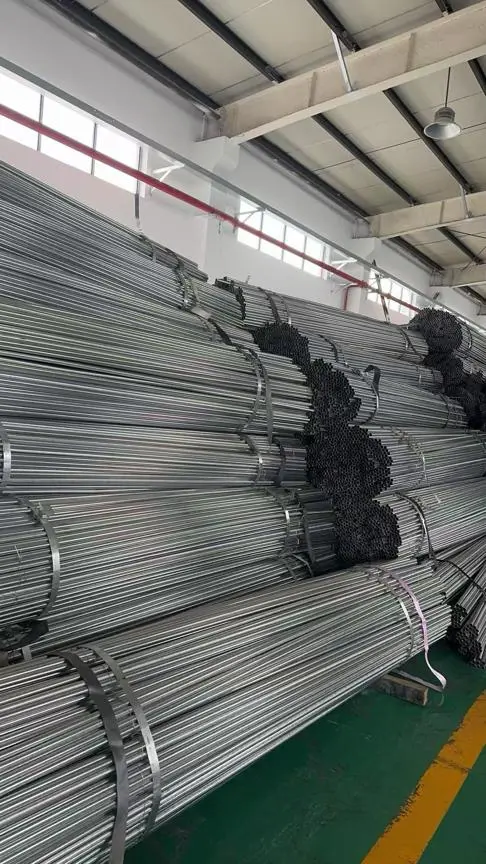
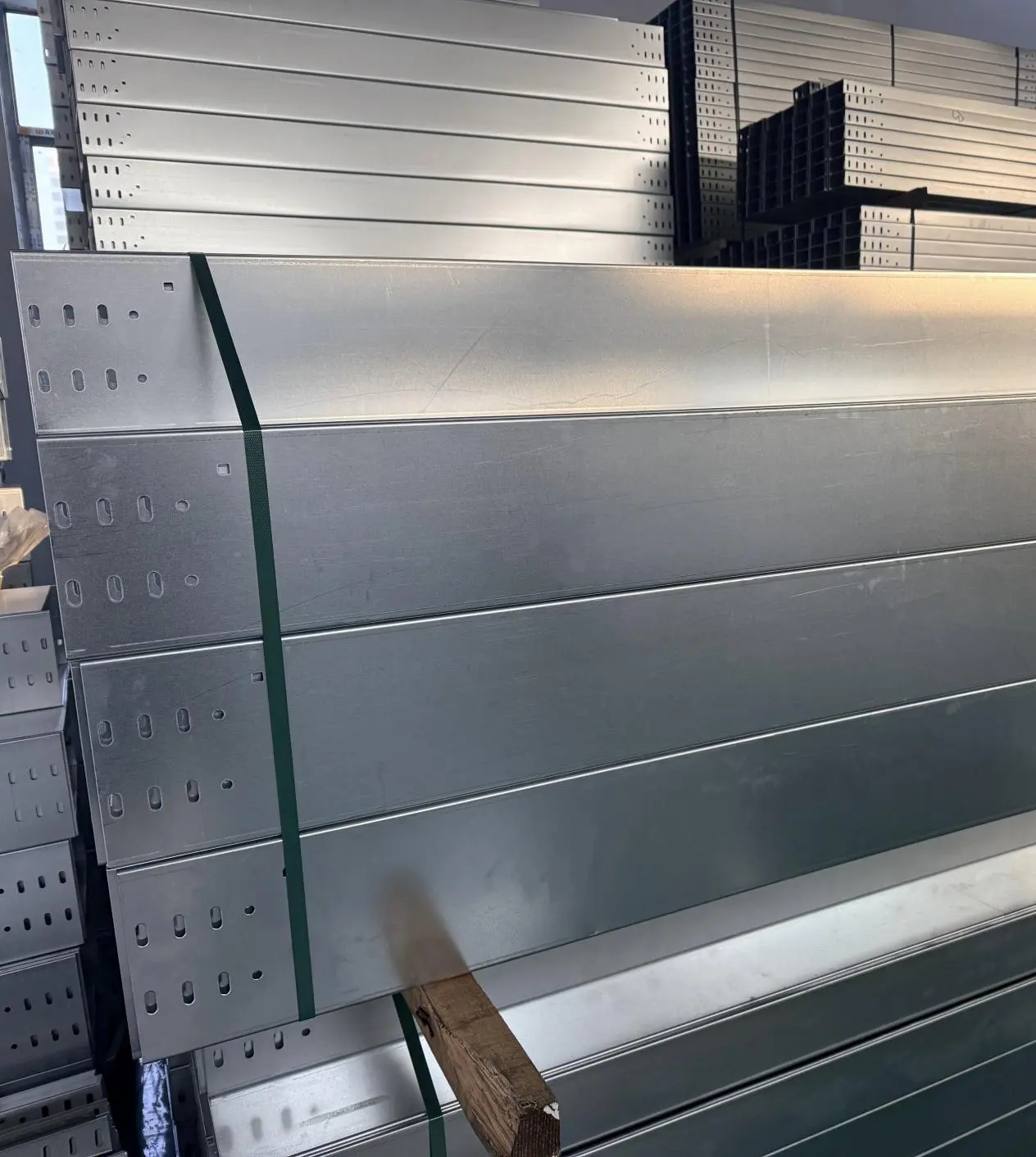
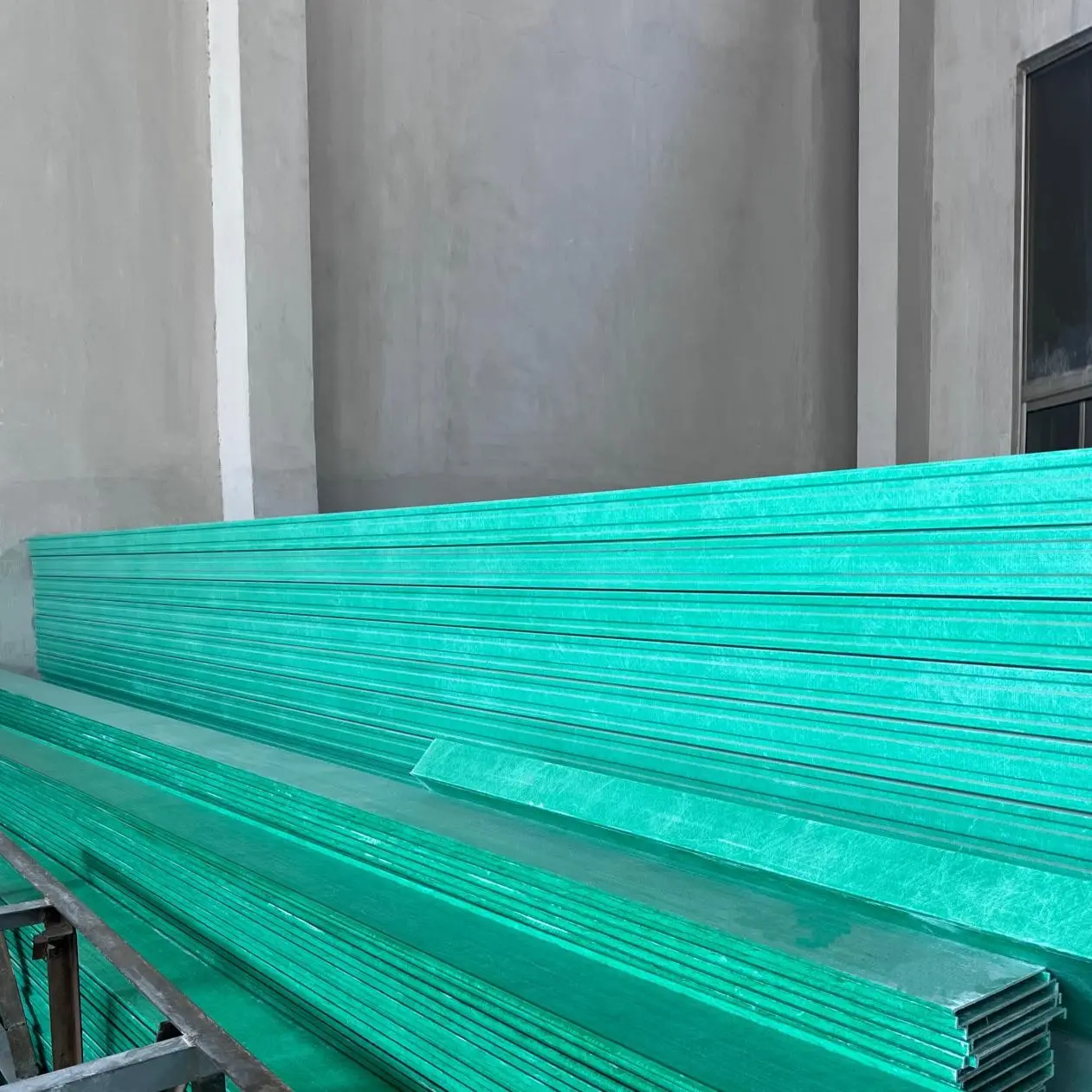
In environments where moisture, salt, and chemicals are omnipresent, material integrity is paramount. Stainless steel offers exceptional resistance to oxidation and mechanical wear. Fiberglass-reinforced plastic (FRP) is lightweight yet impervious to rust and ideal for long spans. Zinc-aluminum-magnesium coated steel, a newer entrant, provides superior galvanic protection and self-healing properties that extend service life even under cyclical exposure.
Material Behavior Under Salt Spray, Humidity, and Water Immersion
Lab simulations such as salt spray tests and humidity chambers replicate extreme exposure conditions to evaluate material performance. Stainless steel exhibits minimal degradation even after 1,000 hours of salt fog. FRP maintains mechanical strength after prolonged immersion, while ZAM-coated steel forms a protective patina that inhibits further corrosion. Real-world validation of these results is essential before final material selection.
Weight-to-Strength Ratio and Its Relevance in High Wind Zones
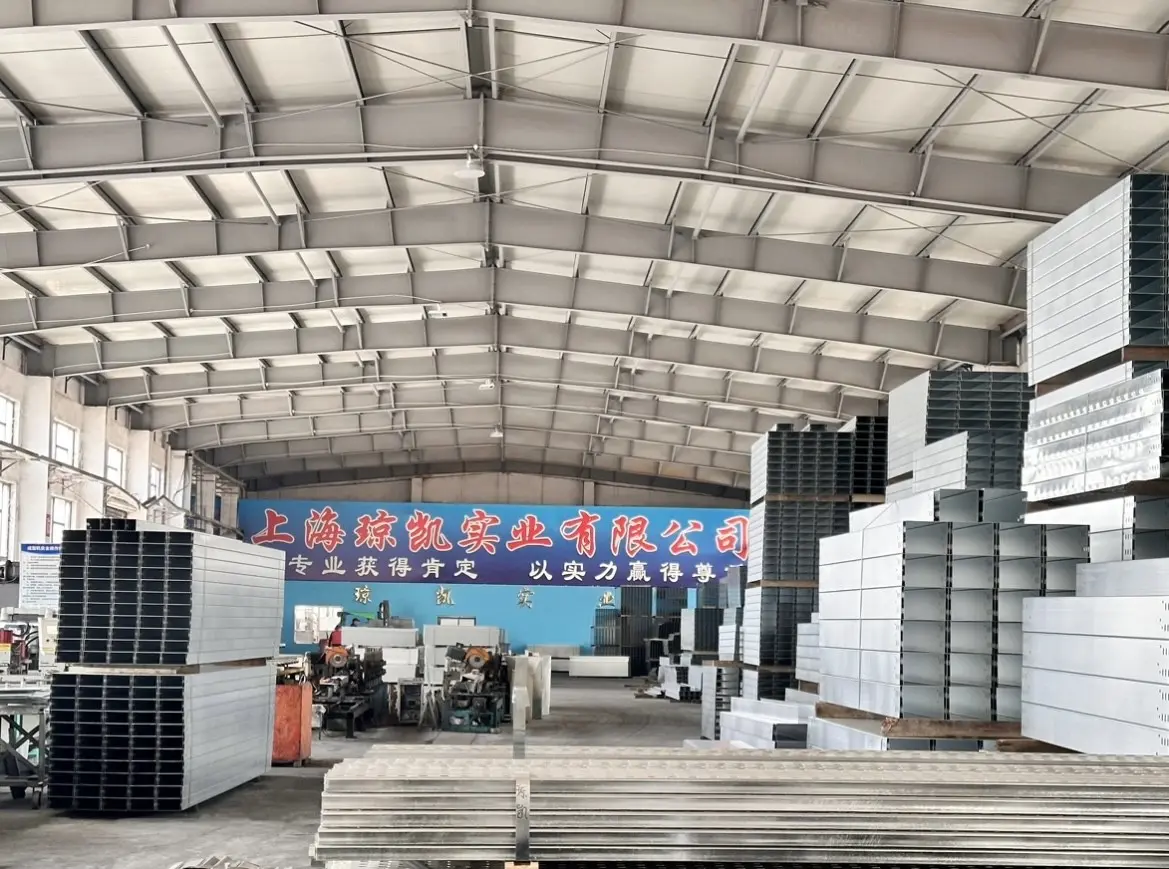
In hurricane-prone zones, material density directly influences structural stability. Lightweight trays may be easier to install but can become airborne if not adequately secured. Conversely, heavier systems resist uplift but may impose excess load on supports. The ideal material offers a high strength-to-weight ratio, ensuring resistance to deformation while minimizing stress on mounting infrastructure.
Reinforced Structural Design: Engineering for Resilience
Wind Load Calculations and Anchoring Techniques
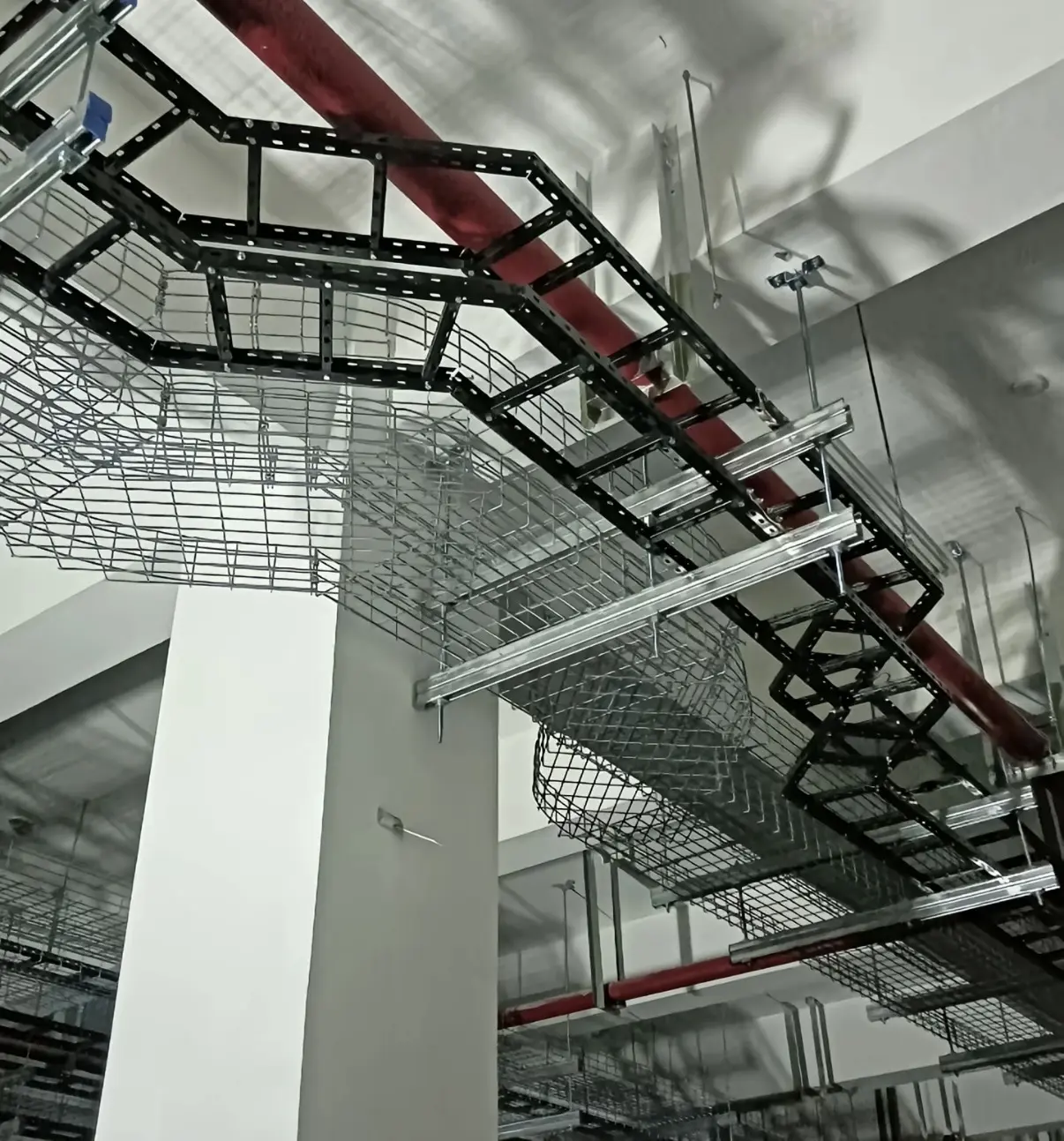
Engineering calculations must account for lateral and uplift forces generated by wind speeds exceeding 120 mph. Reinforced anchoring systems—such as seismic-rated brackets and deep embedment bolts—are essential. Bracing elements should be installed at regular intervals to minimize sway, and load path continuity must be maintained to distribute stress evenly throughout the support network.
Drainage, Ventilation, and Moisture Management in Flood Zones
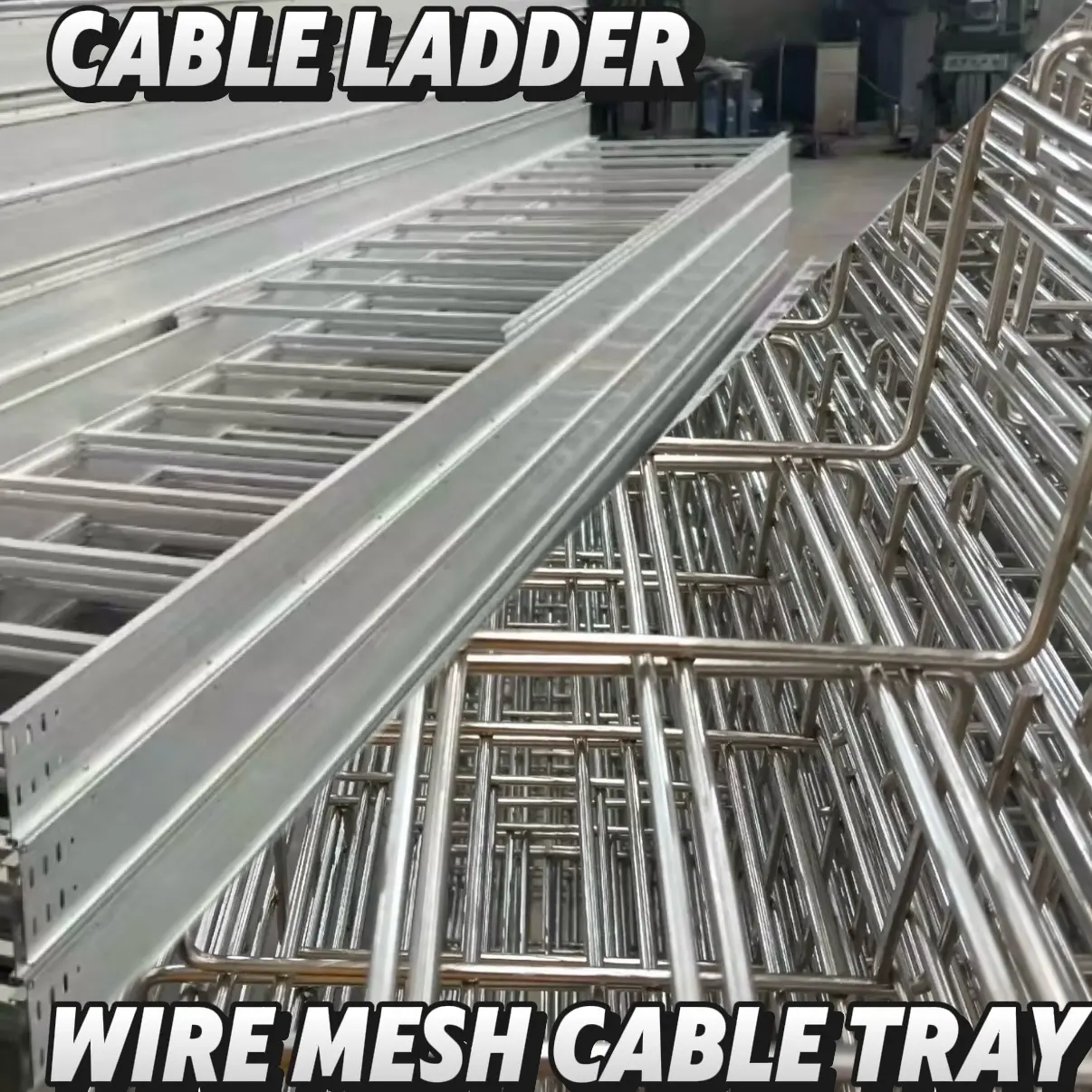
Flood-prone areas require Cable Trays designed to resist water accumulation. Perforated bottoms promote drainage, while elevated mounting structures prevent direct contact with standing water. Integrating vents into enclosed trays helps prevent condensation buildup, which can otherwise foster corrosion and microbial growth. Strategic placement and inclination of trays further encourage passive water shedding.
Installation Best Practices for High-Risk Environments
Elevation Strategies and Ground Clearance Standards
Raising cable trays above the anticipated flood level is a foundational design principle. Supports may be fixed atop concrete piers, steel columns, or suspended from overhead beams. Minimum clearances should align with local flood maps and future projections, not historical averages. Elevated systems not only mitigate water damage but also simplify inspection and maintenance access.
Sealing and Protection for Cable Entry and Exit Points
Ingress points are vulnerability hotspots. Each opening must be sealed with watertight grommets, weather-rated bushings, or expansion barriers. Attention to micro-details at terminations can mean the difference between a dry system and one compromised from within.
Maintenance Protocols and Routine Inspection Schedules
Preventive maintenance should include routine checks for rust, joint integrity, and moisture accumulation. In coastal areas, visual inspections should be paired with corrosion rate monitoring using sacrificial coupons or sensors. A seasonal inspection plan—particularly before and after storm seasons—ensures vulnerabilities are addressed in a timely manner.
Certifications, Compliance, and International Standards
Ensuring Compliance in Government and Infrastructure Projects
Public sector projects—such as transport hubs, emergency shelters, and data centers—often require stringent documentation.
Working with Certified Manufacturers and Verified Test Reports
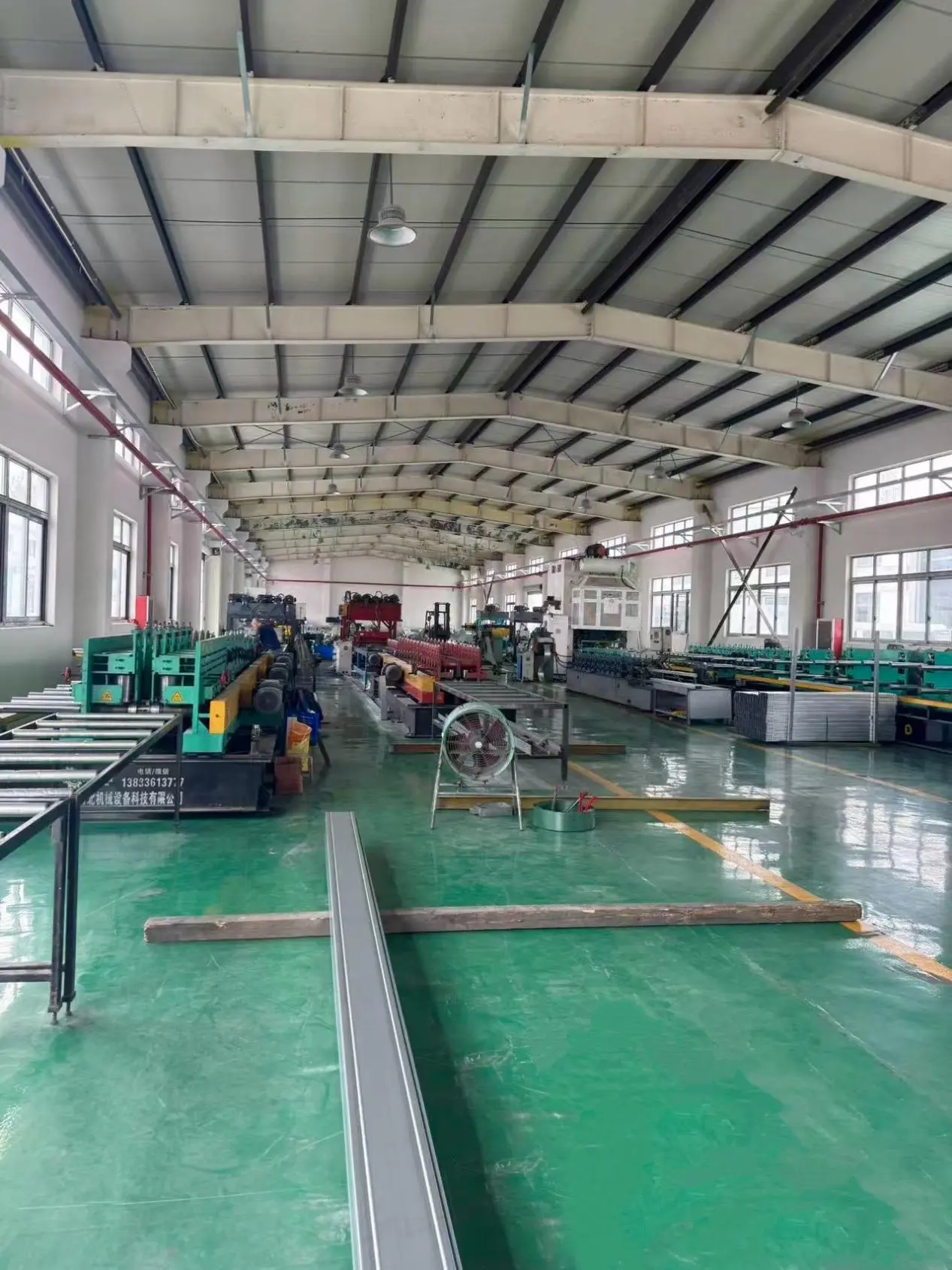
Suppliers with ISO 9001 certification demonstrate commitment to quality processes.
Tailored Solutions and Emerging Innovations
Site-Specific Design Approaches for Complex Terrains
Topography and climate dictate design. In mountainous flood zones, cable trays may need to hug contours while resisting mudslide forces. In coastal cities, salt air demands non-metallic options with high UV resistance. Tailored engineering considers wind corridors, drainage paths, and utility placement to optimize both protection and performance.
Conclusion: Building Cable Infrastructure That Endures
Planning for Long-Term Resilience, Not Just Initial Compliance
Infrastructure in extreme weather zones must be future-proof, not just code-compliant. Upfront investment in robust materials and structural reinforcements pays dividends through minimized downtime and extended lifespan.
Partnering with the Right Experts for Critical Installations
Collaboration with experienced manufacturers, structural engineers, and environmental consultants is essential.