



Comparison and Advantages of Stainless Steel, Electro-Galvanized, and Hot-Dip Galvanized Unistrut Channel
Introduction
What Is Unistrut Channel? A Backbone of Modern Structural Support Systems
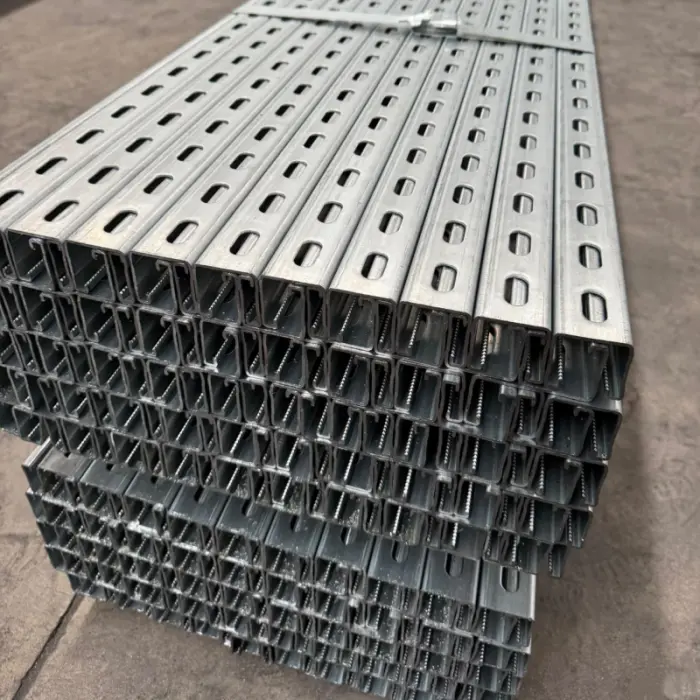
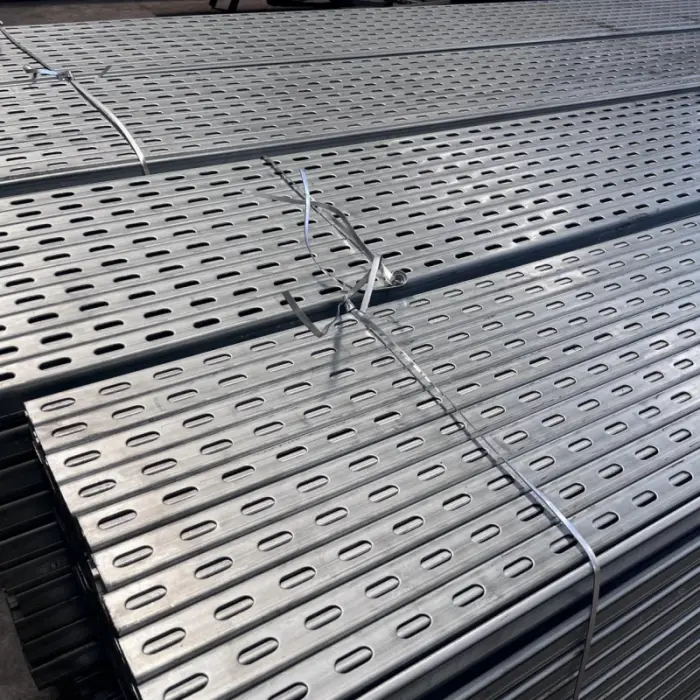
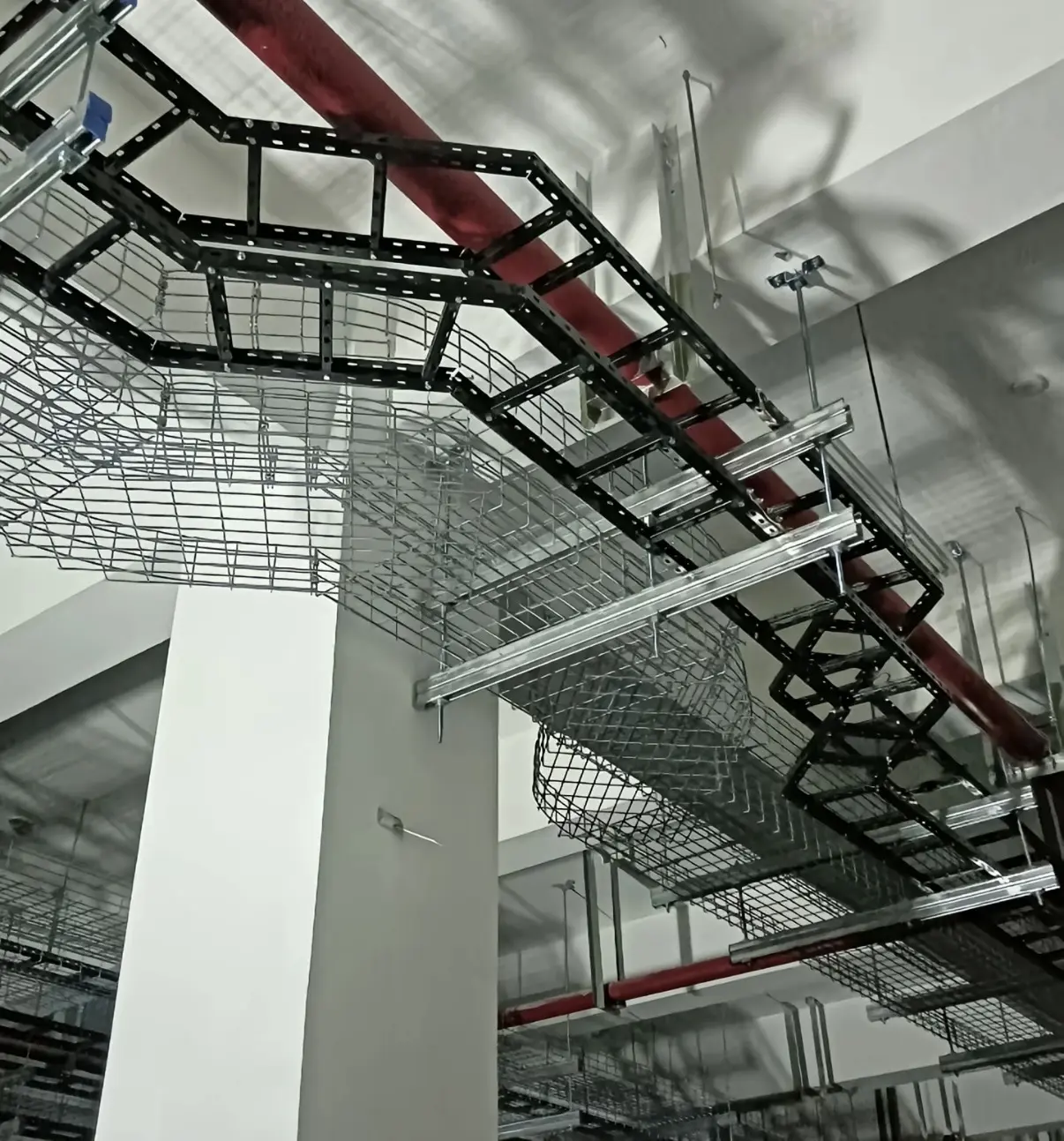
Unistrut channels are versatile, U-shaped metal framing systems widely used for supporting mechanical, electrical, and plumbing (MEP) installations. These channels function as modular framing components, enabling secure attachments for conduit, cable trays, HVAC units, and even solar panels. Their slotted design allows for flexible configuration, rapid assembly, and precise alignment without the need for welding. In commercial, industrial, and institutional settings, Unistrut has become synonymous with efficient and robust structural support.
Why the Finish Matters: The Critical Role of Material Coatings in Performance and Longevity
While Unistrut channels are known for their mechanical integrity, the finish applied to the metal is what truly determines its lifespan and suitability for specific environments. The right coating protects against corrosion, wear, and chemical exposure—elements that can otherwise lead to premature failure. Whether used indoors or exposed to the elements, the finish acts as a shield, preserving structural reliability and reducing maintenance requirements over time.
Objective of This Comparison: Helping You Choose the Right Unistrut for Your Environment and Budget
This comparison provides an in-depth evaluation of stainless steel, electro-galvanized, and hot-dip galvanized Unistrut channels. By understanding their differences in construction, performance, and cost, stakeholders can make informed choices tailored to project-specific demands—balancing long-term value with upfront investment.
Overview of Unistrut Channel Materials
Stainless Steel Unistrut: Unmatched Durability for Demanding Conditions
Stainless steel Unistrut is engineered for extreme environments. Composed primarily of iron, chromium, and nickel, this material naturally resists corrosion without the need for additional coatings. It’s especially effective in high-humidity, chemical-laden, or salt-rich settings. Frequently chosen for marine, pharmaceutical, and cleanroom applications, stainless steel Unistrut offers exceptional durability with minimal maintenance.
Electro-Galvanized Unistrut: Cost-Effective Corrosion Resistance for Interior Use
Electro-galvanized Unistrut is manufactured by applying a thin layer of zinc through an electroplating process. This provides uniform, bright corrosion protection ideal for indoor use. While it lacks the ruggedness of thicker coatings, electro-galvanized Unistrut performs admirably in dry, temperature-stable environments like commercial buildings and retail facilities.
Hot-Dip Galvanized Unistrut: Heavy-Duty Protection for Outdoor and Industrial Applications
Hot-dip galvanized Unistrut is coated by immersing the steel in molten zinc, creating a bonded, layered barrier that guards against rust and environmental wear. The result is a matte, textured finish capable of withstanding moisture, UV exposure, and industrial pollutants. It is often specified for infrastructure, agriculture, and utility projects where longevity under duress is paramount.
Material Composition and Manufacturing Processes
How Stainless Steel Is Formed and Why It Resists Corrosion
Stainless steel owes its corrosion resistance to the addition of chromium—typically over 10.5%—which forms a passive oxide layer on the surface. This invisible shield self-heals when scratched, continuously protecting the underlying metal. Depending on the alloy (e.g., 304 or 316), additional elements like molybdenum enhance performance in more aggressive environments.
The Electro-Galvanizing Process: A Thin but Uniform Zinc Barrier
Electro-galvanizing involves submerging steel into a zinc-salt electrolyte bath and applying electric current to deposit a fine zinc layer. The result is a smooth, visually appealing finish. However, the coating is relatively thin—usually less than 0.001 inches—making it best suited for controlled environments with low exposure to moisture or abrasive forces.
The Hot-Dip Galvanizing Process: Thick, Rugged Coating for Harsh Exposure
In hot-dip galvanizing, the steel is first cleaned via pickling and fluxing before immersion in molten zinc. The process results in a metallurgical bond between the steel and zinc, forming intermetallic layers that are both thick and durable. This method provides superior protection against mechanical impact and corrosive agents, even in outdoor or industrial settings.
Visual and Structural Differences Between the Three Finishes
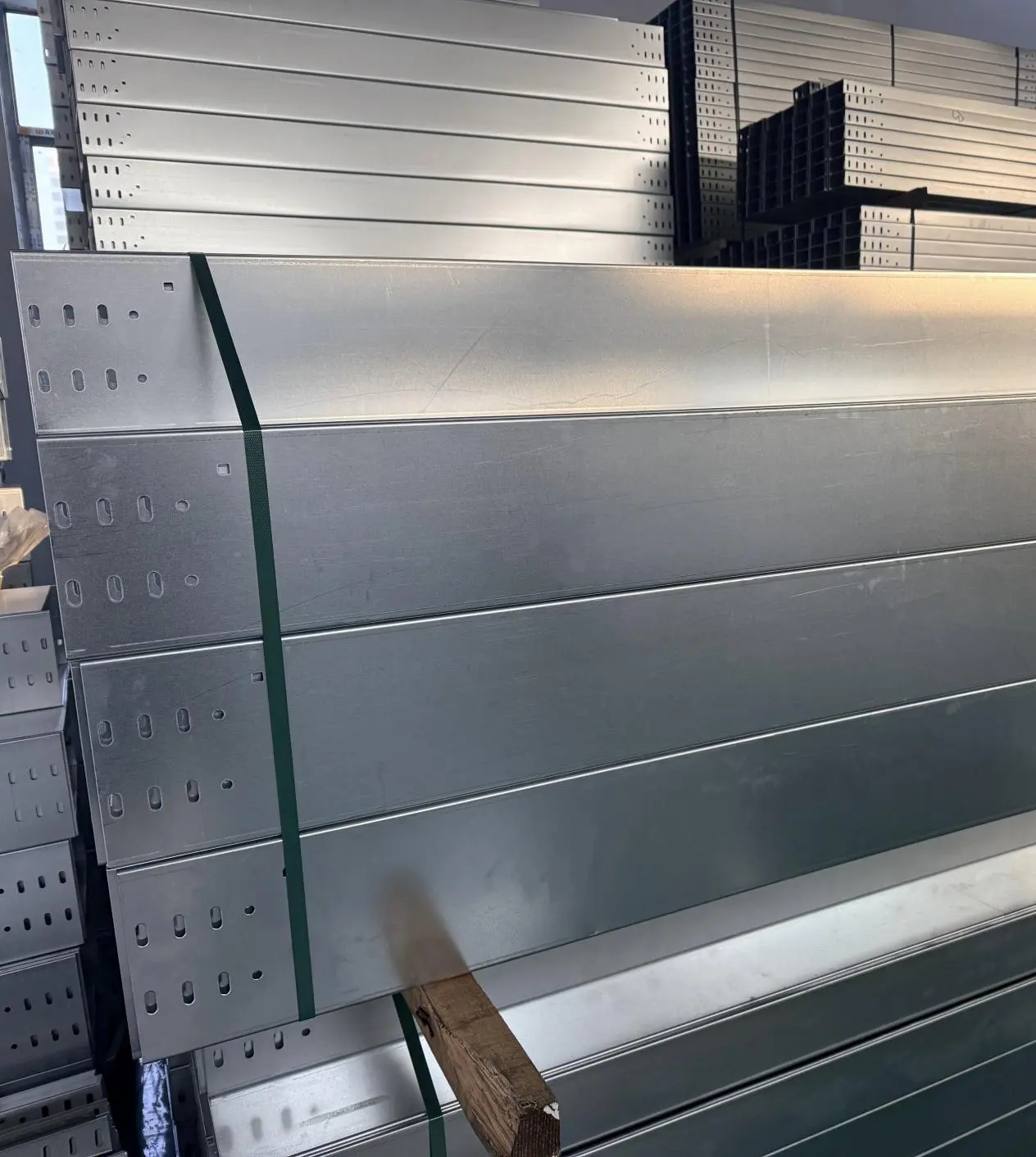
Stainless steel presents a clean, silvery sheen with a modern, premium appearance. Electro-galvanized steel offers a bright, smooth surface often used when aesthetics matter. In contrast, hot-dip galvanized steel has a duller, spangled finish with visible crystallization patterns—a visual cue of its rugged nature.
Performance and Durability Comparisons
Corrosion Resistance in Various Environments: Moisture, Salt, and Chemicals
Stainless steel leads in corrosion resistance, especially grade 316, which resists chlorides and acidic substances. Hot-dip galvanized Unistrut provides strong defense against water and atmospheric corrosion, particularly in rural and coastal zones. Electro-galvanized Unistrut, while effective indoors, is prone to rust when continuously exposed to moisture or corrosive chemicals.
Load-Bearing Strength and Structural Integrity Under Stress
All three materials are fabricated from structurally sound steel, but stainless steel often offers superior tensile strength depending on the alloy. The galvanizing process has negligible impact on structural performance, meaning galvanized channels retain the same core strength as the base steel.
Wear and Tear Resistance: Which Finish Holds Up to Physical Abuse
Hot-dip galvanized coatings, with their thickness and bond strength, resist abrasion and impact better than electro-galvanized options. Stainless steel also excels in high-wear environments due to its hardness and surface resilience, making it ideal for areas with frequent mechanical contact.
Longevity and Lifecycle Expectations in Field Conditions
Stainless steel can last decades with little degradation, even under continuous exposure. Hot-dip galvanized steel offers 20–50 years of protection depending on the environment. Electro-galvanized finishes may need replacement or recoating much sooner in damp or corrosive settings, sometimes within 5–10 years.
Installation, Maintenance, and Compatibility
Installation Ease and Fastener Compatibility Across Material Types
All three types of Unistrut support standard fittings and accessories. However, care must be taken with stainless steel installations to avoid galling—especially during bolting—by using anti-seize compounds or dissimilar fasteners. Hot-dip galvanized surfaces may require thicker or coated fasteners for proper alignment and corrosion matching.
Maintenance Requirements: Cleaning, Inspection, and Coating Preservation
Stainless steel requires minimal upkeep beyond periodic cleaning. Hot-dip galvanized Unistrut may develop a patina but rarely needs intervention unless physically damaged. Electro-galvanized systems benefit from occasional inspections to detect early signs of rust, especially at joints and cut ends.
Compatibility with Other Metals and Risk of Galvanic Corrosion
Stainless steel can cause galvanic corrosion when in contact with dissimilar metals like aluminum or carbon steel in moist environments. Similarly, using electro-galvanized steel alongside copper or stainless components may accelerate degradation. Hot-dip galvanized systems fare better in mixed-metal assemblies but still require thoughtful design to mitigate potential electrochemical reactions.
Fire and Heat Resistance: How Each Material Reacts to High Temperatures
Stainless steel retains strength and shape at elevated temperatures, making it ideal for heat-prone applications. Electro- and hot-dip galvanized coatings may deteriorate or off-gas when exposed to high heat, requiring caution in fire-rated installations or near furnaces.
Cost Considerations and Value Over Time
Upfront Material and Installation Costs
Electro-galvanized Unistrut is generally the most budget-friendly option, followed by hot-dip galvanized. Stainless steel carries a premium price due to raw material and processing costs. Installation complexity can also vary slightly based on fastener compatibility and cutting requirements.
Lifecycle Cost Analysis: Replacement Frequency and Long-Term ROI
Though stainless steel costs more initially, its exceptional longevity often leads to lower lifecycle costs, especially in high-risk environments. Hot-dip galvanized offers an excellent balance between price and durability. Electro-galvanized options may incur higher long-term costs due to more frequent replacements or corrosion repairs.
When to Invest in Stainless Steel vs. When Galvanized Options Make More Sense
Use stainless steel when longevity, hygiene, and corrosion resistance are non-negotiable. Hot-dip galvanized Unistrut is a workhorse for industrial and exterior settings. Reserve electro-galvanized products for interior, climate-controlled projects where cost savings are prioritized.
Total Cost of Ownership in High-Exposure vs. Controlled Environments
In marine or chemical environments, investing in stainless steel upfront prevents costly overhauls. In contrast, climate-controlled environments can safely rely on electro-galvanized Unistrut to deliver functionality without overspending.
Application Scenarios and Industry Use Cases
Stainless Steel for Cleanrooms, Coastal, and Marine Installations
Stainless steel Unistrut thrives in moisture-heavy and sterile environments. It’s standard in hospitals, laboratories, water treatment plants, and offshore facilities where chemical exposure and sanitation requirements are high.
Electro-Galvanized for Commercial Interiors and Low-Humidity Spaces
Offices, retail stores, educational institutions, and dry warehouses often benefit from electro-galvanized Unistrut. Its bright finish and affordability make it ideal for concealed or light-duty applications.
Hot-Dip Galvanized for Utility Infrastructure, Outdoor Installations, and Industrial Plants
This is the go-to solution for power stations, highway signage, irrigation systems, and heavy-duty racking exposed to the elements. The rugged coating protects against unpredictable weather and industrial fallout.
Specialty Applications: Food Processing, Data Centers, Renewable Energy Facilities
Stainless steel finds a niche in food-grade and data-sensitive facilities. Meanwhile, solar farms and wind turbine foundations often specify hot-dip galvanized Unistrut for grounding, cable support, and equipment anchoring.
Environmental Impact and Sustainability
Recyclability and Environmental Footprint of Each Material Type
All Unistrut materials are recyclable, though stainless steel and galvanized steel boast higher recovery rates and scrap value. Aluminum coatings, if present, require additional separation processes.
Energy Consumption in Production and Coating Processes
Electro-galvanizing is energy-efficient but less durable. Hot-dip galvanizing consumes more energy per piece but extends product life significantly. Stainless steel production is energy-intensive but offset by its durability and recyclability.
Green Building Considerations and Responsible Sourcing
Specifying Unistrut from mills that use recycled content or low-emission production techniques can enhance a project's sustainability profile. Lifecycle analysis and end-of-life recyclability play increasing roles in procurement decisions.
Conclusion
Summary of Strengths and Trade-Offs of Each Unistrut Material
Stainless steel offers top-tier corrosion resistance and longevity. Hot-dip galvanized steel balances strength with rugged durability. Electro-galvanized steel delivers economy and sufficient protection for interiors.
Choosing the Right Unistrut Based on Environment, Application, and Budget
Carefully assess your installation environment. Prioritize stainless steel for harsh or critical applications, opt for hot-dip galvanized outdoors or in industrial use, and select electro-galvanized for interiors where aesthetics and cost dominate.
Final Recommendations for Architects, Engineers, and Project Managers
Material choice isn't merely technical—it's strategic. Align performance expectations with budget constraints and environmental exposures. The right Unistrut finish ensures not just structural support, but enduring project success.