






Comparing Perforated and Channel Cable Trays
Introduction
What Are Cable Trays and Why Are They Used?
Cable trays are structural components engineered to support insulated electrical cables used for power distribution, control, and communication. They provide a secure route for wiring across walls, ceilings, and floors, reducing clutter while offering flexibility in installation and maintenance. Their open architecture allows for easy inspection and upgrades—crucial in modern, scalable infrastructure.
Common Types of Cable Trays in the Market
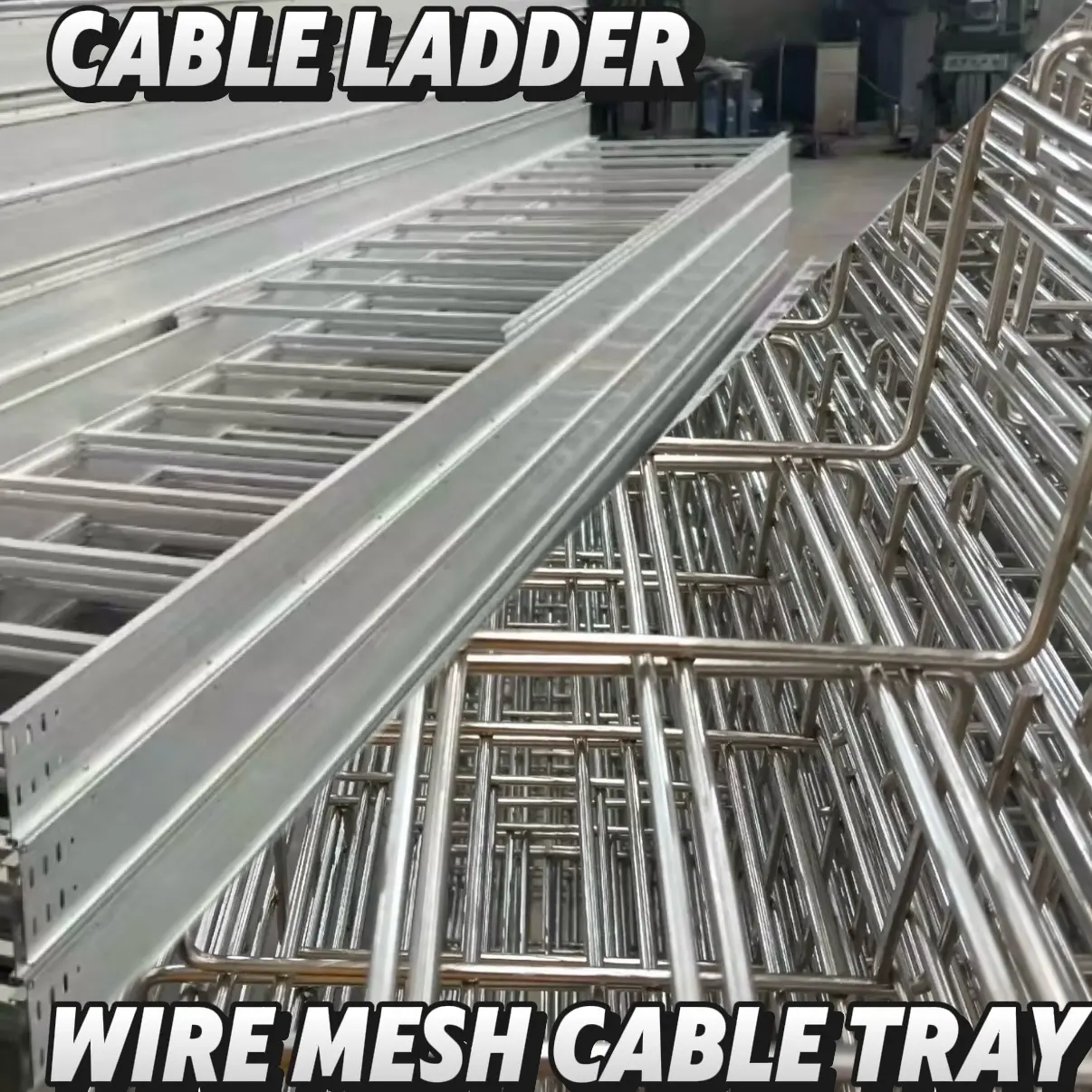
The cable tray ecosystem is diverse. Ladder trays, wire mesh baskets, solid-bottom trays, and trough trays each serve specific purposes. Ladder trays provide high strength and excellent ventilation. Wire mesh is lightweight and perfect for data centers. Solid-bottom trays offer superior protection but restrict airflow. Among them, perforated and Channel Trays represent a middle ground—balancing protection with ventilation, cost-efficiency with strength.
Where Perforated and Channel Cable Trays Fit In
Perforated and channel trays serve distinct functions based on design and application. Perforated trays are ideal where ventilation and minimal weight are needed, while channel trays offer better cable protection in dusty or corrosive environments. They’re often seen in manufacturing facilities, commercial buildings, refineries, and data centers—places where structural performance must align with operational demand.
What Is a Perforated Cable Tray?
Defining Features: Holes, Slots, and Structural Design
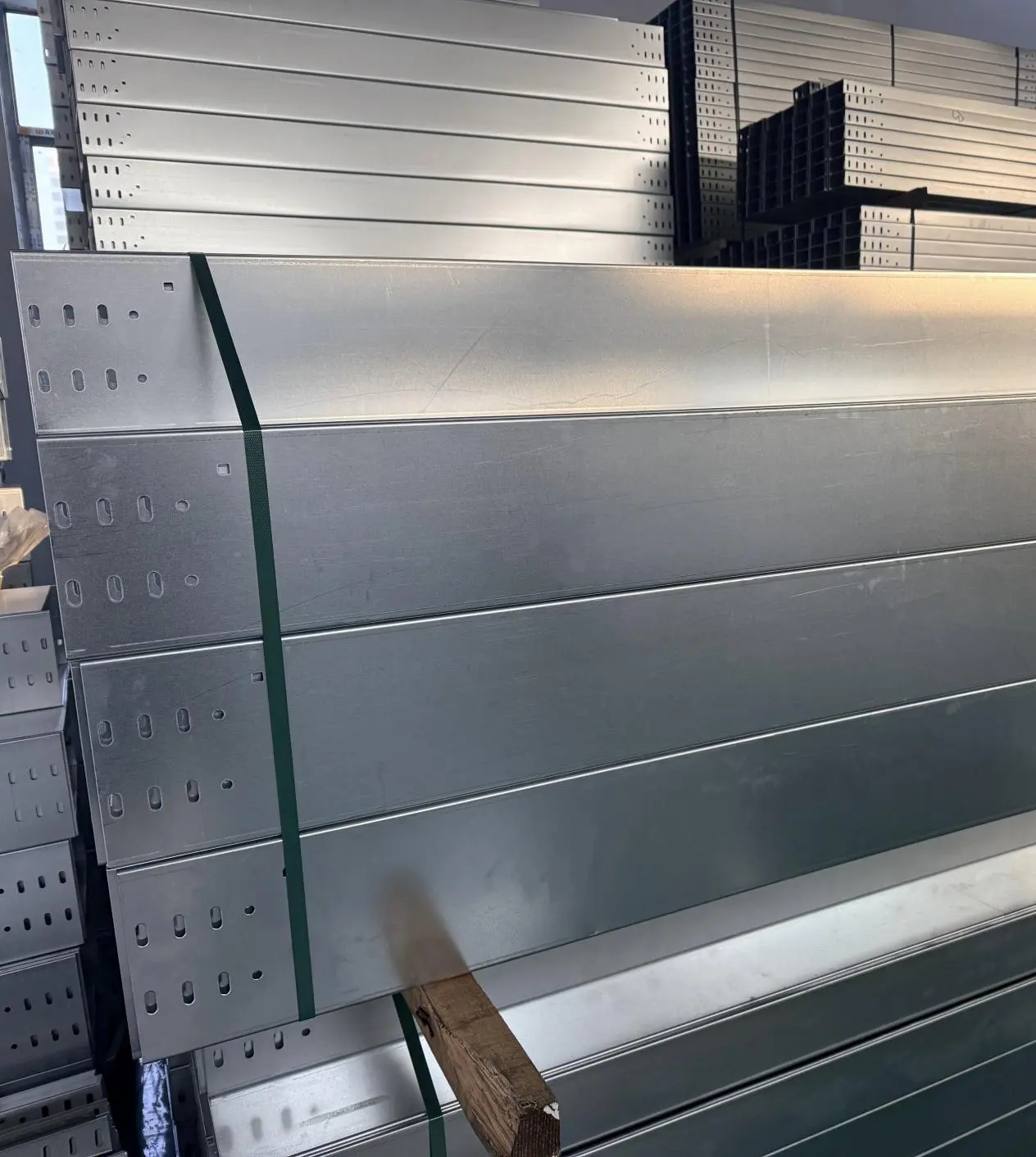
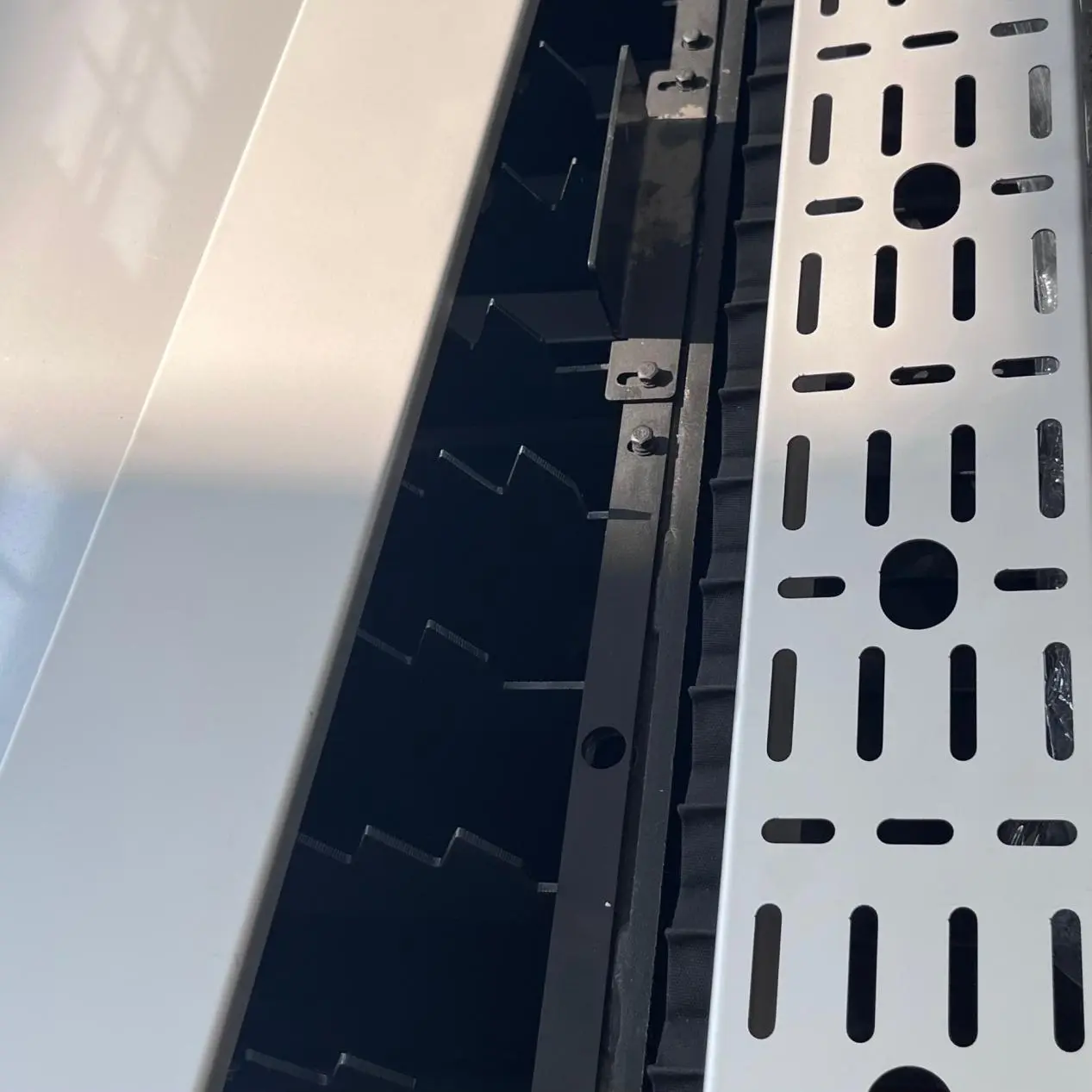
Perforated cable trays are flat-bottom trays punctuated with an array of uniform holes or slots. These perforations aren’t merely aesthetic; they serve critical functional purposes—facilitating heat dissipation, reducing weight, and allowing moisture drainage. The structure is typically U-shaped or pan-like, with raised edges to secure cables and prevent lateral displacement.
Materials and Finishes Typically Used
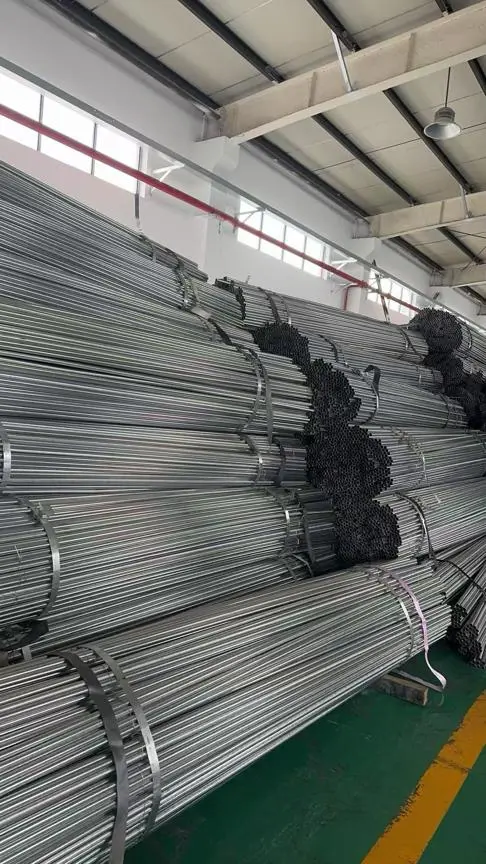
Manufacturers commonly use mild steel, aluminum, and stainless steel to fabricate perforated trays. Finishes may include hot-dip galvanization, epoxy coatings, or powder coatings to enhance corrosion resistance. The material and finish chosen often depend on the environment—indoors, outdoors, coastal, or industrial.
Common Applications and Installation Scenarios
Perforated trays are widely used in commercial buildings, telecom rooms, light industrial settings, and IT hubs. They’re ideal for supporting light to medium-duty cable loads. The perforations allow for the mounting of additional accessories and facilitate easier cable tie-downs.
Key Advantages: Better Ventilation, Weight Reduction, and Heat Dissipation
Thanks to their open design, perforated trays allow for superior air circulation, keeping cable temperatures in check. This is especially important for power cables that generate heat. Their lighter weight simplifies handling and installation, and the reduction in material also cuts down on cost.
Potential Limitations and Considerations
While advantageous in many respects, perforated trays may not be suitable for areas with high dust levels or where full protection from debris or mechanical impact is needed. Their open structure may also expose cables to environmental stressors like UV rays, humidity, or physical contact.
What Is a Channel Cable Tray?
Structural Design: Simplicity, Strength, and Enclosure
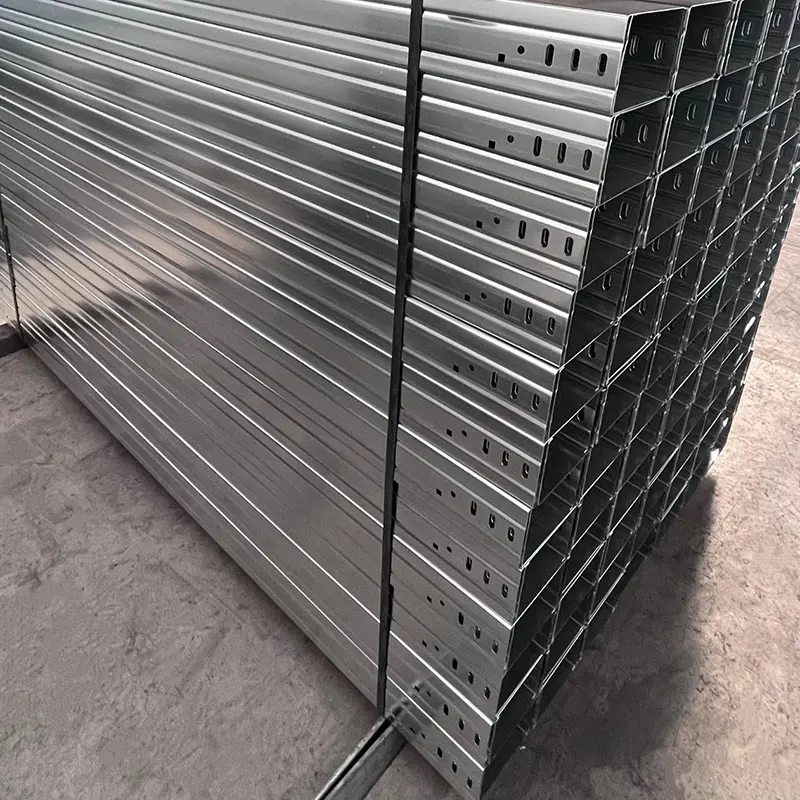
Channel cable trays are characterized by a solid-bottom or nearly enclosed U-shaped structure with high side walls. Their design prioritizes containment and protection over ventilation. The tray channels run longitudinally, creating a rigid frame that offers considerable support, especially for longer spans.
Typical Materials and Surface Treatments
Like perforated trays, channel trays are made from aluminum, galvanized steel, or stainless steel. Surface treatments often include hot-dip galvanization or PVC coating to provide resilience against chemicals, moisture, and mechanical wear. Their solid construction makes them particularly suited for harsh environments.
Ideal Use Cases for Channel Trays
Channel trays are often deployed in petrochemical plants, wastewater treatment facilities, outdoor installations, and heavy industrial environments. They excel where cables require shielding from dust, moisture, or impact.
Strengths: Durability, Cable Protection, and Load Support
The enclosed structure offers exceptional cable protection, minimizing the risk of damage from falling debris, chemical exposure, or accidental impact. These trays also support heavier cable loads over long distances, making them ideal for heavy-duty power systems.
Drawbacks to Be Aware Of
Channel trays lack the ventilation of their perforated counterparts. In high-temperature scenarios, this can lead to overheating. They are also heavier and more cumbersome to install, often requiring more labor and structural support.
Perforated vs. Channel Cable Trays: A Detailed Comparison
Design Differences and Structural Integrity
Perforated trays emphasize openness and modularity, while channel trays focus on containment and structural reinforcement. The former supports dynamic cabling systems; the latter is better for static, protected installations.
Load Capacity and Cable Support Performance
Channel trays generally offer higher load-bearing capacity due to their closed, reinforced structure. Perforated trays are more appropriate for lighter or medium loads, with flexibility in mounting accessories and rerouting.
Heat Dissipation and Airflow Management
Perforated trays outperform in ventilation, reducing thermal strain on cables. Channel trays, while stronger, can trap heat, necessitating external thermal mitigation in high-load applications.
Installation Complexity and Flexibility
Perforated trays are typically easier to cut, shape, and install. Channel trays, due to their weight and rigidity, may require additional bracketing and manpower. However, once installed, they demand less ongoing adjustment.
Suitability for Different Environments (Indoor, Outdoor, Industrial, etc.)
Perforated trays thrive in climate-controlled, clean, and dry interiors. Channel trays withstand corrosive, wet, or physically demanding environments, offering better long-term performance where exposure is a concern.
Maintenance Requirements and Long-Term Durability
Channel trays often have a longer service life due to their robust design and protective finishes. Perforated trays may require more frequent inspections, particularly in dusty or corrosive environments.
Cost Analysis: Initial Investment vs. Lifecycle Value
Perforated trays usually cost less upfront and are cheaper to install. Channel trays have a higher initial cost but can deliver better ROI in aggressive environments due to lower maintenance and extended longevity.
Industry Use Cases and Real-World Applications
Which Industries Prefer Perforated Cable Trays and Why
Telecommunications, IT, commercial offices, and residential buildings commonly use perforated trays. These sectors value lightweight, cost-effective solutions that accommodate frequent cable changes and extensions.
Where Channel Cable Trays Are the Better Choice
Heavy industry, oil and gas, marine operations, and infrastructure exposed to the elements rely on channel trays. Their sealed design and strength make them indispensable in hostile or unpredictable conditions.
Hybrid Systems: When to Combine Both
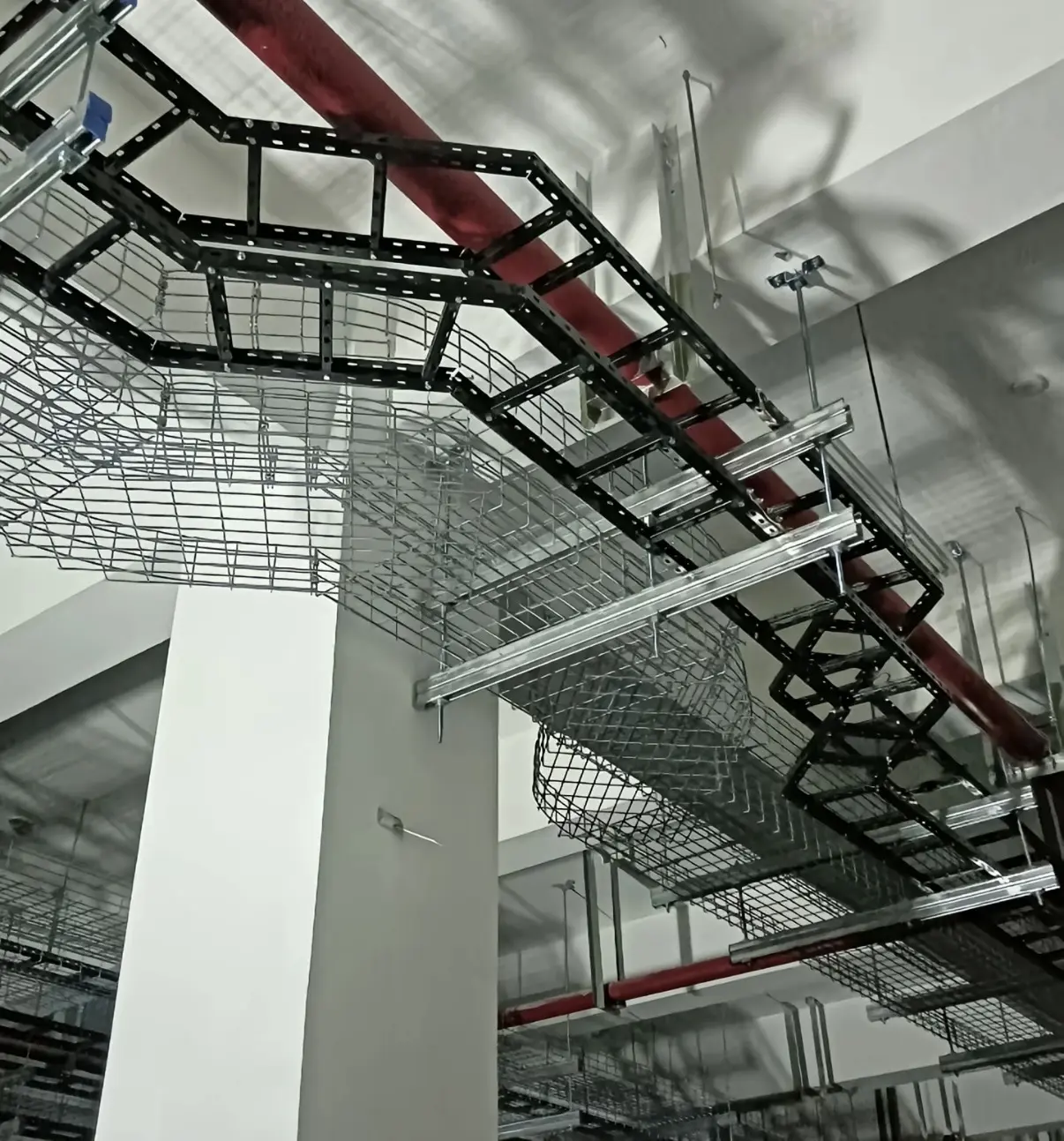
In complex installations, hybrid systems are often employed—perforated trays for interior, low-risk zones and channel trays for outdoor or sensitive segments. This approach maximizes both functionality and cost-effectiveness.
How to Choose the Right Cable Tray for Your Project
Key Factors to Consider: Budget, Environment, Load, and Compliance
Every project is unique. Factors like environmental exposure, weight loads, regulatory codes, cable type, and future scalability should guide your decision. A budget-conscious choice today shouldn’t sacrifice safety or compliance tomorrow.
Checklist for Selecting the Optimal Cable Tray System
What is the expected cable load and type?
Will the environment be corrosive, wet, or dusty?
Is heat dissipation a concern?
Are there space constraints or architectural limitations?
What are the local code and safety compliance requirements?
How often will maintenance or cable adjustments be necessary?
Mistakes to Avoid During Selection and Installation
Overlooking environmental stressors, underestimating load requirements, or using incompatible materials can lead to costly rework. Avoid routing cables haphazardly or using improper fasteners, as these can compromise both safety and system performance.
Conclusion
Summary of Key Differences
Perforated trays shine in flexibility, ventilation, and cost-efficiency, while channel trays dominate in strength, cable protection, and durability. The choice hinges on project-specific demands, not a one-size-fits-all logic.
Making an Informed Decision for Your Cable Management Needs
Balancing structural needs with environmental conditions and future-proofing considerations is key. Understanding the nuanced distinctions between tray types empowers smarter engineering decisions.
Final Thoughts on Long-Term Efficiency and Performance
Investing time in selecting the right cable tray system pays dividends in reliability, safety, and cost savings. Whether deploying perforated, channel, or a hybrid solution, precision and foresight ensure an infrastructure built to endure.