



Can Zinc-Aluminum-Magnesium (ZAM) Coating Replace Hot-Dip Galvanizing (HDG)?
Introduction
What is Corrosion Protection and Why It Matters in Modern Manufacturing
Corrosion, the silent saboteur of infrastructure and machinery, is responsible for billions of dollars in annual losses across industries. As metals oxidize and deteriorate, structural integrity, safety, and aesthetic value are all compromised. In an era where efficiency, longevity, and cost control are paramount, corrosion protection has emerged as not just a necessity, but a strategic imperative in manufacturing.
The Growing Demand for Durable, Sustainable Coating Solutions
The global pivot toward sustainability has accelerated the search for eco-conscious yet high-performing protective coatings. Industries seek materials that extend service life while minimizing environmental footprints. Coating technologies must now meet a dual mandate—offering robust performance while aligning with circular economy principles and stringent regulatory frameworks.
Introducing ZAM and HDG: Two Giants in Corrosion Resistance
Zinc-Aluminum-Magnesium (ZAM) and Hot-Dip Galvanizing (HDG) are among the most prevalent corrosion-resistant coatings for steel. While HDG has been the stalwart of corrosion protection for over a century, ZAM has emerged as a formidable challenger—offering a thinner, lighter, and often more sustainable alternative with superior corrosion resistance in specific environments. Their comparison is reshaping decisions in industries ranging from automotive to architecture.
Understanding the Basics
What is Zinc-Aluminum-Magnesium (ZAM) Coating?
Composition and Technology Behind ZAM
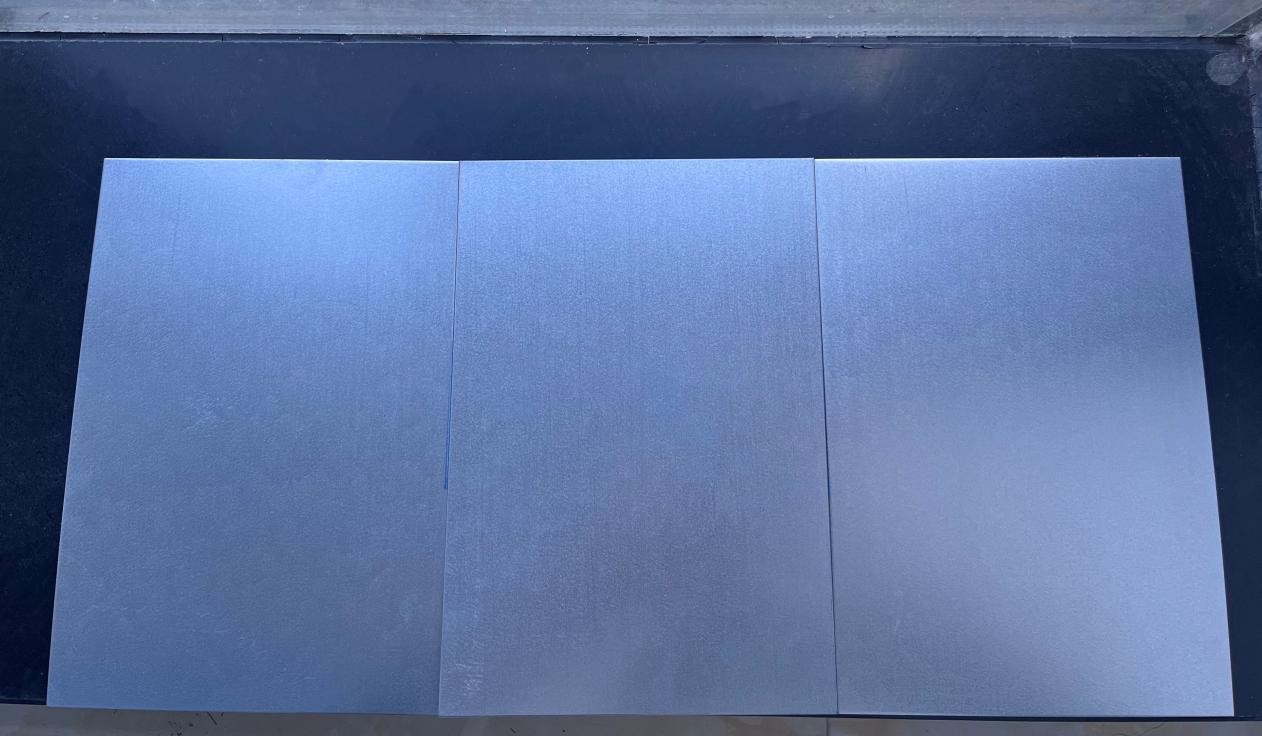
ZAM coating is an advanced metallic layer composed primarily of zinc, typically alloyed with 1-3% aluminum and 1-3% magnesium. This synergistic trio imparts a protective barrier that forms a dense, stable oxide layer, bolstering corrosion resistance. The magnesium component plays a pivotal role in sealing micro-cracks and enhancing self-healing properties, setting ZAM apart from traditional zinc coatings.
How ZAM is Applied to Steel Surfaces
ZAM is typically applied via a continuous hot-dip process in a molten alloy bath. This method ensures even coating distribution and metallurgical bonding with the substrate. Post-application, the material undergoes rapid air cooling or quenching to lock in the coating structure, enabling a refined grain microstructure and a smooth, compact surface finish. The process supports tight coating tolerances and is ideal for high-speed roll-forming operations.
What is Hot-Dip Galvanizing (HDG)?
The Process of Dipping Steel in Molten Zinc
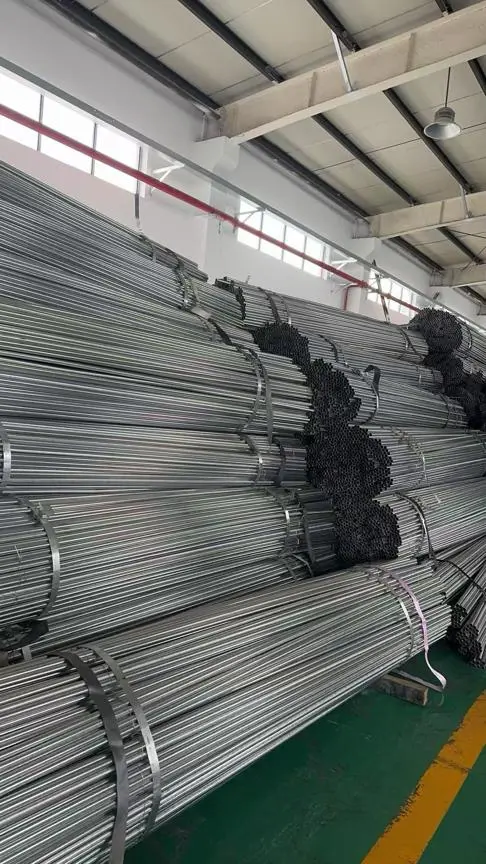
HDG involves immersing cleaned steel into a bath of molten zinc, typically at 450°C. As the steel reacts with the zinc, it forms a series of intermetallic layers beneath a pure zinc outer layer. This metallurgical bond provides both barrier protection and galvanic protection, where zinc sacrifices itself to prevent the corrosion of the underlying steel.
Traditional Use Cases and Industry Standards
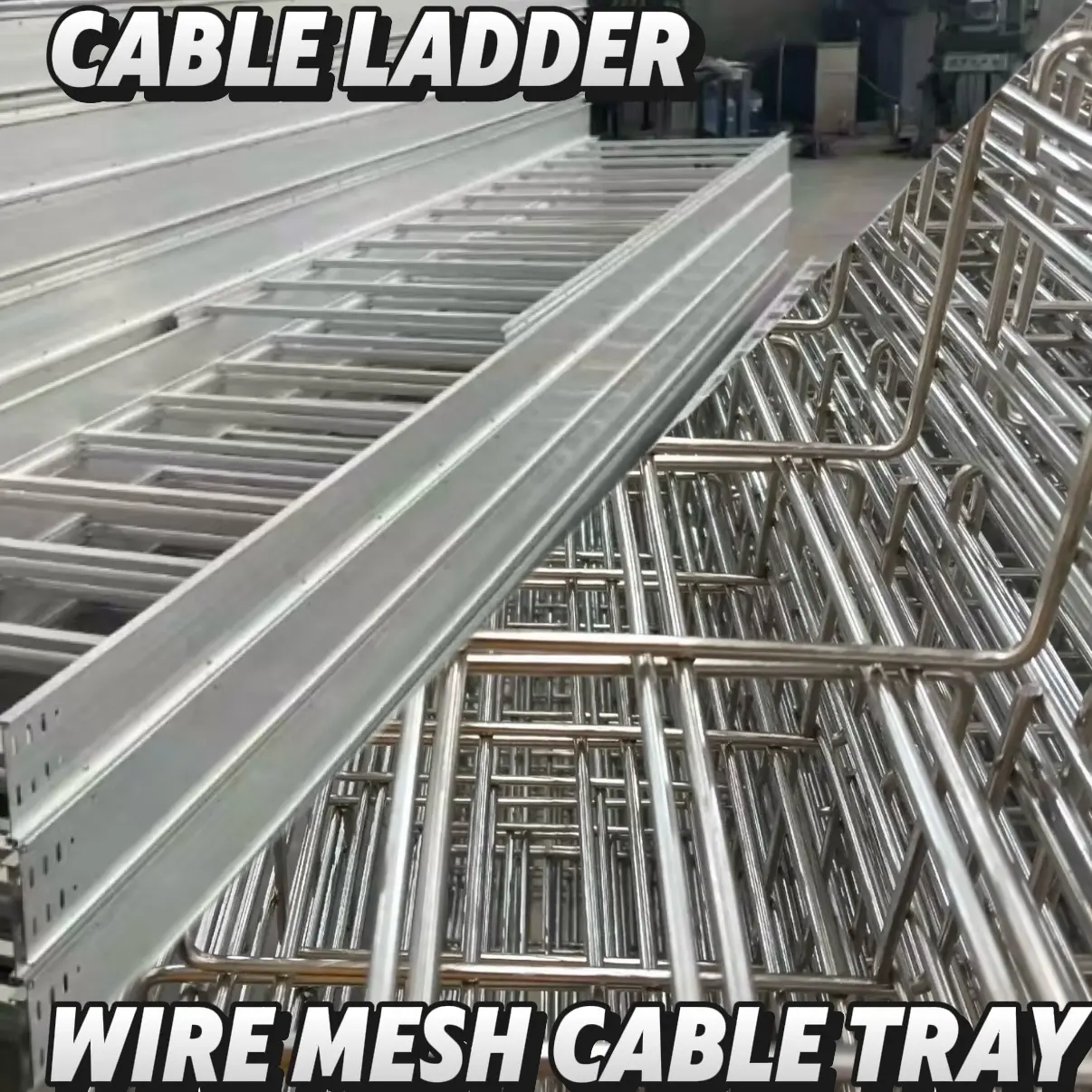
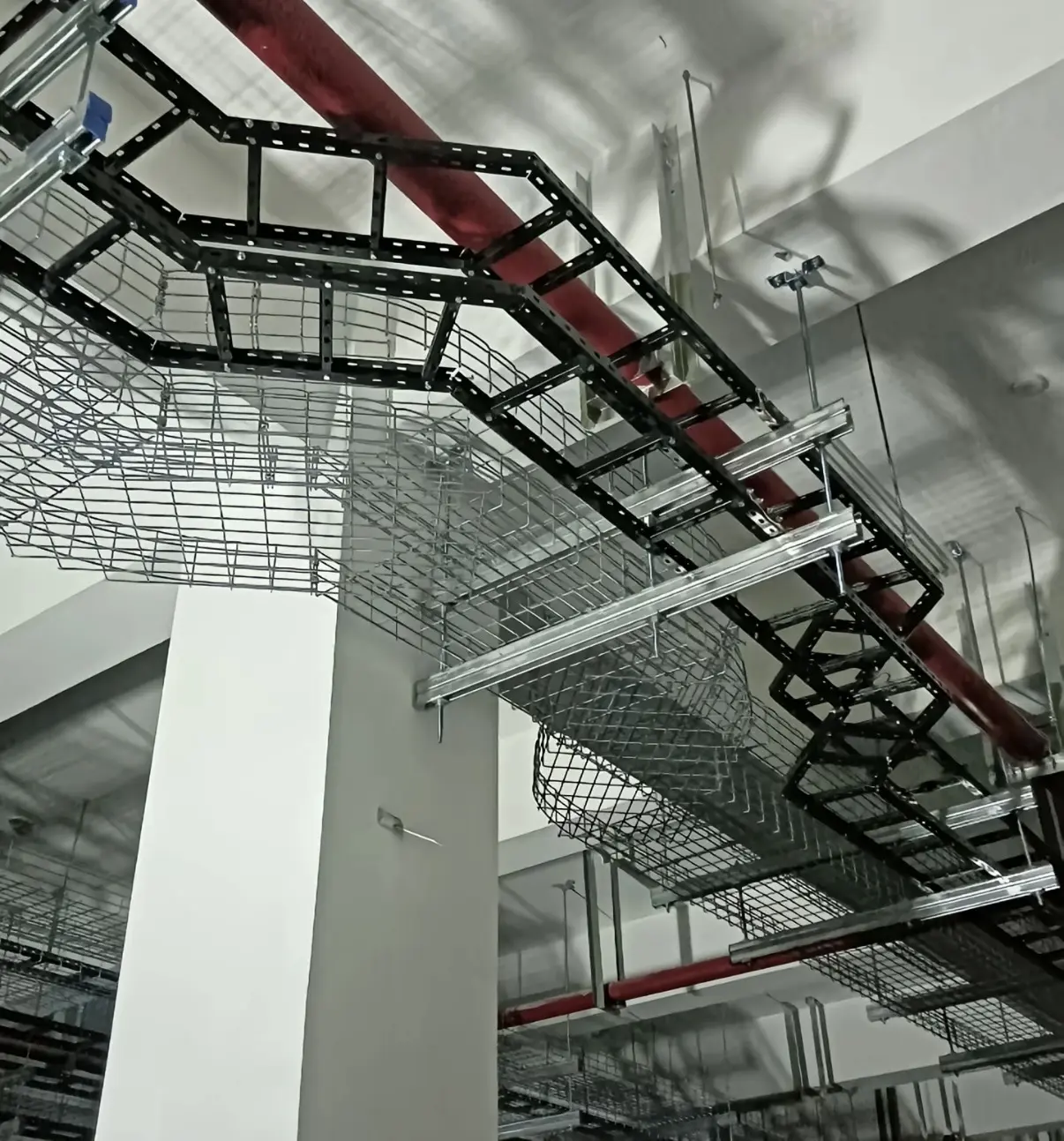
HDG has been a mainstay in heavy-duty applications such as cable trays, transmission towers, guardrails, and pipelines. It adheres to numerous standards including ASTM A123 and ISO 1461, which ensure consistent performance and compliance. Its proven track record in withstanding decades of exposure in varied climates cements its place in infrastructure and civil engineering.
Performance Comparison: ZAM vs. HDG
Corrosion Resistance: Which Coating Lasts Longer?
Salt Spray Tests and Real-World Exposure
Laboratory salt spray tests (ASTM B117) reveal ZAM’s superior performance, often enduring over 3,000 hours without red rust compared to approximately 1,000 for HDG. In real-world scenarios, ZAM’s self-healing magnesium compounds continue to outperform HDG, particularly in cut-edge protection and micro-crack repair.
Performance in Harsh and Coastal Environments
In high-humidity, saline, and ammonia-laden atmospheres—such as coastal zones or livestock enclosures—ZAM demonstrates exceptional resistance to localized corrosion. HDG, while robust, is prone to white rust and zinc layer degradation in such conditions over time, making ZAM a better choice for niche yet critical applications.
Mechanical Properties: Strength, Flexibility, and Adhesion
How Each Coating Affects Steel Strength and Formability
ZAM’s thinner coating allows for enhanced formability and reduced cracking during bending or deep drawing, making it highly suitable for precision components. HDG, due to its thicker and more brittle outer layer, can fracture under aggressive forming conditions, potentially exposing bare steel.
Cracking, Peeling, and Wear Resistance
ZAM’s uniform microstructure ensures excellent adhesion and resistance to peeling, even under repeated stress cycles. HDG, though durable, may delaminate at sharp bends or joints if improperly handled. ZAM’s wear resistance also translates to lower maintenance in abrasive environments.
Thickness and Coverage: Surface Uniformity Matters
Thin vs. Thick Coatings: Pros and Cons
ZAM coatings typically range between 5–20 microns, offering a balance between protection and efficiency. HDG layers are much thicker, often exceeding 45 microns, which provides robust protection but at the cost of added weight and dimensional variation. This can be a critical factor in lightweight design strategies.
Edge Protection and Difficult-to-Reach Areas
ZAM’s ability to form a self-healing oxide film gives it an edge in protecting cut edges and crevices. HDG, while offering complete immersion coverage, often requires post-galvanizing touch-up at welds or flame-cut edges, complicating assembly and repair processes.
Cost and Efficiency Factors
Material and Application Costs: Which is More Economical?
Raw Material Prices and Processing Expenses
While ZAM alloy elements add complexity, the thinner coating and reduced zinc usage offset material costs. HDG, despite utilizing mostly zinc, incurs higher costs due to energy-intensive baths, thicker coatings, and more extensive surface preparation requirements.
Lifecycle Cost Analysis and Maintenance
ZAM often leads to lower lifecycle costs thanks to reduced rust-through incidents, minimal touch-ups, and enhanced durability in aggressive environments. HDG, though time-tested, may demand periodic inspection and repair, especially in areas with compromised zinc layers or mechanical damage.
Production Efficiency and Scalability
Turnaround Times in Manufacturing
ZAM’s continuous coating process is ideal for high-volume production with short lead times, minimizing logistical bottlenecks. HDG’s batch process is slower, particularly for large assemblies requiring degreasing, pickling, and post-treatment stages.
Suitability for Mass Production and Automation
ZAM integrates seamlessly with automated roll-forming and stamping lines. Its predictability and surface consistency reduce downstream processing time. HDG, while scalable, presents challenges in automating post-treatment steps and dimensional tolerances for complex geometries.
Sustainability and Environmental Impact
Eco-Friendliness of ZAM Coating
Lower Zinc Consumption and Reduced Waste
ZAM coatings typically use 30–60% less zinc than HDG for comparable performance, conserving non-renewable resources and reducing ecological strain. The leaner profile also results in lower metal runoff during wear or end-of-life degradation.
Environmental Considerations of HDG
Energy Usage and Emissions in the Galvanizing Process
HDG’s immersion process is energy-heavy, requiring substantial heat and chemical treatment. Emissions from zinc volatilization and acid baths also pose environmental risks and necessitate strict waste treatment protocols.
Challenges in Recycling and End-of-Life Disposal
While HDG-coated steel is recyclable, separating thick zinc layers adds complexity. Zinc ash and dross byproducts must be carefully managed to avoid soil and water contamination.
Real-World Applications and Industry Adoption
Industries Embracing ZAM: Automotive, Construction, and More
Case Studies Highlighting Performance in Practice
In European greenhouses and Asian coastal construction projects, ZAM-coated panels have shown a 3x improvement in lifespan compared to HDG, with lower maintenance requirements. OEMs report significant reductions in warranty claims related to rust and corrosion.
Where HDG Still Reigns Supreme
Large Structures, Infrastructure, and Legacy Projects
HDG remains indispensable for large-scale structural steel applications where thickness and sacrificial protection are critical. Its sheer robustness and familiarity ensure its place in bridges, railings, and transmission towers.
Regulatory and Certification Requirements
Many infrastructure projects mandate HDG due to legacy codes and third-party certifications. Until ZAM gains equivalent long-term field validation and standardization, HDG will continue to be the default in conservative engineering environments.
Conclusion
Can ZAM Truly Replace HDG?
Summary of Strengths and Trade-offs
ZAM offers superior corrosion resistance in thin coatings, exceptional formability, and sustainability advantages. HDG provides rugged durability and deep protection for high-exposure infrastructure. While ZAM can replace HDG in many applications, it is not a universal substitute—each has contexts where it excels.
Making the Right Choice Based on Project Needs and Goals
Material selection should be based on environmental conditions, structural requirements, cost constraints, and regulatory standards. A nuanced understanding of each coating’s strengths will inform better engineering and procurement decisions.