





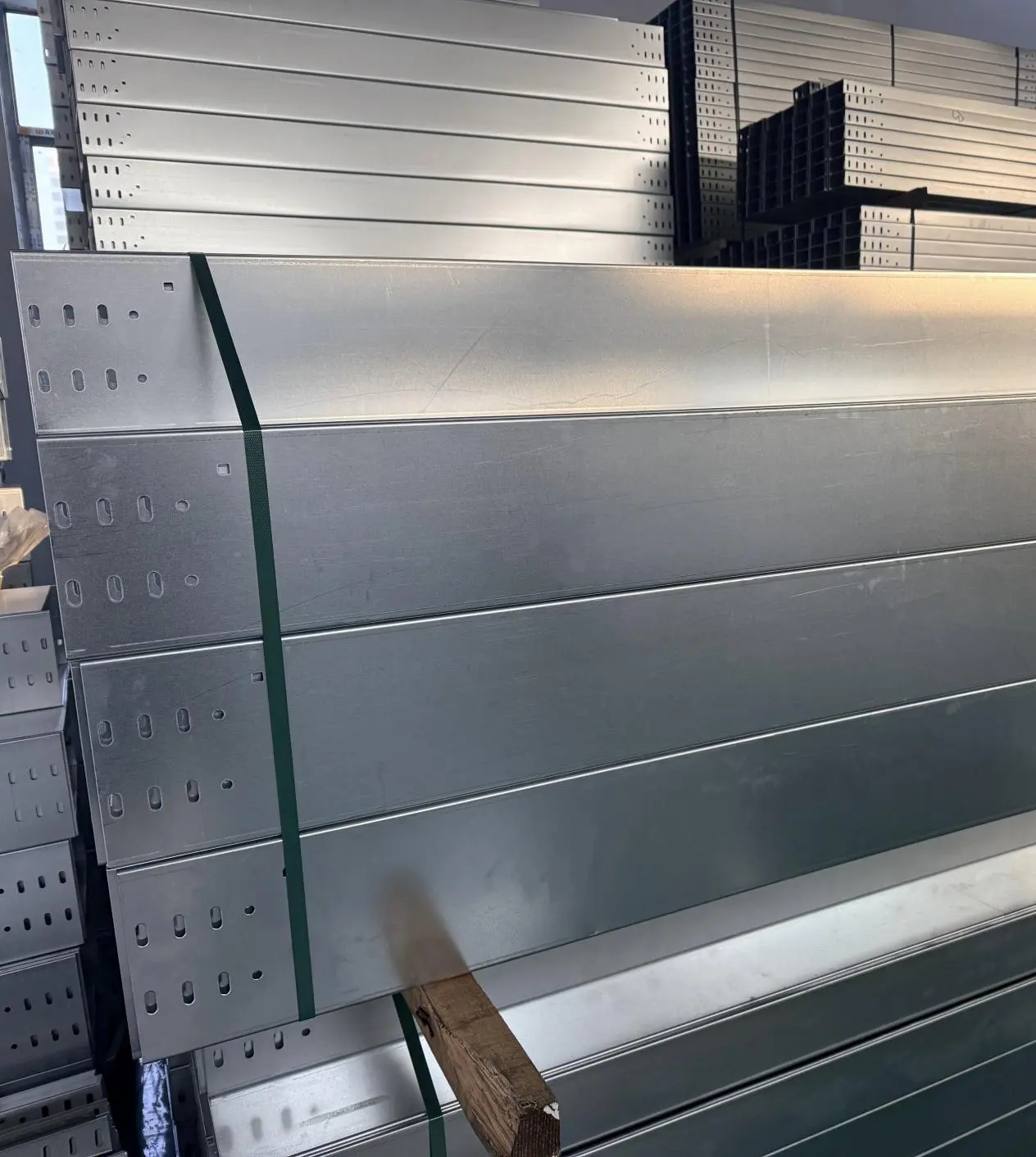

Can Cable Trays Be Installed Outdoors? What Are the Waterproofing Measures?
Introduction
Infrastructural expansion into open-air environments has surged in recent years, fueled by the rising need for resilient, distributed electrical systems. From rooftop solar arrays to outdoor data centers and industrial yards, the deployment of cabling infrastructure beyond enclosed walls has become both necessary and commonplace.
Amid this growing trend, one vital question emerges—can Cable Trays be reliably installed outdoors? The answer is yes, but with a caveat: only when robust waterproofing measures are implemented. Exposure to the elements introduces a host of degradation risks that can compromise cable performance, jeopardize safety, and accelerate equipment failure. Safeguarding outdoor cable trays is not just a matter of prolonging life span—it’s a matter of ensuring continuous, uncompromised operation.
Suitability of Cable Trays for Outdoor Installation
Types of cable trays commonly used outdoors
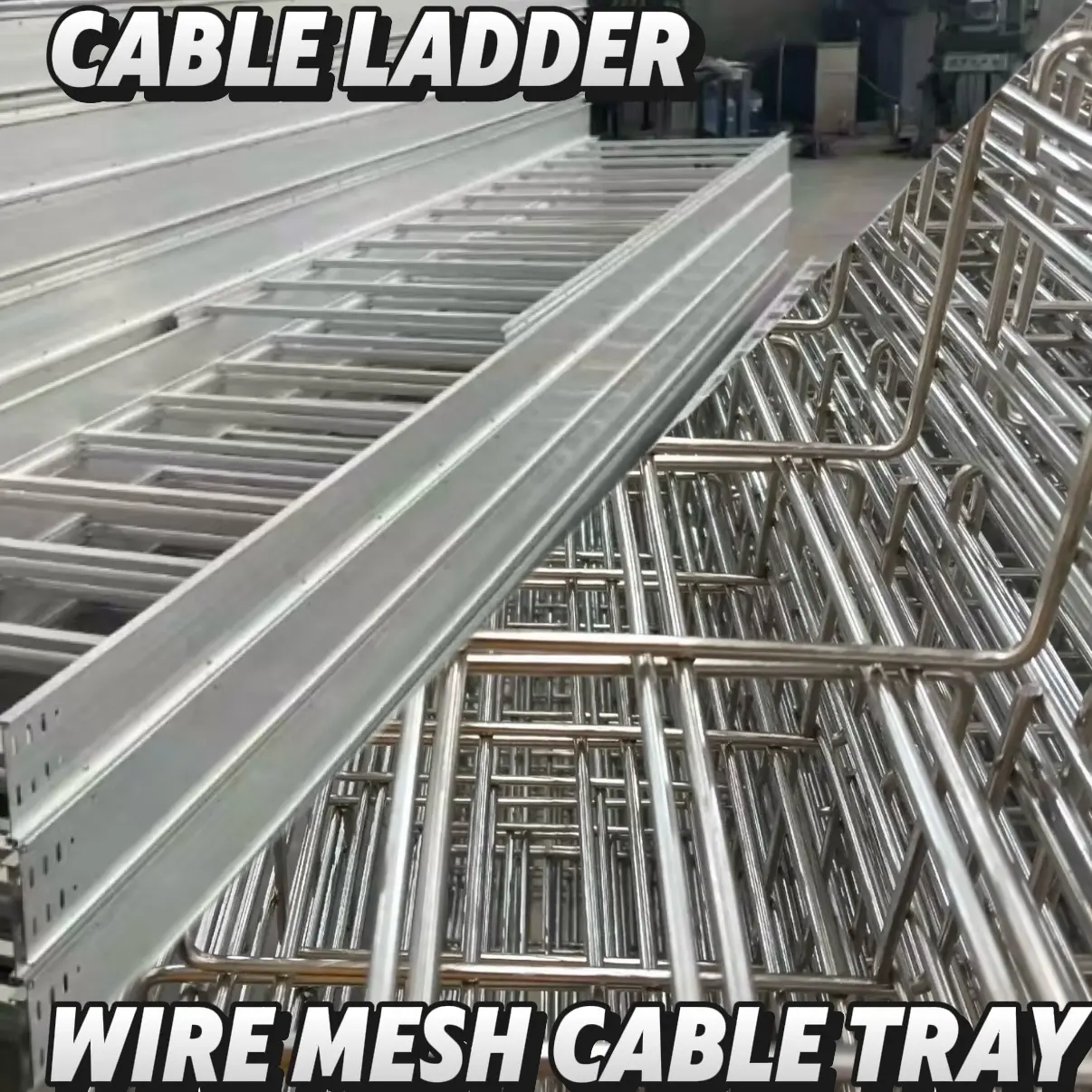
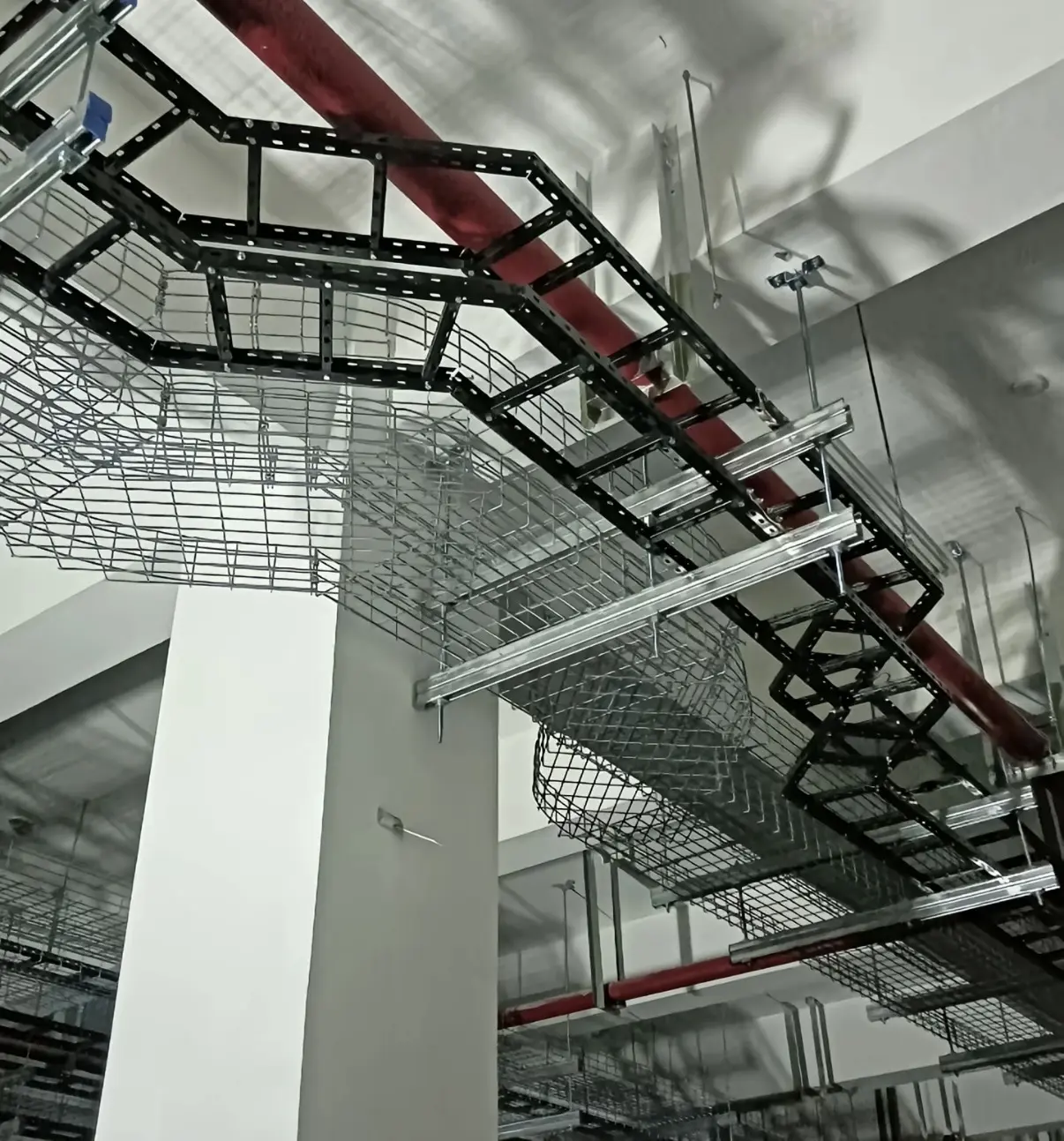
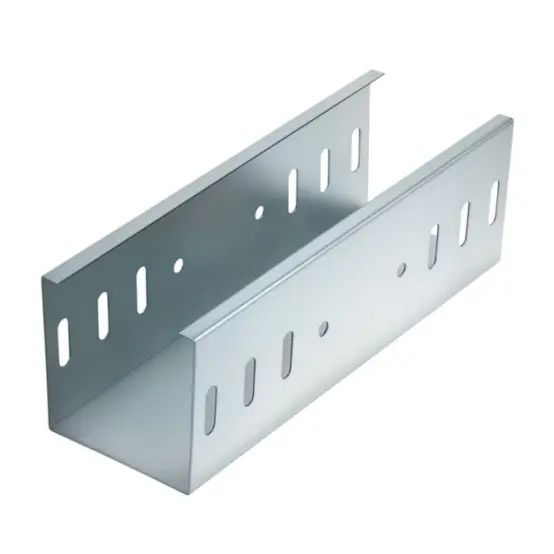
Outdoor installations demand durability and resistance to environmental variables. Ladder-type cable trays, with their open design, are often preferred for outdoor use due to superior ventilation and ease of drainage. Solid-bottom trays, while offering better shielding, must be meticulously sealed to prevent water ingress. Trough and channel types find use in semi-protected areas but are less suitable for fully exposed environments unless heavily modified.
Environmental factors to consider before outdoor deployment
Before placing a tray outdoors, consider the site’s exposure to rain, snow, UV radiation, salinity (in coastal areas), industrial pollution, and fluctuating temperatures. Microclimates—localized weather variations caused by terrain, buildings, or vegetation—can introduce unexpected challenges such as increased condensation or wind loading.
Compliance with electrical codes and industry standards
Outdoor cable tray systems must comply with regional and international codes such as the National Electrical Code (NEC) in the U.S., IEC standards globally, or GB standards in China. These standards govern tray material selection, bonding and grounding, spacing requirements, and permissible installation zones. Failure to comply not only invites premature failure but also regulatory penalties and safety hazards.
Key Risks of Outdoor Exposure
Moisture infiltration and corrosion
Water is the primary adversary in outdoor electrical infrastructure. Rain, snow, and atmospheric humidity can permeate poorly protected trays, causing rust, oxidation, and in severe cases, dielectric failure in cable insulation. Over time, corrosion can weaken support structures and compromise grounding continuity, especially in metal trays.
UV radiation and thermal expansion
Prolonged ultraviolet exposure deteriorates plastic and polymer components, including cable jackets and plastic tray materials. Metal trays, while UV-immune, undergo thermal expansion and contraction, which can cause mechanical stress at joints and supports. These cyclical movements, if not accounted for, may lead to fatigue and structural failure.
Damage from wind, debris, and wildlife
High winds can displace unsecured trays or exert damaging torsion forces. Windborne debris, bird nesting, and small animals chewing through cables pose a unique threat to integrity and insulation. Outdoor systems must be designed to withstand not just environmental wear but also interactions with nature.
Waterproofing and Weatherproofing Techniques
Protective coatings and galvanization options
Hot-dip galvanization remains one of the most effective defenses against corrosion. It coats steel trays with a thick zinc layer that forms a patina over time, slowing further oxidation. Powder coating and epoxy paints add an additional barrier, enhancing aesthetic and functional longevity. In high-risk areas, multi-layered coating systems are recommended.
Use of covers and enclosures for added shielding
Cable Tray Covers—solid, vented, or peaked—offer essential shielding against precipitation, falling debris, and UV rays. Weather-resistant enclosures, especially those rated IP65 or higher, are essential for critical runs in exposed areas. Materials such as polycarbonate, stainless steel, or UV-stabilized PVC are preferred for long-term protection.
Sealing joints, entry points, and penetrations
Where trays transition between indoor and outdoor environments, or where cables exit to connect to equipment, meticulous sealing is critical. Use of weatherproof gaskets, rubber bushings, and UV-rated sealants helps block water ingress and maintain environmental integrity.
Drainage design considerations to prevent water accumulation
Stagnant water within trays accelerates corrosion and fosters mold growth. Drainage holes, sloped tray designs, and strategic placement of weep points ensure water does not collect in the tray body. In heavy rainfall zones, trays should be angled slightly to encourage runoff.
Material Selection for Outdoor Environments
Galvanized steel: advantages and limitations
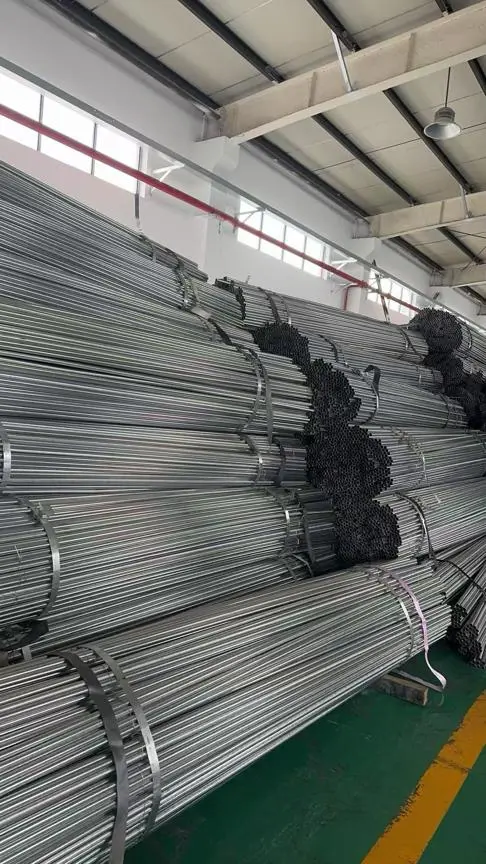
Galvanized steel is both economical and moderately corrosion-resistant, making it a popular choice for outdoor applications. However, in highly corrosive environments—such as coastal or industrial areas—galvanization alone may degrade prematurely, requiring more frequent maintenance.
Stainless steel: corrosion resistance and cost factors
Stainless steel offers superior corrosion resistance and structural strength, particularly grades like 304 and 316L. It’s the go-to material for chemically aggressive or salt-laden environments. The downside is its higher cost and heavier weight, which may influence installation logistics.
Aluminum: lightweight performance in marine and industrial areas
Aluminum cable trays provide a compelling mix of corrosion resistance and low weight, making them ideal for rooftop installations or areas with challenging access. Though less robust than steel, aluminum is non-ferromagnetic and suitable for sensitive electronic environments.
FRP (Fiberglass Reinforced Plastic): non-conductive and UV resistant option
FRP cable trays shine in highly corrosive or electrically sensitive areas. Being non-conductive, lightweight, and UV-resistant, they excel in chemical plants, offshore facilities, and substations. However, their mechanical strength and fire resistance are generally lower than their metallic counterparts.
Installation Best Practices for Outdoor Durability
Strategic placement to reduce direct exposure
Where possible, trays should be routed under structural overhangs, along shaded facades, or within service corridors. This mitigates direct weather exposure and prolongs component lifespan.
Proper support spacing to handle environmental stress
Temperature swings, wind loads, and additional weight from rain or snow necessitate tighter support spacing and reinforced brackets. Supports should be corrosion-resistant and anchored into stable substrates.
Thermal expansion allowances in tray layout
Incorporate expansion joints or slip connectors at intervals to accommodate thermal movement, especially in metal trays. This reduces the likelihood of buckling or distortion over time.
Routine inspection and maintenance recommendations
Establish periodic inspection routines to identify early signs of corrosion, joint separation, or fastener loosening. Prompt intervention extends service life and avoids unplanned downtime. Visual inspections should be complemented by torque checks and drainage assessments.
Common Mistakes to Avoid in Outdoor Cable Tray Installations
Underestimating long-term environmental effects
Ignoring weather patterns or site-specific challenges often leads to premature system failure. Installations must be designed not for average conditions, but for the worst-case scenario.
Using indoor-rated materials in outdoor conditions
A common and costly oversight, the use of indoor-grade trays or hardware outdoors invariably leads to rapid deterioration. All components, from trays to cable ties, must be outdoor-rated.
Ignoring sealing details and water entry points
Even with the right materials, poor sealing practices invite water ingress. Penetration points must be professionally sealed and checked regularly, especially where movement or vibration is expected.
Conclusion
Installing cable trays outdoors is entirely viable—provided the approach is deliberate, informed, and rigorous. Success lies in harmonizing material science with environmental understanding and mechanical foresight. Selecting appropriate materials, incorporating effective waterproofing measures, and adhering to installation best practices form the trifecta of reliable, long-term performance.