





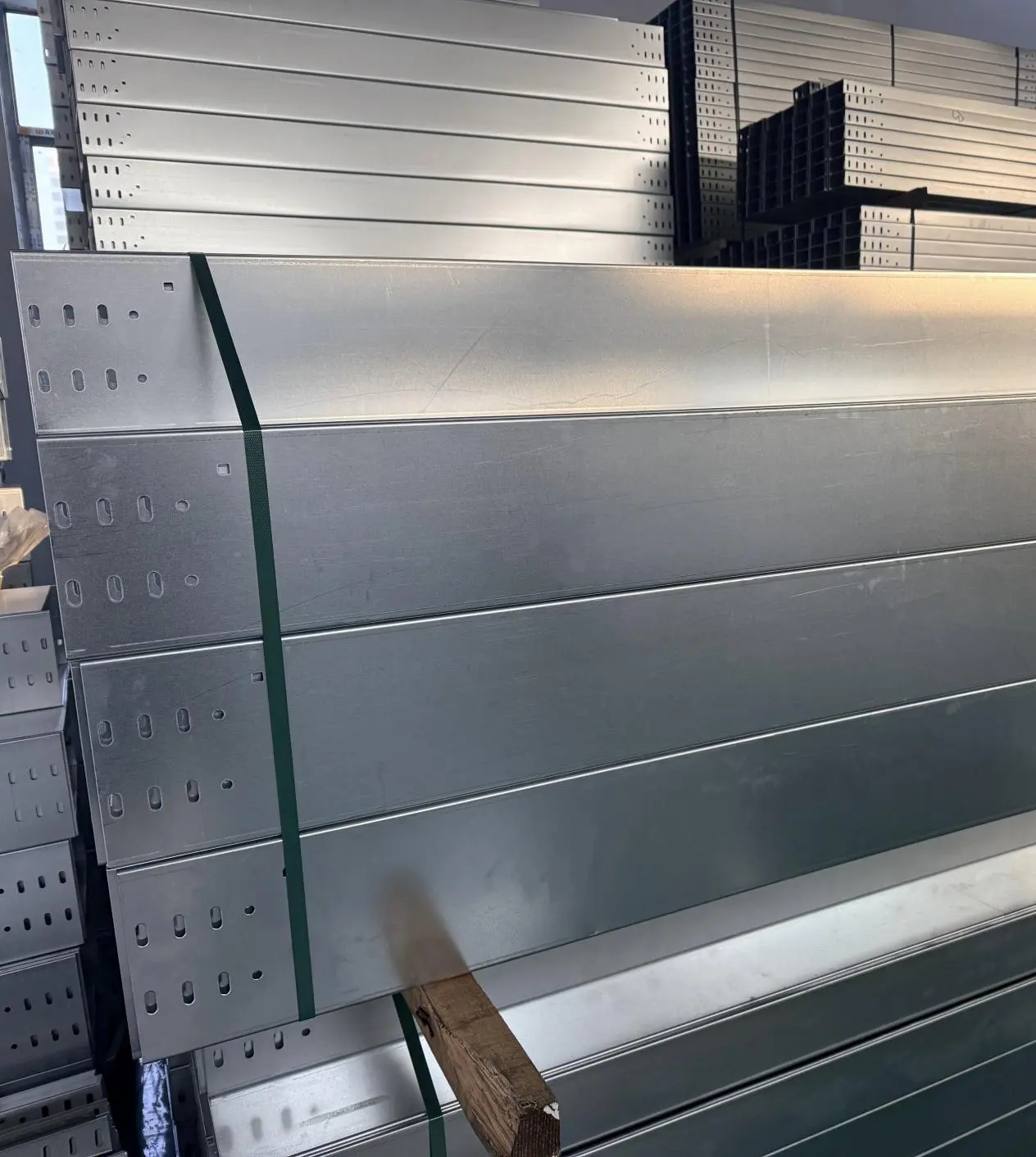

Cable Trays in Data Centers: Efficient Layouts for Optimized Heat Dissipation
Understanding the Thermal Challenges in Data Centers
The Role of Cable Management in Heat Generation
In a data center’s high-stakes environment, cable infrastructure is often overlooked as a source of thermal stress. As power consumption intensifies, the thermal output from these cable bundles becomes non-negligible, contributing to increased cooling demands.
How Poor Layouts Can Create Hotspots and Airflow Blockage
Disorganized cabling not only looks chaotic—it disrupts designed airflow paths, especially in environments utilizing hot/cold aisle containment. Improper tray positioning or overfilled Cable Trays can lead to stagnant air pockets and localized overheating. These hotspots strain cooling systems and heighten the risk of equipment failure, jeopardizing uptime.
Types of Cable Trays Suitable for Data Centers
Ladder, Perforated, and Wire Mesh Trays: Pros and Cons
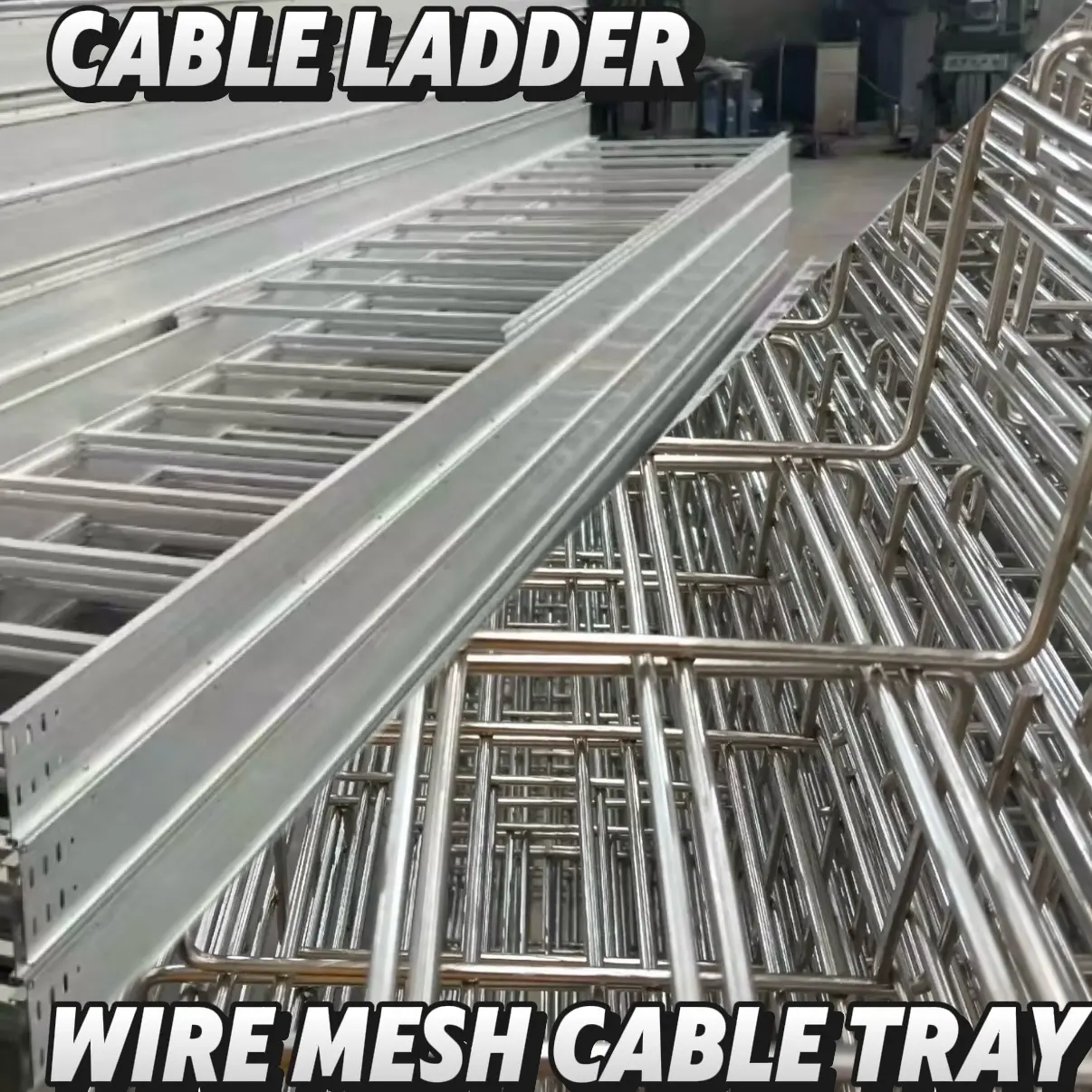
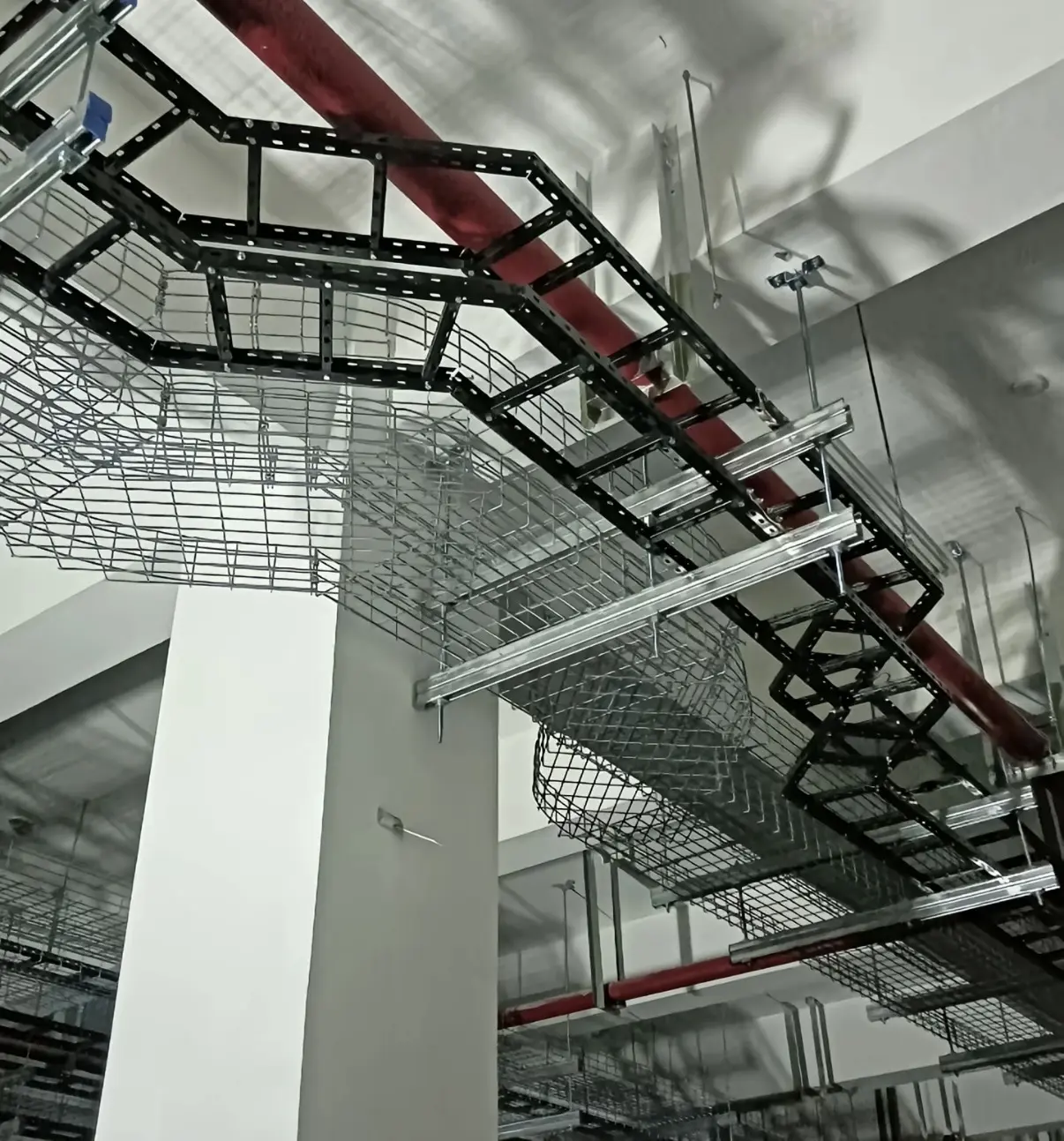
Ladder trays, known for their structural rigidity and open design, are ideal for promoting ventilation. Perforated trays offer some airflow support while providing more surface area for Cable Support.Wire mesh trays, though lightweight and adaptable, can pose challenges in maintaining consistent cable separation. Each type presents trade-offs between airflow, accessibility, and load-bearing performance.
Material Selection for Thermal Conductivity and Durability
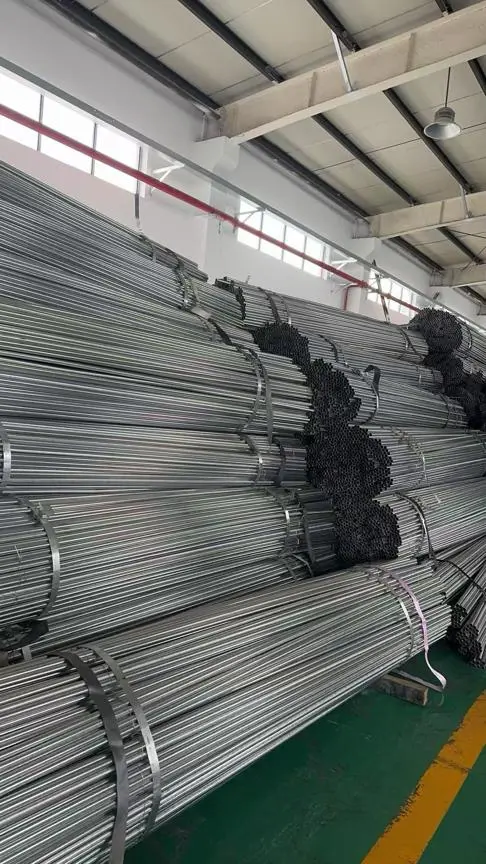
Aluminum, with its superior thermal conductivity, effectively dissipates heat and is corrosion-resistant, making it a preferred material in mission-critical spaces. Galvanized steel offers strength and cost efficiency but may retain more heat. Stainless steel, though thermally neutral, adds longevity in harsh environments. The material decision directly impacts long-term thermal stability.
Non-Metallic vs. Metallic Trays in Heat Management
While non-metallic trays resist corrosion and are lightweight, they are generally less effective at dissipating heat compared to metallic alternatives. In thermally intense zones, metallic trays serve a dual role—supporting cabling and passively transferring heat away from clustered conductors. The choice must align with the thermal and structural demands of the installation.
Designing Cable Tray Layouts for Maximum Heat Dissipation
Strategic Tray Placement to Avoid Airflow Interference
Trays should be routed in tandem with the facility’s airflow design—never against it. Avoid traversing return paths or obstructing cooling zones. Placing trays above hot aisles and away from return plenums ensures uninterrupted circulation of conditioned air.
Vertical vs. Horizontal Routing: Impact on Thermal Dynamics
Horizontal runs tend to accumulate more heat due to broader cable surfaces exposed to warm air. Vertical routes can act as passive chimneys, aiding convection when planned correctly. Blending vertical and horizontal layouts with consideration of heat stratification can substantially improve thermal profiles.
Integration with HVAC and Cooling Systems
Synergizing Cable Tray Layouts with Hot/Cold Aisle Containment
Effective containment strategies rely on airflow predictability. Misplaced trays can compromise aisle integrity by creating bypass zones or mixing hot and cold streams. Proper alignment of cable trays preserves thermal zoning and enhances cooling efficiency.
How Raised Floor and Overhead Cooling Designs Affect Tray Planning
Raised floor systems necessitate cautious underfloor tray routing to prevent cold air shadowing. In contrast, overhead cooling schemes offer more freedom but demand careful elevation planning to maintain clearance above cable trays and avoid heat pockets. Tray layouts must align with the cooling topology.
Best Practices for Cable Density and Bundling
Using Spacing, Partitioning, and Layering Techniques
Intentional spacing between cables reduces thermal entanglement. Partitioned trays and multi-tiered layering approaches allow heat to escape laterally and vertically. These structural techniques support thermal stratification control and cable management clarity.
Color Coding and Labeling to Enhance Efficiency and Maintenance
Organized labeling and color coding reduce human error, minimize access time, and prevent accidental disturbance of cables in live systems. Quick identification streamlines maintenance and reduces downtime, while also limiting heat exposure during servicing.