China Top Splicing Metal Studs Manufacturers and Suppliers
China has become a major sourcing base for Splicing Metal Studs used in partition walls, ceilings, and lightweight framing systems. However, supplier selection requires more than comparing unit prices. Product consistency, steel thickness, joining accuracy, corrosion resistance, and packaging quality can affect installation speed and project safety.
Construction materials specialist Dr. Wei Chen explains, “A reliable metal stud begins with controlled steel quality, not an attractive catalog.” This practical view reflects real jobsite experience. A stud may look precise under warehouse lighting, yet fail during assembly if its slots, edges, or connectors vary. Small deviations create visible wall movement. They also increase cutting, rework, and material waste.
This guide examines leading Chinese manufacturers and suppliers of Splicing Metal Studs. It considers factory capability, production equipment, inspection procedures, export experience, and technical support. Readers can compare galvanized steel grades, custom dimensions, connection methods, and order flexibility. Clear evidence matters more than impressive promises.
Some suppliers provide excellent samples but weaker batch control. That deserves attention. Others offer low prices while giving limited installation guidance. A careful buyer should request test reports, dimensional data, coating specifications, and recent project references. Factory audits can reveal details that websites hide, including storage conditions and quality records.
The strongest supplier is not always the largest one. It is the company that communicates clearly, documents its process, and corrects mistakes quickly. This overview aims to support informed sourcing decisions, while recognizing that regional standards and project conditions still require professional verification.
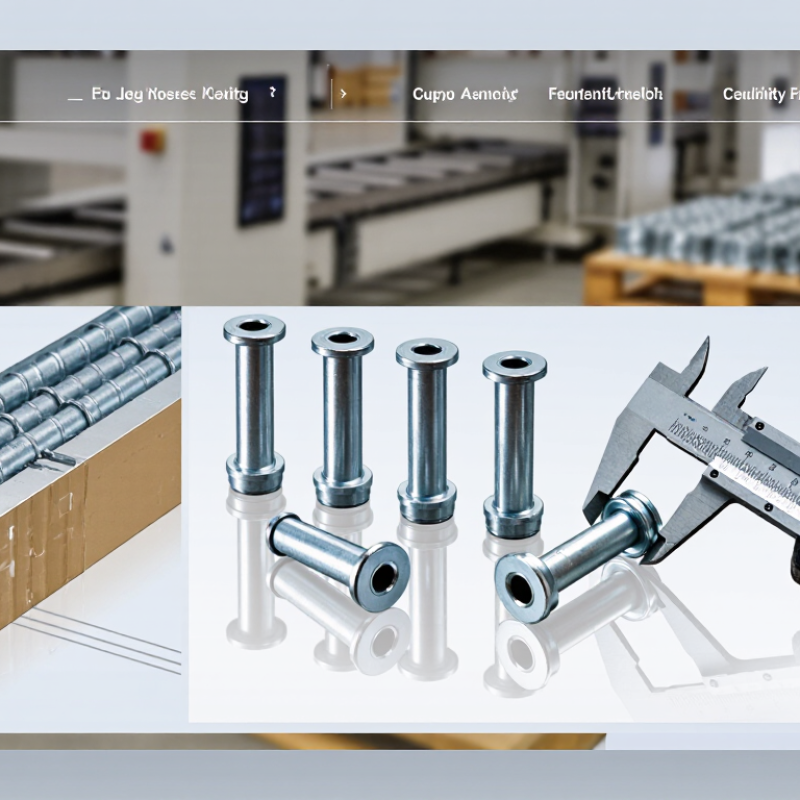
Metal Stud Basics: 0.455–1.20 mm Steel and ASTM C645 Requirements
Metal studs are often described by gauge, but thickness gives a clearer technical reference.
For nonstructural framing, ASTM C645 commonly recognizes a minimum base-metal thickness of 0.455 mm. Heavier profiles may reach 0.60, 0.75, 0.90, or 1.20 mm. The thicker range can improve screw holding and resistance to handling damage. It does not automatically prove structural suitability.
Check the steel coil certificate.
ASTM C645 also addresses dimensions, shape, and corrosion-resistant protection. Suppliers should provide measured thickness, coating information, steel grade, and production traceability. A digital caliper can quickly compare the delivered stud with the purchase specification. Small variations matter when splicing members or aligning tracks.
However, ASTM C645 alone does not define every splice detail. Connection spacing, overlap length, fastener type, and load requirements should follow the project design and applicable cold-formed steel standards.
Market context also matters.
World Steel Association data reported approximately 1.89 billion tonnes of crude steel production worldwide in 2023. Large output does not guarantee consistent framing quality. Factory controls still determine whether a 0.455 mm stud remains reliable after roll forming.
Some product descriptions sound more certain than the evidence allows. That deserves scrutiny. For China-based manufacturers and suppliers, buyers should request inspection records, sample measurements, coating tests, and third-party verification before approving production. A clean surface helps. It is not enough.
Quality Checks: Z120–Z275 Coatings, 275 MPa Yield Strength, and Tolerances
China’s leading splicing metal stud manufacturers and suppliers should treat quality checks as production evidence, not sales language. A practical inspection begins with the coating. Z120, Z180, and Z275 indicate different zinc coating masses, so the selected grade must match the project environment. Inspectors should review mill certificates and verify coating thickness at several points, not only on a clean edge.
A dependable production team also checks mechanical performance. The steel should reach a minimum yield strength of 275 MPa when the specification requires it. Tensile test reports provide useful evidence, but sampling must represent the actual batch. One perfect specimen proves little. I have seen paperwork look complete while mixed coils created inconsistent results.
Dimensional tolerances matter during assembly. Use calibrated calipers to check stud width, flange depth, length, and splice alignment. Measure several pieces from each bundle, including the first and last units. A 1 mm variation may seem harmless, yet repeated gaps can weaken a connected frame or slow installation. Hole spacing and edge straightness deserve attention too. Small defects multiply.
Visual checks remain valuable. Look for bare steel, flaking zinc, sharp burrs, and crushed ends. However, visual inspection cannot replace testing. Records should identify the coil, batch, inspector, instrument, and date. Traceability supports reliable decisions. It also exposes weak habits that deserve correction.
Quality Benchmarks for Splicing Metal Studs
Zinc coating designations are shown by nominal total coating mass on both sides, while the line indicates a 275 MPa yield-strength reference for structural steel grades.
Z120, Z180, and Z275 represent nominal zinc coating masses of 120, 180, and 275 g/m² respectively, typically specified under EN 10346. The 275 MPa value is a yield-strength benchmark and must be verified against the selected steel grade. Final acceptance should also confirm applicable dimensional, coating-mass, and mechanical-property tolerances in the purchase standard.
Purchasing Guide: Compare Load Ratings, Prices, Certifications, and Warranty Terms
When sourcing splicing metal studs, compare engineering data before comparing catalog prices. A reliable supplier should state the stud gauge, steel grade, splice length, and tested load rating. Ask whether the rating covers axial, lateral, or combined loads. Those conditions matter on a real wall. Request signed test reports, quality-control records, and certification scopes matching the supplied product. A certificate without product traceability is weak evidence.
Price comparisons should use the same thickness, coating, packaging, and delivery terms. A cheaper quote may exclude connectors, tooling, inspection, or replacement pieces. Check sample dimensions with calipers, then compare them with approved drawings. For warranty review, identify coverage duration, corrosion exclusions, claim procedures, and response times. Written commitments are safer than sales assurances. Field purchasing shows that small details often decide installation speed. Still, no checklist is perfect. Site conditions can expose assumptions hidden in laboratory ratings.
Tips:
Compare at least three equivalent quotations. Keep one physical sample for incoming inspection. Confirm batch numbers on cartons. Ask for a written load calculation and installation guide. If the supplier avoids clear answers, pause the order. That hesitation can save rework.