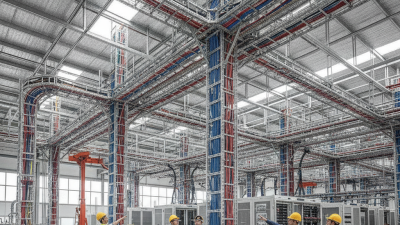
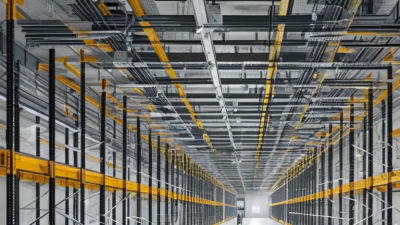
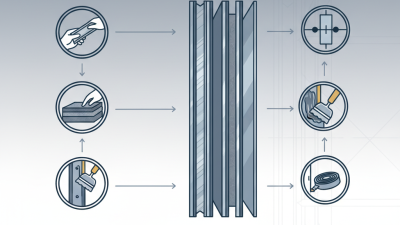
Global buyers are paying closer attention to cable support systems as power networks, data centers, and industrial facilities expand. The International Energy Agency’s Electricity 2025 report estimates that global electricity demand grew by 4.3% in 2024. That figure does not measure cable ladder sales, but it signals rising pressure on electrical infrastructure. In a plant room, the difference can be tangible: heavier cable bundles, tighter routes, and less room for maintenance access.
Choosing a Cable Ladder supplier is therefore more than comparing price lists. Buyers need to assess load capacity, material and finish options, dimensional consistency, documentation, delivery performance, and technical support. IEC 61537 provides requirements and test methods for cable tray and cable ladder systems. It offers a useful benchmark, though compliance alone cannot confirm that a product suits every project. Check the specified span, loading conditions, corrosion exposure, and installation details against the manufacturer’s data.
Details matter.
This guide introduces ten suppliers serving international buyers and highlights practical points for comparing them. Company reach and product range can change, so procurement teams should verify current specifications, certificates, and local support directly. A polished catalogue is not proof of dependable supply. Nor is the lowest quote always the lowest-cost choice; replacement work can quickly outweigh an initial saving. The comparison is a starting point, not a substitute for project engineering. One limitation remains: public supplier information rarely makes every performance difference easy to verify.
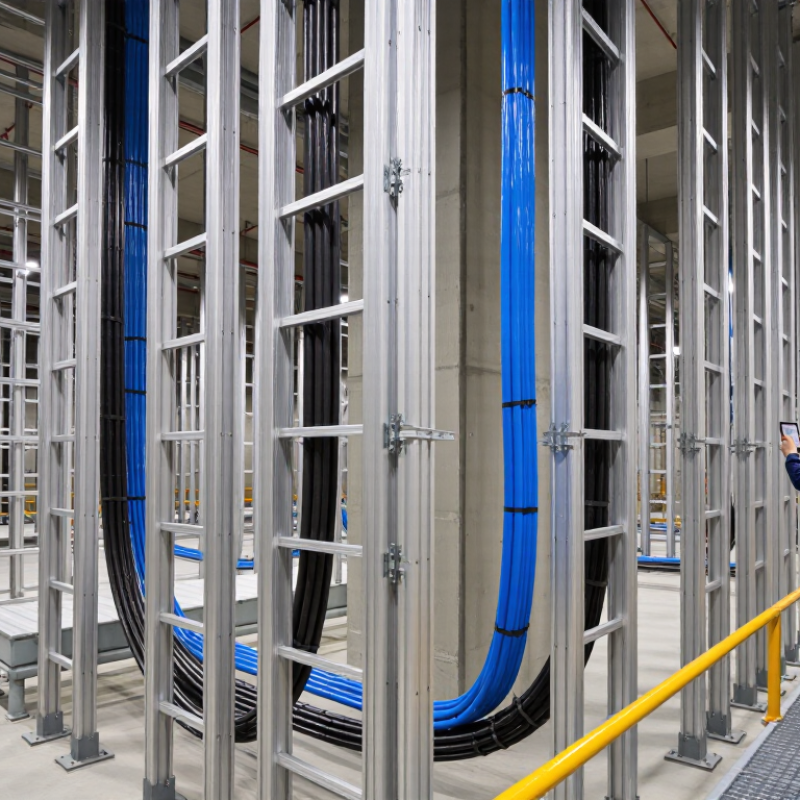
Cable ladder suppliers do more than ship metal side rails and rungs. A capable supplier helps global buyers match ladder width, rung spacing, load rating, material, and finish to the installation. That means checking cable weight, support spans, indoor or outdoor exposure, and available clearance before selecting a system. Small details matter.
A 300 mm ladder may fit the drawing but leave too little room for future circuits.
Suppliers may also provide bends, tees, reducers, covers, splice plates, engineering drawings, load data, and packing lists for export shipments. Ask for test documentation and installation guidance, not just a quotation.
The International Energy Agency’s Electricity 2024 report projects data-centre electricity consumption could reach about 945 TWh by 2030, more than double its 2022 level. This growth increases pressure on power infrastructure, where cable routing needs to remain accessible and organized.
Still, a polished drawing cannot reveal every site constraint. Confirm dimensions and support locations with the installation team; this step is easy to underestimate.
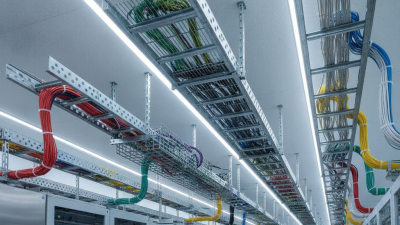
How to Evaluate Cable Ladder Suppliers
A growing market makes supplier checks more important, not less. Grand View Research estimated the global cable management market at about USD 23.4 billion in 2023, with continued growth projected through 2030. This is a broad category, not cable ladders alone, but it signals expanding demand and more varied product claims. Ask suppliers for load tables that match your span, rung spacing, and installation orientation. A ladder holding cables in a warehouse may behave differently on a long, vibrating industrial run. Check whether test records identify the exact material, finish, and configuration. A polished brochure is not a test record.
Use IEC 61537 as a technical reference for cable tray and ladder systems, including mechanical testing and load performance. Request test documentation, dimensional drawings, and material certificates, then compare them with the project specification. For outdoor or coastal sites, ask how the finish was tested and what maintenance it needs. Inspect sample welds, cut edges, and splice plates; small defects can complicate field assembly. Also verify packaging, lead times, and replacement-part availability. These details matter.
Not just price. A fair comparison includes total installed cost, since extra supports or adapters can erase an apparent saving. Ask the supplier to explain any difference between published capacity and tested capacity. If the answer stays vague, pause. Even experienced buyers miss this sometimes. One limitation: market forecasts describe demand, not product quality, so procurement decisions still need project-specific evidence.
When comparing suppliers, request coating inspection records and confirm the applicable standard and project specification. These ISO 1461 values are minimum average thicknesses; local minimum requirements also apply.
Global buyers comparing the top 10 cable ladder suppliers should look beyond catalog photos. A strong supplier can provide clear load data, material specifications, and drawings that match the intended installation. Ask how rung spacing, side-rail thickness, and surface finish are checked during production. Small details matter. A ladder installed near a coastal site may need different corrosion protection from one used in a dry indoor plant.
Compare suppliers using the same project brief. Include span length, cable load, support spacing, accessories, and delivery destination. Then review sample inspection records and request a quotation with packaging and lead-time details. Ask whether the supplier can produce consistent dimensions across repeat orders. A polished sample is useful, but it does not prove every shipment will match. Remote factory audits and third-party inspections can help, though they add time and cost.
The best shortlist may include manufacturers with different strengths: some offer broad product ranges, while others focus on custom fabrication or export support. Check whether technical responses are specific, not simply fast. Confirm that installation guidance and product documents are available in a language your team can use. I would not rank suppliers by price alone; still, comparing offers is harder when specifications are vague. Keep that uncertainty visible in the evaluation rather than hiding it in a score.
Top 10 Cable Ladder Suppliers for Global Buyers?
Comparing Supplier Products, Standards, and Service
A cable ladder may look simple, but its design affects installation time and long-term support. Compare rung spacing, side-rail depth, material, and available fittings. A ladder carrying heavy power cables may need a different load rating from one used for lighter control wiring. Ask for load-test data and check the stated span between supports. Details matter.
Standards and documentation deserve equal attention. Request material certificates, dimensional drawings, coating details, and test reports relevant to your project. Confirm that the supplier can explain how its products meet the standards specified in your project documents. Do not assume that similar product names mean identical performance. They may not. Clear traceability also helps site teams identify replacement sections later.
Tips: Send suppliers the same project details, including cable weight, support spacing, environment, and delivery location. Compare quotations line by line, not just by price. Check stock, lead times, packaging, and technical response times. A quick reply is useful, but a vague answer about corrosion protection or load capacity should prompt another question. Even careful comparisons leave uncertainties; document assumptions before ordering.
| Supplier profile | Typical product focus | Common material / finish options | Standards to verify | Service considerations |
|---|---|---|---|---|
| Large-scale metal systems supplier | Ladder runs, bends, tees, reducers, and accessories for industrial installations | Pre-galvanized steel, hot-dip galvanized steel, stainless steel, or coated steel | IEC 61537; NEMA VE 1 where specified; confirm the exact product and test scope | Check load-span data, accessory compatibility, production capacity, and export packaging |
| Project-engineering specialist | Project-specific routing, fittings, supports, and coordinated system layouts | Material and finish selected to suit the project environment | IEC 61537 and project specifications; NEMA VE 2 provides installation guidance | Ask about drawing review, take-offs, technical submittals, and revision control |
| Hot-dip galvanized steel specialist | Steel ladder systems with zinc coating for corrosion protection | Fabricated steel with hot-dip galvanized finish; coating details depend on product and process | IEC 61537; ASTM A123/A123M or ISO 1461 may apply to hot-dip galvanized coatings when specified | Verify coating requirements, inspection records, repair methods, and suitability for the site atmosphere |
| Stainless-steel systems supplier | Ladders and fittings for corrosive, hygienic, or demanding environments | Common options include stainless steel grades 304 and 316; confirm grade and finish | IEC 61537; material grade and any project-specific corrosion requirements | Request material certificates, fabrication details, and guidance on site-specific corrosion risks |
| Aluminum cable-support supplier | Lightweight ladder systems for applications where reduced system weight is useful | Aluminum alloys and finishes vary by manufacturer and application | IEC 61537 where applicable; verify alloy, load data, and project requirements | Compare published load tables, support spacing, joining methods, and compatibility with other metals |
| Regional stock-and-distribution supplier | Standard ladder lengths, common fittings, and locally stocked accessories | Typically offers a subset of steel, galvanized, or other locally specified options | Check product documentation against IEC 61537, NEMA VE 1, or the governing project specification | Confirm inventory, lead times, local delivery, replacement parts, and documentation availability |
| Custom-fabrication supplier | Non-standard dimensions, special fittings, and project-specific fabrication | Material and finish depend on the approved design and operating environment | Agree on applicable system standards and inspection criteria before production | Review sample approval, tolerances, quality records, tooling needs, and change-order procedures |
| Offshore and marine applications supplier | Cable-support systems selected for marine or exposed environments | Often considers stainless steel, suitable coated steel, or aluminum, subject to project design | IEC 61537 and applicable marine or project requirements; verify approvals for the specific installation | Check corrosion design basis, fastening materials, documentation, and delivery to remote sites |
| Data-center and commercial-project supplier | Standardized ladder routes and fittings for building and infrastructure projects | Finish and material are selected according to indoor conditions and project specifications | IEC 61537 or other standards specified by the design team; confirm the tested configuration | Evaluate BIM/CAD files, coordination support, labeling, and phased delivery options |
| Value-focused project supplier | Cost-conscious standard ladder systems and commonly used fittings | Options vary; compare base material, coating, and supplied accessories rather than price alone | Request evidence for the exact products against the specified standard; do not assume all products are certified | Compare total landed cost, quality documentation, warranty terms, lead time, and after-sales support |
Buyer note: These are supplier profiles, not named-company rankings. Standards and material options are not automatically applicable to every product; request current documentation and confirm requirements for the destination market and project.
Key Considerations for International Sourcing
Choosing a cable ladder supplier takes more than comparing prices. Start with the project drawings, required load capacity, support spacing, and installation environment. A ladder installed near the coast may need stronger corrosion protection than one used indoors. Confirm material grade, finish, rung spacing, and accessory compatibility in writing. Small differences matter.
For international orders, ask suppliers for current technical data sheets, inspection records, and clear packaging details. Check whether dimensions and load ratings match your project requirements, rather than relying on a product photo. Shipping can also affect the decision: oversized sections may increase freight costs or arrive with bent rails. Request sample pieces when practical, and inspect joints, edges, and finish quality. A sample is useful, but it cannot reveal every production issue.
Tips: Compare quotations on the same specification. Ask how the supplier handles changes, defects, and replacement parts. Confirm lead times against your construction schedule, allowing room for port delays. Keep communication in writing. One point worth reconsidering: the lowest quote may still be the right choice, but only if its documentation, packaging, and quality checks are convincing.