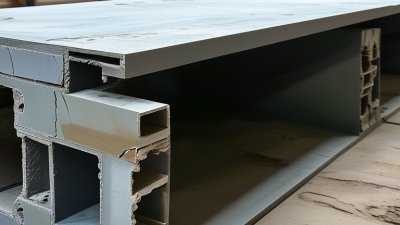
Top 10 Molded Cable Tray Manufacturers in the World
The global demand for durable electrical infrastructure is reshaping the Molded Cable Tray market. Manufacturers now compete on corrosion resistance, load capacity, fire performance, installation speed, and lifecycle value. A tray may sit above a factory floor for decades, exposed to moisture, chemicals, vibration, and changing cable loads. Small design choices can create major maintenance differences.
Electrical engineer and cable-management specialist John W. Toole has often stressed, “A cable tray system is only as dependable as its design, support, and installation.” That principle gives this ranking its direction. The leading manufacturers are not judged by product appearance alone. Their engineering data, material consistency, testing practices, installation guidance, and field reputation matter more.
This overview examines ten influential Molded Cable Tray manufacturers worldwide. It considers molded fiberglass and composite systems used in industrial plants, renewable-energy facilities, transportation projects, data centers, and marine environments. Important details include resin quality, ultraviolet resistance, fittings, bonding methods, and support spacing. These details are easy to overlook.
Performance is not identical everywhere. A tray that works well in a dry utility room may struggle near saltwater or aggressive chemicals. Some published claims also deserve closer review. Marketing language can sound stronger than field evidence. Therefore, this guide compares available technical information with practical installation concerns, while recognizing that regional standards and project specifications vary. The ranking is informative, not absolute. Real-world results still depend on engineering judgment, proper installation, and disciplined inspection.
What Molded Cable Trays Are and Where They Are Used
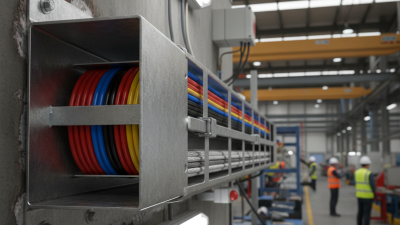
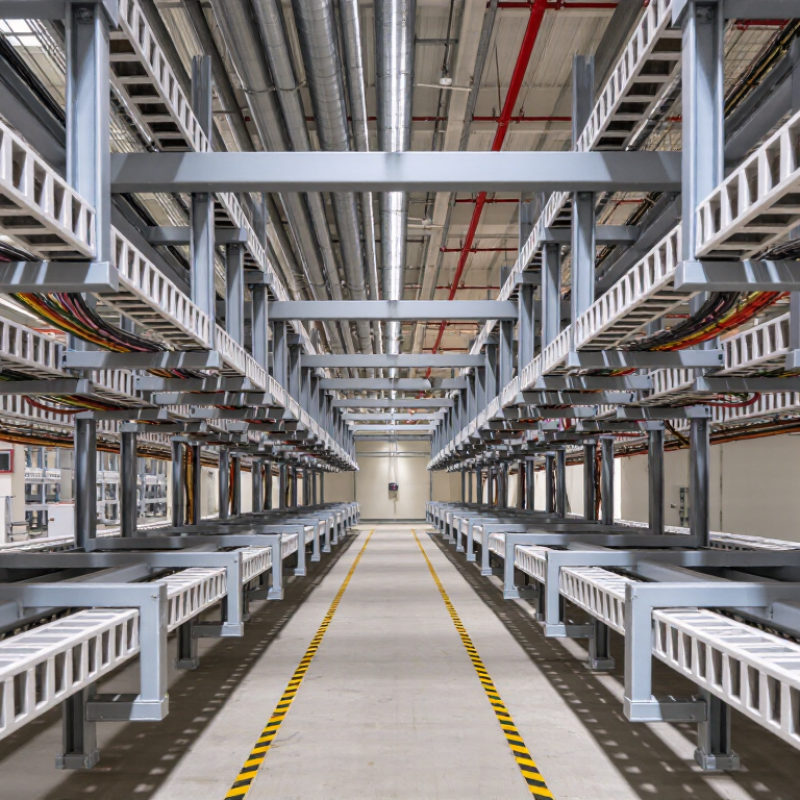
Molded cable trays are rigid cable-support systems formed from fiberglass-reinforced plastic or other composite materials. They hold power, control, and data cables above floors, walls, or process equipment. Unlike steel trays, molded systems resist rust, moisture, salt spray, and many industrial chemicals. They also provide electrical insulation, which can reduce accidental current paths.
These trays appear in wastewater plants, offshore facilities, tunnels, solar farms, and chemical-processing areas. Their smooth surfaces reduce cable abrasion, while open drainage helps prevent standing water after cleaning. A 2024 Grand View Research assessment placed the global cable-management market at more than USD 23 billion in 2023. This wider market includes trays, conduits, and accessories, so it does not measure molded trays alone. Still, the figure reflects growing demand for organized infrastructure in data centers, factories, and energy projects. In practice, engineers must check load capacity, span distance, fire performance, and temperature limits. One overlooked detail can create expensive maintenance work later.
Tips: Match the tray resin to the environment. Use corrosion data, not appearance, when selecting materials. Check IEC 61537 or applicable local standards before installation. Leave space for future cables, but avoid excessive empty capacity. My field observation is simple: molded trays are light and clean to install, yet cutting errors are difficult to hide. A careful layout matters.
What Molded Cable Trays Are and Where They Are Used
Molded cable trays are cable-support systems manufactured from corrosion-resistant polymeric materials, including PVC, CPVC, and fiber-reinforced plastic (FRP). The chart compares typical continuous service-temperature ratings for commonly used molded tray materials. Actual limits depend on the specific product, load, chemical exposure, and installation conditions.
Common Applications
Molded cable trays are commonly used in wastewater treatment plants, chemical-processing facilities, offshore and marine installations, power-generation sites, telecommunications infrastructure, tunnels, and outdoor industrial plants. FRP trays are selected where corrosion resistance, low maintenance, electrical insulation, and resistance to moisture or chemicals are important. PVC and CPVC systems are typically used for lighter-duty cable routing and environments where their temperature and chemical-resistance limits are suitable.
How the Top Manufacturers Are Evaluated
Top 10 Molded Cable Tray Manufacturers in the World
How the Top Manufacturers Are Evaluated
Evaluating molded cable tray manufacturers requires more than comparing catalog prices. Experienced buyers examine resin quality, fiber reinforcement, dimensional accuracy, and resistance to moisture, chemicals, heat, and ultraviolet exposure. A reliable tray should keep its shape under realistic cable loads, not only pass a short laboratory test. Inspectors may check wall thickness at several points, inspect drilled openings, and review production records for each batch. Small variations can create serious installation problems.
Testing evidence matters. Strong manufacturers provide load-span data, flame performance results, corrosion testing, and clear installation instructions. Their documents should identify test methods, sample conditions, and revision dates. Vague claims deserve careful questioning. Factory experience also appears in practical details, such as stable mold temperatures, clean surfaces, consistent hole patterns, and protective packaging that prevents corner damage during transport.
Evaluation should include field performance and support. Reviewers can ask for non-confidential project references, response times, replacement procedures, and evidence of traceable quality control. Total cost includes labor, supports, cutting tools, maintenance, and service life. The lowest quotation may become expensive after repeated repairs. Still, no scoring system is perfect. Laboratory results may not reflect poor site handling or unusual cable arrangements. I would leave room for engineering judgment, because real installations often expose weaknesses that spreadsheets miss.
Top 10 Molded Cable Tray Manufacturers Worldwide
Top 10 Molded Cable Tray Manufacturers Worldwide represent a demanding manufacturing field, not merely a list of familiar suppliers. The strongest producers combine glass-reinforced polymer expertise, controlled molding, and dependable quality records. Their trays must resist moisture, corrosion, ultraviolet exposure, and repeated loading in difficult installations. Factory experience matters here. A smooth surface is useful, but dimensional stability matters more.
When comparing these ten manufacturers, engineers should examine resin specifications, reinforcement content, flame performance, load tables, and support spacing guidance. Independent laboratory reports can strengthen confidence, especially when testing reflects local temperature and humidity conditions. Look for traceable production batches and clear inspection procedures. Ask difficult questions. Can the tray be cut without excessive dust? Do covers remain secure after thermal cycling? Are replacement sections available years later? These details reveal operational maturity better than polished advertising.
A worldwide ranking should also consider delivery consistency, technical service, customization, and documented field experience. Strong manufacturers provide installation drawings, torque guidance, joining hardware, and practical training. They explain limits instead of promising universal performance. That honesty matters. No ranking is perfect, because project conditions vary sharply between offshore platforms, tunnels, factories, and commercial buildings. My assessment would favor verified evidence over market visibility. A lesser-known producer may outperform a famous one on a specific route, especially when local support reduces installation errors and delays.
How to Select the Right Molded Cable Tray Manufacturer
Selecting the right molded cable tray manufacturer starts with your operating environment, not a catalog photograph. Define cable weight, support span, temperature range, sunlight exposure, and chemical contact. In coastal plants, salt spray can weaken unsuitable resin systems and hardware. For factories, request load tables, deflection limits, fire-performance data, and dimensional tolerances. A reliable supplier explains test methods instead of offering vague claims. Ask whether production uses controlled molding pressure, consistent curing, and documented inspections. Traceability matters when a tray cracks months after installation. Require batch records, material certificates, and samples matching the proposed specification. Those details reveal more than a polished sales presentation.
Tips: Send the same drawing to three manufacturers. Compare load data, lead times, replacement support, and warranty terms. Ask for a cut section. Inspect fiber distribution, edges, holes, and surface finish. Do not judge quality by weight alone. A heavier tray may still use poor resin. Keep one sample for future checks.
Price deserves attention, but it should not dominate selection. A low quote may hide thinner walls, uncertain testing, or expensive field modifications. Visit the facility when possible. Observe storage, mold cleanliness, inspection records, and packing protection. No checklist is perfect. I would still verify one installed sample under real conditions, because laboratory confidence can miss awkward supports, wet dust, or rushed installation.
Top 10 Molded Cable Tray Manufacturers in the World - How to Select the Right Molded Cable Tray Manufacturer
| Rank |
Manufacturer ID |
Primary Market Region |
Molded Tray Material |
Common Standards |
Typical Load Class |
Typical Width Range |
Operating Temperature |
Corrosion Protection |
Best-Fit Application |
Selection Priority |
| 1 |
Manufacturer A |
North America |
FRP/GRP molded composite |
NEMA VE 1; IEC 61537 |
Light to heavy duty |
100–900 mm |
Approximately −40°C to 120°C |
High resistance to moisture, salt spray and chemicals |
Industrial plants and outdoor infrastructure |
Load capacity and corrosion resistance |
| 2 |
Manufacturer B |
Western Europe |
Fire-retardant FRP/GRP |
IEC 61537; EN 61537 |
Medium to heavy duty |
100–600 mm |
Approximately −30°C to 110°C |
UV-stabilized and low-smoke resin options |
Commercial buildings and transport facilities |
Fire performance and dimensional accuracy |
| 3 |
Manufacturer C |
East Asia |
Glass-reinforced thermoset composite |
IEC 61537; ISO 9001 production control |
Light to medium duty |
50–600 mm |
Approximately −20°C to 100°C |
Good resistance to humidity and industrial chemicals |
Factories and equipment rooms |
Cost efficiency and delivery capacity |
| 4 |
Manufacturer D |
Middle East |
UV-resistant FRP/GRP |
NEMA VE 1; IEC 61537 |
Medium to heavy duty |
100–900 mm |
Approximately −20°C to 130°C |
Enhanced UV and sand-resistant surface |
Solar installations and oil and gas facilities |
Outdoor durability and thermal stability |
| 5 |
Manufacturer E |
Northern Europe |
Low-smoke halogen-reduced FRP |
EN 61537; IEC 61537 |
Light to medium duty |
75–450 mm |
Approximately −40°C to 100°C |
Moisture-resistant with low-smoke formulations |
Data centers and public buildings |
Fire safety and cable accessibility |
| 6 |
Manufacturer F |
Southeast Asia |
Pultruded and molded FRP systems |
IEC 61537; ASTM-related testing |
Medium duty |
100–750 mm |
Approximately −20°C to 110°C |
Suitable for humid and coastal environments |
Marine facilities and wastewater plants |
Saltwater resistance and installation flexibility |
| 7 |
Manufacturer G |
Australia and Oceania |
UV-stabilized fiberglass composite |
IEC 61537; AS/NZS project specifications |
Medium to heavy duty |
100–600 mm |
Approximately −30°C to 120°C |
High UV and weather resistance |
Mining, utilities and remote sites |
Long service life and reduced maintenance |
| 8 |
Manufacturer H |
Latin America |
General-purpose FRP/GRP |
IEC 61537; local electrical codes |
Light to medium duty |
50–600 mm |
Approximately −10°C to 100°C |
Resistance to humidity and moderate chemicals |
Commercial, industrial and infrastructure projects |
Local support and replacement availability |
| 9 |
Manufacturer I |
South Asia |
Molded fiberglass composite |
IEC 61537; ISO 9001 quality systems |
Light to medium duty |
50–450 mm |
Approximately −10°C to 90°C |
Basic chemical and moisture resistance |
Building services and indoor electrical rooms |
Price, standard sizes and lead time |
| 10 |
Manufacturer J |
Africa and Global Projects |
Heavy-duty fire-retardant FRP |
NEMA VE 1; IEC 61537 |
Medium to heavy duty |
100–900 mm |
Approximately −20°C to 120°C |
High resistance to dust, moisture and corrosive atmospheres |
Energy, mining and large infrastructure projects |
Project engineering and site-service capability |
Data note: The manufacturer identifiers are intentionally anonymized. Technical values represent commonly published specification ranges for molded FRP/GRP cable tray systems and should be confirmed against the current product datasheet, project load calculations, fire requirements, environmental conditions and applicable local regulations before purchase.