Choosing the right Molded Cable Tray manufacturer affects safety, installation time, and long-term maintenance. A tray may look simple, yet its resin system, reinforcement, load capacity, and connection design can change project performance. Outdoor substations, tunnels, factories, and data centers demand different solutions.
Mike Holt, a respected electrical-training expert, often emphasizes, “Safety is not expensive; accidents are.” That principle applies directly to cable-support systems. The lowest quotation may hide weaker fittings, uncertain testing, or limited technical support. It may also create expensive field adjustments when cable bundles become heavier than expected.
This guide examines the top 10 Molded Cable Tray manufacturers through practical purchasing criteria. We consider material quality, corrosion resistance, fire behavior, dimensional consistency, engineering documentation, customization, delivery reliability, and after-sales service. Manufacturer experience matters, but it should not be accepted blindly. Product evidence matters more.
Some suppliers excel in harsh chemical environments. Others provide stronger load ratings or faster project customization. A few may offer excellent products but weak regional support. That difference becomes visible during installation, when crews need accurate splice plates, clean cut edges, and dependable hardware.
The ranking is not absolute. Project conditions can change the best choice. A coastal plant may prioritize salt resistance, while a commercial building may value speed and appearance. We also recognize an uncomfortable limitation: published specifications do not always reveal field performance. Independent testing, references, and installer feedback deserve careful attention.
With those realities in mind, the following comparison identifies manufacturers that combine technical capability, manufacturing consistency, and credible customer support.
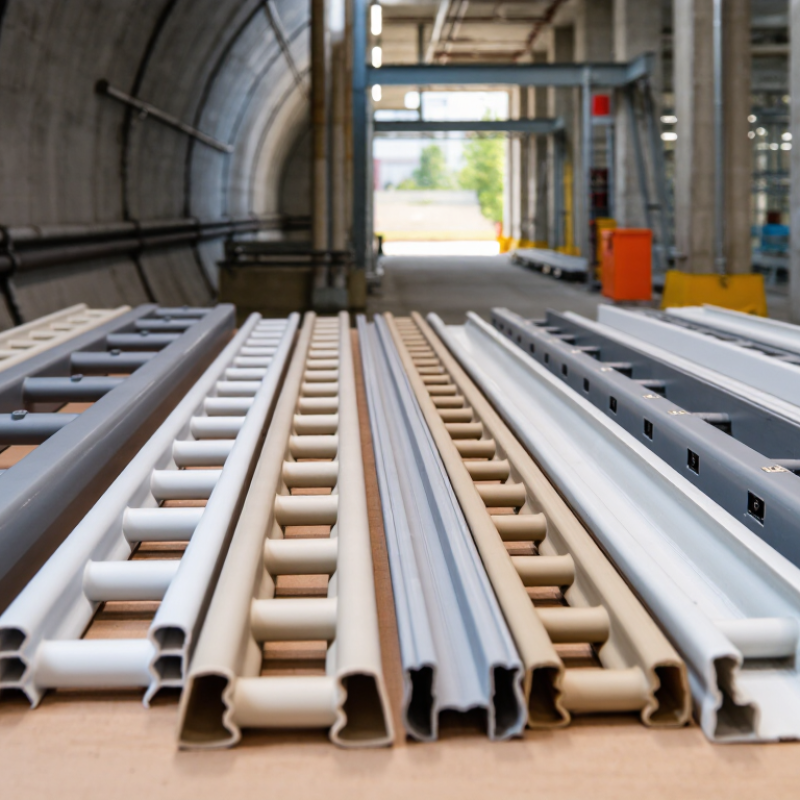
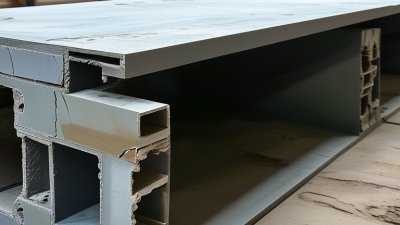
A molded cable tray is a structured support system for electrical and communication cables. It is usually made by shaping resin, fiberglass, or another reinforced composite inside a mold. The result is a lightweight tray with side rails, a base, and regular ventilation openings. Think of it as a stable pathway.
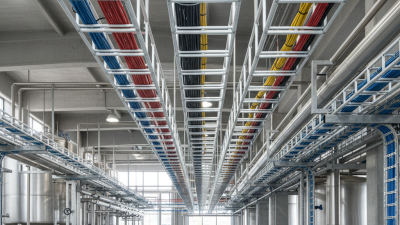
The tray works by carrying cables above floors, ceilings, or equipment areas. Its base distributes cable weight, while the side rails help prevent movement during installation and maintenance. Openings allow air circulation and make cable inspection easier. Installers connect tray sections with joining plates, bolts, or molded connectors. Nonconductive trays do not automatically provide electrical bonding, so the project may need a separate grounding method. This detail is easy to miss.
A practical selection should consider load capacity, support spacing, temperature, moisture, chemicals, fire performance, and ultraviolet exposure. The best manufacturers provide clear test data, installation instructions, and traceable quality records. A reliable supplier should also explain how the tray behaves after years of heat and vibration, not only when it is new. Molded construction can reduce corrosion and handling effort, but it is not universally superior. A poorly selected resin may weaken under heat, and an overloaded tray can deform. That assumption needs checking. Inspect the datasheet, support design, and actual site conditions together before approval.
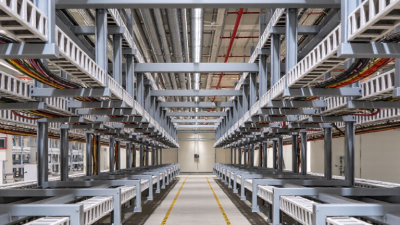
A molded cable tray is a cable-support system commonly produced from fiberglass-reinforced polymer or other corrosion-resistant composite materials. Its molded structure supports and separates power, control, and communication cables while allowing ventilation and easier inspection. The most important selection dimensions include tray width, load capacity, span, side-rail height, and environmental resistance.
The chart shows ten commonly used nominal tray-width options in millimeters. Actual availability, load ratings, and dimensions vary by design standard, installation span, cable weight, and project requirements.
Evaluating the top 10 molded cable tray manufacturers requires more than comparing catalog prices. A reliable review begins with material performance, load capacity, and dimensional accuracy. Engineers should inspect resin quality, reinforcement methods, and resistance to heat, moisture, chemicals, and ultraviolet exposure. Small defects matter. Uneven edges can complicate installation and damage cables.
Independent test reports provide stronger evidence than marketing claims. Reviewers should check flame performance, electrical insulation, corrosion resistance, and long-term mechanical stability. Testing should reflect real conditions, including heavy cable bundles, outdoor sunlight, and temperature changes. Factory experience also matters. Skilled production teams usually maintain tighter tolerances and clearer quality records. However, experience alone proves little without recent inspection data.
A practical evaluation includes customization, delivery consistency, technical support, and replacement procedures. Manufacturers should provide drawings, installation guidance, traceable batch information, and credible warranty terms. Feedback from contractors can reveal problems that laboratory testing misses, such as awkward covers or weak connection points. Lifecycle cost deserves attention too. A cheaper tray may require more supports or earlier replacement. No scorecard is perfect. A polished sample can hide inconsistent production, while a smaller supplier may offer better technical attention. Reviewers should record evidence, identify missing data, and avoid awarding confidence too quickly.
Who are the top 10 molded cable tray manufacturers? Public rankings remain inconsistent because many suppliers report molded products under broader cable management categories. MarketsandMarkets’ 2024 study forecasts strong growth in the global cable management market through 2028, supported by data centers, renewable energy, and industrial automation. Grand View Research also identifies corrosion resistance and lightweight installation as major demand factors. These reports provide context, not a definitive manufacturer list.
A practical top-ten review should examine ten manufacturer profiles: global FRP specialists, regional molding companies, electrical infrastructure producers, data-center suppliers, renewable-energy fabricators, chemical-plant experts, marine-grade manufacturers, custom engineering firms, high-volume exporters, and certified local producers. The strongest candidates usually use fiberglass-reinforced polyester or vinyl ester compounds. They should show tested load ratings, flame performance, ultraviolet resistance, and dimensional consistency. Look for documented testing under IEC 61537 or comparable standards. Traceable resin batches matter. So does field experience.
A manufacturer’s warranty alone proves little. Installation records, independent test reports, and failure data deserve greater weight. Some suppliers publish impressive tensile figures but omit support spacing or temperature limits. That is a warning. Buyers should compare drainage design, cover fit, cutting quality, and delivery reliability. The “top ten” may change by project location and operating environment. This ranking method is imperfect, but it is more dependable than promotional lists.
The top 10 molded cable tray manufacturers differ less in appearance than in engineering depth. MarketsandMarkets estimates that the global cable tray market will grow steadily through 2028, driven by data centers, renewable energy, and industrial construction. This demand rewards manufacturers that can provide consistent resin systems, controlled molding, and documented testing. In field applications, tray stiffness matters when spans reach three meters or more. A tray may look strong, yet sag under cable bundles, heat, and uneven supports.
Product comparison should begin with material performance. Strong manufacturers offer fiberglass-reinforced polyester or vinyl ester systems, UV-resistant surfaces, flame-retardant options, and corrosion resistance for coastal or chemical environments. They should also support standards such as IEC 61537 and NEMA VE 1, where applicable. MarketsandMarkets and Grand View Research both identify corrosion-resistant materials as important growth factors in cable management. That sounds convincing, but reports often group molded and metallic trays together. Buyers should verify the actual test scope.
Capability separates the strongest suppliers. Look for load tables, span calculations, factory quality records, mold flexibility, and replacement-part availability. Some manufacturers provide elbows, tees, covers, and field-cutting guidance, reducing installation time. Others compete mainly on low unit price. That can become expensive when custom tooling, damaged edges, or delayed approvals appear later. Ask for independent test reports, not only catalog claims. Even experienced engineers can overvalue laboratory results; installation quality still decides performance. Small details matter: clean cut edges, accurate bolt holes, and trays that fit the cable route without force.
| Rank | Anonymous Manufacturer Profile | Primary Product Range | Typical Materials | Common Width Range | Typical Load Position | Corrosion Performance | Manufacturing Capability | Standards Commonly Supported | Best-Fit Applications |
|---|---|---|---|---|---|---|---|---|---|
| 1 | Profile A — High-volume composite specialist | Ladder, ventilated-bottom, solid-bottom, and channel trays | Pultruded fiberglass-reinforced polymer; molded fittings | 100–900 mm | Medium to heavy duty | Strong resistance to moisture, salt spray, and many chemicals | Continuous pultrusion, compression molding, CNC cutting, custom fittings | IEC 61537; NEMA VE 1; project-specific fire and electrical tests | Marine, wastewater, chemical processing, and outdoor infrastructure |
| 2 | Profile B — Industrial molded-tray producer | Heavy-duty ladder and solid-bottom systems | Molded fiberglass-reinforced polyester or vinyl ester | 150–750 mm | Medium to heavy duty | High resistance in humid, corrosive, and electrically sensitive areas | Compression molding, pultrusion, drilling, and non-standard fabrication | IEC 61537; NEMA VE 1; ASTM material and flame-test methods | Power generation, substations, process plants, and utility corridors |
| 3 | Profile C — Modular nonmetallic systems supplier | Ladder, perforated, channel, and cable-ladder assemblies | Fiberglass-reinforced polymer and halogen-reduced composites | 50–600 mm | Light to medium duty | Good resistance to corrosion and electrical conductivity concerns | Modular molding, factory-cut lengths, standard-radius bends, accessory integration | IEC 61537; NEMA VE 1; RoHS-related material documentation where required | Commercial buildings, data rooms, transit facilities, and renewable-energy sites |
| 4 | Profile D — High-temperature composite manufacturer | Heavy-duty ladder and solid-bottom trays with covers | Vinyl ester, epoxy, or high-temperature fiberglass composites | 100–900 mm | Medium to heavy duty | Very good resistance to chemicals, moisture, and elevated temperatures | Pultrusion, compression molding, fire-retardant resin selection, engineered supports | IEC 61537; NEMA VE 1; ASTM corrosion and flammability testing | Refineries, chemical plants, offshore facilities, and thermal installations |
| 5 | Profile E — Lightweight infrastructure supplier | Ventilated-bottom, channel, and compact ladder trays | Fiberglass-reinforced polymer and recycled composite options | 50–450 mm | Light to medium duty | Good resistance for outdoor and moderately corrosive environments | Automated molding, quick-turn cutting, and standardized accessory kits | IEC 61537; NEMA VE 1; environmental product documentation where available | Solar farms, telecommunications, commercial HVAC, and building services |
| 6 | Profile F — Custom-project composite fabricator | Engineered ladder, solid-bottom, and custom transition sections | Fiberglass-reinforced polyester and vinyl ester | 100–1,000 mm | Medium to heavy duty | Suitable for severe corrosion when resin and finish are correctly specified | Custom tooling, field-measured fabrication, angled fittings, and project drawings | IEC 61537; NEMA VE 1; customer-specific qualification testing | Large infrastructure projects, tunnels, marine terminals, and process facilities |
| 7 | Profile G — Electrical installation specialist | Cable trays, cable ladders, covers, dividers, and support accessories | Molded composites; complementary galvanized or aluminum accessories | 75–600 mm | Light to medium duty | Good corrosion resistance with electrically nonconductive tray bodies | Standardized components, BIM/CAD support, fastener compatibility, and site kits | IEC 61537; NEMA VE 1; local electrical installation requirements | Factories, warehouses, hospitals, campuses, and commercial construction |
| 8 | Profile H — Offshore and marine applications supplier | Heavy-duty ladder, solid-bottom, and covered tray systems | Marine-grade fiberglass-reinforced polymer and vinyl ester | 150–900 mm | Medium to heavy duty | Designed for saltwater exposure, ultraviolet radiation, and high humidity | Pultrusion, molded elbows, lifting points, bonding, and marine fastening systems | IEC 61537; NEMA VE 1; marine or offshore project approvals when specified | Ships, offshore platforms, ports, coastal utilities, and desalination plants |
| 9 | Profile I — Energy-sector composite supplier | Ladder, ventilated-bottom, and high-capacity cable support systems | Structural fiberglass composites with fire-retardant resin options | 100–750 mm | Medium to heavy duty | Strong resistance to corrosion and electromagnetic conductivity issues | High-strength pultrusion, load-span engineering, and custom support design | IEC 61537; NEMA VE 1; utility and energy-project specifications | Power plants, substations, wind installations, and battery-energy facilities |
| 10 | Profile J — Regional custom-molding manufacturer | Standard trays, molded bends, reducers, tees, and made-to-order fittings | Fiberglass-reinforced polyester and vinyl ester composites | 50–600 mm | Light to medium duty | Good resistance in outdoor, wastewater, and general industrial settings | Short-run molding, custom dimensions, local technical support, and repair parts | IEC 61537; NEMA VE 1; customer-defined inspection and testing | Municipal infrastructure, small industrial projects, water treatment, and retrofits |
Choosing a molded cable tray manufacturer requires more than comparing prices. Buyers should examine material quality, load capacity, and long-term performance. A reliable manufacturer can provide test reports, dimensional drawings, and clear installation guidance. Ask how the trays perform under heat, moisture, vibration, and chemical exposure. These details matter in factories, tunnels, data centers, and outdoor facilities.
Production consistency is equally important. Inspect sample trays for smooth edges, uniform thickness, accurate fittings, and clean connection points. Ask about batch traceability and quality inspections. Experienced manufacturers should explain their testing methods without vague promises. Certifications can support confidence, but they should match the actual product and intended application. A certificate alone proves little. I have found that small documentation gaps often create larger installation problems later.
Tips: Request physical samples before placing a large order. Compare weight, flexibility, surface finish, and connector fit. Confirm delivery schedules and replacement support in writing. Check whether the manufacturer can adjust tray sizes or accessories when site conditions change. Do not ignore communication speed. Slow answers may suggest weak technical support, although this is not always true. Leave room for reassessment after the first shipment. A practical trial can reveal issues that brochures hide.