14 Best Metal Studs for Global Buyers?
Choosing reliable metal framing products can feel deceptively simple. A stud may look like a folded steel strip, yet its thickness, coating, geometry, and load rating affect an entire project.
This guide examines 14 Metal Studs selected for global buyers, contractors, distributors, and building material professionals. It considers common profiles, including C studs, U tracks, furring channels, and reinforced sections. Each option deserves attention to steel grade, galvanized coating, dimensional tolerance, and manufacturing consistency. These details matter when walls must remain straight under heavy boards, insulation, doors, or service installations.
We also consider practical evidence. Product datasheets, mill certificates, coating reports, and independent test results can reveal more than attractive catalog images. Check whether the stated dimensions match physical samples. They sometimes do not. A supplier’s production history, packaging method, export experience, and quality-control process also influence buying confidence. Containers may face humidity, abrasion, and rough handling before reaching a jobsite.
No single stud fits every market. Coastal projects may need stronger corrosion protection. Tall partitions may require deeper profiles or thicker gauges. Fire-rated and acoustic assemblies must be assessed as complete systems, not isolated components. Local construction standards and engineer approval remain important.
This comparison aims to make procurement clearer, not effortless. Prices change. Specifications vary. Some information may require direct confirmation from the manufacturer. Review the evidence carefully before placing a large order. Small verification steps can prevent costly installation delays.
What Are Metal Studs and Where Are They Used?
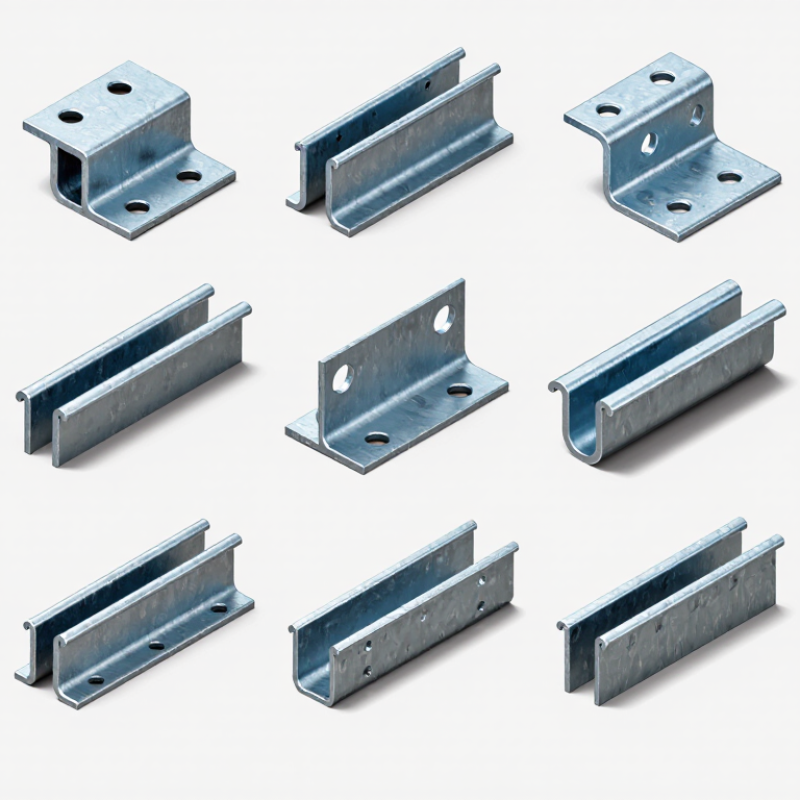
Metal studs are cold-formed steel sections used to create straight, lightweight wall and ceiling frames. They usually include vertical studs, horizontal tracks, and fixing accessories. Unlike timber, steel does not warp, split, or attract termites under normal indoor conditions. The material is also non-combustible, although the complete wall still depends on its boards, insulation, and joint treatment.
On renovation sites, metal studs are useful for partition walls, suspended ceilings, service enclosures, and dry-lining systems. Workers can cut them with aviation snips or suitable power tools, then fasten plasterboard with corrosion-resistant screws. A typical office partition may hide electrical cables, data lines, and acoustic insulation inside the frame. In bathrooms or coastal buildings, galvanized protection matters because moisture can attack poorly protected steel.
Correct selection requires more than checking thickness. Buyers should confirm section width, steel gauge, coating level, load requirements, and local fire or acoustic standards. Wider studs can provide space for thicker insulation, while heavier gauges support doors, cabinets, or wall-mounted equipment. Installation errors remain common. A track fixed to an uneven floor can transfer movement into the finished wall. That detail is easy to miss. Metal also conducts sound and heat, so insulation and sealing must be designed with the frame, not added as an afterthought. Availability differs between countries, and metric dimensions may not match regional systems. Check drawings carefully before ordering.
Which Features Determine Metal Stud Quality and Performance?
Metal stud quality begins with the steel, not the label. Global buyers should check thickness, yield strength, and dimensional accuracy before comparing prices. A thicker stud is not automatically better, but thin, uneven steel can twist during installation. That creates weak joints and uneven wall surfaces. Galvanized coating also matters, especially in humid storage areas or coastal projects. Buyers should request coating specifications, batch records, and independent test reports. These documents improve traceability and reduce purchasing uncertainty.
Hole placement affects performance too. Clean, consistent openings allow services to pass without damaging the stud. Rough edges may cut cables or weaken connections. Straight flanges help screws seat properly and reduce installation time. For load-bearing systems, engineers should verify section design, deflection limits, fire resistance, and acoustic requirements. These values depend on the complete wall assembly, not the stud alone. In practice, I would inspect random pieces from each shipment, measure thickness with a calibrated gauge, and check several profiles by hand. Small defects are easy to miss. That is the uncomfortable part. Factory claims can be accurate, yet transport damage or poor storage can still reduce performance. A reliable supplier should explain tolerances clearly and support corrective action when samples fail inspection.
How to Compare Standards, Sizes, Materials, and Finishes
14 Best Metal Studs for Global Buyers?
Choosing metal studs across markets requires more than comparing prices. Standards define performance, but they do not always match. ASTM profiles may differ from EN or AS/NZS systems in dimensions, testing, and labeling. Confirm the required standard with the project engineer before ordering.
Size affects strength and installation speed. Compare flange width, web depth, thickness, and length. A 92 mm stud may suit one partition, while a 75 mm profile fits another. Check the actual gauge, not only the advertised size. A digital caliper can reveal small differences that cause loose tracks or difficult fastening. It is an unglamorous check. It prevents expensive rework.
Material selection should reflect moisture, fire, load, and indoor exposure. Galvanized steel is common, but coating weight varies. Ask for test reports and inspect sample edges for uneven coverage. Finishes also matter. Smooth surfaces support faster screw placement, while protective coatings may improve corrosion resistance. Yet thicker coating is not automatically better for every application.
Tips: Request mill certificates, dimensional drawings, coating data, and tolerance limits. Compare samples under the same light. Check whether the supplier uses metric or imperial measurements. Clarify packaging, bundle weight, and inspection procedures before shipment. I would also test one assembled frame. Catalog figures can look perfect, but site handling often exposes the real weakness.
14 Best Metal Studs for Global Buyers: Comparing Standards, Sizes, Materials, and Finishes
The chart compares representative cold-formed steel stud configurations used in North American and European construction. Thickness, nominal depth, coating system, and standard family should always be confirmed against local structural, fire, corrosion, and load requirements.
Heavier-gauge studs generally provide higher stiffness and load capacity, while lighter-gauge studs are commonly selected for non-load-bearing partitions. Galvanized coatings such as G40 and Z275 improve corrosion resistance; coating designation and minimum steel yield strength vary by regional standard and supplier specification.
How to Select a Reliable Metal Stud Supplier Worldwide
14 Best Metal Studs for Global Buyers?
Selecting a reliable metal stud supplier requires more than comparing the lowest quoted price. Global buyers should verify
steel grade, thickness tolerance, coating weight, and profile dimensions.
Ask for current mill certificates and independent test reports. A dependable supplier can explain how each result affects framing strength, corrosion resistance, and installation speed. Request production samples, not only catalogue photographs. Measure them with calipers. Small deviations can create visible gaps during assembly.
Factory capability matters when orders cross borders. Check forming equipment, quality checkpoints, storage conditions, and packaging methods. Photos help, but a live video inspection reveals more. Look for
dry warehouses, labelled bundles, edge protection, and batch traceability.
Ask how rejected coils are controlled. That answer often shows the supplier’s real discipline. Confirm monthly capacity, minimum order quantities, lead times, and container loading plans.
Communication is another practical test. The supplier should respond clearly about drawings, revisions, tolerances, and delivery risks. Use a signed specification sheet. It prevents costly assumptions. Check references from buyers in similar climates and construction sectors. Review payment terms, export documents, insurance responsibilities, and dispute procedures before ordering. These details support predictable purchasing, yet they do not remove all risk. A supplier may pass document checks and still miss a vessel cutoff. Build a small trial order into the plan, then assess actual quality, packing, and response time.
That extra step feels slow. It is often cheaper than correcting unsuitable studs on site.